

In an era where time and efficiency are of the essence, technological advancements are revolutionizing even the most fundamental aspects of our lives. Paper, once considered a timeless medium, is undergoing a remarkable transformation, and at the forefront of this evolution is thermal paper. This blog post delves into the world of thermal paper, a cutting-edge innovation that is poised to redefine the future of printing. In a world where efficiency is king, we explore the reasons why thermal paper is not just an upgrade, but a revolution in the way we approach printing.
Understanding Thermal Paper: A Technological Breakthrough
A. Origins and Development
The journey of thermal paper from its nascent stages to becoming an integral part of modern printing technology is a testament to the pursuit of efficiency. Conventional paper has long served as a canvas for our thoughts and creations, but the limitations of traditional printing methods, such as faded colors and time-consuming processes, paved the way for a new era.
Thermal paper emerged as a solution to these limitations, originally finding its place in fax machines and cash registers. Its initial applications were specialized, but the efficiency it brought was undeniable. As the technology matured, the possibilities expanded, and today, thermal paper has ventured into various sectors, transforming how we print and share information.
B. The Science Behind Thermal Paper
At the heart of thermal paper’s innovation lies its captivating chemistry. The concept of thermochromism, where color changes occur with variations in temperature, forms the foundation of thermal paper’s color formation. This phenomenon allows for dynamic and instant color transformation, a stark contrast to the traditional process of ink absorption and drying.
Leuco dye technology takes this concept further, enabling thermal paper to produce images that are sharp, vibrant, and resistant to fading. As heat is applied to the paper, the leuco dye reacts with precision, creating a visual spectacle that captures intricate details and lifelike colors. This chemical marvel has given birth to a new era in printing, one where quality is not compromised by speed.
The Origin and Evolution of Thermal Paper: The Evolutionary Path of Revolutionary Printing Technology

Thermal paper, as an innovative force driving the revolution in printing technology, has a history marked by creativity, breakthroughs, and continuous evolution. From its early concepts to its widespread applications today, thermal paper has become an indispensable part of the modern printing landscape. Let’s delve into the origin and evolution of thermal paper, and how this technology has reshaped the world of printing.
Origins: Exploring the Possibilities of Early Thermal Technology
The precursor to thermal paper can be traced back to the 1960s, where the focus was on applying thermal technology to fax machines. This early thermal technology was based on a simple concept: by coating paper with a special thermosensitive layer, heating the paper would result in visible color changes. While this was just the starting point in the evolution of thermal paper, it laid the foundation for more significant technological advancements.
Development: Beyond Fax Machines, into Diverse Applications
With technological advancements, thermal technology expanded beyond the realm of fax machines to various fields. In the 1970s, thermal technology found applications in cash registers and point-of-sale systems, used for printing transaction records and receipts. While these applications seemed limited, they provided valuable practical experience that would contribute to the ongoing development of thermal paper.
Entering the 1980s, the scope of thermal paper applications expanded even further. It began to be utilized in label printing, ticketing systems, and even medical imaging. In label printing, thermal paper’s high resolution and exceptional durability made it the ideal choice for product labels, barcodes, and more. In ticketing systems, its rapid printing capability made it a preferred option for movie tickets, transportation passes, airline boarding passes, and beyond. Simultaneously, the medical field started incorporating thermal paper for printing medical images and diagnostic reports, enhancing image clarity and precision.
Technological Breakthroughs: The Perfect Blend of Speed, Quality, and Versatility
Over time, thermal technology made significant breakthroughs in speed, quality, and versatility. Traditional ink-based printing methods required drying time, whereas thermal paper’s direct thermal transfer allowed for instant printing without waiting for drying. This feature positioned thermal paper as a top choice for scenarios demanding efficient and rapid printing.
Furthermore, thermal paper’s adoption of high-resolution thermal print heads led to a remarkable enhancement in print quality. With vibrant colors and sharp details, thermal paper not only found widespread use in the business sector but also established its significance in industries such as healthcare, logistics, and retail.
Future Prospects: Continuous Innovation, Opening New Avenues Across Industries
As a pioneering innovation in printing technology, thermal paper’s future holds both opportunities and challenges. With ongoing technological advancements, thermal paper is anticipated to find innovative applications in diverse fields. From precision medical imaging to efficient commercial operations, thermal paper will continue driving the progress of various industries.
In conclusion, the origin and evolution of thermal paper trace a journey marked by innovation and transformation. From its initial applications in fax technology to its multi-faceted present, thermal paper’s efficiency, quality, and versatility are reshaping the future of printing, offering boundless possibilities for the printing industry.
Going Beyond Printing with Thermal Paper: Exploring Its Versatility and Innovation
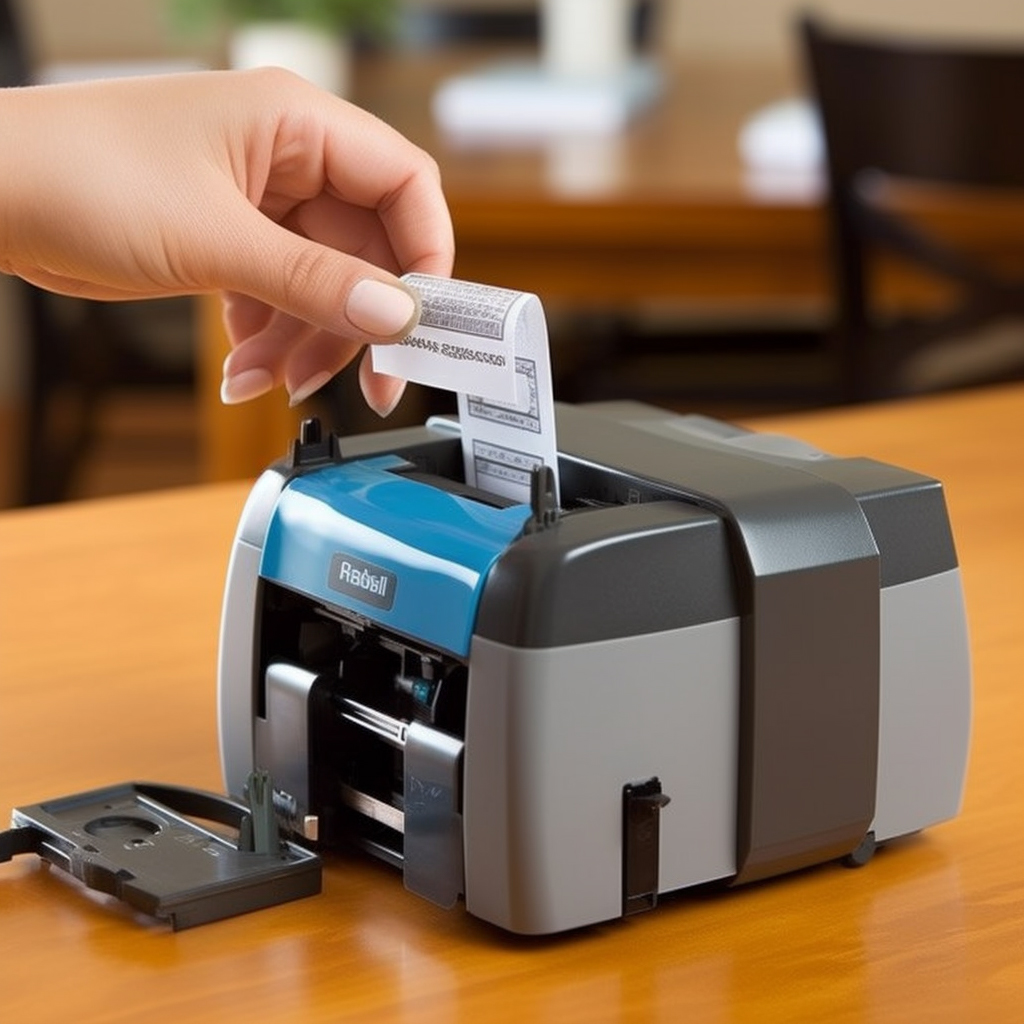
Thermal paper, renowned for its printing prowess, has transcended its conventional role and ventured into a realm of diverse applications. Its exceptional attributes and adaptability have paved the way for groundbreaking uses that extend far beyond traditional printing. Here, we delve deeper into the multitude of ways in which thermal paper has evolved beyond its initial purpose.
I. Unveiling the Unseen: Non-Print Applications
Although thermal paper’s primary function is to generate printed content through heat, its thermosensitive properties have catalyzed innovation beyond standard printing. These properties empower thermal paper to exhibit visually captivating effects, such as color transformation and the revelation of concealed patterns. Industries, particularly security-conscious sectors, have harnessed thermal paper to create tamper-proof labels and documents, leveraging its irreversible color alteration to deter and detect tampering.
II. Sensing the Environment: Thermal Paper in Sensory Applications
The distinct ability of thermal paper to alter color based on temperature fluctuations has opened avenues in sensory applications. Utilized in temperature-sensitive stickers and indicators, it offers an economical solution for monitoring temperature shifts in diverse settings. From indicating potential temperature breaches during product transport to safeguarding quality in storage, thermal paper serves as a dependable tool for ensuring optimal conditions.
III. Medical Advancements: Beyond Printing Diagnostic Tools
The medical realm has embraced thermal paper beyond conventional printing applications. Disposable diagnostic tools, leveraging thermal paper’s color-changing attributes, have revolutionized rapid testing. Pregnancy tests, based on this technology, provide swift and precise results without requiring complex equipment. This approach not only simplifies diagnostics but also empowers users with at-home convenience.
IV. Interactive Experiences: Thermal Paper in Entertainment
The dynamic color shift triggered by heat in thermal paper has been ingeniously incorporated into interactive entertainment. Imagine storybooks for children where friction induces vibrant color changes, breathing life into characters and scenes. Furthermore, educational materials can integrate interactive elements that captivate learners, elevating the learning process to an engaging and immersive endeavor.
V. Environmental Insights: Data Logging and Analysis
Thermal paper’s sensitivity to temperature changes finds practical application in environmental monitoring. Employed in conjunction with data logging devices, it becomes a cost-effective solution for recording temperature fluctuations over time. This combination proves invaluable for tracking temperature trends in diverse environments, including warehousing, transportation, and agriculture.
VI. Creative Expression: Thermal Paper as an Artistic Medium
Beyond its functional roles, thermal paper has garnered interest within the realm of creative arts. Artists and designers harness its color-shifting capabilities to craft interactive and ever-evolving artworks. By introducing controlled heat sources, intricate designs come to life, evolving and transforming, thereby offering viewers an immersive and evolving experience.
VII. Pathway to Innovation: The Unexplored Horizons
As technology continues to evolve, the potential applications of thermal paper remain far-reaching. Researchers and visionaries continually explore novel ways to leverage its unique attributes across domains such as packaging, consumer electronics, healthcare, and education. The journey of thermal paper beyond traditional printing is a testament to its adaptability and limitless possibilities.
In conclusion, thermal paper’s expansion beyond its primary role exemplifies its exceptional versatility. From enhancing security to advancing healthcare, from sparking creativity in art to transforming learning experiences, thermal paper’s ability to shift colors with heat is unleashing innovative solutions across an array of industries. As its capabilities continue to evolve, who can predict the new territories it will explore next?
Thermal Paper’s Environmental Impact and Sustainability: A Comprehensive Exploration

The remarkable capabilities of thermal paper extend beyond its functional applications, as its environmental impact and potential for sustainability come under scrutiny. While thermal paper offers efficiency and convenience, its production and disposal raise questions about ecological consequences. This comprehensive analysis delves into the intricate relationship between thermal paper and environmental sustainability.
I. Chemical Composition and Ecological Concerns
Thermal paper’s composition is a vital starting point for understanding its environmental implications. The paper itself is often coated with a mixture containing a color developer (leuco dye), a developer, a sensitizer, and a binder. However, the presence of bisphenol A (BPA) in thermal paper has raised environmental and health concerns. BPA, a chemical linked to hormone disruption, has led to calls for alternative formulations to reduce the potential risks associated with its use.
II. Waste Management and Recycling Challenges
Effective waste management of thermal paper proves to be a complex challenge. The presence of BPA in some thermal paper formulations complicates recycling efforts. Separating thermal paper from traditional paper during recycling processes can be arduous, and the inclusion of BPA can lead to contamination issues in recycled paper products.
III. The Role of Eco-Friendly Initiatives
Acknowledging these challenges, the industry has responded with a growing emphasis on eco-friendly thermal paper solutions. Manufacturers are striving to develop BPA-free thermal paper, reducing the ecological impact of its production and disposal. Additionally, advancements in recycling technologies are being explored to facilitate the separation and recycling of thermal paper, addressing the limitations in current recycling practices.
IV. The Path to Sustainability: Balancing Advancements and Concerns
Balancing the convenience and utility of thermal paper with environmental sustainability remains a central challenge. While its efficiency in printing and convenience in various applications cannot be denied, efforts are crucial to minimize its environmental footprint. By prioritizing research into safer alternatives, developing efficient recycling methods, and adopting sustainable production practices, the industry can chart a path towards a more environmentally responsible thermal paper landscape.
V. The Consumer’s Role in Sustainability
Ultimately, consumers play a pivotal role in driving sustainability. Educating consumers about the environmental considerations associated with thermal paper usage can lead to more responsible choices. Opting for BPA-free thermal paper products and supporting recycling initiatives can collectively contribute to reducing its impact on the environment.
VI. Innovation for a Sustainable Future
While the challenges are substantial, they also inspire innovation. The industry’s commitment to developing eco-friendly alternatives and sustainable practices demonstrates its recognition of the urgency to mitigate environmental consequences. With advancements in material science and recycling technologies, thermal paper could transform into a sustainable solution that meets both functional and ecological demands.
In conclusion, understanding thermal paper’s impact on the environment underscores the need for a holistic approach to its production, usage, and disposal. By addressing chemical concerns, fostering recycling innovation, and encouraging eco-friendly alternatives, the industry can shape a sustainable future where thermal paper’s efficiency coexists harmoniously with environmental responsibility.
The Future Unveiled: Thermal Paper’s Odyssey into Advancements and Boundless Horizons
The trajectory of thermal paper is one of perpetual transformation, an ever-unfolding narrative that bridges the gap between the present and the limitless potential of the future. With technology as its compass and innovation as its guide, the future of thermal paper is a canvas painted with promising advancements and uncharted horizons. This comprehensive exploration delves deep into the realms of possibility that await thermal paper, igniting excitement for the boundless avenues that lie ahead.
I. Prolonging Longevity and Enhancing Durability
The next frontier for thermal paper rests in fortifying its lifespan and bolstering its resilience. The issue of fading over time, especially under the influence of light, heat, and environmental factors, has spurred a dedicated quest to engineer thermal paper that defies these challenges. Researchers and industry leaders are uniting their efforts to birth thermal paper that retains its brilliance, ensuring that printed content remains vivid and enduring for extended periods.
II. Pioneering Sustainability: The Rise of Eco-Conscious Thermal Paper
In response to the growing global call for sustainability, the horizon of thermal paper is punctuated by eco-conscious innovation. Echoing the concern for environmental health, manufacturers are channeling their energy into creating sustainable alternatives that mitigate or eliminate harmful constituents, such as BPA. The emergence of bio-based thermal paper formulations, harnessed from renewable resources, heralds a new era in eco-friendly practices and products.
III. The Vanguard of Security Features
The sphere of security is where thermal paper is primed to flourish in the future. Envision innovations that integrate state-of-the-art security features, from holographic elements to microprinting and watermarking. In this realm, thermal paper is not just a medium of documentation but a fortress of safeguarding sensitive information and thwarting counterfeit endeavors.
IV. Fusing with Smart Technology
In an era defined by connectivity, the integration of smart technology is a tantalizing prospect for thermal paper. Imagine a world where thermal paper communicates seamlessly with devices through RFID or NFC technology, ushering in an era of effortless data exchange and automation. This synthesis holds the power to redefine inventory management, customer interactions, and a plethora of other spheres.
V. Customization and the Art of Personalization
The future landscape of thermal paper is painted with hues of customization and personalization. As printing technology surges forward, thermal paper could metamorphose into a canvas of intricate color blends, designs that dance with creativity, and even the incorporation of personalized messages or QR codes embedded within the prints. Industries like marketing and event management stand to harness the magic of tailored thermal paper.
VI. Venturing into Novel Territories
Diversification is the heartbeat of thermal paper’s future, paving the way to explore fresh territories. Picture a liaison with wearable technology, where the malleable and lightweight nature of thermal paper makes it an ideal partner for flexible displays. The worlds of fashion and interior design could also experience a revolution, leveraging the color-changing attributes of thermal paper to add an innovative touch.
VII. The Symphony of Collaboration and Synergy
The roadmap of thermal paper’s future is composed of collaboration and synergy between industries. As thermal paper crosses paths with domains like electronics, materials science, and healthcare, the exchange of knowledge becomes the harbinger of unprecedented growth and applications that break the mold.
VIII. The Tapestry of Innovation
In essence, the future of thermal paper is a grand tapestry woven from the threads of imagination and innovation. With every technological leap, a new chapter unfurls, presenting opportunities to reshape industries, enhance convenience, and pave the way for a more sustainable world. In this uncharted territory, where researchers, manufacturers, and visionaries dare to dream, thermal paper’s odyssey morphs into a saga of perpetual innovation and progress.

Safeguarding Trust: Thermal Paper’s Dynamic Role in Security and Information Protection
Amidst its conventional applications, thermal paper emerges as an unsung hero in the domain of security and information protection. Its exceptional attributes enable it to fortify data integrity, thwart fraud, and ensure the authenticity of documents. This in-depth exploration unveils the multifaceted ways in which thermal paper assumes the mantle of security guardian, offering a comprehensive shield against potential threats.
I. Tamper-Evident Assurance
The bedrock of thermal paper’s security prowess lies in its thermosensitive properties, which create a unique imprint when subjected to heat or friction. This property makes it a natural fit for tamper-evident applications. Labels, seals, and documents printed on thermal paper transform into visual witnesses, displaying conspicuous indicators of any breach in security. Once disturbed, the color-changing mark becomes irrevocable, serving as a clear warning of unauthorized access or tampering.
II. Fortifying Anti-Counterfeiting Measures
In the battle against counterfeiting, thermal paper is an invaluable ally. Integrating advanced security features such as holographic elements, microprinting, and watermarks elevates the complexity of thermal paper prints. Counterfeiters are faced with a formidable challenge in replicating these intricate details accurately. This ensures that official documents, event tickets, and product labels printed on thermal paper are readily distinguishable from deceptive replicas.
III. Guardians of Secure Recordkeeping
Thermal paper assumes a pivotal role in sectors that hinge on meticulous recordkeeping. Industries like healthcare and finance rely on thermal paper’s ability to deliver pristine prints that safeguard critical information. Medical imaging, prescription labels, and transaction receipts are just a few examples where thermal paper acts as a fortress of secure documentation. The legibility and resilience of thermal paper prints contribute to accurate and unaltered records.
IV. Confidentiality Through Thermal Medium
In scenarios necessitating utmost confidentiality, thermal paper presents a discrete solution. Armed with thermal printers equipped with encryption capabilities, sensitive information can be printed onto thermal paper, remaining invisible until exposed to the appropriate decryption methods. This innovative approach heightens data security, deterring unauthorized access to confidential information.
V. Evolving Time-Sensitive Authentication
Time-sensitive authentication is a realm where thermal paper truly shines. Thermal printers can generate dynamic codes or timestamps that materialize on the paper and gradually fade over time. This temporal nature provides an added layer of security, as the information becomes progressively less accessible, minimizing the risk of unauthorized replication or forgery.
VI. Envisioning the Next Level of Security
The future holds promising prospects for thermal paper’s role in security. By infusing RFID or NFC technology into thermal paper, real-time tracking, verification, and authentication become feasible for documents, tickets, and packages. These advancements bolster traceability and accountability, amplifying thermal paper’s position as an enhancer of security.
VII. Anchoring Trust in a Digitized Age
In an era dominated by digital interactions, the tangible essence of thermal paper assumes the role of a trust anchor. Its physicality imparts authenticity to transactions and documents, bridging the gap between the digital and the tangible, and lending credibility to the often-ephemeral world of virtual communication.
VIII. A Sentinel of Unyielding Security
In summation, thermal paper’s voyage transcends mere printing to become a sentinel of security and information protection. Its unique attributes, combined with evolving security features, position it as a guardian against tampering, counterfeiting, and unauthorized access. As technology advances, thermal paper’s commitment to security remains resolute, underscoring its stature as a dependable defender of critical information and a cornerstone of trust.
Conclusion: The Paper of Efficiency and Tomorrow
In a world where every second counts and resources are precious, thermal paper emerges as a paper of unparalleled efficiency and promise. Its ability to produce instant, high-quality prints without the need for ink cartridges, coupled with its transformative impact across various sectors, solidifies its position as the paper of the future.
Thermal paper’s journey from its origins to its current state is a testament to human innovation and the pursuit of efficiency. From retail to healthcare, from sustainability to security, thermal paper has transcended its traditional role to become an embodiment of progress. As industries continue to evolve and embrace new technologies, thermal paper stands as a prime example of how innovation can reshape the way we interact with the tangible world around us.
The future holds even greater possibilities for thermal paper, with advancements on the horizon that promise enhanced durability, eco-friendliness, and security. As we continue to explore the potential of thermal paper, we are reminded that innovation is not confined to the digital realm; it finds its place even in the realm of paper and print. The journey toward the future is a journey toward greater efficiency, sustainability, and excellence – qualities that thermal paper embodies with unwavering commitment.