
In the rapidly evolving world of health technology, the convergence of wearable devices and thermal paper is emerging as a groundbreaking development. As both technologies continue to advance, their integration promises to enhance health monitoring in unprecedented ways. This article explores how wearable devices and thermal paper are combining to create innovative solutions for tracking and managing health data.
The Evolution of Wearable Health Devices
Wearable health technology has come a long way since the early pedometers and heart rate monitors. Today’s wearable devices, such as smartwatches and fitness trackers, offer a wide range of capabilities. These devices can monitor heart rate, track physical activity, measure sleep patterns, and even provide insights into blood oxygen levels. They are equipped with sophisticated sensors and connectivity features that make them indispensable tools for personal health management.
Thermal Paper in Health Monitoring
Thermal paper has traditionally been used for printing receipts, labels, and tickets. Its role in health monitoring, however, is less well-known but equally important. Thermal paper is valued for its durability and ability to produce high-quality prints without the need for ink or toner. This makes it an excellent medium for printing medical reports, diagnostic results, and other critical health information.
Integration of Wearable Devices and Thermal Paper
The convergence of wearable technology and thermal paper is pushing the boundaries of healthcare, offering new ways to track, record, and analyze health data. By integrating these two innovative tools, healthcare providers and patients alike can benefit from the convenience of real-time data monitoring with immediate, tangible documentation. This integration holds promise not only for routine health management but also for emergency and remote care scenarios, where access to instant physical records can make a world of difference.
Real-Time Data Printing
One of the most exciting aspects of integrating wearable devices with thermal paper is the ability to produce instant physical records of health data. Wearable devices like fitness trackers or smartwatches have already revolutionized how we monitor our health by tracking metrics such as heart rate, sleep patterns, and activity levels. But what if these devices could do more than just store the data digitally?
For instance, imagine a smartwatch that tracks your heart rate and fitness levels throughout the day. With integrated thermal printing, this device could print out a summary of your health metrics on thermal paper right on the spot. Whether it’s after a workout or during a doctor’s appointment, having a printed record of your physical performance or vitals adds a layer of convenience and practicality. This immediate access to physical records is invaluable for both routine check-ups and emergency situations, as the printed data can be shared with healthcare providers or stored for future reference.
Beyond personal fitness, wearable devices with thermal printing capabilities could be used in professional healthcare settings. For example, a wearable device monitoring a patient’s vitals during surgery or in an ICU could automatically print out critical information, such as blood pressure or oxygen levels, ensuring that medical staff have the information they need at a glance, without having to rely solely on digital screens.
On-Site Diagnostics
In scenarios where real-time diagnostics are crucial, such as in remote medical camps or emergency response situations, wearable devices combined with thermal paper can be a game-changer. In these environments, access to digital systems and infrastructure may be limited, making the need for physical documentation even more essential. A wearable device could capture essential health data, and the results could be printed on thermal paper for immediate review by healthcare professionals. This can include vital signs like blood pressure, heart rate, or blood sugar levels, which can be quickly assessed and acted upon without the need for complex equipment.
For example, during a natural disaster or in military field hospitals, wearable devices can monitor patient vitals while thermal paper provides an instant, tangible report for emergency personnel. This integration helps bridge the gap between digital and physical documentation, ensuring that vital information is available even when digital infrastructure is lacking. It also allows healthcare providers to keep accurate records of patient conditions and treatments, crucial in high-stakes situations where every second counts.
Advantages of Combining Wearable Devices and Thermal Paper
While the technological combination of wearables and thermal paper offers immediate benefits in various scenarios, there are several specific advantages that make this integration particularly appealing for the future of healthcare.
Immediate Physical Records
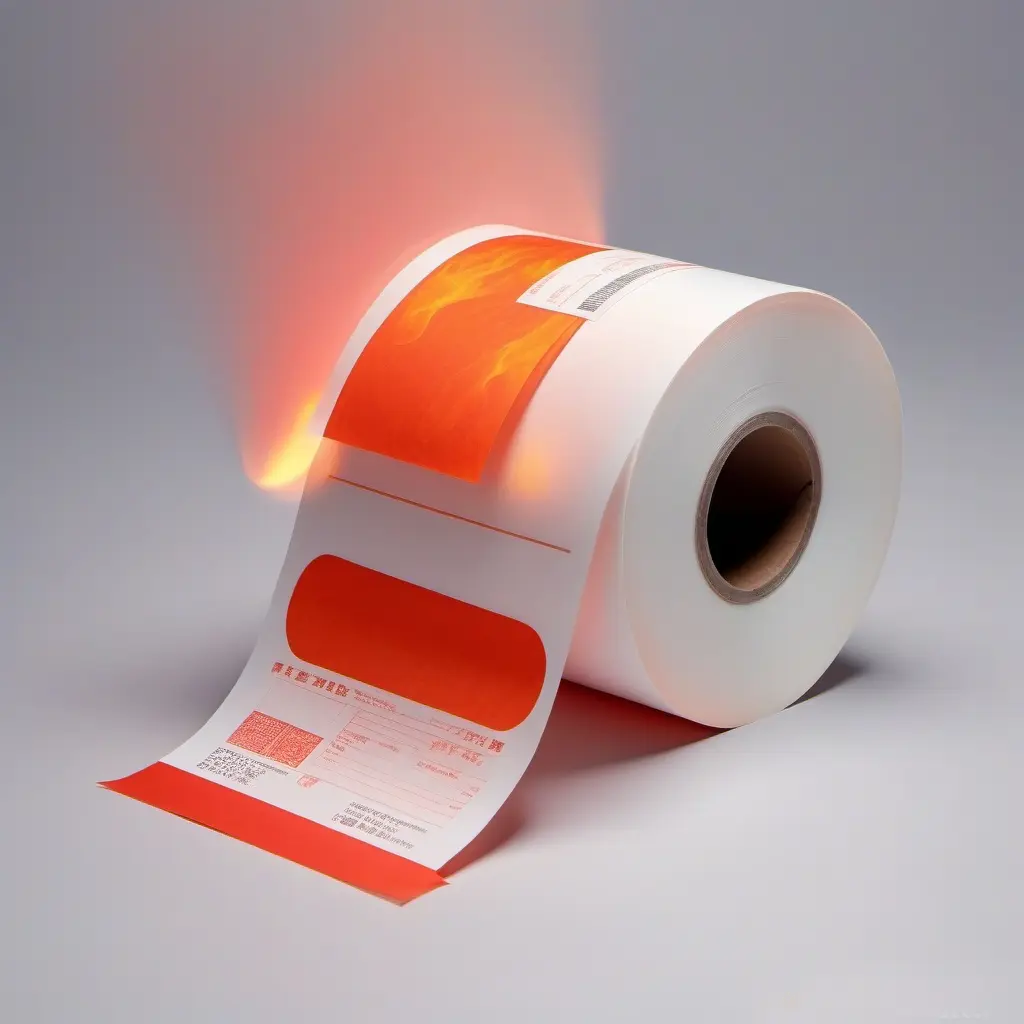
The ability to produce tangible records of health data is one of the standout benefits of this integration. Wearables are excellent at collecting data, but there are moments when a physical copy is essential. For instance, thermal paper can offer an immediate printout of a patient’s vital signs during an emergency, providing medical personnel with a hard copy of essential information in situations where access to digital devices is limited or impossible.
Physical copies of health metrics can also be especially useful in scenarios where digital devices may not be available or practical. For instance, in rural areas with limited access to technology or where electricity is unreliable, thermal paper provides a reliable means of documenting health information. Patients in these areas can carry their medical history in printed form, offering healthcare providers a clear and accessible summary of their condition.
Enhanced Data Accuracy
In the medical field, precision and accuracy are paramount. Thermal paper complements digital data by providing a physical backup. This redundancy helps in minimizing errors and ensuring that health records are accurate and accessible. Wearables can monitor health in real-time, and thermal paper can ensure that the data is recorded without any risk of deletion or system failure. When combined with the advanced monitoring capabilities of wearables, thermal paper enhances the overall reliability of health data management.
Moreover, by offering a tangible, printed version of digital data, thermal paper can serve as a verification method to cross-check information, reducing the possibility of errors in medical records. The data printed on thermal paper is also highly legible and easily understood, helping healthcare providers make quick and informed decisions.
Accessibility and Convenience
The combination of wearable devices and thermal paper ensures that health information is not only monitored but also readily available in a format that is easy to access and use. For many individuals, especially the elderly or those living in remote areas, maintaining physical health records can be far more convenient than relying solely on digital platforms. Physical records do not require special technical knowledge and are accessible without the need for internet connections or electronic devices.
This integration is particularly beneficial for individuals in remote locations or those who prefer physical records over digital ones. For instance, during home health visits in underserved regions, a healthcare provider could monitor a patient’s vitals through a wearable device and print a detailed report on thermal paper, which can be stored and referenced later. This can be especially useful for patients managing chronic conditions who need regular health updates in a format that is easy to keep track of.
In conclusion, the integration of wearable devices and thermal paper offers a promising new avenue for health monitoring, combining the immediacy of real-time data with the reliability of physical documentation. This fusion of technology has the potential to enhance healthcare delivery, particularly in emergency situations, remote locations, and for individuals who prefer or require physical health records. As both wearables and thermal paper continue to evolve, the possibilities for their combined use will only grow, providing more people with accessible, accurate, and convenient healthcare solutions.
Challenges and Considerations
While the integration of wearable devices and thermal paper presents numerous exciting opportunities for advancements in health monitoring and real-time data collection, there are several key challenges that need to be addressed for successful implementation. These challenges range from ensuring data privacy and security to addressing the technical and environmental factors that can affect the performance and reliability of the technology.
Data Privacy and Security
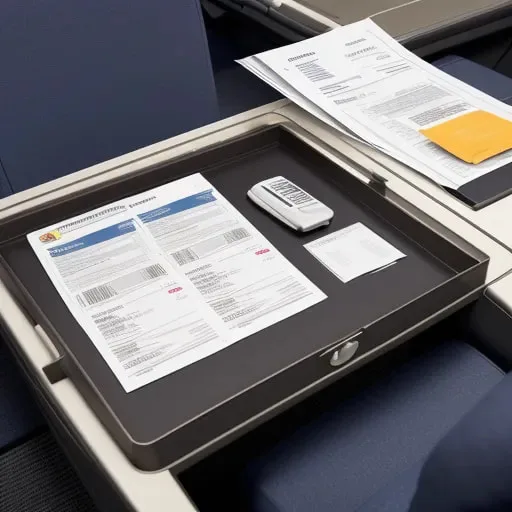
One of the primary concerns with integrating wearable devices and thermal paper is ensuring the privacy and security of sensitive health information. Wearable devices are designed to continuously collect and track personal health data, which can include everything from heart rate and sleep patterns to more sensitive information like blood pressure, glucose levels, and medical history. When this data is printed on thermal paper, it creates a physical record that must be protected.
There is a heightened risk of data breaches or misuse of personal health information when dealing with both digital and physical records. If printed health data falls into the wrong hands, it could lead to identity theft, discrimination, or other malicious actions. Therefore, it is essential to implement robust security measures to protect personal data. This includes encryption and secure data transfer protocols for wearable devices, as well as the safe handling and storage of thermal paper records. Healthcare providers and businesses must also ensure compliance with privacy regulations such as HIPAA (Health Insurance Portability and Accountability Act) to safeguard patient information.
In addition, physical copies of health data printed on thermal paper should be handled with care to prevent unauthorized access. Measures such as locked storage or shredding printed documents after they are no longer needed can help mitigate the risks associated with physical records. Educating both patients and healthcare providers on best practices for maintaining the privacy of these records is also essential.
Durability and Quality
Thermal paper must be able to withstand various environmental conditions to remain readable and intact, especially when used in health monitoring applications that involve wearable devices. Wearables are often used in a wide range of environments, from hot and humid climates to cold or dusty conditions, and the thermal paper used for printing health data needs to perform reliably in all these scenarios.
For example, in remote or outdoor healthcare settings, wearable devices may be exposed to the elements, and printed thermal paper records may need to endure heat, moisture, or rough handling. If the printed data fades, smudges, or becomes illegible, it could compromise the accuracy and reliability of medical records. High-quality thermal paper is essential in ensuring that printed health information remains durable and easy to read, regardless of environmental factors.
Our thermal paper collection includes products specifically designed to perform well in diverse conditions, ensuring that printed records are durable and reliable even in challenging environments. This durability is crucial not only in healthcare settings but also in emergency response, where health data may need to be printed and accessed quickly in less-than-ideal conditions.
Integration Issues
Combining wearable technology with thermal printing systems presents technical challenges that must be carefully addressed to ensure smooth functionality. Wearable devices are typically designed to collect and store data digitally, while thermal printers operate as a separate system for creating physical copies. To integrate these two technologies seamlessly, businesses and developers must invest in custom hardware and software solutions.
For example, wearable devices need to be equipped with compatible technology that allows them to communicate with thermal printers. This could involve creating specialized applications or firmware that facilitate real-time data transfer from the wearable to the printer without data loss or delays. Additionally, these systems must be user-friendly to ensure that healthcare providers or patients can easily print records without needing advanced technical expertise.
The technical integration of wearable devices and thermal printers may also require investment in wireless connectivity solutions, such as Bluetooth or Wi-Fi, to enable remote printing. This could be especially important in healthcare scenarios where wearable devices are monitoring patients in real-time, and immediate printing of health data is required. Moreover, developers will need to ensure that the data transferred from the wearable device to the printer is accurate and complete, minimizing the risk of errors or gaps in printed health information.
As wearable technology and thermal printing systems continue to evolve, businesses will need to stay ahead of these integration challenges. Custom solutions tailored to specific use cases will be essential in making the combination of wearable devices and thermal paper a practical and reliable tool in healthcare, logistics, and other industries.
The integration of wearable devices and thermal paper offers tremendous potential to revolutionize how health data is collected, monitored, and recorded. However, it is not without its challenges. Addressing concerns around data privacy and security, ensuring the durability and quality of thermal paper, and overcoming the technical hurdles of system integration are critical to the success of this innovative approach. By tackling these challenges head-on, businesses and healthcare providers can unlock the full potential of wearable devices and thermal paper, delivering real-time, reliable, and secure health data solutions that benefit both patients and professionals alike.
Future Trends in Wearable Devices and Thermal Paper Integration
The integration of wearable devices and thermal paper in health monitoring is an area of technology that continues to evolve rapidly. The future holds many exciting possibilities, driven by advancements in both wearable technology and thermal paper, which are pushing the boundaries of what’s possible in personal and professional healthcare management.
Advancements in Wearable Technology
The wearable technology market has seen incredible growth in recent years, and this trend is set to continue as new innovations emerge. Wearable devices, such as smartwatches, fitness trackers, and medical-grade health monitors, are becoming more sophisticated with every iteration. Here are some of the key advancements that will shape the future of wearable devices:
Improved Sensor Accuracy: One of the most important features of wearable devices is the ability to collect accurate data from the human body. As sensor technology improves, wearable devices will be able to measure a broader range of metrics, including heart rate variability, blood oxygen levels, glucose levels, and even hydration status, all with greater precision. This increased accuracy will enhance the effectiveness of health monitoring and data collection.
Greater Autonomy: Wearable devices are also becoming more autonomous, reducing the need for frequent charging or manual input from users. With longer battery life and smarter algorithms, these devices can operate independently for longer periods, making them more convenient for users who rely on continuous monitoring of their health.
Enhanced Connectivity: As 5G and other advanced communication technologies become more widely available, wearable devices will benefit from enhanced connectivity. This will allow wearables to transmit data in real-time to cloud-based systems, healthcare professionals, or even directly to thermal printers for instant physical records. The combination of wearable devices and thermal paper, facilitated by improved connectivity, will make it easier to access health data wherever you are.
These advancements will not only make wearable devices more powerful but also create new opportunities for integrating them with thermal paper to provide immediate, tangible health records.

Innovations in Thermal Paper
Thermal paper technology is also undergoing significant changes, with a growing focus on sustainability and performance. As industries and consumers alike shift towards more environmentally friendly practices, thermal paper manufacturers are rising to meet this demand by developing innovative solutions. Key trends in the evolution of thermal paper include:
Eco-Friendly Materials: Sustainability is becoming a priority in thermal paper production. Manufacturers are now focusing on creating biodegradable thermal paper that reduces the environmental impact associated with its use. These papers are designed to break down naturally after disposal, helping businesses align with their environmental goals while maintaining the functionality and durability required for health monitoring applications.
Longer Lifespan and Durability: Modern thermal paper is being engineered to withstand harsher environments. This means that whether thermal paper is exposed to high temperatures, humidity, or physical wear, it will remain intact and legible. For wearable devices that collect data in real-world settings, such as outdoor medical camps or remote monitoring stations, this durability is essential to ensuring that critical health information remains accessible.
Enhanced Print Quality: With improvements in thermal printing technology, thermal paper is now capable of producing clearer, more detailed printouts. This is especially important for health data, where clarity is key for diagnostics and record-keeping. Whether it’s a printout of vital signs or an emergency medical report, clear and readable records are crucial for both patients and healthcare providers.
These innovations in thermal paper will play a significant role in enhancing the integration of this technology with wearable devices, offering more sustainable and durable options for on-the-go health monitoring.
Potential New Applications
As wearable technology and thermal paper continue to advance, we can expect to see new applications emerge in health monitoring and beyond. Some potential future applications include:
Personalized Health Reports: Wearable devices will likely evolve to provide more personalized health insights based on real-time data collection. By integrating thermal paper, these reports could be printed out immediately, allowing individuals to take home physical records of their daily health metrics. This could be particularly useful for patients managing chronic conditions who need regular updates on their health status.
Emergency Response Documentation: In emergency situations, wearable devices can provide vital health information, such as a patient’s heart rate, oxygen levels, or medical history. By integrating thermal paper, first responders could print out this data on-site and hand it over to doctors or hospitals for immediate analysis. This would streamline the transfer of critical information and reduce the chances of errors in medical treatment during high-pressure situations.
Remote Health Monitoring: Wearable devices are ideal for remote monitoring of patients, especially in rural or underdeveloped areas where healthcare infrastructure may be limited. With thermal paper integration, healthcare workers in these areas can print out health records for patients who do not have access to digital devices. This ensures that important health data is documented and available, even in areas with limited connectivity.
These new applications highlight the versatility of wearable devices and thermal paper, making them valuable tools in both everyday health management and specialized medical scenarios.
The Future of Health Monitoring
The fusion of wearable devices and thermal paper represents a significant leap forward in health monitoring technology. This integration offers immediate physical records of health data, enhancing the accuracy and accessibility of information in a variety of settings. From personalized health reports to emergency response documentation, wearable devices combined with thermal paper can provide a practical and efficient solution to modern healthcare challenges.
As the technology behind both wearables and thermal paper continues to evolve, we can expect this integration to become even more streamlined and effective. Whether you’re a healthcare provider looking for new ways to improve patient care or an individual seeking more accessible health data, this combination of technologies is set to revolutionize personal health management.
For those interested in exploring high-quality thermal paper solutions, our thermal paper collection offers a range of products designed to meet diverse needs and support effective health monitoring. Embracing both wearable technology and thermal paper ensures that individuals and healthcare professionals are well-equipped for the future of health management, providing real-time, reliable, and sustainable health solutions.
In conclusion, the integration of wearable devices and thermal paper is not just a trend but a transformative approach to healthcare that will continue to evolve. By staying ahead of these advancements and leveraging the power of both technologies, businesses and healthcare providers can unlock new possibilities in health monitoring, ensuring that vital health information is always accessible, reliable, and secure.