

In the rapidly advancing world of healthcare, thermal paper plays an essential role in streamlining patient care and enhancing health monitoring. From electronic medical records to real-time data capture, thermal paper’s applications in the medical field are expanding—bringing forth innovative solutions that improve both the efficiency and sustainability of healthcare systems.
Thermal Paper’s Essential Role in Medical Record-Keeping
In the fast-paced environment of healthcare, where every second counts, thermal paper has become an indispensable tool for reliable and efficient medical record-keeping. Hospitals, clinics, and laboratories depend on it for printing crucial documents that support patient care, including test results, prescriptions, and admission records.
Speed and Efficiency in Critical Moments
Thermal paper’s ability to deliver quick, clear prints is vital in emergency situations. Imagine a nurse rapidly printing out a patient’s vital records, medication history, or lab results. Within seconds, these critical documents are ready for the doctor’s review, enabling faster decision-making and potentially life-saving interventions. This swift process is especially crucial in high-pressure environments like emergency rooms, where delays can have serious consequences.
Cost-Effectiveness and Operational Efficiency
Beyond its speed, thermal paper is a more cost-effective solution compared to traditional ink-based printing systems. The absence of ink cartridges and ribbons not only reduces expenses but also minimizes the maintenance required, leading to lower operational costs for healthcare facilities. For large institutions managing thousands of records daily, these savings can be substantial.
Durability and Data Integrity
Another significant advantage of thermal paper is its durability. Unlike ink, which can fade over time, thermal prints are resistant to environmental factors like light and humidity, ensuring that critical patient information remains legible and intact for years. This longevity is essential for maintaining accurate medical records, particularly in cases where long-term patient history needs to be preserved for future reference.
Thermal Paper in Health Monitoring Devices: Revolutionizing On-the-Go Healthcare
The integration of thermal paper into health monitoring devices marks a significant advancement in modern healthcare. These devices, ranging from wearable gadgets like blood pressure cuffs, glucose monitors, and heart rate sensors, to portable diagnostic equipment, are designed to capture real-time data. Thermal paper allows this data to be printed immediately, providing both patients and healthcare providers with instant access to critical health information.
Real-Time Data Printing for Immediate Action
One of the primary benefits of using thermal paper in health monitoring devices is the ability to print real-time data directly from the device. Imagine a wearable glucose monitor that tracks a diabetic patient’s blood sugar levels throughout the day. With thermal paper, this data can be printed instantly after each reading, giving the patient an immediate record to share with their doctor. This immediate access to physical copies of data is especially valuable during emergencies when quick decisions need to be made.
For example, portable heart rate monitors used by patients at home can print the recorded results directly after monitoring, which can then be shared during virtual consultations with healthcare professionals. This capability helps doctors make informed decisions without requiring patients to physically visit a clinic. The convenience and accuracy of thermal paper printing streamline this process, ensuring that vital health data is always accessible.
Empowering Remote Healthcare with Portable Devices
As healthcare continues to move towards decentralized models, remote health monitoring has become more widespread. Patients in rural or hard-to-reach locations often lack the resources or access to healthcare facilities that urban populations enjoy. Thermal paper bridges this gap by ensuring that health data can be printed on-site, regardless of location.
Imagine a community health worker visiting a remote village, equipped with a portable blood pressure cuff and thermometer. By using thermal paper, the health worker can print out test results directly, leaving the patient with a copy while simultaneously recording it for the healthcare center’s records. The simplicity of this technology reduces barriers in accessing healthcare and makes it easier for medical teams to track patient progress over time.
Ensuring Data Integrity and Continuity of Care
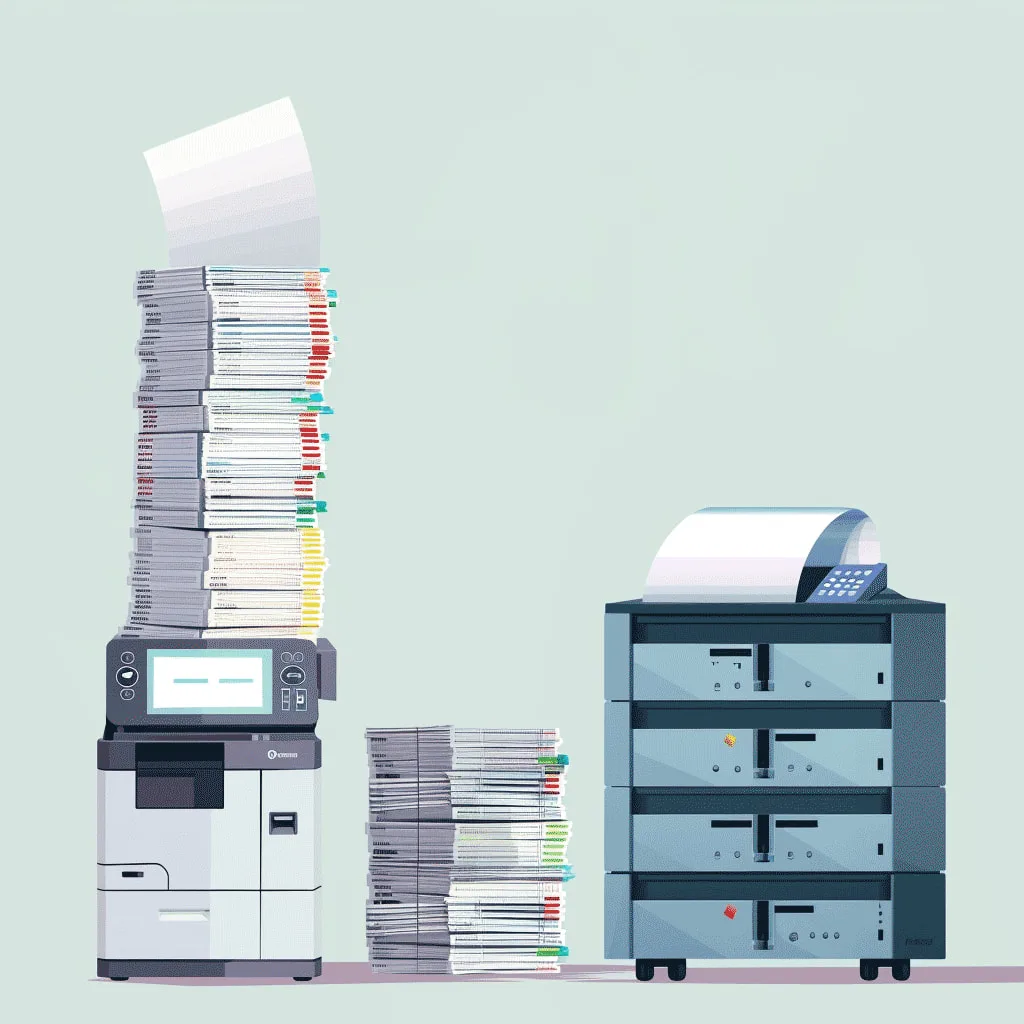
Thermal paper plays an important role in maintaining data integrity. With portable monitoring devices, the risk of data being lost or corrupted during transmission is higher. Physical printouts offer a reliable, durable backup to digital records, ensuring that there are no gaps in the patient’s medical history. Even if devices malfunction or networks fail, the printed data remains intact, guaranteeing continuity of care.
Moreover, thermal paper’s resistance to fading and damage ensures that health records are preserved over time. This is particularly crucial for patients with chronic conditions who require ongoing monitoring and long-term data tracking.
Driving Innovation in Future Healthcare Devices
As health technology evolves, the potential for thermal paper in next-generation medical devices continues to grow. Future wearable devices may incorporate even more sophisticated sensors, allowing for real-time monitoring of a wide range of physiological indicators, from oxygen levels to neurological activity. Thermal paper’s quick and reliable printing will remain an integral component of these advancements, allowing for instant documentation of patient health data.
“At the heart of the future of healthcare is the ability to track and assess patient data on-the-go—thermal paper ensures that important health information can be printed and reviewed instantly.”
Thermal paper is revolutionizing health monitoring devices, offering speed, reliability, and convenience in a world where remote and on-the-go healthcare are becoming the norm. From immediate data access to safeguarding patient records, thermal paper is an essential tool in enhancing the quality of care for patients everywhere.
Emerging Trends in Thermal Paper for Diagnostics: Shaping the Future of Telemedicine
In the evolving landscape of telemedicine and home health care, thermal paper is playing a crucial role in enhancing diagnostics. As healthcare continues to shift from hospitals and clinics to home-based care, thermal paper is becoming indispensable in supporting real-time data capture and instant reporting. This innovative approach is particularly beneficial for remote patient monitoring, where speed and accuracy are key.
Instant Data Reporting for Home Diagnostics
With the rise of home health devices, thermal paper has become a standard for on-the-spot data printing. Devices such as blood sugar monitors, heart rate sensors, and blood pressure cuffs now come equipped with built-in printers that allow patients to print daily reports. These printouts offer a tangible, easy-to-read record of health data, allowing patients to track trends and progress over time.
For instance, a diabetic patient managing their glucose levels at home can use a thermal paper-enabled monitor that prints out detailed reports after each test. These reports provide vital information such as glucose trends, meal-related fluctuations, and insulin effectiveness. The printed data can then be shared with healthcare providers during virtual consultations, ensuring that even in a remote setting, the patient’s care remains thorough and consistent.
Enhancing Telemedicine with Real-Time Diagnostics
As telemedicine gains momentum, thermal paper’s role in diagnostics continues to expand. The ability to instantly print diagnostic results at home allows patients to share timely information with their doctors without delay. This instant access to physical reports ensures that healthcare providers have a clear picture of the patient’s health status, enabling more accurate assessments and treatment plans.
Consider a heart patient using a portable ECG monitor at home. After each monitoring session, the device prints a real-time analysis of the patient’s heart activity on thermal paper. During a telemedicine appointment, the patient can show the printed results to their doctor, who can then analyze the data as if it were collected in a clinical setting. This seamless integration of technology and traditional methods bridges the gap between home care and professional healthcare, making telemedicine even more effective.
The Role of Thermal Paper in Remote Diagnostics
In rural or underserved areas, remote health diagnostics is a growing trend, and thermal paper is helping to bring reliable healthcare to these communities. Portable diagnostic devices equipped with thermal paper printers allow healthcare workers to gather data on-site, print reports instantly, and make informed decisions without relying on digital transmission, which may be unreliable in remote locations.
Future Innovations in Thermal Paper for Diagnostics
The future of thermal paper in diagnostics is bright. Emerging trends indicate that thermal paper will continue to support advancements in wearable health technology, offering instant printouts of a wider range of diagnostics, including neurological assessments, respiratory monitoring, and even genetic testing. As more sophisticated health data is captured remotely, thermal paper will be there to ensure that patients and healthcare providers always have access to clear, accurate, and durable records.
Sustainability in Medical Applications: Driving Eco-Friendly Healthcare Practices
Sustainability has become an essential priority for industries worldwide, and the healthcare sector is no exception. As environmental awareness continues to grow, hospitals, clinics, and other medical institutions are actively searching for ways to reduce their ecological footprint. One of the most significant contributions to this effort is the adoption of eco-friendly thermal paper for various medical applications. This shift not only helps protect the environment but also aligns with broader global goals for sustainability.

Adopting Eco-Friendly Thermal Paper in Healthcare
Medical facilities have traditionally relied on thermal paper for printing a wide range of critical documents, from prescriptions and patient records to lab results and payment receipts. However, many are now transitioning to BPA-free and biodegradable thermal paper as a more sustainable option. These eco-friendly alternatives are designed to reduce waste while maintaining the reliability and functionality of traditional thermal paper. By opting for biodegradable thermal paper, healthcare providers can minimize their contribution to the growing issue of plastic and paper waste in landfills.
For example, a hospital that prints thousands of receipts, labels, and patient information sheets every day can significantly reduce its environmental impact by switching to thermal paper that decomposes naturally over time. This shift supports cleaner disposal practices and helps curb the accumulation of non-degradable materials in landfills and oceans.
The Role of BPA-Free Thermal Paper in Reducing Chemical Pollution
One of the key features of eco-friendly thermal paper is the elimination of Bisphenol A (BPA)—a chemical commonly found in traditional thermal paper that poses potential health risks. Studies have linked BPA exposure to various health concerns, including hormonal imbalances and developmental issues. By choosing BPA-free thermal paper, healthcare institutions can contribute to the well-being of both patients and staff while ensuring that harmful chemicals do not enter the environment through waste.
Additionally, BPA-free thermal paper offers the same level of durability and print quality as traditional paper, meaning that hospitals and clinics can maintain high standards of operation without sacrificing safety or performance.
Promoting Greener Hospital Operations
In addition to reducing waste, biodegradable thermal paper also plays a role in promoting greener hospital operations. This initiative aligns with the global push toward sustainable healthcare practices, which emphasize the importance of reducing the industry’s carbon footprint and conserving natural resources. For example, many hospitals are now integrating energy-efficient printing systems that pair with biodegradable thermal paper to further reduce environmental impact.
These small but meaningful changes can make a significant difference over time. By reducing paper waste, minimizing chemical exposure, and encouraging responsible disposal practices, medical institutions are actively contributing to the preservation of the planet while continuing to provide essential patient care.
Supporting the Transition to Paperless Systems
As hospitals and clinics increasingly adopt paperless systems, the need for printed documents may be decreasing, but it’s far from disappearing altogether. There will always be situations in which physical documents are necessary, such as for prescriptions, patient discharge papers, or emergency records. In these instances, eco-friendly thermal paper provides a sustainable solution that bridges the gap between digital efficiency and traditional document handling.
For example, in situations where technology fails or digital records are inaccessible, having printed documents available ensures that healthcare providers can still deliver prompt and effective care. Using biodegradable and BPA-free thermal paper for these essential records enables healthcare facilities to continue prioritizing sustainability, even when faced with the need for paper-based processes.
The Future of Sustainable Healthcare
Looking ahead, the sustainable thermal paper industry will continue to innovate to meet the growing demands of the healthcare sector. We can expect to see advances in the durability, recyclability, and biodegradability of thermal paper, alongside developments in energy-efficient printing technologies. As healthcare institutions strive to become more eco-friendly, the adoption of green printing solutions will remain a key component of their sustainability strategies.
Case Studies: Thermal Paper in Healthcare Applications
Major Hospitals Leading the Way in Thermal Paper Adoption
In the ever-evolving healthcare industry, several major hospitals have taken the lead in adopting thermal paper technology for their daily operations, setting the benchmark for efficiency, sustainability, and patient care. These institutions have transitioned to thermal paper for a wide array of uses, ranging from patient admission forms and discharge summaries to lab results and diagnostic reports.
Take, for example, a large urban hospital that processes thousands of patients each day. The decision to switch to thermal paper has significantly streamlined their workflow, allowing for faster printing, clearer documentation, and reduced wait times at key points of care. The speed and precision of thermal printing ensure that critical information, such as test results and prescriptions, can be printed instantly and delivered to both patients and medical staff without delay.
The environmental benefits are equally impressive. By using biodegradable thermal paper for these high-volume printing tasks, hospitals are able to significantly cut down on waste and reduce their carbon footprint. The shift also aligns with the broader global trend toward sustainable healthcare practices, as these hospitals no longer rely on traditional paper, which often requires chemicals like BPA for heat-sensitive printing. With BPA-free and recyclable options, hospitals are not only protecting patient health but also playing an active role in reducing their overall impact on the environment.
In terms of operational costs, thermal paper has proven to be a cost-effective solution as it eliminates the need for expensive ink or toner cartridges, making it a practical choice for high-volume environments like hospitals. Over time, these savings contribute to a more efficient use of resources, allowing hospitals to reinvest in other areas of patient care.
Wearable Health Devices: Bridging Technology and Convenience
As wearable technology continues to transform healthcare, personal health devices like fitness trackers, glucose monitors, and portable ECG machines are increasingly integrating thermal paper for quick, easy-to-read data generation. This trend is especially prevalent in the management of chronic diseases such as diabetes, hypertension, and cardiovascular conditions, where frequent monitoring and real-time data tracking are essential for effective treatment.
Imagine a patient wearing a portable ECG monitor at home. After a session of monitoring, the device instantly prints out a detailed report on thermal paper, showing the patient’s heart rate patterns and potential anomalies. The patient can review this report in real-time, gaining immediate insight into their condition, and can also take the printed report to their healthcare provider for further analysis. The simplicity and speed of thermal printing make it an ideal companion for at-home diagnostic tools, offering real-time data output that patients can understand and act on right away.
In chronic disease management, frequent and accurate data is crucial. For instance, diabetic patients using glucose monitors can receive instant printouts of their daily blood sugar levels. These printouts provide a tangible record that helps patients track trends, adjust their lifestyle, and discuss progress with their doctors during follow-up visits. The use of thermal paper in these devices not only empowers patients to take control of their health but also enhances patient-doctor communication, leading to better overall care.
Moreover, the durability and longevity of thermal paper ensure that these critical health records are protected over time. Unlike traditional ink-based reports, thermal paper is resistant to fading and smudging, which is vital when dealing with sensitive medical data that needs to be preserved for future reference.
As wearable health devices become more widespread, the integration of thermal paper technology will likely continue to grow. This evolution is helping to create a more connected and patient-centric healthcare experience, where individuals are empowered with the tools they need to monitor their health at home while benefiting from fast, reliable data output that they can share with their medical providers.
Challenges and Future Prospects
Despite its advantages, the adoption of thermal paper in health monitoring does come with challenges. Initial costs and the need to adapt to new devices may pose barriers for smaller clinics. However, as technology improves and demand for instant data access increases, thermal paper will likely become even more embedded in the healthcare industry.
In the near future, we may see advancements such as RFID-integrated thermal paper, which could revolutionize patient tracking and record-keeping. This innovation would allow for even greater accuracy and security in healthcare management.
Conclusion
Thermal paper’s expanding role in healthcare is undeniable, from its use in everyday medical documentation to its integration into cutting-edge health monitoring devices. With its speed, efficiency, and sustainability, thermal paper supports a healthcare future that’s not only patient-centered but also eco-friendly.