
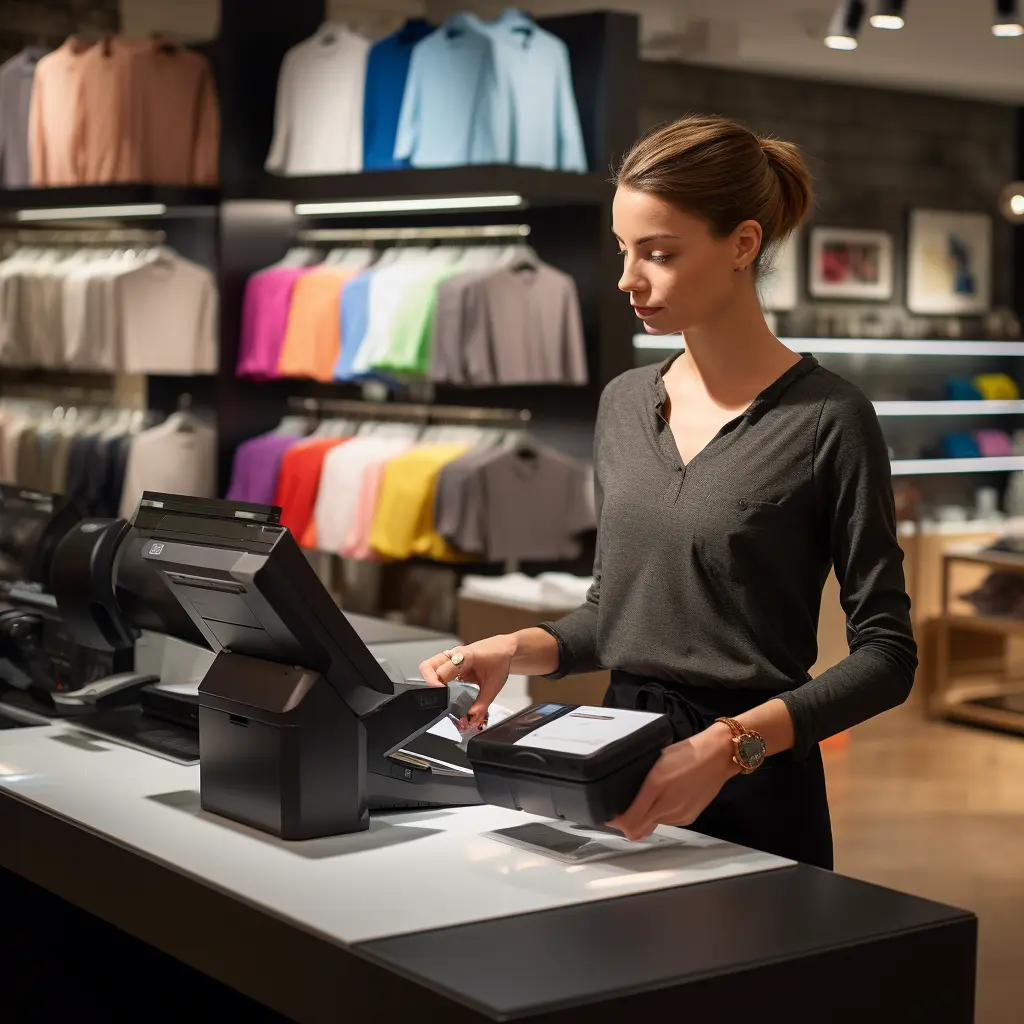
In the ever-evolving landscape of retail, the convergence of technology and consumer behavior has led to significant advancements in how we shop. Among these innovations, the integration of thermal paper with smart payment systems represents a revolutionary breakthrough that enhances the shopping experience for consumers and businesses alike. At StingBullRibbon, we understand the pivotal role thermal paper plays in modern retail, and how it contributes to seamless transactions and customer satisfaction.
The Rise of Smart Payments
Smart payments have transformed the way consumers engage with businesses. Gone are the days of fumbling for cash or waiting in long lines to complete transactions. Today, technologies such as mobile wallets, contactless cards, and digital payment apps streamline the purchasing process, offering unparalleled convenience.
With smart payments, customers can simply tap their devices or cards at checkout, making purchases in seconds. This not only improves the overall shopping experience but also reduces the likelihood of abandoned carts, as consumers appreciate the efficiency of quick transactions. For businesses, adopting smart payment methods means faster sales processing, better inventory management, and improved customer loyalty.
The Role of Thermal Paper in Smart Payments
As integral as the technology behind smart payments, thermal paper plays a vital role in ensuring that these transactions are efficient and reliable. Thermal paper is commonly used for printing receipts, which are essential for both consumer records and business transactions.
Why Choose Thermal Paper?
Speed: Thermal printers deliver instant printouts, which is crucial during busy shopping hours.
Clarity: The prints produced are clear and legible, ensuring that all information is easily readable.
Integration: Thermal paper integrates seamlessly with various point-of-sale (POS) systems, making it a favored choice in retail environments.
For retailers interested in exploring high-quality thermal paper options, our Thermal Paper collection offers a variety of products tailored for smart payment solutions.
Enhancing Customer Experience
In today’s fast-paced retail environment, the customer experience is paramount to the success of any business. With consumers expecting not just quality products but also quick and efficient service, retailers must adapt to meet these rising demands. The speed and convenience of a transaction can significantly impact overall satisfaction, making it essential for businesses to leverage technologies that enhance the shopping journey. Thermal paper plays a pivotal role in achieving this goal, facilitating faster transaction times while enriching the overall shopping experience.

Speed and Efficiency in Transactions
One of the most significant advantages of using thermal paper in retail environments is the speed at which transactions can be completed. Traditional printing methods can be slow and cumbersome, leading to longer wait times at checkout counters. In contrast, thermal printers produce receipts instantly, allowing customers to receive their printed proof of purchase without delay. This immediate service not only reduces queues but also creates a smoother flow in high-traffic areas such as grocery stores, coffee shops, and department stores.
When customers receive their receipts promptly, they can quickly review their purchases. This immediacy enables them to manage their expenses on the spot, whether it’s tracking their spending for budgeting purposes or ensuring accuracy in their transactions. Such efficiency contributes to a more satisfying shopping experience, as customers feel that their time is valued.
Integration of Loyalty Programs
In addition to speeding up transactions, many retailers are leveraging thermal paper to integrate loyalty programs seamlessly into the purchasing process. When customers make a purchase, their loyalty points are often printed directly on the receipt, making it easy for them to see how many points they’ve accumulated with each visit. This simple integration fosters a sense of connection and appreciation among shoppers, enhancing their overall experience.
Retailers that implement these loyalty programs effectively can see substantial benefits. Not only do they encourage repeat business, but they also create a community of engaged customers who feel valued for their patronage. This sense of loyalty is crucial in today’s competitive market, where consumers have countless options at their fingertips.
Consumer Preferences and Trends
Statistics indicate that over 70% of consumers prefer receiving digital or printed receipts that include loyalty points. This preference highlights the demand for efficient systems that not only streamline transactions but also reward customer loyalty in real time. As businesses adapt to these trends, they must consider the importance of integrating technology into their operations.
Moreover, the rise of digital receipts offers additional convenience for tech-savvy consumers. Many retailers now provide the option to receive a digital receipt via email or mobile apps, allowing customers to manage their purchase history more efficiently. This flexibility caters to a diverse range of consumer preferences, ensuring that all shoppers can enjoy a tailored experience.
Creating a Positive Shopping Environment
Ultimately, enhancing customer experience goes beyond just fast transactions and loyalty programs; it’s about creating a positive shopping environment. A retail space that prioritizes efficiency, engagement, and customer satisfaction fosters loyalty and encourages repeat visits. By utilizing thermal paper effectively, retailers can create a seamless connection between the shopping experience and their overall brand promise.
Thermal paper not only facilitates faster transaction times but also enriches the overall customer experience. As retailers continue to evolve in response to consumer demands, embracing technologies that enhance speed, integrate loyalty programs, and prioritize customer satisfaction will be key to thriving in the modern retail landscape. By making these adjustments, businesses can build stronger relationships with their customers, driving long-term success and loyalty.
Sustainability in Smart Payments
As the global conversation surrounding climate change and environmental impact gains momentum, consumers are becoming increasingly environmentally conscious. This shift in mindset is prompting businesses across various sectors, particularly retail, to adopt sustainable practices. In this context, the integration of sustainability within smart payments is not just beneficial—it’s essential. Retailers are now recognizing that eco-friendly solutions can enhance their brand image while meeting the demands of a discerning consumer base.
The Evolution of Thermal Paper
Fortunately, thermal paper has evolved significantly to meet these sustainability expectations. Traditional thermal paper, often coated with harmful chemicals, posed environmental challenges. However, advancements in technology have led to the development of eco-friendly thermal paper options that are both recyclable and biodegradable. These innovative products maintain the efficiency and effectiveness of thermal printing while minimizing the negative impact on the environment.
Eco-friendly thermal paper is manufactured without toxic chemicals like BPA (bisphenol A) and BPS (bisphenol S), which are common in conventional thermal papers. By eliminating these substances, retailers can significantly reduce the environmental risks associated with paper disposal and recycling processes. This commitment to sustainability is increasingly important for businesses looking to enhance their corporate social responsibility and appeal to eco-conscious consumers.
The Business Case for Sustainable Practices

Switching to eco-friendly thermal paper options is not merely an ethical decision; it also makes good business sense. By adopting sustainable practices, retailers can significantly reduce their environmental footprint, which can lead to cost savings in the long run. For instance, many eco-friendly thermal paper products are designed to use fewer resources in their production and disposal, resulting in lower waste management costs.
Moreover, businesses that prioritize sustainability can attract a loyal customer base. A growing number of consumers actively seek out brands that align with their values, particularly regarding environmental responsibility. By making the switch to eco-friendly thermal paper, retailers can appeal to these eco-conscious shoppers, potentially driving higher sales and customer loyalty.
Commitment to Sustainable Solutions at StingBullRibbon
At StingBullRibbon, we are deeply committed to providing sustainable solutions for modern retail. Our Thermal Paper collection includes a range of options that align with the goals of green smart cities. We believe that businesses can thrive while prioritizing environmental responsibility, and we aim to support our clients in making sustainable choices.
By offering eco-friendly thermal paper products, we enable retailers to enhance their operational efficiency without compromising their environmental values. Our thermal paper solutions not only meet the functional needs of businesses but also resonate with consumers who prioritize sustainability in their purchasing decisions.
Towards a Greener Future
As the demand for sustainable practices in retail continues to rise, the integration of eco-friendly thermal paper in smart payment systems will play a crucial role. By embracing these innovative solutions, businesses can contribute to a greener future while enhancing customer satisfaction and loyalty.
Sustainability in smart payments is not just a trend; it’s a vital component of modern retail strategy. Retailers who recognize and respond to the growing demand for eco-friendly practices will not only benefit the environment but will also position themselves as leaders in a rapidly evolving marketplace. By making informed choices about the materials they use, businesses can create a positive impact on their communities and the planet, paving the way for a more sustainable future.
Case Studies: Retail Success Stories
Numerous retailers have successfully integrated thermal paper with smart payment systems, achieving remarkable outcomes that highlight the tangible benefits of this technology. These case studies showcase the effectiveness of thermal paper in enhancing customer experiences, increasing operational efficiency, and fostering brand loyalty.
Supermarket Chain Revamps Checkout Process
A popular supermarket chain recently undertook a significant overhaul of its checkout process by incorporating thermal paper printers at every register. This strategic move aimed to address long lines and reduce wait times during peak shopping hours. By implementing fast and efficient thermal printing technology, the supermarket was able to streamline its operations.
The results were impressive. Checkout times were reduced by an astonishing 30%, allowing customers to complete their purchases more quickly. This improvement not only alleviated congestion in the aisles but also enhanced the overall shopping experience. Customer satisfaction scores soared as shoppers appreciated the faster service. With the integration of thermal paper, the supermarket was able to create a more efficient and pleasant environment, ultimately increasing foot traffic and sales.
Local Coffee Shop Boosts Customer Loyalty
In another notable case, a local coffee shop embraced smart payment solutions, incorporating thermal paper receipts to enhance customer interactions. The coffee shop recognized the importance of speed and convenience in driving repeat business, especially in a competitive market.
By using thermal paper to print receipts, the coffee shop was able to facilitate quick transactions while simultaneously integrating a rewards program. Discounts and loyalty points were printed directly on the receipts, making it easy for customers to see their rewards after each purchase. This innovative approach fostered a sense of appreciation among patrons, encouraging them to return.
The outcome was impressive: the coffee shop experienced a remarkable 25% increase in repeat visits. Customers valued the instant rewards and seamless experience, leading to greater loyalty and a sense of community. By leveraging thermal paper in conjunction with smart payment systems, the coffee shop successfully differentiated itself from competitors and cultivated a loyal customer base.
Key Takeaways from Retail Success Stories
These success stories illustrate the profound impact of integrating thermal paper within smart payment systems. Retailers that prioritize efficiency and customer satisfaction can reap measurable benefits, including:
Enhanced Customer Experience: Faster checkout times and seamless transactions lead to happier customers who are more likely to return.
Increased Operational Efficiency: Streamlined processes reduce bottlenecks at registers, allowing employees to focus on providing excellent service.
Improved Customer Loyalty: Loyalty programs printed directly on receipts create an immediate connection between purchases and rewards, incentivizing repeat visits.
Competitive Advantage: By adopting innovative technologies like thermal paper, retailers can stand out in a crowded market, attracting new customers and retaining existing ones.
Looking Ahead
As more retailers embrace smart payment solutions and recognize the value of thermal paper, we can expect to see continued innovation in the retail sector. The integration of thermal paper not only enhances the shopping experience but also positions businesses for long-term success in an increasingly digital world. These case studies serve as inspiring examples of how leveraging technology can lead to improved customer experiences and operational excellence.
- Future Trends in Smart Payments and Thermal Paper
As technology continues to advance at an unprecedented pace, the future of smart payments and thermal paper is poised for remarkable transformation. Retailers must remain vigilant and adaptable to emerging trends to stay competitive and meet evolving consumer expectations. Here are some key developments on the horizon:
Mobile Payment Integration
The integration of mobile payment solutions is set to dominate the retail landscape in the coming years. With the rise of smartphones and digital wallets, consumers increasingly prefer the convenience of paying through mobile applications. Retailers will need to ensure that their payment systems can seamlessly accept various mobile payment methods, including Apple Pay, Google Wallet, and other digital platforms.
Thermal paper will play a crucial role in this shift. As mobile payments become more prevalent, retailers can utilize thermal paper to provide digital receipts, ensuring that customers receive a physical record of their transactions. This capability not only enhances transparency but also reinforces trust between retailers and consumers. Moreover, integrating mobile payment systems with thermal printers will allow for instant, on-demand printing of receipts, making transactions smoother and more efficient.
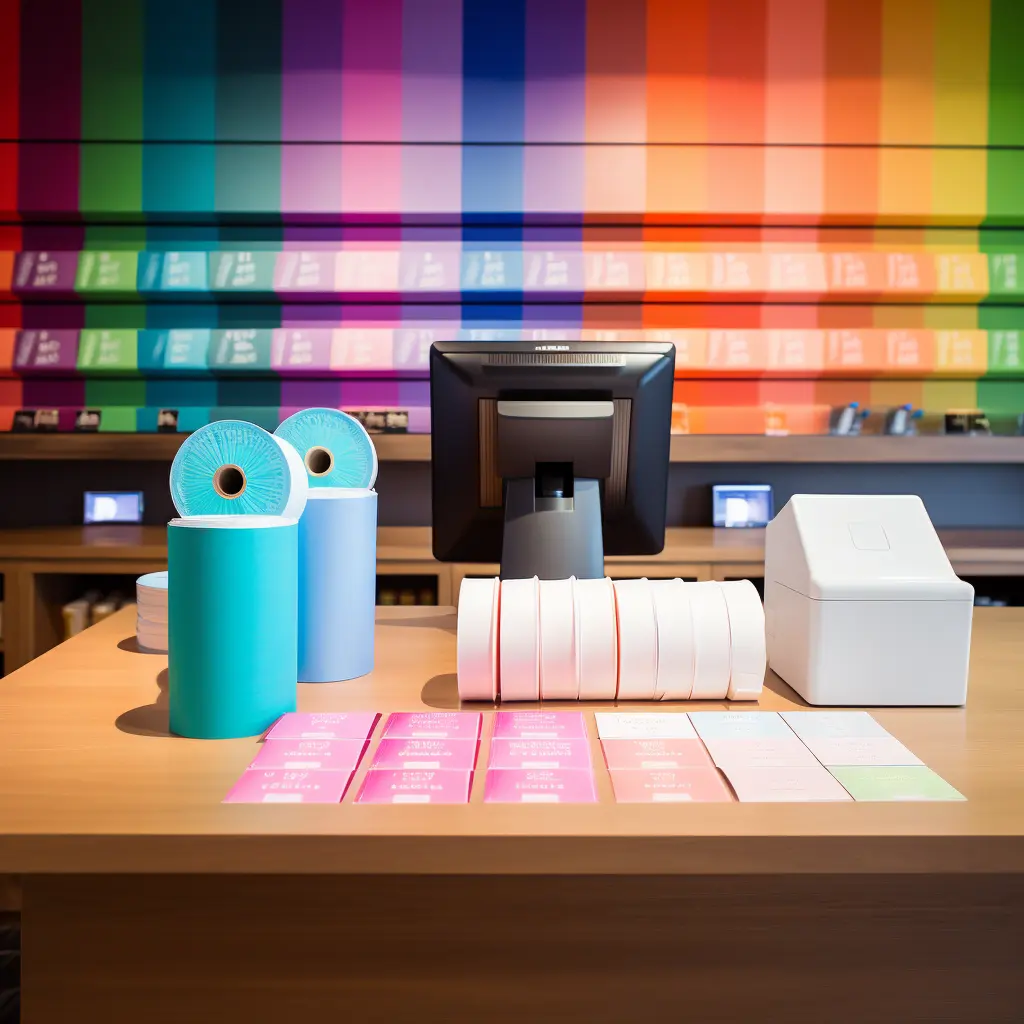
Digital Receipts and Sustainability
As consumers become increasingly environmentally conscious, the demand for digital receipts is on the rise. Retailers are recognizing the value of offering customers the option to receive digital receipts via email or text message, reducing paper waste and supporting sustainability initiatives.
However, thermal paper will still maintain its relevance in this evolving landscape. For customers who prefer physical receipts, businesses can opt for eco-friendly thermal paper that is recyclable and biodegradable. This approach not only meets consumer preferences but also aligns with the growing emphasis on sustainability in retail. By providing options for both digital and paper receipts, retailers can cater to diverse customer needs while minimizing their environmental footprint.
AI-Powered Inventory Management
Artificial intelligence (AI) is revolutionizing inventory management, enabling retailers to optimize their stock levels and improve efficiency. With AI-driven systems, businesses can accurately predict demand, streamline supply chains, and reduce waste. This technology will have significant implications for thermal paper usage as well.
Retailers can leverage AI to analyze sales data and trends, determining the optimal amount of thermal paper needed for various applications, such as receipt printing, labels, and promotional materials. By understanding usage patterns, businesses can reduce excess inventory and ensure they have the right products on hand, leading to cost savings and improved operational efficiency.
The Evolving Role of Thermal Paper
As these technologies advance, the role of thermal paper will evolve alongside them. Retailers who invest in high-quality thermal paper solutions will be well-positioned to adapt to changing consumer demands and technological advancements. Thermal paper will continue to serve as an essential medium for receipt printing, inventory labels, and other applications that require fast and reliable output.
In addition, the development of smart thermal paper technologies will enable retailers to enhance their offerings. For instance, innovations like QR codes printed on thermal receipts can provide customers with access to additional information, promotions, or loyalty program details, further enriching the shopping experience.
Preparing for the Future
The future of smart payments and thermal paper is bright, with numerous opportunities for retailers to innovate and enhance their operations. By staying abreast of emerging trends—such as mobile payment integration, digital receipts, and AI-powered inventory management—businesses can create a more efficient and customer-friendly environment.
As technology continues to reshape the retail landscape, the strategic use of thermal paper will remain integral to successful transactions and operational efficiency. Retailers who proactively adapt to these changes and prioritize sustainability will not only improve customer satisfaction but also position themselves as leaders in an increasingly competitive market. Embracing these trends will ensure that retailers are prepared for the future, ready to meet the demands of modern consumers while fostering a sustainable approach to business.
Conclusion
The intersection of thermal paper and smart payments represents a significant breakthrough in the shopping experience. By enhancing transaction speed, improving customer satisfaction, and supporting sustainability, thermal paper has established itself as an essential component of modern retail.
For businesses looking to elevate their operations, integrating thermal paper solutions into smart payment systems is a crucial step toward achieving greater efficiency and customer loyalty. To explore the diverse options available, visit our Thermal Paper collection and discover how we can support your retail needs.
In this rapidly changing landscape, embracing innovations such as thermal paper in smart payments is not just a choice; it’s a necessity for retailers aiming to thrive in the future of shopping.