
When you think about public transportation, the focus often lands on the convenience of getting from point A to point B. But behind the scenes, the effectiveness and efficiency of these systems rely heavily on the technology that supports them. One such crucial technology is thermal paper, an unsung hero in the realm of public transit. In this article, we’ll explore how thermal paper revolutionizes tickets, passes, and timetables, making our daily commutes smoother and more reliable.
What is Thermal Paper?
Thermal paper is a unique type of paper that changes color when exposed to heat. Unlike traditional printing methods that use ink, thermal printing relies on heat-sensitive paper to produce high-quality prints. This technology is not just efficient but also cost-effective, making it an excellent choice for various applications, including public transportation.
Applications in Public Transportation
Tickets
One of the most visible uses of thermal paper in public transportation is in ticketing systems. Thermal tickets are widely used due to their efficiency, durability, and cost-effectiveness. Here’s a closer look at how thermal paper is transforming ticketing in public transit:
Bus and Train Tickets
Thermal paper is the preferred choice for printing bus and train tickets for several reasons:
Ease of Printing: Thermal printers are incredibly easy to use. They require minimal maintenance and are capable of producing high-quality tickets quickly, making them ideal for busy transit stations.
Durability: Thermal tickets are designed to withstand the daily wear and tear that comes with frequent handling. They are resistant to smudging, tearing, and fading, ensuring that the information remains legible throughout the journey.
Quick Turnaround: During peak hours, speed is crucial. Thermal printers can produce tickets rapidly, reducing wait times for passengers and ensuring a smooth flow of traffic at ticket counters.
Compact and Efficient: Thermal printers are generally more compact than traditional ink printers, making them easier to install and maintain in small or crowded ticketing booths.
Event Tickets

Thermal paper is also extensively used for printing event tickets, such as those for concerts, sports events, and theater performances. The benefits include:
High-Quality Prints: Thermal paper produces sharp, clear prints, which are essential for event tickets that may include detailed graphics, QR codes, or barcodes for scanning.
Reliability: Event tickets often need to be printed in large volumes. Thermal printers can handle high print loads without frequent downtime, ensuring that events can be organized efficiently.
Security Features: Thermal tickets can be customized with various security features like watermarks and holograms, reducing the risk of counterfeiting and ensuring that only authorized attendees gain access.
“The adoption of thermal paper in ticketing has streamlined operations and enhanced the overall travel experience,” says industry expert Jane Doe. By reducing manual intervention and speeding up the ticketing process, thermal paper helps transit authorities manage large crowds more effectively and provides passengers with a more pleasant experience.
For more detailed information about our thermal paper options that cater to ticketing needs, visit our website. Our collection includes a variety of thermal paper products designed to meet the specific demands of public transportation systems, ensuring both quality and reliability.
The integration of thermal paper in ticketing systems across public transportation networks offers numerous advantages, including ease of use, durability, and cost efficiency. As the technology continues to evolve, we can expect even more improvements in ticketing processes, further enhancing the experience for both transit operators and passengers.
Passes
Monthly and annual passes benefit significantly from the use of thermal paper, enhancing both user experience and operational efficiency in public transportation systems. These passes, which grant frequent travelers unlimited access within a certain period, are pivotal for the daily functioning of transit networks. Here’s a deeper look at the benefits and applications of thermal paper in this context:
Durability
Resistance to Environmental Factors: Thermal paper passes are designed to withstand various environmental conditions. Whether it’s rain, heat, or humidity, these passes remain intact and readable.
Long-Lasting Prints: Unlike traditional paper, thermal paper prints do not fade easily. This is particularly important for monthly or annual passes that need to remain legible throughout their validity period.
Daily Wear and Tear: Passes are frequently handled by users and transit staff. Thermal paper is resilient to frequent use, maintaining its quality and readability despite constant handling.
Anti-Fraud Features: Durability also means better security. Thermal paper passes can include features such as watermarks or holograms, which are less likely to degrade over time, reducing the chances of forgery.
Cost-Effectiveness
Lower Printing Costs: Thermal printing eliminates the need for expensive inks and toners, significantly reducing the overall cost of printing. This makes it an economical choice for producing large volumes of passes.
Minimal Maintenance: Thermal printers generally require less maintenance compared to traditional printers. They have fewer moving parts and no need for ink replacement, which translates to lower operational costs and fewer downtimes.
Efficiency in Bulk Printing: Thermal printers can quickly produce large quantities of passes. This speed and efficiency reduce wait times for users, particularly during peak times when many passes need to be issued or renewed.
Reduced Waste: The efficiency of thermal printers also means less paper wastage. Misprints and errors are minimized, contributing to a more sustainable operation.
Enhanced User Experience
Quick Issuance: Passes can be printed and issued almost instantly, reducing wait times for passengers at customer service centers or ticket booths.
User-Friendly: Thermal paper passes are easy to handle, store, and use. Their durable nature ensures that users don’t have to worry about their passes getting damaged easily.
Integration with Digital Systems: Many modern thermal paper passes come with QR codes or barcodes that can be easily scanned. This integration with digital ticketing systems enhances the overall efficiency and user experience.
Operational Efficiency
Streamlined Processes: The quick and reliable printing process of thermal paper allows transit authorities to streamline their pass issuance systems. This means fewer bottlenecks and smoother operations, especially during peak hours.
Inventory Management: Thermal paper rolls are easier to store and manage compared to ink cartridges and traditional paper. This simplifies inventory management and ensures that supplies are always available when needed.
Improved Data Collection: Thermal paper passes with barcodes or QR codes enable better tracking and data collection. This helps transit authorities monitor usage patterns and optimize their services accordingly.
By leveraging the benefits of thermal paper, public transportation systems can improve their service delivery, reduce costs, and provide a better experience for their passengers. For more detailed information on our thermal paper products that are ideal for printing passes, visit our thermal paper collection. Our range includes high-quality options designed to meet the rigorous demands of public transit systems, ensuring reliability and efficiency.
Thermal paper’s durability, cost-effectiveness, and operational benefits make it an ideal choice for printing monthly and annual passes in public transportation systems. By adopting this technology, transit authorities can enhance both their efficiency and the overall passenger experience, making daily commutes smoother and more reliable for everyone.
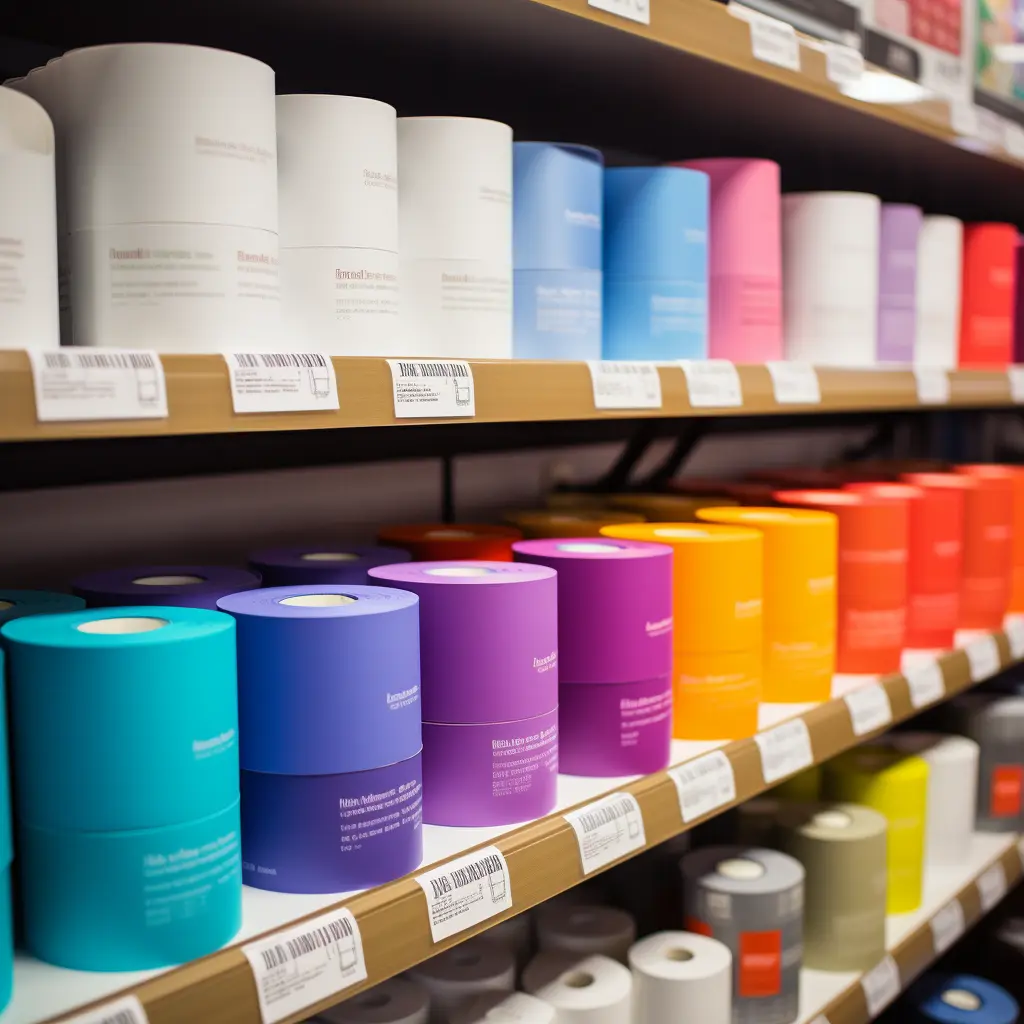
Explore Our Range of Thermal Paper Products Suitable for Passes
When it comes to printing monthly and annual passes, the quality of thermal paper is paramount. Our range of thermal paper products is specifically designed to meet the demands of public transportation systems. These products offer:
Superior Durability: Our thermal paper is engineered to withstand daily wear and tear, ensuring that passes remain legible and intact throughout their usage period.
Cost Efficiency: By reducing the need for ink and minimizing printer maintenance, our thermal paper helps lower operational costs.
Environmental Considerations: We offer eco-friendly thermal paper options that provide the same high performance while being more sustainable.
Discover how our thermal paper can enhance your public transportation system by visiting our thermal paper collection.
Timetables
Timetables and route information are crucial for commuters, providing them with the schedules and routes they need to plan their journeys effectively. Thermal paper is ideal for printing timetables due to its unique properties, which ensure clarity, durability, and longevity.
Readability
High Contrast and Clarity: Thermal paper produces sharp, high-contrast prints that are easy to read, even from a distance. This is essential for passengers who need to quickly glance at schedules to find their routes.
Consistent Quality: Unlike ink-based printing, thermal printing produces consistent quality without smudging or fading. This ensures that all printed timetables are uniform in appearance and legibility.
Immediate Printing: Thermal printers work quickly, enabling the immediate production of updated timetables whenever schedules change. This is particularly useful for maintaining current and accurate information.
Long-Lasting
Environmental Resistance: Timetables are often displayed in public spaces exposed to various environmental conditions. Thermal paper is designed to withstand humidity, temperature changes, and exposure to light, ensuring the timetables remain readable over time.
Durability: Thermal paper does not degrade easily, maintaining its integrity and legibility. This is important for timetables that need to be durable enough to handle frequent use and interaction by commuters.
Weatherproof: For outdoor displays, thermal paper can be paired with protective coverings to further enhance its resistance to rain, wind, and other weather conditions.
Cost-Effectiveness
Reduced Printing Costs: Thermal paper eliminates the need for costly inks and toners, making it a more economical choice for printing large volumes of timetables.
Minimal Maintenance: Thermal printers require less maintenance than traditional printers, reducing downtime and maintenance costs.
Efficient Inventory Management: The simplicity of thermal paper rolls means easier inventory management, ensuring that there is always a ready supply for printing needs.
Operational Efficiency
Quick Updates: Thermal paper allows for the rapid printing of updated timetables, ensuring that commuters always have access to the most current information.
Easy Distribution: The lightweight and flexible nature of thermal paper makes it easy to distribute printed timetables across various locations within the transit system.
Enhanced Information Management: With thermal printing, transportation authorities can easily manage and distribute accurate and up-to-date timetables, improving overall operational efficiency.
By incorporating high-quality thermal paper into the production of timetables, public transportation systems can ensure that commuters have reliable, readable, and long-lasting schedule information. To learn more about how thermal paper can benefit your transit operations, visit our thermal paper collection and explore our range of products designed to meet your specific needs.
Benefits of Thermal Paper in Public Transportation
Thermal paper technology has brought significant advancements to public transportation, providing numerous benefits that enhance operational efficiency and user experience. Below, we explore the key advantages of using thermal paper in transit systems, demonstrating why it is a preferred choice for tickets, passes, and timetables.
Cost-Effectiveness

Thermal paper is notably more affordable compared to traditional printing methods that require ink or toner. This cost efficiency stems from several factors:
Lower Printing Costs: Thermal printers do not require expensive ink cartridges or toner, which significantly reduces the overall printing costs.
Minimal Maintenance: Thermal printers have fewer moving parts than traditional printers, leading to reduced maintenance needs and lower repair costs.
Bulk Purchasing: Thermal paper can be purchased in bulk at discounted rates, further driving down expenses for transit authorities.
Longevity: The durability of thermal paper means that it does not need to be replaced as often, providing long-term cost savings.
Efficiency
Efficiency is paramount in public transportation, where the speed and reliability of services are crucial. Thermal paper and printers enhance operational efficiency through:
Rapid Printing Speeds: Thermal printers can produce tickets, passes, and timetables quickly, reducing wait times for passengers and improving the flow of foot traffic.
Immediate Use: Since thermal printing does not involve drying time for ink, printed materials can be used immediately, which is essential for high-turnover environments like train stations and bus terminals.
Automated Processes: Thermal printers can be integrated with automated ticketing systems, streamlining the issuance process and reducing the need for manual intervention.
Durability
The durability of thermal paper ensures that printed materials remain clear and legible under various conditions, which is vital for public transportation:
Smudge and Fade Resistance: Thermal paper is designed to resist smudging and fading, ensuring that information remains readable throughout the item’s lifespan.
Water Resistance: Thermal paper can withstand exposure to water and humidity, making it ideal for outdoor use and in varying weather conditions.
Physical Robustness: Thermal paper is durable enough to handle frequent handling and rough conditions without degrading, making it perfect for long-term passes and frequently used tickets.
Environmental Impact
Modern advancements in thermal paper technology have led to more sustainable options that reduce environmental impact:
Eco-Friendly Materials: Many thermal paper products are now made from sustainably sourced materials and are designed to be recyclable, aligning with global environmental goals.
Reduced Chemical Use: The latest thermal papers utilize fewer chemicals in their production process, making them safer for the environment.
Energy Efficiency: Thermal printers consume less energy compared to traditional inkjet or laser printers, contributing to lower overall energy use and carbon footprint.
Waste Reduction: By eliminating the need for ink cartridges and toners, thermal printing reduces waste associated with traditional printing supplies.
Visit Our Thermal Paper Collection
For transit authorities looking to leverage these benefits, our thermal paper collection offers a wide range of products tailored to the needs of public transportation systems. From tickets and passes to timetables, our thermal paper solutions provide the cost-effectiveness, efficiency, durability, and environmental friendliness required to enhance public transportation operations.
By choosing high-quality thermal paper, public transportation systems can improve service delivery, enhance passenger satisfaction, and contribute to a more sustainable future. Explore our collection today and discover how our products can meet your specific needs.
Challenges and Considerations
While thermal paper offers numerous advantages for public transportation, it is important to acknowledge and address the challenges and considerations associated with its use. Understanding these challenges can help transit authorities and users make informed decisions and optimize the use of thermal paper in their operations.
Environmental Concerns
Thermal paper has faced scrutiny due to the environmental impact of its production and disposal:
Chemical Coatings: Traditional thermal paper uses Bisphenol A (BPA) or Bisphenol S (BPS) as a developer in the coating, which can have harmful environmental and health effects. Exposure to these chemicals is a concern, and they can potentially leach into the environment when paper is disposed of improperly.
Recycling Challenges: The coating on thermal paper can complicate the recycling process, making it less straightforward compared to regular paper. Specialized recycling methods are required to handle the chemical components, which are not always widely available.
Eco-Friendly Alternatives: To mitigate these concerns, eco-friendly thermal paper options have been developed. These alternatives use safer chemical formulations and are designed to be more easily recyclable. Choosing these environmentally conscious options can help reduce the overall ecological footprint of thermal paper use.

Technological Limitations
Like any technology, thermal paper and printers come with their own set of limitations and potential issues:
Printer Malfunctions: Thermal printers, while generally reliable, can experience malfunctions such as print head failures, overheating, and paper jams. Regular maintenance and proper handling are essential to minimize these issues.
Print Quality Degradation: Over time, the quality of printed text and images on thermal paper can degrade if exposed to high temperatures, direct sunlight, or certain chemicals. Ensuring proper storage and handling can help preserve the print quality.
Compatibility Issues: Not all thermal paper is compatible with every thermal printer. It’s crucial to select the right type of thermal paper that matches the specifications of the printer being used to avoid operational issues and ensure optimal print quality.
Public Perception
The acceptance and perception of thermal paper by the public can influence its effectiveness and overall success:
Awareness and Education: Many users may not be aware of the benefits of thermal paper, including its efficiency and cost-effectiveness. Educating the public about these advantages can foster acceptance and positive perception.
User Experience: The tactile feel and visual quality of thermal paper can differ from traditional paper, which might affect user satisfaction. Ensuring high-quality printouts that are easy to read and handle can enhance the user experience.
Health Concerns: Public concerns about the potential health risks associated with handling thermal paper, particularly those containing BPA or BPS, need to be addressed. Promoting the use of BPA-free and BPS-free thermal paper can help alleviate these concerns and build trust among users.
Addressing the Challenges
To effectively address these challenges, transit authorities and organizations can adopt several strategies:
Sustainable Choices: Opt for eco-friendly thermal paper products that minimize environmental impact and support recycling initiatives. Highlighting these choices can also enhance the organization’s green credentials.
Regular Maintenance: Implement a regular maintenance schedule for thermal printers to reduce the likelihood of malfunctions and ensure consistent print quality. Training staff on proper handling and troubleshooting techniques can also be beneficial.
Public Engagement: Engage with the public through informative campaigns that highlight the benefits and safety of using thermal paper. Providing clear information and addressing any concerns transparently can improve public perception and acceptance.
By proactively addressing these challenges and considerations, the use of thermal paper in public transportation can be optimized, ensuring that it continues to provide the efficiency, cost-effectiveness, and reliability that transit systems and their users rely on. For more information and to explore eco-friendly thermal paper options, visit our thermal paper collection.
Future Trends and Innovations
The future of thermal paper in public transportation is both exciting and promising, with ongoing innovations poised to revolutionize the industry. These advancements are aimed at enhancing the durability, functionality, and sustainability of thermal paper, ensuring it remains a vital component in modern transit systems.
Increased Durability
One of the key areas of focus in thermal paper innovation is enhancing its durability to withstand various environmental conditions:
Extreme Weather Resistance: New formulations of thermal paper are being developed to endure extreme temperatures, from the scorching heat of summer to the freezing cold of winter. This ensures that tickets, passes, and timetables remain legible and intact, regardless of the weather conditions.
Improved Longevity: Advances in thermal paper technology are also extending the lifespan of printed materials. This includes better resistance to UV light, moisture, and mechanical wear and tear, making thermal paper ideal for long-term use in public transportation.
Enhanced Print Quality: Future thermal papers are expected to deliver even sharper and clearer prints, improving the readability of tickets and timetables. This will enhance the overall user experience, making it easier for passengers to access the information they need quickly.
Smart Integration
The integration of thermal paper with digital systems represents a significant leap forward in its functionality and application:
Digital and Paper Synergy: Combining thermal paper with digital technologies, such as QR codes and RFID tags, can offer new functionalities. For example, a thermal ticket could include a QR code that passengers can scan with their smartphones to access real-time updates on train schedules or bus routes.
Automated Systems: Future ticketing systems may use thermal paper in conjunction with automated fare collection systems. This could streamline the process of issuing, validating, and collecting tickets, reducing human error and improving efficiency.
Data Integration: Thermal paper can be integrated with backend systems to provide valuable data insights. For example, thermal ticket printers could be connected to a central database to track passenger volumes and travel patterns, helping transit authorities optimize routes and schedules.
Sustainability and Eco-Friendly Innovations
As environmental concerns become increasingly important, the thermal paper industry is also focusing on sustainable practices and eco-friendly products:
Recyclable Materials: Innovations in thermal paper manufacturing are making it possible to produce fully recyclable thermal paper. This reduces the environmental impact and supports the circular economy.
Reduced Chemical Use: New developments are minimizing the use of harmful chemicals in thermal paper production. BPA-free and BPS-free thermal papers are already available, and future innovations aim to eliminate other potentially harmful substances.
Sustainable Sourcing: Efforts are being made to source raw materials from sustainable and renewable sources. This includes using wood pulp from responsibly managed forests and incorporating recycled materials into the production process.
Innovative Applications
Looking ahead, thermal paper is expected to find new and innovative applications in public transportation:
Dynamic Timetables: Imagine timetables that can be updated dynamically using thermal re-printing technology. This would allow transit authorities to make real-time changes to schedules and routes, providing passengers with the most current information.
Personalized Travel Experience: Thermal paper could be used to create personalized travel documents that cater to individual passenger needs. For example, a thermal ticket could include personalized travel advice or promotions based on the passenger’s travel history and preferences.
Interactive Tickets: Future thermal tickets might incorporate interactive elements, such as touch-sensitive areas that passengers can use to access additional information or services.
The future of thermal paper in public transportation is bright, with continuous innovations enhancing its applications and benefits. By focusing on increased durability, smart integration, sustainability, and innovative applications, thermal paper will continue to play a crucial role in improving the efficiency and reliability of public transportation systems.
Stay updated with the latest advancements in thermal paper technology by exploring our range of products. Embrace the future of thermal paper and discover how these innovations can enhance your public transportation system, providing a better experience for both operators and passengers.
Conclusion
Thermal paper plays a vital role in enhancing the efficiency and reliability of public transportation systems. From tickets and passes to timetables, its benefits are manifold. By understanding and leveraging thermal paper technology, transit authorities can offer a better experience for commuters while also reducing operational costs.
For more information and to explore our thermal paper collection, visit our website and discover how thermal paper can improve your public transportation system today.