

As digital currencies revolutionize the financial landscape, you might wonder what role thermal paper could play in this high-tech world. Surprisingly, thermal paper remains an integral part of digital currency transactions. Let’s explore how this seemingly old-school technology intersects with the cutting edge of digital finance.
The Intersection of Physical and Digital: Why Thermal Paper Still Matters
In the rapidly evolving digital currency ecosystem, thermal paper continues to prove its value. While digital transactions are primarily electronic, there’s still a need for tangible records. Thermal paper provides a reliable, cost-effective solution for printing receipts, transaction records, and QR codes, ensuring that both businesses and customers have a physical backup of their digital dealings.
Current Applications of Thermal Paper in Digital Currency
ATMs and Kiosks
Digital currency ATMs, such as Bitcoin ATMs, are becoming a staple in various urban settings. These machines provide a convenient way for users to convert their digital assets into cash and vice versa. One crucial aspect of these transactions is the need for a tangible receipt, which is where thermal paper comes into play. Thermal paper is used to print transaction receipts, offering users a physical confirmation of their digital transactions. These receipts typically include transaction details, such as the amount converted, the current exchange rate, and a transaction ID for record-keeping purposes.
For those managing or operating these ATMs, it’s important to choose the right thermal paper to ensure clear, durable prints. The thermal paper collection from Stingbull Ribbon provides an array of options perfect for these applications, ensuring high-quality prints that can withstand the test of time and handling.
POS Systems
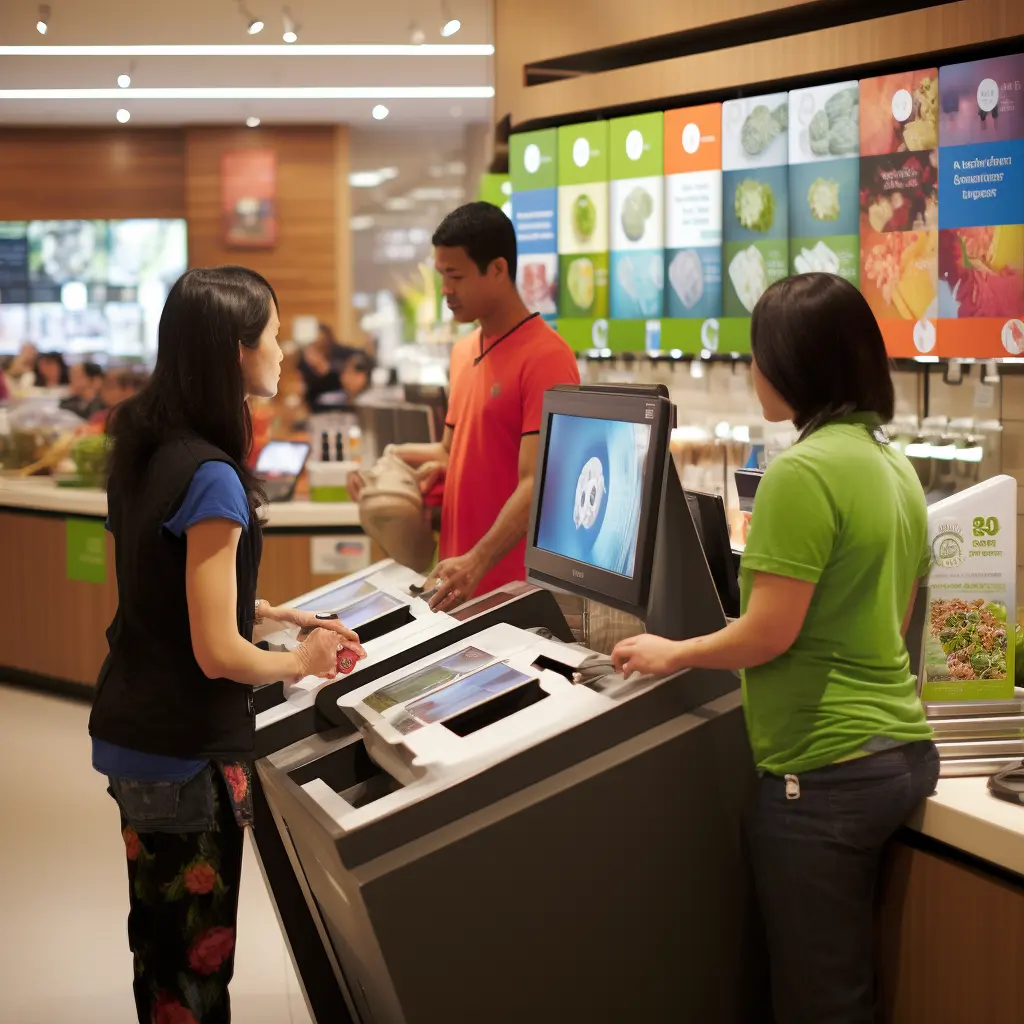
Point-of-sale (POS) systems are rapidly evolving to accept a variety of payment methods, including digital currencies. In retail environments where both traditional and digital currencies are accepted, thermal paper plays a crucial role in maintaining seamless operations. Receipts printed on thermal paper ensure that every purchase, whether paid for in cash, credit, or digital currency, is documented clearly and accurately.
These hybrid transactions require reliable receipt printing to provide proof of purchase and to support returns or exchanges if needed. Thermal paper’s quick printing capabilities and resistance to smudging make it an ideal choice for busy retail settings. By integrating thermal paper into POS systems, businesses can ensure smooth and efficient transaction processes.
Crypto Wallets and QR Codes
In the world of digital currencies, security and accessibility are paramount. Thermal paper is often used to print secure wallet addresses and QR codes, which are essential for facilitating easy and secure digital currency transactions. For instance, when setting up a new digital wallet, users might be given a printed QR code that links directly to their wallet address. This allows for quick and easy transactions by simply scanning the code.
These printed QR codes and wallet addresses are especially useful in scenarios where digital devices might fail or be unavailable. Having a physical copy ensures that users can still access their funds and conduct transactions without relying solely on digital means. This blend of digital and physical security highlights the versatility of thermal paper in the digital currency world.
Enhanced User Experience in Digital Currency
Secure and Durable Receipts
One of the primary benefits of using thermal paper in digital currency transactions is the production of secure and durable receipts. Unlike traditional ink-based printing, thermal printing does not smudge or fade easily, ensuring that transaction details remain legible for a longer period. This durability is crucial for maintaining accurate records, especially in financial transactions where proof of purchase and transaction history are important.
Environmental Considerations
As the world of digital currencies grows, so does the need for sustainable practices. Many thermal papers now come with eco-friendly options, reducing the environmental impact. For those interested in making greener choices, exploring our eco-friendly thermal paper options is a great step towards sustainability.
Future Prospects of Thermal Paper in Digital Currency

Looking ahead, the integration of thermal paper in digital currency systems is expected to evolve further. Innovations such as enhanced security features, like watermarks or holographic elements, can be incorporated into thermal paper to prevent fraud and ensure the authenticity of printed receipts. Additionally, as digital currencies become more mainstream, the demand for high-quality thermal paper will likely increase, driving further advancements in this technology.
Thermal paper continues to play a pivotal role in the evolving landscape of digital currency. Its applications in ATMs, POS systems, and the secure printing of wallet addresses and QR codes demonstrate its versatility and importance. As digital currency adoption grows, so does the need for reliable, durable, and eco-friendly thermal paper solutions. By integrating high-quality thermal paper from Stingbull Ribbon, businesses and users can enhance their transaction processes, ensuring clear documentation and secure transactions every step of the way. Explore our full range of thermal paper products to find the perfect fit for your digital currency needs today.
Challenges and Limitations
While thermal paper plays an integral role in the digital currency world, it’s important to recognize and address its challenges and limitations.
Security Concerns
One of the primary concerns with using thermal paper in digital currency transactions is the potential for security risks. Thermal paper is often used to print sensitive information, such as transaction details, wallet addresses, and QR codes. If this information falls into the wrong hands, it can lead to unauthorized access to digital wallets or financial data breaches. Unlike digital encryption, which offers layers of security, printed information is vulnerable to physical theft or tampering.
To mitigate these risks, it is essential to implement robust security measures. Businesses and individuals can adopt practices such as using secure storage for printed receipts, shredding sensitive documents after use, or integrating additional security features into the thermal paper itself, such as watermarks, microprinting, or even holographic elements. These measures can help protect sensitive data and maintain the integrity of digital currency transactions.
Environmental Impact
Another significant limitation of thermal paper is its environmental impact. Traditional thermal paper often contains chemicals like BPA (Bisphenol A) or BPS (Bisphenol S), which are harmful to the environment and human health. The production process of thermal paper also contributes to deforestation and the carbon footprint, raising concerns for environmentally-conscious consumers and businesses.
However, the industry is evolving to address these issues. Stingbull Ribbon offers a range of eco-friendly thermal paper options that significantly reduce environmental impact. These alternatives are free from harmful chemicals and are often made from sustainably sourced materials, making them a more responsible choice for businesses looking to minimize their ecological footprint.
By choosing eco-friendly thermal paper, companies can align their operations with broader sustainability goals, appeal to environmentally conscious consumers, and contribute to the preservation of the environment. This not only benefits the planet but also enhances the brand’s reputation in a market increasingly focused on sustainability.
Durability and Longevity
Another challenge with thermal paper is its durability and longevity. While thermal paper is resistant to smudging, it is sensitive to heat, light, and environmental factors, which can cause the print to fade over time. This can be problematic for records that need to be kept for extended periods, such as tax documents or long-term transaction records.
To address this, businesses can explore options such as storing thermal receipts in cool, dark places to prolong their lifespan or opting for higher-grade thermal paper designed for long-term durability. Additionally, digital archiving solutions can be used alongside physical receipts to ensure that important information is preserved and accessible when needed.
Cost Considerations
While thermal paper is generally cost-effective, especially for high-volume printing needs, the costs can add up when incorporating eco-friendly options or enhanced security features. Businesses must weigh the benefits of these features against their budgetary constraints. Investing in higher-quality thermal paper may lead to long-term savings by reducing the need for reprints and improving the security and sustainability of their operations.
While thermal paper offers numerous benefits in the digital currency world, it is not without its challenges. Security concerns, environmental impact, durability issues, and cost considerations are all factors that businesses and individuals must navigate. By understanding these limitations and taking proactive steps—such as opting for eco-friendly thermal paper and implementing security measures—users can maximize the benefits of thermal paper while minimizing its drawbacks. As the technology continues to evolve, we can expect further innovations that will address these challenges, making thermal paper an even more reliable and sustainable option for the future.
Innovations and Future Prospects
The integration of thermal paper into the digital currency world is not just a trend but a forward-looking development poised to evolve with technological advancements. As digital currencies continue to gain mainstream acceptance, thermal paper is adapting to meet new demands, ensuring it remains a relevant and valuable tool in this rapidly changing landscape.
Secure Thermal Printing
One of the most exciting innovations in the realm of thermal paper is the development of secure thermal printing technology. As digital currencies handle sensitive financial data, the need for secure and tamper-resistant physical documentation has never been greater. Innovations in secure thermal printing involve embedding security features directly into the paper during the manufacturing process.
These features could include invisible ink that only becomes visible under certain conditions, microtext that is difficult to replicate, and even holographic elements that make it nearly impossible to forge or alter documents. These advancements ensure that thermal paper remains a trusted medium for printing transaction receipts, wallet addresses, and other sensitive data in the digital currency space. By providing an additional layer of security, these innovations protect against fraud and unauthorized access, making thermal paper a more robust solution for the financial sector.
Offline Transactions
In a world increasingly dependent on the internet, there is growing concern about what happens when connectivity is lost. This is where thermal paper could play a pivotal role in enabling offline digital currency transactions. Imagine a scenario where, due to a network outage, digital currency transactions cannot be processed online. Thermal paper could serve as a bridge in such situations by providing a physical medium for recording transactions that can later be synchronized with the blockchain or digital ledger once connectivity is restored.
This concept of offline transactions is particularly valuable in remote areas, disaster situations, or regions with unreliable internet access. Thermal paper’s ability to quickly and reliably print transaction details ensures continuity of service, allowing digital currencies to be more accessible and resilient. This approach could revolutionize how digital currencies are used in various environments, making them more versatile and practical for a broader range of users.
Integration with Blockchain Technology
Looking further ahead, the integration of thermal paper with blockchain technology presents another exciting avenue for innovation. Blockchain, known for its transparency and security, could be used to authenticate thermal paper prints. Each transaction could be recorded on the blockchain, with a corresponding QR code or unique identifier printed on the thermal paper receipt. This would allow anyone with the receipt to verify the transaction’s authenticity directly on the blockchain, creating a seamless link between the physical and digital worlds.
Such an integration could enhance trust and transparency in digital currency transactions, making thermal paper an even more valuable tool in financial systems. It could also open up new possibilities for how thermal paper is used in other industries, such as supply chain management, where tracking and verifying the authenticity of goods is crucial.
Environmental Sustainability
As digital currencies grow, so does the need for environmentally sustainable practices. The future of thermal paper in this space will likely see a continued focus on reducing the environmental impact of printing. Innovations in the production of eco-friendly thermal paper are already underway, with new materials and processes being developed to minimize waste and reduce carbon footprints.
For instance, the use of BPA-free paper, recycled materials, and sustainable forestry practices are just the beginning. In the future, we might see thermal paper made from entirely new materials that are biodegradable or even compostable, further aligning with the values of a green economy. These advancements will make thermal paper an even more attractive option for businesses and consumers who prioritize sustainability.
The future prospects for thermal paper in the digital currency world are bright, fueled by continuous innovations that address current challenges and open up new possibilities. From secure thermal printing and offline transactions to blockchain integration and environmental sustainability, thermal paper is poised to remain a critical component in the evolving financial landscape. As these innovations take hold, we can expect thermal paper to play an even more significant role in facilitating safe, reliable, and sustainable digital currency transactions. Whether you’re looking to enhance the security of your transactions or explore new ways to use digital currencies in diverse environments, the future of thermal paper offers exciting opportunities for growth and innovation.

The Role of Eco-Friendly Thermal Paper in the Digital Economy
As the digital economy expands, so too does the emphasis on sustainability. The environmental impact of business practices is under increasing scrutiny, and this includes the materials used in financial transactions. While digital currency itself is seen as a more sustainable option due to the reduction in physical money production, the supporting infrastructure, including printing materials, must also align with green principles. Eco-friendly thermal paper is emerging as a key player in this sustainable shift, offering a practical solution that meets both ecological and economic needs.
Why Eco-Friendly Thermal Paper Matters
Traditional thermal paper, often used for printing receipts, tickets, and transaction details, has faced criticism due to its environmental footprint. Many traditional thermal papers contain bisphenol A (BPA) or bisphenol S (BPS), chemicals that are harmful to both the environment and human health. These substances can leach into soil and water when paper is disposed of, contributing to pollution and posing risks to wildlife and ecosystems.
Eco-friendly thermal paper, by contrast, is designed to minimize these environmental hazards. These papers are typically BPA-free and made from sustainably sourced materials, ensuring that they are safer for the environment. Additionally, the production processes for eco-friendly thermal paper often involve lower energy consumption and reduced greenhouse gas emissions, making them a more sustainable option from start to finish.
For businesses operating in the digital currency space, the shift to eco-friendly thermal paper represents a commitment to environmental responsibility. By choosing greener options, companies can reduce their carbon footprint, contribute to sustainability goals, and appeal to an increasingly eco-conscious consumer base.
Benefits for Digital Currency Transactions
In the context of digital currency, eco-friendly thermal paper offers several advantages that go beyond environmental concerns. First and foremost, these papers maintain the high level of efficiency and reliability required for digital currency transactions. Whether printing transaction receipts at a cryptocurrency ATM or generating QR codes for wallet addresses, eco-friendly thermal paper provides the same quick and clear output as traditional options, ensuring that business operations remain smooth and customer experiences are positive.
Moreover, eco-friendly thermal paper is often designed to be durable, resistant to fading, and capable of withstanding various environmental conditions. This durability is crucial in digital currency transactions, where printed records may need to be preserved for legal or tax purposes. The use of high-quality, eco-friendly thermal paper ensures that these documents remain legible and intact over time, even when exposed to elements like heat and moisture.
Another significant benefit is the alignment with global sustainability initiatives. As governments and regulatory bodies worldwide push for greener business practices, using eco-friendly materials can help companies stay ahead of regulations and avoid potential penalties. In the rapidly evolving world of digital currencies, where regulation is still catching up with technology, being proactive about sustainability can also enhance a company’s reputation and foster trust among customers and stakeholders.
Meeting Consumer Expectations

Today’s consumers are more environmentally aware than ever before. They expect the businesses they support to reflect their values, particularly when it comes to sustainability. For companies in the digital currency sector, offering eco-friendly thermal paper options is a tangible way to demonstrate a commitment to the environment. This can enhance brand loyalty and attract a broader audience, particularly among younger generations who prioritize ethical consumption.
Eco-friendly thermal paper also plays a role in educating consumers about the importance of sustainable practices. By highlighting the use of green materials in digital currency transactions, businesses can raise awareness and encourage more sustainable behaviors among their customers. This not only contributes to a company’s green credentials but also helps build a more sustainable digital economy overall.
Exploring Our Eco-Friendly Thermal Paper Collection
For businesses looking to make the switch to eco-friendly thermal paper, Stingbull Ribbon offers a comprehensive collection of products tailored to various needs. Our thermal paper collection includes options that are free from harmful chemicals, sourced from sustainable materials, and designed to perform reliably in all types of digital currency transactions. By choosing eco-friendly thermal paper, businesses can ensure they are supporting a sustainable future while maintaining the efficiency and effectiveness required in the fast-paced digital economy.
As the digital economy continues to grow, the role of eco-friendly thermal paper will only become more important. By integrating these sustainable options into their operations, businesses can reduce their environmental impact, meet consumer expectations, and contribute to a greener, more responsible digital future.
Conclusion
Thermal paper may seem like a relic of the past, but it continues to hold significant value in the digital currency world. Its role in providing tangible transaction records, supporting secure printing, and enabling offline transactions underscores its relevance. As the digital currency ecosystem evolves, thermal paper will undoubtedly adapt, offering innovative solutions to meet the demands of this high-tech landscape.
For a comprehensive range of thermal paper products tailored to the needs of digital currency applications, visit Stingbull Ribbon’s thermal paper collection. Discover how thermal paper can enhance your digital currency transactions today.