

As smart cities continue to grow, the need for efficient, reliable, and scalable traffic management solutions becomes ever more critical. One of the unsung heroes of modern traffic systems is thermal paper, which plays a vital role in improving operations, reducing costs, and enhancing overall efficiency in traffic management. From parking ticketing to toll collection and traffic violation notices, thermal paper is helping streamline processes, contributing to a smoother experience for both authorities and the public.
Key Applications of Thermal Paper in Smart Traffic Systems
The Best Choice for Parking Ticketing Systems
Speed and efficiency are crucial in modern parking management, and thermal paper has become the ideal material due to its rapid printing, clear output, and high durability. High-traffic parking lots and smart parking systems handle large transaction volumes daily. Thermal paper not only enables fast printing but also ensures long-term readability of printed information.
For parking operators, thermal paper offers several advantages:
Clear Printing Results: Ensures that vehicle license numbers, parking times, and fees are easily legible, reducing disputes.
Resistance to Harsh Environments: Even when exposed to direct sunlight, rain, or humid conditions, the content on thermal paper remains clear, meeting outdoor usage demands.
Ease of Use: Thermal printers do not require ink cartridges or ribbons, significantly lowering maintenance costs and simplifying device operations.
Our thermal paper products focus on high quality and durability, helping parking lot operators optimize their systems and enhance user experiences.
Efficient Solutions for Toll Collection Receipts
At toll stations, traffic flow efficiency directly impacts overall road performance and driver satisfaction. The widespread use of thermal paper in toll collection systems helps reduce vehicle wait times and improves operational efficiency.
Receipts printed on thermal paper offer the following features:
Fast Printing: Instantly generates clear receipts, ensuring vehicles pass through toll stations as quickly as possible.
Reliability for High-Frequency Usage: Thermal paper’s durability and high print quality support toll stations handling thousands of transactions daily.
Adaptability to Environmental Conditions: Whether in scorching summers or cold, wet winters, thermal paper maintains excellent performance, avoiding issues like fading or damage.
By using our thermal paper in toll stations, operators can significantly enhance traffic throughput while reducing the frequency and cost of equipment maintenance.
Essential Tool for Traffic Violation Notices
In on-site enforcement, traffic violation tickets need to be generated quickly to improve enforcement efficiency and minimize disruptions to traffic flow. With its efficient and clear printing capabilities, thermal paper has become an indispensable part of traffic enforcement.
Violation tickets printed on thermal paper provide the following benefits:
Quick Response: Detailed and clear violation information, including descriptions, fines, and payment methods, can be printed within seconds.
Weather Resistance: Tickets are often placed on vehicle windshields or handed to drivers. Thermal paper’s UV resistance and waterproof properties ensure that the tickets remain intact in harsh weather conditions.
Prevention of Information Misreading: High-resolution printing ensures accurate ticket content, reducing the risk of administrative errors.
By choosing our high-quality thermal paper products, law enforcement agencies can effectively enhance their on-site efficiency and streamline traffic management.
Added Features and Integration with Smart Technologies
Thermal paper is not limited to traditional ticket printing. In smart traffic systems, it integrates with advanced technologies to provide additional functionalities, such as:
QR Codes and Barcodes: Printing QR codes or barcodes on receipts allows quick connectivity to digital systems, enabling online payments, violation record checks, or parking time extensions.
Data Tracking and Analysis: Information on thermal paper receipts can be scanned and stored in databases, providing real-time data to support traffic management and optimize resource allocation.
Thermal paper’s applications have gone beyond simple printing functions. It plays a vital role in advancing efficiency and intelligence across the smart traffic industry. If you are looking for high-quality thermal paper products, our range is designed to meet all your business needs, enhancing system performance and user satisfaction.
Technological Advancements in Thermal Paper for Traffic Systems
The rapid evolution of thermal paper technology has led to significant innovations tailored to meet the demands of modern smart traffic systems. These advancements enhance the functionality of thermal paper while addressing critical needs for sustainability and integration with digital systems. Below are some of the most notable technological breakthroughs in this field.
Durable and Weather-Resistant Thermal Paper
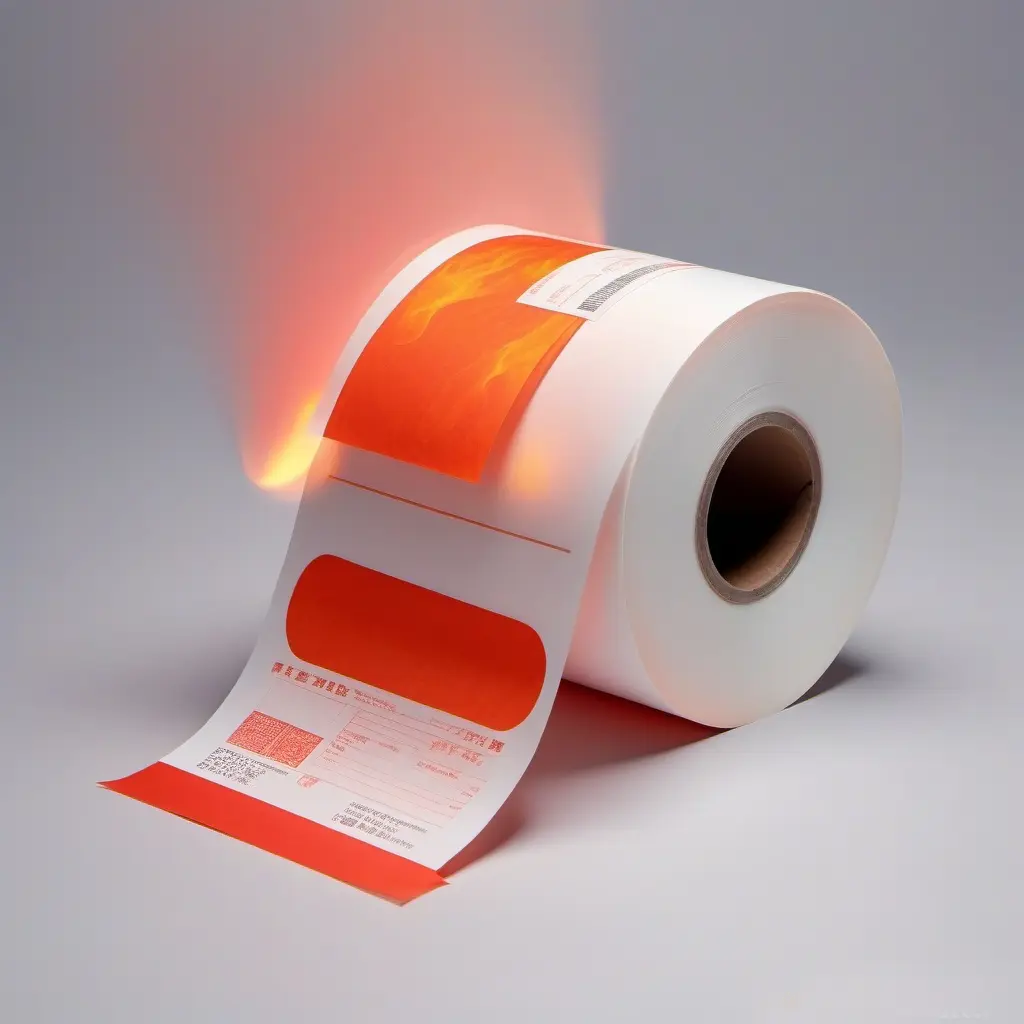
One of the historical challenges of using thermal paper in outdoor traffic systems was its susceptibility to damage from environmental factors such as moisture, heat, and sunlight. Today, advancements in coating technology have resulted in thermal paper that is far more durable and weather-resistant.
Moisture Resistance: Modern thermal paper is designed to withstand exposure to rain or high humidity. This is particularly important for applications like parking tickets or toll receipts, which may be handled or stored outdoors.
UV Protection: Enhanced UV-resistant coatings ensure that printed text remains legible even after prolonged exposure to direct sunlight, a frequent condition at toll booths or open parking lots.
Temperature Tolerance: Thermal paper used in traffic systems now maintains performance across a wide range of temperatures, from scorching heat in summer to freezing winter conditions.
This durability ensures that critical information, such as parking details or toll payment data, remains intact and accessible, reducing disputes and improving operational reliability.
Eco-Friendly Solutions for Sustainability
As the world moves toward more sustainable practices, the thermal paper industry is also adopting greener technologies to reduce environmental impact. The following advancements have made thermal paper a more eco-friendly choice for traffic systems:
Biodegradable and Recyclable Materials: New formulations allow thermal paper to decompose naturally or be recycled, addressing concerns over waste accumulation.
Chemical-Free Coatings: Innovations have replaced traditional chemical coatings, such as BPA, with safer and more environmentally friendly alternatives. These papers not only meet sustainability goals but also comply with regulatory standards in various regions.
Reduced Carbon Footprint: Manufacturers are adopting energy-efficient production processes and sustainable sourcing of raw materials, making thermal paper a greener option for large-scale use in traffic systems.
By switching to eco-friendly thermal paper, traffic authorities can align with global environmental goals while maintaining the high quality needed for daily operations.
Seamless Integration with Digital Systems
In the era of digital transformation, traffic systems are increasingly integrating digital tools and technologies to streamline operations and improve user experiences. Thermal paper plays a crucial role in this transition by bridging the gap between physical and digital interfaces.
Incorporating QR Codes and Barcodes: Thermal paper can now include scannable codes that link directly to digital platforms. For example:
Parking tickets with QR codes can redirect users to payment portals or detailed parking history.
Toll receipts with barcodes enable real-time transaction tracking, reducing errors and speeding up processing.
Data Synchronization: Thermal paper receipts can be seamlessly linked to centralized databases, enabling traffic authorities to track violations, toll payments, or parking entries with greater efficiency.
Enhanced User Interaction: Scannable features allow users to retrieve information quickly using their smartphones, such as payment statuses, traffic fine details, or route recommendations.
This integration ensures that thermal paper remains relevant in increasingly automated and data-driven traffic systems, offering both convenience and efficiency.
Future Potential of Thermal Paper in Traffic Systems
The advancements in thermal paper technology pave the way for even more innovative applications in traffic management. Emerging trends, such as the integration of thermal paper with AI and IoT systems, promise to revolutionize how traffic data is captured, processed, and utilized. From real-time analytics to automated enforcement systems, thermal paper continues to be a vital component in shaping the future of smart cities.
For businesses and authorities seeking cutting-edge thermal paper solutions, our diverse range of products combines durability, sustainability, and digital integration, ensuring they meet the needs of today’s advanced traffic systems.
Benefits of Thermal Paper in Smart Traffic Systems
The implementation of thermal paper in traffic management systems brings a host of advantages that enhance efficiency, reduce costs, and ensure reliability. Below is an in-depth exploration of the key benefits thermal paper offers, showcasing its critical role in modern traffic operations.
Speed and Efficiency
In traffic systems, speed and efficiency are paramount, especially in high-pressure environments like toll booths, parking lots, and traffic enforcement zones. Thermal paper provides unparalleled printing speed, allowing transactions to be completed in seconds.
Rapid Printing: Unlike traditional printers, thermal printers can produce clear and accurate prints almost instantly. This reduces wait times for drivers, particularly in toll collection, where delays can lead to congestion.
Streamlined Ticketing: Parking enforcement officers and traffic police can issue tickets on-site within moments, minimizing the time spent on individual incidents. This efficiency helps maintain smooth traffic flow and enables personnel to address more cases in less time.
High-Volume Capability: Thermal printing systems are designed to handle large volumes of transactions without compromising on quality, making them ideal for urban areas with high traffic density.
Cost-Effectiveness
Thermal printing is a cost-efficient solution for traffic systems, helping authorities save on operational expenses while maintaining high standards of service.
No Need for Ink or Ribbons: Thermal printers operate without ink cartridges or ribbons, eliminating the recurring costs associated with these supplies. This is particularly advantageous for systems that require continuous printing, such as toll booths and parking ticket machines.
Low Maintenance Requirements: With fewer moving parts and consumables, thermal printers require minimal maintenance, reducing downtime and repair costs.
Energy Efficiency: Modern thermal printers are designed to consume less energy compared to traditional printers, making them a more sustainable and budget-friendly option for large-scale operations.
Reliability
Thermal paper offers exceptional reliability, ensuring that prints remain legible and intact even under challenging conditions.
Weather Resistance: Whether exposed to rain, extreme heat, or sunlight, thermal paper maintains its integrity, making it ideal for outdoor applications like parking tickets and toll receipts.
Fade-Resistant Prints: Thermal paper is designed to resist fading, ensuring that critical information such as payment details or violation notices remains readable for extended periods.
Consistent Performance: Thermal printers deliver uniform print quality, eliminating issues like smudging or uneven text that can occur with other printing methods.
Data Accuracy
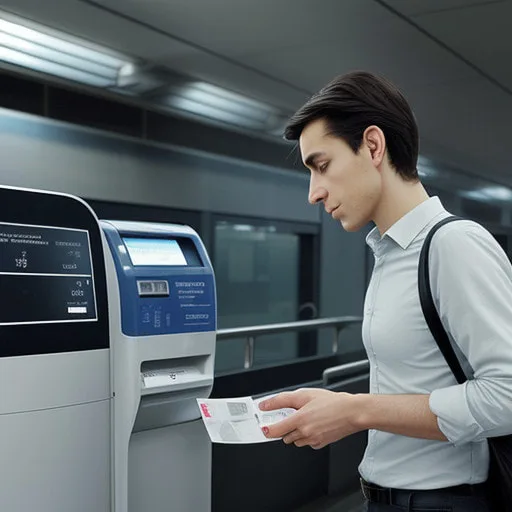
Accurate and legible data is crucial for traffic systems to function effectively, and thermal paper ensures that every print is clear and precise.
High-Resolution Printing: Thermal printers produce high-resolution prints, ensuring that text, barcodes, and QR codes are sharp and easy to read. This reduces the likelihood of misinterpretation or errors in processing.
Error Reduction: Clear, accurate prints minimize the risk of disputes over traffic fines, toll payments, or parking violations, leading to smoother operations and improved trust between authorities and the public.
Improved Record-Keeping: By providing consistent and reliable documentation, thermal paper aids in maintaining accurate records, which are essential for audits, enforcement, and future planning.
Enhanced User Experience
In addition to operational benefits, thermal paper contributes to a better user experience for drivers and commuters.
Fast and Hassle-Free Transactions: The quick printing capabilities of thermal systems mean less waiting time for users, creating a more positive interaction with traffic services.
Easy Handling and Storage: Thermal paper is lightweight and easy to store, allowing users to keep receipts or tickets without worry about damage or fading.
The combined benefits of speed, cost-effectiveness, reliability, and data accuracy make thermal paper an indispensable component of smart traffic systems. Its ability to enhance operations while reducing costs and ensuring user satisfaction underscores its vital role in modern traffic management solutions. As cities continue to adopt smarter and more efficient traffic systems, thermal paper remains a key enabler of progress.
Real-World Examples
Thermal paper has proven to be a game-changer in the operations of modern traffic systems, with many cities and organizations leveraging its benefits to achieve better efficiency and user satisfaction. These examples illustrate how thermal paper is making a tangible impact in various traffic management scenarios.
Parking Ticketing Systems in Metropolitan Areas
In busy metropolitan cities, parking management is a critical challenge. Thermal paper has become a standard in parking ticketing systems, allowing for quick issuance of tickets without compromising on clarity or durability. For instance, cities like New York and Tokyo have implemented thermal printing technology in their parking enforcement operations. These systems issue tickets within seconds, significantly reducing queues and ensuring that drivers can resume their activities without unnecessary delays.
Additionally, parking operators report that thermal paper’s resistance to environmental factors such as rain and sunlight ensures that tickets remain legible, even if left exposed on windshields for extended periods. This reliability has minimized disputes related to illegible or damaged tickets, further improving operational efficiency.
Toll Collection Success Stories
Thermal paper plays a pivotal role in toll collection systems around the world. High-traffic toll plazas, such as those on highways in Europe and North America, rely on the speed and reliability of thermal printing to manage the flow of vehicles efficiently.
For example, the toll systems on Germany’s autobahns have adopted thermal printers to generate receipts quickly. This technology ensures smooth traffic flow, as commuters can move through toll booths without delays caused by slow or unreliable printing methods. Moreover, thermal paper’s durability prevents the information on toll receipts from fading, enabling commuters to retain their records for future reference or reimbursement purposes.
Traffic Violation Enforcement
Thermal paper has revolutionized the issuance of traffic violation notices. Traffic enforcement agencies in cities like London and Singapore have adopted handheld thermal printers for on-the-spot ticketing. This technology allows officers to issue clear, precise, and durable tickets directly at the scene of an infraction.
The durability of thermal paper ensures that violation notices remain intact, even in adverse weather conditions. Agencies report fewer administrative errors and disputes, as the legibility of thermal-printed tickets reduces misunderstandings and ensures accurate documentation of offenses. This streamlined process has enhanced compliance and improved overall law enforcement efficiency.
Challenges and Future Trends
Despite its many advantages, thermal paper does come with challenges that need to be addressed for its continued success in smart traffic systems. Simultaneously, ongoing advancements present exciting opportunities for the future.
Recyclability Concerns
One of the primary challenges with thermal paper lies in its recyclability. The chemical coating used to enable heat-based printing can complicate the recycling process. As a result, a significant portion of thermal paper waste may end up in landfills, raising environmental concerns. However, manufacturers are increasingly developing eco-friendly alternatives that reduce or eliminate these issues. By adopting biodegradable and recyclable thermal paper options, traffic systems can mitigate their environmental impact without compromising on performance.

Advancements in Compostable Thermal Paper
The push for sustainable solutions is driving the development of compostable thermal paper. Unlike traditional thermal paper, compostable options are designed to break down naturally without leaving harmful residues. These papers offer the same level of durability and print quality, making them a viable alternative for traffic applications. In the future, compostable thermal paper could become a standard choice, aligning with global efforts to reduce environmental harm.
Integration with AI and IoT
The integration of thermal paper with artificial intelligence (AI) and the Internet of Things (IoT) represents a transformative trend in traffic systems. By embedding QR codes, barcodes, or NFC tags on thermal-printed materials, authorities can link physical tickets or receipts to digital databases. This allows for seamless tracking, real-time updates, and enhanced data management.
For example, IoT-enabled toll collection systems could automatically sync printed receipts with commuter accounts, enabling quick and accurate payment reconciliation. Similarly, AI-powered traffic enforcement systems could analyze violation patterns using data from thermal-printed tickets, aiding in proactive traffic management and resource allocation.
Real-Time Monitoring and Data Analysis
Thermal paper can also play a role in improving real-time monitoring and data analysis. For instance, toll collection systems equipped with thermal printers and IoT sensors can gather insights into peak traffic hours, vehicle types, and payment methods. This data can then be analyzed to optimize toll operations and enhance commuter experiences.
Real-world applications and ongoing technological advancements highlight the indispensable role of thermal paper in smart traffic systems. By addressing challenges such as recyclability and embracing innovations like compostable materials and AI integration, the industry is poised for even greater progress. Thermal paper continues to drive efficiency, sustainability, and innovation in traffic management, ensuring a brighter and more organized future for urban mobility.
Conclusion
Thermal paper is playing a key role in enhancing the efficiency, sustainability, and effectiveness of smart traffic systems. From parking ticketing and toll collection to traffic violation notices, thermal paper provides a cost-effective, reliable, and eco-friendly solution for the challenges faced by modern traffic management.
If you’re looking to upgrade your traffic system with high-quality thermal paper, explore our thermal paper collection for products that meet your needs. With continued advancements and innovations, the future of thermal paper in smart traffic systems looks brighter than ever.