
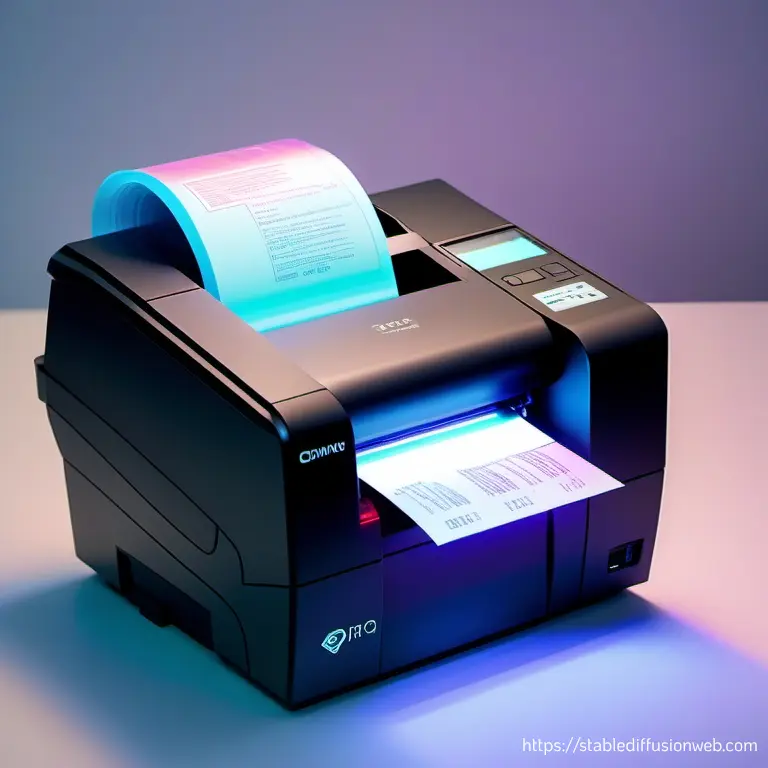
In the fast-paced world of travel, efficiency and convenience are paramount. As technology continues to advance, smart ticketing systems have emerged as a game-changer, transforming the way we experience travel. At the heart of these innovations is an often-overlooked hero: thermal paper. Let’s dive into how this unassuming material is revolutionizing the travel experience and why it remains indispensable in smart ticketing.
The Role of Thermal Paper in Smart Ticketing
Thermal paper is a special kind of paper that changes color when exposed to heat. This technology is integral to modern ticketing systems due to its simplicity and effectiveness. Thermal paper’s unique properties make it an ideal choice for various ticketing applications, from airline boarding passes to public transit tickets.
Why Thermal Paper?
Thermal paper has become a cornerstone in smart ticketing systems due to its unique attributes. Here’s a closer look at why this material is so highly regarded:
Durability
Thermal paper is renowned for its impressive durability, which is essential for travel tickets. Here’s how it stands up to the challenges of various environments:
Resistance to Environmental Factors: Thermal paper is designed to withstand exposure to water, sunlight, and varying temperatures. This makes it particularly useful for travel tickets that may encounter different weather conditions or be handled frequently.
Long-Lasting Legibility: The resistance to environmental factors ensures that the printed information on thermal paper remains clear and legible for the duration of its use. Passengers can rely on their tickets being readable, whether they’re kept in a wallet, exposed to sunlight, or subjected to rain.
Enhanced Ticket Security: The durability of thermal paper also plays a role in security. Withstanding various conditions means that the tickets are less likely to deteriorate, which helps prevent issues related to damaged or unreadable tickets.
Cost-Effectiveness
Thermal paper stands out as a cost-effective choice for travel ticketing, offering significant financial benefits:
Affordable Material: One of the main advantages of thermal paper is its low cost compared to other materials used for ticketing. This affordability makes it a popular choice for both high-volume and budget-conscious operations.
Operational Savings: By choosing thermal paper, travel providers can reduce their overall ticketing costs. The lower expense per ticket contributes to substantial savings over time, particularly for large-scale operations.
Economic Efficiency: Thermal paper’s cost-effectiveness extends to operational efficiency as well. Its affordability allows travel providers to allocate resources to other areas of their business, enhancing overall operational efficiency.
Ease of Use
Thermal paper’s compatibility and simplicity make it an ideal choice for seamless integration into existing ticketing systems:
Wide Compatibility: Thermal printers, which are used to print on thermal paper, are widely available and compatible with numerous ticketing systems. This makes it easy for travel providers to adopt thermal paper without needing extensive modifications to their existing infrastructure.
User-Friendly Printing: The process of printing on thermal paper is straightforward and requires minimal maintenance. This ease of use contributes to the smooth operation of ticketing systems and reduces the need for specialized training or complex setups.
Streamlined Integration: Integrating thermal paper into existing systems is hassle-free. The simplicity of both the material and the printing process helps facilitate a smooth transition for travel providers looking to enhance their ticketing solutions.
Thermal paper’s durability, cost-effectiveness, and ease of use make it an indispensable component in smart ticketing systems. Its ability to withstand environmental challenges, coupled with its affordability and compatibility with existing technology, ensures that it remains a preferred choice for travel tickets.
Benefits of Thermal Paper in Smart Ticketing
Durability and Reliability
In the realm of travel ticketing, durability is paramount. Thermal paper excels in this area, providing several key benefits:
Resilience to Physical Wear: Travel tickets are often handled multiple times, folded, or even accidentally damaged. Thermal paper is designed to endure physical stress, ensuring that tickets remain intact and functional despite frequent handling.
Resistance to Environmental Conditions: Thermal paper’s ability to resist water, sunlight, and varying temperatures is crucial. Whether a ticket is exposed to rain, left in direct sunlight, or subjected to different climates, it maintains its legibility and functionality. This reliability is essential for a smooth travel experience.
Consistent Performance: The durability of thermal paper ensures that printed information remains clear throughout the ticket’s use. This consistency prevents issues related to unreadable tickets, which can cause delays and frustration for both passengers and operators.
Cost-Effectiveness

Thermal paper offers significant financial advantages, making it a compelling choice for travel providers:
Low Material Costs: Compared to other ticketing materials, thermal paper is significantly more affordable. This cost-effectiveness is particularly beneficial for high-volume ticketing operations, where savings on materials can add up substantially.
Reduction in Operational Costs: The affordability of thermal paper extends to operational savings. By using thermal paper, travel providers can lower their overall ticketing expenses, freeing up resources for other operational needs.
Economic Efficiency: The low cost of thermal paper allows travel companies to provide high-quality ticketing solutions without compromising on budget. This economic efficiency contributes to a more sustainable and financially sound ticketing operation.
Ease of Integration
Integrating thermal paper into existing ticketing systems is straightforward and practical:
Wide Compatibility with Thermal Printers: Thermal printers are widely available and compatible with a range of ticketing systems. This broad compatibility ensures that travel providers can easily adopt thermal paper without needing extensive modifications to their current infrastructure.
Simple Printing Process: The process of printing on thermal paper is user-friendly and requires minimal maintenance. This simplicity reduces the need for specialized training and ensures smooth operation within existing ticketing frameworks.
Seamless Implementation: The ease of integrating thermal paper into established systems contributes to a hassle-free upgrade. Travel providers can enhance their ticketing solutions efficiently, maintaining high standards of service without significant disruption to their operations.
The benefits of thermal paper in smart ticketing are clear. Its durability and reliability ensure that tickets withstand various conditions, while its cost-effectiveness provides financial advantages. Additionally, the ease of integration makes thermal paper a practical and efficient choice for modern ticketing systems.
Innovations in Thermal Paper for Travel Tickets
Enhanced Security Features
As the demand for secure and reliable ticketing solutions grows, advancements in thermal paper technology are addressing these needs with cutting-edge security features:
Security Codes: Modern thermal tickets often include unique security codes, such as barcodes or QR codes, which are printed directly on the ticket. These codes serve multiple purposes:
Fraud Prevention: Each code is unique to the ticket, making it difficult for counterfeiters to duplicate or forge tickets. This helps protect the integrity of ticketing systems and reduces the risk of fraud.
Authentication: Security codes can be scanned and verified at checkpoints, ensuring that only valid tickets are accepted. This process helps streamline operations and enhances security at various travel points.
Holograms: To further combat counterfeiting, many thermal tickets now feature embedded holograms. These holograms provide:
Visual Verification: Holograms are difficult to replicate and often include intricate designs or patterns that are visible only when viewed from certain angles. This makes it easier to visually confirm the authenticity of a ticket.
Tamper Evidence: Some holograms are designed to show visible signs if tampered with, adding an additional layer of protection. This feature helps identify any attempts at altering or falsifying tickets.
Eco-Friendly Options
In response to growing environmental concerns, innovations in thermal paper are focusing on sustainability:
Biodegradable Paper: The development of biodegradable thermal paper aims to address the environmental impact of ticket disposal. Key aspects include:
Decomposition: Biodegradable thermal paper is designed to break down more quickly in natural environments, reducing the volume of waste that ends up in landfills.
Environmental Benefits: By using materials that decompose more readily, the environmental footprint of ticketing operations is minimized, contributing to a more sustainable approach to paper use.
Recyclable Materials: Advances in thermal paper formulations are making it easier to recycle used tickets:
Recycling Processes: New types of thermal paper are designed to be compatible with recycling systems, allowing for the efficient processing and reuse of paper fibers.
Circular Economy: By incorporating recyclable materials, the lifecycle of thermal paper is extended, promoting a circular economy where materials are continuously reused and repurposed. This helps reduce waste and supports sustainable practices.
The innovations in thermal paper for travel tickets reflect a growing emphasis on security and sustainability. Enhanced security features such as unique codes and holograms protect against fraud and counterfeiting, while eco-friendly options like biodegradable and recyclable papers address environmental concerns. These advancements ensure that thermal paper remains a vital component of modern ticketing systems, offering both enhanced security and reduced environmental impact.
Future Enhancements in Thermal Paper for Travel Tickets
As technology and environmental awareness continue to advance, the future of thermal paper in travel tickets is poised for significant enhancements. Here’s a look at the exciting developments on the horizon:
Integration with Digital Systems
The integration of digital elements into thermal tickets represents a major leap forward, combining traditional paper with cutting-edge technology to enhance functionality and user experience:
QR Codes: Thermal tickets are increasingly incorporating QR codes, which offer several benefits:
Easy Access: QR codes can be scanned with smartphones or dedicated scanners, providing quick access to ticket information and services.
Enhanced Functionality: These codes can link to digital boarding passes, travel itineraries, or even personalized offers and updates, making the travel experience more seamless and interactive.
NFC Technology: Near Field Communication (NFC) technology is being integrated into thermal tickets to enable contactless interactions:
Contactless Check-In: NFC-enabled tickets can be tapped against readers for quick and convenient check-ins, reducing wait times and streamlining the boarding process.
Interactive Features: NFC technology can also provide additional functionalities, such as instant access to real-time updates or interactive travel guides, enhancing the overall passenger experience.
Greener Alternatives
The push towards environmental sustainability is driving the development of greener alternatives in thermal paper, focusing on reducing the ecological footprint of ticketing systems:
Advancements in Biodegradable Materials: The next generation of biodegradable thermal paper aims to improve decomposition rates and reduce environmental impact:
Enhanced Biodegradability: New formulations are being developed to ensure that thermal paper breaks down more efficiently in various environments, minimizing waste and supporting eco-friendly practices.
Lower Carbon Footprint: Innovations in biodegradable paper also focus on reducing the carbon footprint associated with production and disposal, contributing to a more sustainable lifecycle.
Innovative Recycling Solutions: Efforts are underway to make thermal paper more recyclable, further supporting sustainability goals:
Improved Recycling Processes: Advances in recycling technology are making it easier to process thermal paper and recover valuable materials, which can be reused in new products.
Circular Economy Integration: By integrating thermal paper into circular economy practices, where materials are continuously recycled and reused, the environmental impact of ticketing systems is significantly reduced.
The future of thermal paper in travel tickets is characterized by advancements that enhance both functionality and sustainability. The integration of digital systems, such as QR codes and NFC technology, promises a more efficient and interactive travel experience. Meanwhile, the development of greener alternatives in biodegradable and recyclable thermal paper reflects a commitment to reducing environmental impact. These future enhancements ensure that thermal paper continues to evolve, meeting the demands of modern travel while supporting eco-friendly practices.

Case Studies and Examples of Thermal Paper in Smart Ticketing
Airlines
Thermal paper plays a crucial role in the airline industry, particularly in the issuance of boarding passes and luggage tags. Here’s how it benefits airlines and passengers alike:
Boarding Passes: Major airlines utilize thermal paper for boarding passes due to its durability and readability. Thermal paper’s resistance to environmental factors like moisture and sunlight ensures that boarding passes remain legible throughout the travel process. This durability is particularly important in busy airports where tickets are handled multiple times and exposed to various conditions.
Luggage Tags: For luggage tags, thermal paper’s strength and resistance to wear and tear make it an ideal choice. Tags often endure rough handling, from check-in counters to baggage carousels. Thermal paper’s ability to withstand these conditions helps ensure that luggage tags remain intact and the information on them remains readable, aiding in the efficient handling and tracking of luggage.
Cost-Effectiveness: Thermal paper’s affordability is a significant advantage for airlines operating at scale. By using thermal paper, airlines can reduce their ticketing and labeling costs without compromising on quality or functionality. This cost-efficiency supports the overall financial health of airline operations while maintaining a high standard of service.
Public Transit Systems
In public transit systems, thermal paper is extensively used for bus and train ticketing. Here’s how its properties benefit transit services:
Ticketing: Bus and train operators rely on thermal paper for issuing tickets due to its resistance to physical and environmental stress. Transit tickets often go through a lot of handling, including being folded or crumpled. Thermal paper’s durability ensures that tickets remain functional and legible despite frequent use and various handling conditions.
High-Volume Operations: Public transit systems handle a high volume of passengers daily, making efficient ticketing solutions crucial. Thermal paper’s cost-effectiveness and reliability make it well-suited for such high-volume operations. Its ability to perform well under frequent use and varying conditions helps maintain smooth and efficient ticketing processes.
Durability: Thermal paper’s resistance to wear and tear is essential for the longevity of transit tickets. This durability minimizes the need for reprints and replacements, contributing to operational efficiency and reducing costs associated with ticketing.
Event Ticketing
Thermal paper is also a popular choice for event ticketing, offering a reliable solution for managing access to various events:
Event Passes: For concerts, sports events, and other large gatherings, thermal paper provides a dependable means of issuing event passes. Its ability to withstand handling and environmental conditions ensures that tickets remain intact from purchase to entry.
Cost-Effective Management: Event organizers benefit from thermal paper’s affordability, which helps keep ticketing costs in check while ensuring a high-quality product. This cost-effectiveness is particularly advantageous for events with large audiences, where managing ticket costs efficiently is crucial.
Security Features: Modern thermal tickets for events often include enhanced security features, such as unique codes or holograms, to prevent fraud and ensure that only valid tickets are accepted. These features contribute to a smooth and secure entry process, enhancing the overall event experience for attendees.
Thermal paper’s durability, cost-effectiveness, and suitability for high-volume operations make it an ideal choice for various ticketing applications. From airlines to public transit and event ticketing, thermal paper ensures reliable performance and efficient management, contributing to a seamless and enjoyable experience for both operators and passengers.
Conclusion
Thermal paper continues to play a pivotal role in the evolution of smart ticketing systems. Its durability, affordability, and ease of integration make it an essential component in enhancing the travel experience. As technology and sustainability practices advance, thermal paper will adapt to meet the needs of modern travel.
For those interested in exploring our range of thermal paper products, visit our thermal paper collection. Embrace the future of travel ticketing with solutions that blend efficiency, cost-effectiveness, and innovation.