
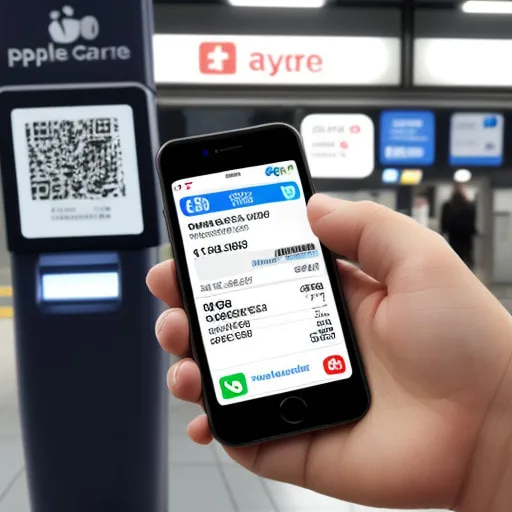
Digital identity verification has become a cornerstone in today’s rapidly advancing digital landscape. From online banking to healthcare, every industry increasingly depends on secure verification processes to protect sensitive data and minimize fraud. In this article, we explore how thermal paper—a trusted material for secure documentation—integrates into the world of digital identity verification to deliver robust and reliable security solutions. This dynamic pairing enhances authentication measures across industries, providing added layers of safety and resilience.
The Importance of Digital Identity Verification
In today’s digital world, where data breaches and cyber threats are on the rise, digital identity verification has become a vital safeguard across many industries. Organizations in sectors like finance, retail, and healthcare rely heavily on robust identity verification systems to confirm that individuals are indeed who they claim to be. This ensures secure customer interactions, helps prevent fraud, and enhances data privacy. Here’s a closer look at why digital identity verification is critical and how it works in various sectors.
Securing Financial Transactions
In the financial industry, where sensitive data is frequently exchanged, identity verification is fundamental for ensuring secure transactions. Banks, credit card companies, and other financial institutions utilize identity verification to protect customers from fraud, prevent unauthorized access, and comply with regulatory requirements. This is especially crucial for online banking services, where customers access their accounts from various devices, making it essential to confirm each user’s identity at every interaction.
Enhancing Data Privacy in Healthcare
Healthcare organizations handle an abundance of sensitive personal information, making identity verification vital for protecting patient privacy. Hospitals, clinics, and other healthcare facilities use digital verification to confirm patient identities, ensuring that only authorized personnel access confidential medical records. This not only prevents unauthorized access but also promotes trust, as patients feel safer knowing their data is secure.
Preventing Fraud in Retail and E-commerce
Retailers, especially e-commerce platforms, increasingly face fraud risks. From identity theft to payment fraud, these threats can compromise both customer data and business operations. Implementing digital identity verification in retail helps confirm the legitimacy of each transaction, safeguarding both the retailer and the consumer. Digital verification processes, such as multi-factor authentication, can deter unauthorized users and protect customer data.
The Need for Physical Documentation in Digital Verification
While digital solutions are advanced, they are not without limitations. Technical issues, system downtime, and data breaches can disrupt digital verification processes, making it essential to maintain a reliable backup. Physical documentation serves as this backup, allowing organizations to continue verifying identities in the event of digital failures. Physical copies also offer customers a sense of security, as they can retain a tangible record of their verification or transaction. This is where thermal paper plays a unique and crucial role.
Thermal Paper’s Role in Security Applications
Thermal paper has proven to be a dependable tool across industries requiring secure and durable printing solutions. Known for its unique, non-erasable properties, thermal paper is used to print critical information that must remain legible over time. Let’s explore how thermal paper contributes to security in various applications.
Durable and Tamper-Proof Documentation
Thermal paper is highly valued for its durability. Once printed, the information cannot be altered or erased, making it ideal for documentation that needs to withstand handling and environmental factors. The use of thermal paper for secure printing ensures that important information, such as receipts, passes, and tickets, remains intact and accessible. This is especially beneficial in settings where the printed document serves as a verification or proof of identity.
Applications in Retail and Banking
In retail, thermal paper is widely used to issue transaction receipts that detail purchase information. These receipts are not just proofs of purchase; they also serve as security measures, recording transaction specifics that can help verify a customer’s identity in cases of fraud or dispute. In the banking sector, thermal paper is used for printing sensitive financial information, such as deposit receipts, withdrawal slips, and transaction summaries. The non-fading nature of thermal paper ensures that this information remains readable, supporting accurate records for financial transactions.
Event Ticketing and Public Transportation
Event ticketing and public transportation are industries where thermal paper’s security features are essential. Thermal paper is used to print tickets with embedded codes, such as QR codes or barcodes, which are then scanned to verify entry. Since thermal prints are tamper-evident and non-erasable, they help prevent counterfeiting and unauthorized entry, ensuring that only legitimate ticket holders can access events or transit services.
A Reliable Solution for Identity Verification
For businesses seeking reliable security solutions, thermal paper provides a cost-effective option that enhances physical verification processes. Whether used for printing verification tokens, time-sensitive QR codes, or transaction records, thermal paper supports secure and traceable identity verification. By adding this tangible layer of protection, companies can strengthen their security practices, reducing fraud and providing peace of mind for customers.
Explore Secure Printing Solutions with Our Thermal Paper Collection
Our thermal paper collection offers a range of products specifically designed for businesses needing secure printing solutions. With options tailored for various applications, including retail, banking, and event ticketing, our thermal paper ensures reliable, tamper-evident prints that help protect your business and customers. The non-fading nature of thermal paper means it’s perfectly suited for tasks requiring identity verification and document durability, providing an extra layer of security in an increasingly digital world.
Enhanced Security with Thermal Paper in Digital Verification
In today’s rapidly evolving digital landscape, adding physical elements to digital identity verification can greatly strengthen security. Using thermal paper in conjunction with digital verification processes provides a unique and powerful layer of security. This integration offers a reliable way to verify identities, reduce fraud, and ensure the integrity of transactions across various sectors. Let’s dive into specific applications and examine how thermal paper complements digital identity verification to create robust security solutions.
Event Ticketing: Tamper-Proof and Counterfeit-Resistant
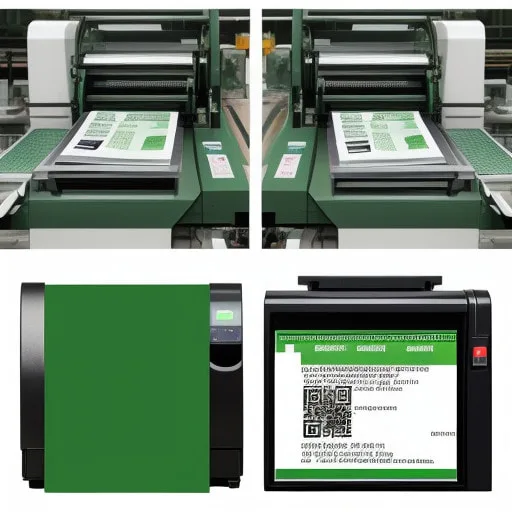
One prominent example of using thermal paper for digital verification is in event ticketing. When event tickets are printed on thermal paper, they often include QR codes, barcodes, or other verification tokens generated in real-time. These tickets, printed on secure, non-erasable thermal paper, are resistant to tampering, making it almost impossible for counterfeiters to duplicate them. This process ensures that only authorized ticket holders can enter events, minimizing the risk of unauthorized access and ticket fraud.
Thermal paper’s tamper-evident quality adds another layer of security, as any attempt to alter or duplicate the ticket would damage the print, rendering it invalid. For large-scale events like concerts, sports games, or conferences, this verification method is invaluable. Event organizers can streamline entry processes while maintaining high levels of security, enhancing the overall experience for attendees.
Financial Transactions: Reliable and Fraud-Resistant Documentation
In the financial industry, where sensitive information is constantly exchanged, the importance of security cannot be overstated. Thermal paper is an excellent choice for printing transaction receipts, as it provides a tamper-proof record that customers and institutions can rely on. Unlike traditional ink-printed receipts that can fade over time, thermal paper maintains its print quality, ensuring that transaction details remain readable. This durability is critical for customers who may need to retain records for future reference, particularly for returns, disputes, or audits.
Moreover, thermal paper used in financial transactions is resistant to unauthorized alterations, offering a safeguard against fraud. For example, receipts printed on thermal paper cannot be easily altered or erased, preventing fraudsters from tampering with transaction amounts or dates. Banks and financial institutions, therefore, benefit from an added layer of security in their verification processes, reducing the risk of fraudulent claims and providing customers with peace of mind.
Retail: Enhancing Customer Trust with Secure Receipts
In retail, thermal paper is a practical solution for printing secure and tamper-resistant transaction receipts. These receipts not only serve as proof of purchase but also offer a traceable record of each transaction. Retailers that utilize thermal paper for their receipts can improve the customer experience by providing a high-quality, long-lasting record. In situations involving product returns, warranty claims, or disputes, thermal paper receipts provide a reliable reference, ensuring that both the retailer and customer have accurate documentation.
The retail sector also sees value in integrating QR codes or loyalty program information on thermal receipts. By adding these digital elements, retailers can track customer purchases, apply discounts, or validate loyalty points, all while maintaining a secure and verifiable transaction history. This dual function of thermal receipts helps build trust and reinforces security measures, making it a valuable tool in any retail environment.
Transportation and Public Services: Verifiable and Reliable Tickets
Public transportation systems and other public services benefit significantly from the use of thermal paper in issuing tickets. Tickets printed on thermal paper with QR codes or other verification features are difficult to replicate, helping prevent ticket fraud. Additionally, thermal paper’s durability makes it ideal for transit environments, where tickets may be exposed to varying weather conditions, high usage, or physical wear.
For example, bus and train operators can rely on thermal paper to print tickets that withstand daily handling, reducing the need for frequent reprints and minimizing paper waste. The reliability of thermal paper tickets improves both operational efficiency and security, ensuring that only legitimate ticket holders can access public transport services.
The Added Security Benefits of Thermal Paper in Digital Transformation
In an age dominated by digital solutions, combining thermal paper with digital verification brings unique advantages. By adding a physical element to identity verification and transaction processes, organizations can reinforce their security infrastructure and provide customers with tangible proof of each transaction or verification. This added security not only helps reduce fraud but also upholds the integrity of each transaction, creating a trust-based relationship with customers.
As industries continue to embrace digital transformation, the integration of thermal paper offers a reliable way to secure transactions and identity verifications in a hybrid digital-physical environment. To explore how thermal paper can support your organization’s security needs, visit our thermal paper collection and discover the right products for your business.
Real-World Applications and Success Stories
As industries strive to enhance security while adapting to digital advancements, many have successfully adopted a hybrid approach that combines digital verification with the reliability of thermal paper documentation. This blend of digital and physical elements provides a robust, tamper-evident layer of security across a wide range of applications. Here are a few key sectors where thermal paper’s unique properties play a crucial role in strengthening security and enhancing the verification process.
Retail and E-commerce: Secure and Fraud-Resistant Receipts
In the retail and e-commerce space, customer transactions require a reliable record that both the business and the customer can reference. Many retailers are turning to thermal paper to issue secure transaction receipts that include unique QR codes or barcodes, which serve as a secondary layer of verification. These codes can link back to the digital transaction, confirming the purchase and helping retailers reduce the risk of fraudulent return claims.
For instance, when a customer completes a purchase, a thermal receipt with an embedded QR code is generated. This code links directly to the transaction, allowing retailers to verify the exact items, purchase date, and transaction amount. If there’s ever a need for returns or exchanges, scanning the QR code confirms the purchase details, preventing fraudulent claims. By using thermal paper, which is durable and resistant to fading, retailers provide customers with a lasting, verifiable record of each purchase. This approach enhances customer trust and mitigates losses due to return fraud, creating a more secure and reliable shopping experience.
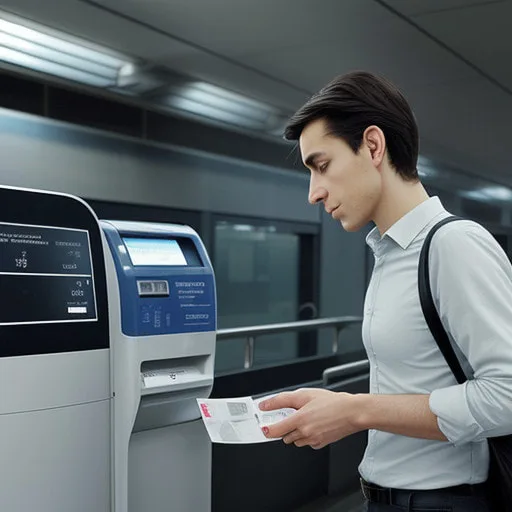
Healthcare and Identity Verification: Regulating Access with Visitor Passes
Healthcare facilities, such as hospitals and clinics, require strict access control to protect sensitive patient information and ensure that only authorized personnel are present in restricted areas. Thermal paper provides an effective solution by allowing hospitals to print visitor passes and verification tokens that are durable and tamper-evident, making unauthorized duplication or alteration difficult.
For example, when a visitor checks in, a pass printed on thermal paper includes a timestamp, unique identification number, and possibly a QR code that links to the visitor’s information in the system. This pass is both secure and easy for security personnel to verify, ensuring that each person accessing restricted areas has been properly authorized. Additionally, thermal paper’s non-erasable qualities help ensure that records remain intact for audits and compliance checks, which is critical for healthcare facilities operating under strict privacy regulations like HIPAA.
Beyond visitor management, thermal paper can be used for patient wristbands and prescription labels, which must remain legible and intact over time. The durability of thermal paper ensures that essential details—such as patient names, medication instructions, and barcodes for patient tracking—remain clear and easy to verify. By integrating thermal paper into daily operations, healthcare providers can enhance safety, improve regulatory compliance, and streamline access control.
Public Events and Transport: Fraud-Resistant Ticketing
Public events and transportation systems are high-traffic environments where secure, tamper-resistant ticketing is essential to prevent counterfeiting and unauthorized access. Event organizers and transit operators have found thermal paper to be an effective solution for issuing secure, reliable tickets embedded with QR codes or barcodes. These tickets provide a verifiable, physical record that ensures legitimate entry and streamlines the admissions process.
At large events, like concerts or sports games, tickets are typically printed on thermal paper with encrypted QR codes that link to the buyer’s information. Scanning these QR codes upon entry confirms that the ticket is genuine, while the thermal print quality guarantees that the information remains clear even after handling. This prevents the common issue of counterfeit tickets and reduces delays caused by ticket verification, allowing attendees to enjoy faster, hassle-free entry.
In public transportation, thermal paper is used to issue tickets and travel passes that can withstand frequent handling and exposure to various environmental conditions. For example, a train ticket printed on thermal paper might include a scannable barcode, date of issue, and route information. Thermal paper’s durability ensures that these details remain legible throughout the journey, making it easy for transit staff to verify each passenger’s ticket. This level of reliability not only enhances security but also improves operational efficiency by minimizing the need for ticket reprints.
Exploring Thermal Paper Solutions for Enhanced Security
These examples highlight the versatility and effectiveness of thermal paper across diverse applications, from retail and healthcare to public events and transportation. The use of thermal paper in digital verification processes offers a tangible, fraud-resistant layer of security that protects both organizations and customers. Our thermal paper collection provides a range of options tailored for these security applications, helping businesses create a secure and efficient environment while maintaining high standards for verification and compliance.
By adopting thermal paper solutions, businesses across these industries can bolster their security, enhance the customer experience, and reduce operational risks.
Innovations in Thermal Paper Technology for Security
Thermal paper has long been recognized for its durability and reliability in secure printing, but recent advancements in this technology have expanded its potential in new and exciting ways. With features designed to combat counterfeiting and unauthorized access, thermal paper has become an essential component in digital identity verification. Here’s a closer look at some of the most significant innovations in thermal paper technology, which not only boost security but also align with modern sustainability goals.
Advanced Anti-Counterfeit Features: Enhanced Security Measures
One of the most exciting developments in thermal paper technology is the integration of anti-counterfeit features. As security demands grow, thermal paper manufacturers have introduced elements such as UV markers, microtext, and encrypted QR codes, which make it significantly harder for counterfeiters to replicate printed materials. These features are especially valuable for industries where authenticity is paramount, such as event ticketing, financial documentation, and retail.
UV Markers: UV (ultraviolet) markers are invisible to the naked eye and only become visible under UV light. This feature allows companies to add hidden security details to documents, receipts, or tickets printed on thermal paper, making it nearly impossible for counterfeiters to duplicate. For example, a concert ticket with a UV-encoded logo can be verified quickly at the entrance, ensuring that only legitimate ticket holders gain access.
Microtext: Microtext printing on thermal paper involves the addition of tiny, barely visible text that is often challenging to replicate accurately. This form of security printing has traditionally been used in high-security documents, such as passports and currency, and is now available for use on thermal paper. Microtext can be added to important receipts or verification documents, providing an extra layer of security that’s accessible only with specialized magnification tools.
Encrypted QR Codes: Encrypted QR codes have become a popular choice for adding digital verification to printed materials. These QR codes can link back to specific user data or transaction details when scanned, confirming the legitimacy of the document or item. For instance, a retail receipt with an encrypted QR code can link directly to the transaction in the store’s system, reducing the likelihood of fraudulent returns or claims. The encrypted aspect of the QR code ensures that only authorized systems can interpret the data, further enhancing security.

Eco-Friendly Thermal Paper: Sustainability Meets Security
As businesses and consumers increasingly prioritize environmental sustainability, thermal paper manufacturers have developed eco-friendly options that don’t compromise on quality or security. These sustainable thermal paper solutions are ideal for companies looking to reduce their environmental footprint while maintaining a high standard of secure printing.
BPA-Free and Phenol-Free Paper: Many traditional thermal papers contain Bisphenol A (BPA) or similar chemicals that can be harmful to the environment and human health. Newer thermal papers are now available in BPA-free and phenol-free options, which significantly reduce potential health risks and environmental impact. These papers provide the same level of durability and print clarity without releasing harmful chemicals, making them a safer choice for sensitive industries like food service and healthcare.
Recycled and Biodegradable Options: Thermal paper made from recycled materials or designed to be biodegradable is another key innovation. These options allow companies to adopt a more circular approach to resource use, as these papers can be broken down naturally or recycled into new products. For businesses that generate a high volume of printed receipts or tickets, opting for recycled thermal paper helps reduce waste and align with environmental sustainability goals.
Energy-Efficient Production: Some thermal paper manufacturers have also improved the production process to be more energy-efficient. By reducing the energy required to produce each roll of thermal paper, manufacturers can offer a more eco-friendly product with a smaller carbon footprint. This improvement not only benefits the environment but also appeals to businesses seeking green certification or compliance with sustainable operational standards.
Balancing Security and Sustainability with Innovative Thermal Paper
For businesses seeking a balance between security and environmental responsibility, the latest advancements in thermal paper technology offer an ideal solution. Industries such as retail, finance, healthcare, and public transportation can benefit from these dual-purpose papers that address both security needs and eco-conscious goals.
For example, a financial institution issuing transaction receipts on BPA-free, recycled thermal paper can uphold high standards of data protection while demonstrating a commitment to sustainability. Similarly, a public transportation system could adopt biodegradable thermal paper tickets with encrypted QR codes, ensuring that only authorized passengers can board while reducing environmental impact.
Future Outlook: Innovations in Thermal Paper Technology
As security threats evolve and environmental concerns grow, thermal paper technology will continue to advance to meet new industry demands. The future may bring additional features such as invisible watermarking, advanced heat-sensitive layers, and biodegradable thermal coatings. These developments will enable businesses to safeguard data, prevent fraud, and support environmental initiatives, all through a single, efficient solution.
Thermal paper’s adaptability makes it an ideal choice for today’s fast-paced, security-conscious world. By combining cutting-edge security features with sustainable practices, thermal paper is positioned to be an invaluable asset for organizations across sectors. For more insights on the latest thermal paper products and options, check out our thermal paper collection, featuring innovative solutions designed for security, durability, and environmental responsibility.
Challenges and Future Trends in Thermal Paper Technology
Thermal paper has become an essential tool in numerous industries, especially where secure documentation and identity verification are critical. However, with advancing technology and rising environmental awareness, businesses are facing new challenges and opportunities in how they use thermal paper. Balancing security, cost, and sustainability remains a complex endeavor, pushing manufacturers and industries to innovate. Here, we’ll explore some of the ongoing challenges and promising trends shaping the future of thermal paper in the digital era.
Balancing Security, Cost, and Environmental Responsibility
One of the most significant challenges in thermal paper technology is finding the right balance between security features, cost-effectiveness, and environmental sustainability. Companies must provide secure, durable solutions without driving up operational expenses or compromising on eco-friendly practices. While advanced security features such as UV markers, microtext, and encrypted QR codes enhance protection, they often come at a higher production cost. Additionally, many security features can increase the environmental impact if they require chemicals or additives that make the paper harder to recycle.
The demand for eco-friendly thermal paper has led manufacturers to develop BPA-free and phenol-free options, as well as papers made from recycled materials. However, these alternatives can sometimes cost more, and integrating additional security elements on eco-friendly paper without compromising quality remains a challenge. Businesses are increasingly seeking solutions that align with both their budget and environmental goals, a trend that is driving innovation within the thermal paper industry.
Emerging Trends in Thermal Paper Technology
With advancements in technology, the role of thermal paper is evolving, particularly in sectors focused on secure identity verification, such as finance, healthcare, and transportation. Here are some of the emerging trends in thermal paper that could redefine its applications:
Biometric Integration: As biometric verification grows in popularity, thermal paper could soon support more personalized and tamper-proof verification processes. For instance, a printed receipt or ticket could include a unique biometric barcode, such as a fingerprint or facial recognition marker, that links directly to the digital identity of the holder. Integrating thermal paper with biometric data would enhance security by adding a layer of individualized verification, which is especially useful in highly sensitive environments like airports, government facilities, and financial institutions.
Blockchain-Backed Documents: Blockchain technology is revolutionizing data security by offering an immutable record-keeping system. In the future, thermal paper documents could be embedded with blockchain-backed data, creating a permanent, verifiable link between the printed document and its digital counterpart. This would provide a secure and transparent way to verify authenticity without the risk of tampering. For example, blockchain-encoded receipts and certificates on thermal paper could be issued for high-stakes transactions, offering both customers and businesses an extra layer of assurance.
Smart Thermal Paper: Smart thermal paper represents one of the most futuristic advancements in this field. This technology integrates printed electronic circuits or NFC (Near Field Communication) chips within the paper itself, allowing for real-time interaction with digital systems. Smart thermal paper could revolutionize identity verification by enabling users to scan the paper with their smartphones to verify details, access online records, or complete secure transactions. For instance, a transportation ticket printed on smart thermal paper could connect to an app that updates the user’s journey status or provides dynamic route information in real time. In retail, smart receipts could be integrated into loyalty programs, storing customer rewards or promotional codes directly on the thermal paper.
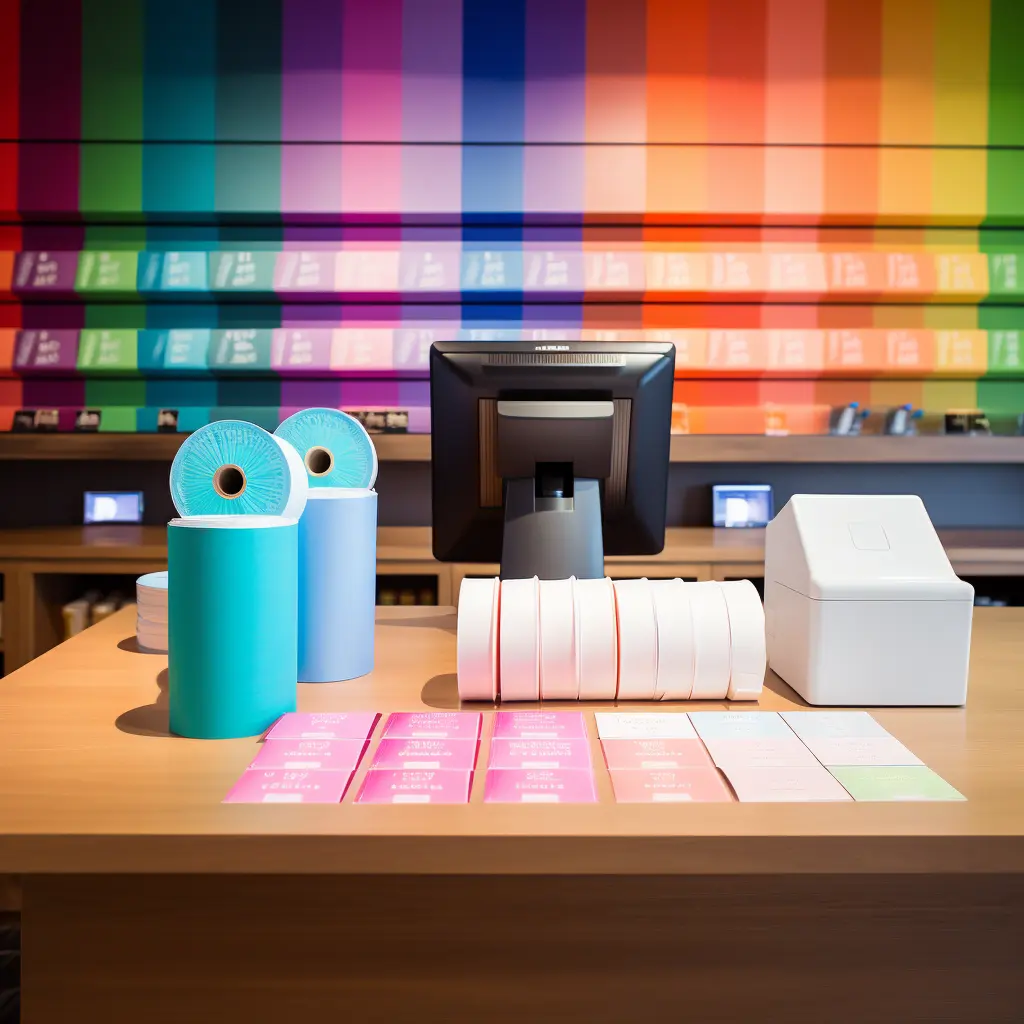
The Future of Thermal Paper in Identity Verification and Security
As these innovations continue to develop, companies have the opportunity to leverage new thermal paper technologies to stay competitive in a security-driven market. With the integration of biometric data, blockchain systems, and smart capabilities, thermal paper can become a bridge between physical documentation and digital security. This hybrid approach offers enhanced protection and flexibility for various industries, from retail and event management to healthcare and finance.
Future developments in thermal paper technology will also need to address the increased focus on sustainability. As businesses and consumers become more eco-conscious, manufacturers will continue exploring new materials, energy-efficient production methods, and recycling-friendly options. The goal is to create a secure, cost-effective, and environmentally responsible thermal paper solution that aligns with modern business values.
Making Informed Choices for Your Business
As you evaluate thermal paper options for your business, staying informed about these advancements can help you make decisions that align with your security and sustainability goals. By choosing the right thermal paper, you can enhance your security processes, streamline operations, and contribute to a more sustainable future. To explore the latest options and find a solution that best suits your needs, check out our thermal paper collection, where we offer a wide selection designed to support innovative and secure business practices.
By adopting cutting-edge thermal paper technologies, companies can stay ahead of the curve in a rapidly evolving market, positioning themselves as leaders in both security and environmental stewardship.
Conclusion
As digital identity verification becomes more prevalent, integrating thermal paper offers a hybrid solution that enhances security across industries. By combining the unerasable, durable properties of thermal paper with digital verification, businesses can significantly reduce fraud risks, streamline transactions, and build customer trust.
For organizations ready to embrace secure and reliable identity verification solutions, incorporating thermal paper into your processes is a step toward safer transactions and customer peace of mind. Discover our full collection of thermal paper to find the products that best fit your security needs.