

The Rise of Smart Homes
Smart homes have rapidly become the norm, transforming how we live by integrating advanced technology into everyday tasks. From automated lighting to voice-controlled appliances, the modern home is a hub of interconnected devices designed to make life more convenient and efficient. But there’s a silent hero in this technological revolution—thermal paper. While it’s often associated with traditional applications like receipts and labels, thermal paper is carving out a new role in the smart home ecosystem.
Thermal Paper in Home Automation: Bridging Technology and Tangibility
As the smart home revolution advances, the role of thermal paper in home automation has become increasingly innovative and indispensable. Smart homes are filled with interconnected devices, but the need for immediate, physical documentation remains crucial. In this digital age, thermal paper offers a unique solution by providing on-demand, tangible data that can be accessed and acted upon instantly, even without a digital interface.
Smart Thermostats: Real-Time Temperature Monitoring
Imagine walking into your living room and adjusting your smart thermostat with a simple voice command. The system not only regulates your home’s temperature but also prints a thermal paper log, showing the past week’s temperature fluctuations, energy usage, and suggested optimizations. The printout, complete with easy-to-read charts and graphs, provides a clear picture of your energy consumption. This printed data allows homeowners to make real-time adjustments to their energy usage, saving both money and resources. It becomes particularly helpful during seasonal changes, where efficient heating and cooling are essential for both comfort and sustainability.
Security Systems: Physical Records of Activity
Security systems have also embraced thermal paper as a backup to their digital interfaces. When you’re managing home security, having access to a physical log of visitor activity can be crucial—especially in cases of power outages or system malfunctions. These printed records can provide time-stamped entries detailing who entered or left your home and when. Imagine being on vacation and receiving a real-time printout of your security system’s log directly from your smart hub, ensuring you have a backup even when you’re off the grid. This makes thermal paper an essential component in creating secure and trustworthy home environments.
Smart Appliances: Diagnostic Reports
Beyond temperature and security, many smart appliances now use thermal paper for real-time diagnostics and maintenance reports. Consider a smart refrigerator that monitors its internal systems. When issues arise, it can print a detailed diagnostic report via thermal paper, outlining everything from internal temperatures to potential malfunctions. For homeowners, this creates a simple, immediate way to identify and address problems without having to rely solely on digital alerts. Whether it’s a minor issue or something more serious, these printed reports empower you to take action before problems escalate.
Wearable Health Devices: Monitoring and Wellness at Home
Health monitoring in the smart home has also evolved with the inclusion of thermal paper. Smart wearable devices, such as blood pressure monitors or fitness trackers, can now print out daily health reports at home. These thermal printouts offer a clear snapshot of the user’s health data—vital statistics, sleep patterns, and even exercise records. For individuals managing chronic health conditions, these daily printed reports serve as a useful tool to track long-term trends and share with healthcare providers during regular check-ups. It’s another example of how thermal paper adds a physical dimension to the otherwise digital realm of health data.
Environmental Benefits: Reducing Electronic Waste
Thermal paper also supports the sustainability efforts associated with home automation. As smart home devices continue to evolve, many manufacturers are looking to reduce electronic waste by eliminating the need for complex, ink-based printing systems. Thermal paper is a more eco-friendly option, requiring no ink or toner, and many options are now biodegradable or BPA-free. This shift aligns with the growing demand for sustainable solutions in smart home technology, allowing homeowners to enjoy the benefits of automation without contributing to excessive waste.
Thermal paper’s versatility and practical applications in home automation make it a key player in creating intelligent living spaces. Whether through monitoring energy consumption, enhancing home security, or supporting health management, thermal paper offers real-time, tangible information that keeps smart homes running smoothly and efficiently.
Smart Energy Management and Efficiency: Reducing Consumption with Real-Time Data
One of the most revolutionary advancements in smart home technology is its capacity to monitor, optimize, and even reduce energy consumption. Central to this development is the integration of thermal paper, which provides instant, tangible records of energy usage. This approach allows homeowners to gain deep insights into their daily, weekly, and monthly consumption patterns, empowering them to take control of their energy use and make eco-friendly decisions.
Daily Energy Reports: A Clear Snapshot of Consumption
Imagine waking up each morning to a concise report printed on thermal paper, detailing the previous day’s energy consumption. This report includes an analysis of electricity, water, and gas usage, broken down by individual appliances and utilities. For example, you might notice that your HVAC system accounted for 40% of your energy consumption, while your water heater took up another 20%. With this data at your fingertips, you can make informed adjustments—like reducing the thermostat by a few degrees or scheduling showers during off-peak hours to conserve both water and electricity.
These daily thermal paper printouts provide a real-time snapshot of your home’s energy use, helping you understand where inefficiencies may exist and where improvements can be made. In an age where sustainability is becoming a critical focus for many, having immediate access to energy data ensures that you can take action right away, whether that’s unplugging unused devices or tweaking the settings on your smart appliances.
Weekly Summaries: Long-Term Insights and Behavior Shifts
In addition to daily reports, smart home systems using thermal paper can also produce weekly summaries that offer a broader view of your energy habits. These summaries not only provide a breakdown of consumption but also offer trend analysis and suggestions for improvement. For instance, your weekly printout might reveal that your energy use spikes on weekends when the house is more occupied. Based on this information, the smart system could recommend adjusting your thermostat or scheduling certain appliances to run during less active times to maximize efficiency.
Consider how this information can help you reduce your carbon footprint. Suppose your thermal paper summary shows that your washing machine consumes a significant amount of energy during the peak hours of the day. Armed with this knowledge, you can make a conscious effort to run it during off-peak times, reducing strain on the energy grid and potentially lowering your utility bills.
Appliance-Specific Analysis: Identifying the Energy-Hungry Culprits

Thermal paper reports also provide appliance-specific analysis, allowing homeowners to identify which devices are contributing most to their energy consumption. Imagine receiving a printout that highlights the fact that your old refrigerator is consuming far more energy than your newer, more efficient dishwasher. With this detailed breakdown, you could prioritize replacing or upgrading inefficient appliances, further reducing your overall energy use and costs.
Smart home devices are increasingly capable of offering recommendations for more efficient use. Your thermal paper printout might suggest running your dishwasher late at night when energy demand is lower or programming your heating system to operate at lower temperatures during the day when no one is home. These simple adjustments, informed by real-time data, can lead to significant energy savings over time.
Eco-Friendly Practices and Savings
Beyond optimizing energy use, thermal paper enables smart home systems to encourage eco-friendly practices. By tracking your energy use and suggesting ways to reduce consumption, these systems not only help you lower your environmental impact but also contribute to long-term savings on utility bills. Imagine saving hundreds of dollars a year simply by making small adjustments to how and when you use your home’s energy resources.
Additionally, many of the thermal paper options available today are eco-friendly themselves, made from biodegradable materials and free from harmful chemicals. This aligns perfectly with the green focus of energy-efficient homes, offering a sustainable alternative to traditional ink-based printing methods.
Real-Time Alerts for Immediate Action
Thermal paper can also be used to issue real-time alerts when energy consumption hits critical levels or when an appliance is malfunctioning. For instance, if your smart home system detects a sudden spike in energy use due to a faulty appliance, it can immediately print out a thermal paper alert. This alert provides clear instructions on what to do next—whether it’s scheduling maintenance, reducing usage, or replacing the faulty device. These real-time alerts ensure that problems are identified and addressed quickly, preventing wasteful energy consumption.
Smart energy management empowered by thermal paper offers homeowners a practical, real-time solution for reducing energy consumption and optimizing efficiency. From daily and weekly reports to appliance-specific analysis and eco-friendly practices, thermal paper provides a tangible link between technology and responsible energy use, creating more intelligent and sustainable living environments.
Smart Home Security and Thermal Paper: Safeguarding Your Home with Physical Data
In today’s world, smart homes are designed with security at the forefront, integrating advanced systems like cameras, sensors, and automated locks to keep families and properties safe. However, as digital technology advances, so do the risks of cyber-attacks, system failures, and data breaches. That’s where thermal paper comes into play, offering an additional layer of security by providing physical, reliable records of your home’s security data.
Instant Printouts of Security Logs
Thermal paper can be integrated into your smart home security system to generate real-time printouts of vital information. These records can include logs of every time your front door was opened, detailing who entered or left the house. For example, a smart door lock connected to your system could print a timestamp and identity confirmation every time it’s accessed—whether it’s you, a family member, or a trusted visitor. The ability to have a physical record of such events ensures that you’re always in control, even if digital systems fail.
Consider how thermal paper printouts can complement your digital records. While your security data is stored in the cloud or locally on your devices, having a printed log serves as a backup—one that can’t be deleted, corrupted, or hacked. This is especially valuable in cases of attempted break-ins or security breaches where you need a trustworthy, unaltered record of the event.
Thermal Paper as a Backup in Emergencies
In critical situations like power outages, system malfunctions, or even cyber-attacks, digital data can become inaccessible or compromised. This is where the role of thermal paper becomes even more crucial. Imagine you experience a sudden power outage, and your home security system temporarily goes offline. Although your system might stop recording digital data, thermal paper printouts ensure that you still have a reliable record of all events leading up to the outage.
For instance, if the outage occurred during suspicious activity around your home, the last printed log from your security system could provide key information—such as the time the activity was detected, the person involved, or the camera footage summary—allowing you to act swiftly and alert the authorities.
Similarly, in the event of a cyber-attack, where hackers may try to erase or alter digital security records, the physical thermal paper printouts remain unaffected. This could make all the difference when reconstructing events or identifying potential security vulnerabilities.
Detailed Summaries of Security Camera Footage
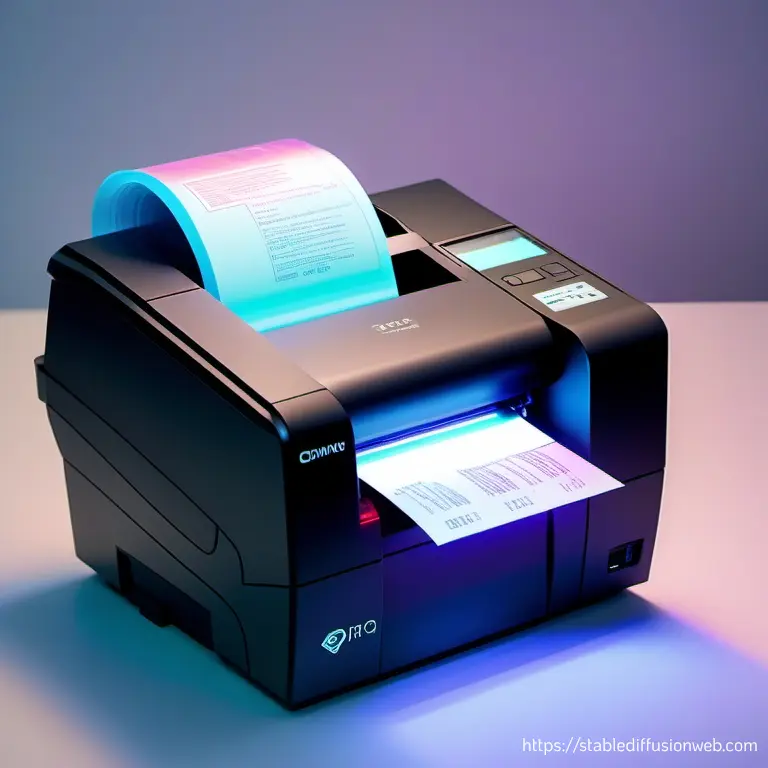
Thermal paper also plays a role in summarizing and backing up security camera footage. Smart home systems can be programmed to generate printed reports that summarize the key activities captured on your cameras. For example, if a camera detects movement at an unusual time, a thermal paper summary can be printed, noting the time, location, and description of the event. This immediate documentation not only saves time but also provides a quick reference without the need to sift through hours of footage.
In a scenario where reviewing the digital footage is not possible due to technical issues, these summaries can serve as a reliable source of information. Additionally, thermal paper summaries can be easily shared with law enforcement, security professionals, or insurance providers when necessary, providing a physical copy that cannot be tampered with.
Monitoring Entry Points and Access Control
Thermal paper’s value extends beyond simple logs to more comprehensive security features like access control. In homes equipped with multiple smart entry points—doors, windows, and gates—thermal paper can be used to create detailed access reports. These reports provide an overview of all the entry points and whether they were opened, closed, or left ajar. For instance, a printed summary might show that the garage door was left open for several hours during the night, alerting you to a potential security risk.
In addition, thermal paper can be used to log access to sensitive areas of the house, such as safes, home offices, or storage rooms. This is especially useful in homes with guests, service workers, or renters, where monitoring who has access to certain areas is important. A printed access log can serve as a safeguard, allowing homeowners to maintain control over their property and ensure that nothing goes unnoticed.
Securing Smart Home Devices from Tampering
Beyond traditional security systems, smart homes are equipped with a wide array of devices, from thermostats to lighting systems, which can be vulnerable to tampering. Thermal paper can be used to track changes or suspicious activity involving these devices. For example, if your smart thermostat settings are adjusted while you’re away, a thermal paper report can print out the time and nature of the change, alerting you to potential interference. This is especially important if someone attempts to override or hack into your smart home systems.
Thermal Paper in Legal and Insurance Scenarios
In the unfortunate event of a break-in or security breach, physical security logs printed on thermal paper can become critical legal and insurance documents. These printouts provide an unaltered, time-stamped record of all relevant events, which can be used as evidence in court or to support insurance claims. Whether it’s proof of a home invasion, unauthorized access, or simply verifying that security measures were in place, thermal paper documentation offers a tangible record that stands up to scrutiny.
While digital security systems continue to evolve, thermal paper remains a valuable and reliable tool in ensuring the safety and security of smart homes. By offering immediate, tangible records of access logs, camera footage, and other security data, thermal paper serves as a vital backup in emergency situations, helping homeowners maintain control over their security. Whether as a safeguard against digital failures or as a critical tool in legal and insurance matters, thermal paper provides an added layer of protection for the smart homes of the future.
Health Monitoring and Smart Homes: How Thermal Paper Enhances Well-Being
With health and wellness becoming a priority in modern living, smart homes are evolving to support daily health monitoring. Integrating health devices into the fabric of smart home systems provides real-time data and promotes better well-being. Thermal paper plays a key role in this ecosystem by offering immediate access to printed health reports, making it an invaluable asset for individuals managing their health.
Real-Time Health Monitoring at Home
Smart homes are increasingly outfitted with health monitoring devices like blood pressure monitors, glucose meters, heart rate sensors, and even advanced air quality detectors. These devices capture crucial data related to a person’s health and well-being. Instead of relying solely on digital screens or app interfaces, thermal paper provides a tangible, printed report that users can reference immediately.
For instance, imagine a diabetic patient using a glucose meter integrated into their smart home system. Throughout the day, the meter records blood sugar levels and prints out detailed thermal paper reports. These reports can display glucose trends, offering a visual representation of highs and lows across the day. Not only does this make it easier for patients to track their health data, but it also provides them with a physical record to bring to doctor appointments or share with caregivers.
Monitoring Air Quality for Respiratory Health
In the realm of smart homes, air quality monitoring has become increasingly significant, especially for individuals with asthma, allergies, or other respiratory conditions. Sensors placed around the home constantly measure pollutants such as dust, pollen, and volatile organic compounds (VOCs). While most of this data is typically available via smartphone apps, thermal paper can generate real-time printouts that provide a daily or even hourly summary of air quality conditions.
For instance, if an air quality sensor detects elevated levels of pollutants, it can print a thermal paper report indicating the specific times when pollution spiked, as well as any possible sources identified (such as cooking fumes or outdoor allergens). This allows residents to make quick adjustments, such as increasing ventilation, running air purifiers, or temporarily avoiding specific areas of the home.
Empowering Residents with Immediate Action
One of the most significant advantages of using thermal paper for health monitoring in smart homes is the immediacy it provides. Having health data printed out on thermal paper allows residents to take quick and informed actions. For example, an individual monitoring their blood pressure might receive a daily printout that highlights trends over the past 24 hours. If the data shows an abnormal spike in blood pressure, the printout can serve as a prompt to adjust medication, change diet, or seek medical advice without delay.
In addition, thermal paper printouts can act as physical reminders for residents to stay on top of their health routines. For instance, a printed record of the past week’s heart rate readings might serve as a prompt to increase physical activity or adjust lifestyle habits to improve cardiovascular health. The tangible nature of the printed data reinforces accountability and makes it easier to track progress over time.
Supporting Remote Health Consultations
Thermal paper printouts can also bridge the gap between patients and healthcare providers in remote or telemedicine consultations. As smart homes become more connected to healthcare systems, printed data can be shared with doctors in real-time. For instance, during a virtual consultation, a patient could reference a thermal paper report detailing their glucose levels or blood pressure fluctuations over the past week. This real-time data sharing makes it easier for doctors to provide accurate and informed advice based on recent trends.
Moreover, thermal paper can be used to create reports summarizing key health metrics that can be mailed or presented during in-person visits. These reports ensure that healthcare providers have access to consistent, reliable data, helping them make better decisions regarding treatment plans and medical recommendations.
Enhanced Wellness for Seniors and Chronic Disease Management
Smart homes equipped with health monitoring devices are particularly beneficial for seniors and individuals managing chronic conditions. For seniors, staying on top of their health can sometimes be challenging, but having smart home systems that print regular health updates on thermal paper simplifies the process. Blood pressure readings, heart rate reports, and medication reminders printed on thermal paper make it easier for seniors to keep track of their health without needing to rely on digital platforms, which can sometimes be overwhelming.
Similarly, for individuals managing chronic conditions like diabetes or hypertension, thermal paper offers a reliable way to maintain a record of their health data. Instead of only depending on digital records that can be lost or deleted, the printed reports ensure that patients always have a backup that can be referenced at any time. This system of continuous monitoring and record-keeping enhances patient confidence and improves overall health outcomes.
Fostering Health-Conscious Smart Living
As smart homes continue to evolve, integrating thermal paper into health monitoring systems contributes to a more health-conscious lifestyle. By enabling real-time, accessible data on various aspects of health and wellness, thermal paper empowers individuals to take greater control over their environment and well-being. Whether it’s tracking glucose levels, monitoring air quality, or staying on top of blood pressure trends, thermal paper ensures that residents have the information they need right at their fingertips.
Ultimately, thermal paper’s role in smart homes represents a blending of traditional and modern technology, providing a reliable, accessible, and immediate way to manage health data in the comfort of one’s home. By enhancing the convenience and effectiveness of health monitoring, thermal paper contributes to a smarter, healthier living environment for everyone.
Personalized Smart Living Experiences: Enhancing Daily Life with Tailored Thermal Paper Printouts
Smart homes are designed to simplify and enhance everyday living by integrating technology into the very fabric of our routines. One of the most exciting features of smart living is the ability to create personalized experiences that adapt to individual needs, habits, and preferences. Thermal paper, though often overlooked, plays a key role in this customization by delivering tailored, physical printouts that reflect the unique rhythm of each household.
Daily Activity Summaries
One of the most valuable applications of thermal paper in smart homes is its ability to provide personalized summaries of your day. Imagine waking up to a neatly printed strip of thermal paper that outlines your daily fitness progress, records the number of steps you took, the calories you burned, and even suggests how you can improve based on your previous day’s activity. For those tracking fitness goals or just trying to stay active, this physical report provides an immediate, tangible snapshot of your health metrics.
Thermal paper printouts are also ideal for delivering important reminders in a clear and concise format. Instead of relying solely on phone notifications or digital calendars, you might receive a thermal paper summary that includes reminders about tasks like grocery shopping, upcoming appointments, or even the weather forecast for the day. With the information printed out and easily accessible, it becomes much harder for crucial details to slip through the cracks.
Smart Home Activity Insights
Smart homes have the power to collect and analyze data from various devices and systems, from lighting and temperature control to entertainment preferences. Thermal paper can translate this data into meaningful insights that enhance your daily experience. For example, a smart home could print a report showing which rooms used the most energy the previous day, how many hours you spent watching TV, or which appliances were most frequently used. This kind of data allows you to make informed decisions about energy usage and lifestyle habits.
Perhaps you’ve been running your air conditioner more frequently in the evenings—your smart home could print a thermal paper report suggesting more energy-efficient cooling options, such as adjusting the thermostat earlier in the day or using fans during certain hours. This simple yet effective insight can help you lower energy costs and create a more sustainable living environment.
Grocery Lists and Home Inventory Management
Another useful application of thermal paper in smart homes is managing grocery lists and home inventory. Many smart refrigerators and pantry systems can now keep track of the items you frequently use and notify you when supplies are running low. Thermal paper enhances this process by printing a customized shopping list based on your recent consumption habits. Imagine having your refrigerator automatically generate a grocery list, printing it out in real-time as you head out to the store.
For those who enjoy meal prepping or managing household inventory, thermal paper can also be used to print out weekly meal plans based on what’s available in the pantry, or even recipes that correspond to items in your kitchen. This seamless integration between your smart home and daily life not only reduces waste but also ensures you always have the essentials on hand.
Customizable Wellness Reminders
Smart homes are increasingly incorporating wellness features that promote healthier living, from sleep trackers to mood lighting and air quality sensors. Thermal paper printouts can be customized to deliver wellness reminders tailored to your specific goals. For example, if you’re trying to improve your sleep quality, your smart home might print out reminders for winding down at night, including tips like adjusting the lighting or reducing screen time before bed.
Similarly, if you have health conditions that require regular monitoring, such as diabetes or hypertension, your smart home can deliver personalized printouts showing your daily glucose levels, blood pressure readings, or even dietary suggestions. These customized health reports ensure that you stay on track with your health goals while also keeping you informed about any potential areas of concern.
Efficient Task Management
One of the primary benefits of smart homes is their ability to streamline day-to-day tasks, and thermal paper offers a unique way to keep track of these tasks. For instance, thermal paper printouts can be generated to create to-do lists based on your habits and routines. If your smart home notices that you tend to run errands on a particular day, it can print a list of tasks or reminders that align with your schedule.
Consider a scenario where your smart home detects that your usual laundry day is approaching. The system might generate a thermal paper reminder to ensure you don’t forget to wash your clothes, or even print out specific care instructions for delicate items based on your previous washing patterns. This integration of technology into daily life allows for a more organized and stress-free environment.
Personalized Security Reports
In the realm of smart home security, thermal paper printouts can also be customized to deliver personalized security reports. These reports might include a log of all entries and exits from the home, camera footage summaries, or alerts regarding any unusual activity. This allows homeowners to stay informed about the security of their property, even if they are away from home. For families, thermal paper can generate a report showing when children arrived home from school or when the house was locked and secured for the night.
These physical security summaries not only provide peace of mind but also serve as a valuable backup in case of power outages or digital system failures. Knowing that your security data is preserved in print can enhance your sense of safety and control over your home environment.
Personalized Entertainment Schedules
As smart homes continue to evolve, they are becoming more attuned to the entertainment preferences of the residents. Thermal paper can be used to print out personalized entertainment schedules, such as reminders of upcoming TV shows or movies you want to watch. Imagine your smart home printing out a weekly entertainment guide based on your streaming habits, suggesting new content that matches your tastes.
This integration ensures that you never miss an episode of your favorite show and makes it easier to plan movie nights or gaming sessions with friends and family. Personalized entertainment schedules can even include suggestions for music playlists or podcasts based on your recent listening habits, providing you with a curated experience that aligns with your mood and preferences.
Creating a More Connected, Personalized Life
Ultimately, thermal paper’s role in smart homes goes beyond just printing data—it creates a more connected, personalized life by bringing technology into the physical world in a way that is both practical and engaging. By delivering tailored insights, reminders, and summaries that are relevant to your daily activities, thermal paper enhances your ability to manage your home, health, and entertainment with ease.
As smart homes continue to advance, the possibilities for personalized experiences using thermal paper will only grow, contributing to a living environment that is truly responsive to individual needs and preferences.
The Future of Smart Homes and Thermal Paper
As technology continues to evolve, so too will the applications of thermal paper in smart homes. We can expect to see more eco-friendly thermal paper options, such as biodegradable or BPA-free varieties, making their way into smart home devices. This aligns with the growing trend toward sustainability, ensuring that the convenience of smart living doesn’t come at the expense of the environment.
Moreover, as smart homes become more sophisticated, the role of thermal paper will likely expand to include even more applications, from real-time printing of maintenance reminders to instant printouts of home automation settings. The possibilities are endless.
Conclusion: Enhancing Intelligent Living with Thermal Paper
Thermal paper may seem like an unlikely player in the smart home revolution, but its applications are proving to be invaluable. By providing quick, reliable, and customizable printouts, thermal paper is enhancing the smart home experience, making it more efficient, secure, and personalized. As we move towards a more connected and intelligent living environment, the integration of thermal paper into smart home technology is set to grow, offering even more ways to streamline and improve our daily lives.