
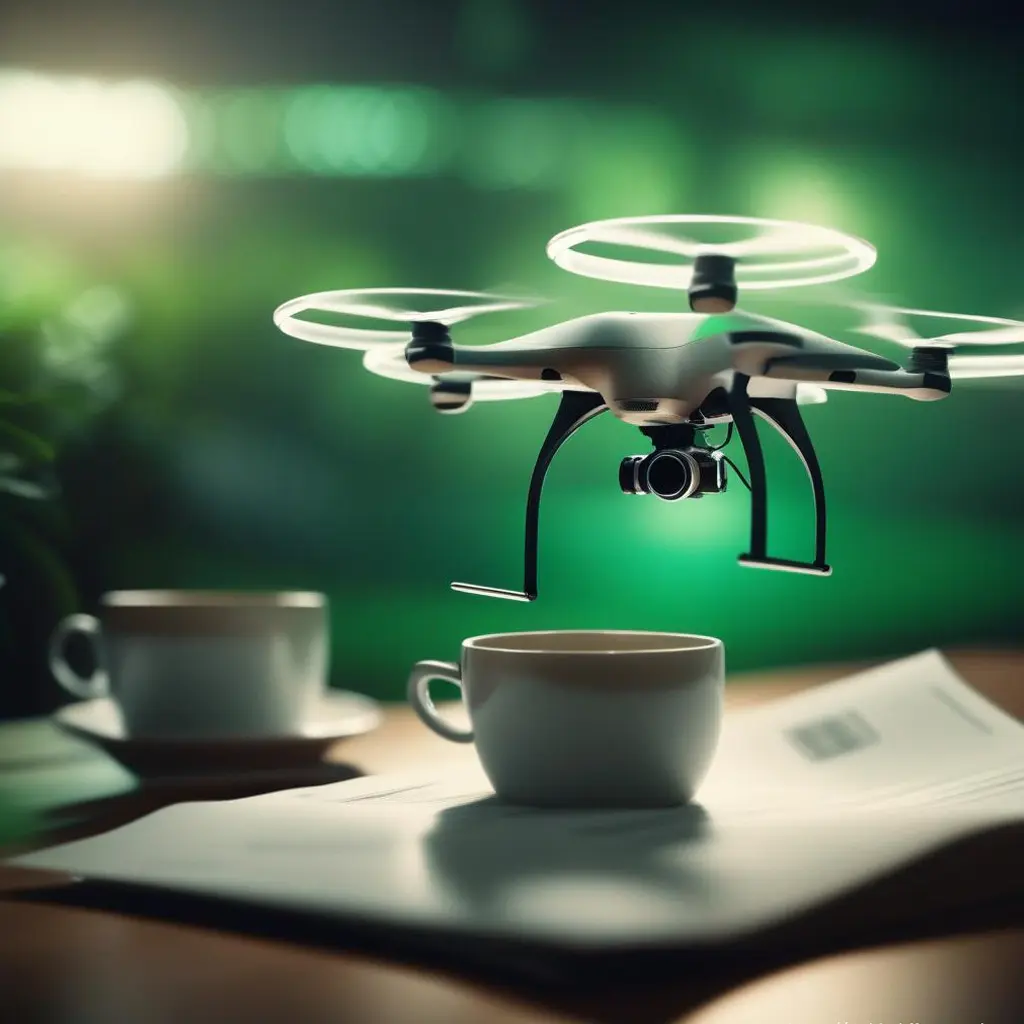
In today’s rapidly evolving world, technology continues to push boundaries, merging innovation from different industries to create unique solutions. One such intriguing synergy is the combination of thermal paper and drone technology. While these two technologies may seem unrelated at first glance, their integration opens up numerous possibilities for various sectors, enhancing efficiency, accuracy, and cost-effectiveness.
The Role of Thermal Paper in Modern Applications
Thermal paper is a unique product that has found its way into a variety of industries due to its versatility and efficiency. Known for its ability to produce high-quality prints without the need for ink or toner, thermal paper has become essential in areas like logistics, retail, and shipping. Whether it’s for printing shipping labels, point-of-sale receipts, or inventory management, thermal paper continues to meet the demands of businesses. If you’re looking for the best thermal paper products for your business, you can explore our thermal paper collection for a variety of options tailored to different operational needs.
Drones: Revolutionizing Multiple Industries
Drones, on the other hand, have completely transformed how we approach a wide range of tasks. From logistics and surveillance to agriculture and emergency response, drones are helping businesses achieve faster, more accurate, and cost-effective results. These unmanned aerial vehicles (UAVs) are especially beneficial in areas where traditional methods fall short, such as reaching remote locations or providing real-time data from difficult terrains. The ability to pair drones with thermal paper can further expand their application in sectors that rely heavily on data collection and documentation.
Potential Synergies Between Drones and Thermal Paper
So, what happens when we combine the capabilities of thermal paper with drone technology? Here are some potential applications:
Aerial Data Collection and Thermal Imaging
Drones equipped with thermal cameras offer a transformative approach to data collection, particularly in sectors like agriculture and infrastructure inspection. By capturing thermal images from the sky, these drones provide critical data that is crucial for effective decision-making and immediate actions.
Agricultural Applications
In agriculture, drones are revolutionizing how farmers manage and monitor their crops. These drones fly over expansive farmlands, using thermal imaging to detect variations in crop health, which might indicate issues such as water stress, pest infestations, or nutrient deficiencies. For instance, a drone surveying a field might identify areas where crops are struggling due to inadequate irrigation. The thermal camera captures detailed images that are then printed on thermal paper right at the site. This provides farmers with immediate, actionable insights, such as which sections of the field require additional water or fertilization. This capability not only enhances the efficiency of farm management but also helps in making informed decisions that can lead to increased crop yields and better resource allocation.
Infrastructure Inspection
Similarly, in infrastructure inspection, drones with thermal cameras offer a non-intrusive way to monitor and assess the condition of structures such as bridges, buildings, and power lines. These drones can detect heat anomalies and potential faults that are not visible to the naked eye. For example, a drone inspecting a bridge might identify overheating components or areas where heat is escaping, which could indicate structural problems. The data gathered by the thermal camera is printed on thermal paper on-site, providing engineers and maintenance teams with immediate reports. This rapid availability of detailed thermal data facilitates timely repairs and maintenance, ensuring that infrastructure remains safe and functional.
Logistics and Delivery
The logistics sector has experienced a significant transformation with the adoption of drone technology. Integrating thermal paper into drone operations can further enhance the efficiency and accuracy of inventory tracking and shipping processes.
Improved Inventory Tracking
In logistics, drones equipped with thermal paper printers can streamline the process of managing inventory. For example, drones can be used to deliver packages to remote or challenging locations where traditional delivery methods might be inefficient. Upon successful delivery, the drone can print a thermal paper receipt or shipping label that provides proof of transaction and detailed delivery information. This printed documentation not only confirms that the package has been delivered but also helps in maintaining accurate records. By incorporating thermal paper into drone deliveries, businesses can improve their inventory tracking and reduce errors in documentation.
Enhanced Shipping Efficiency
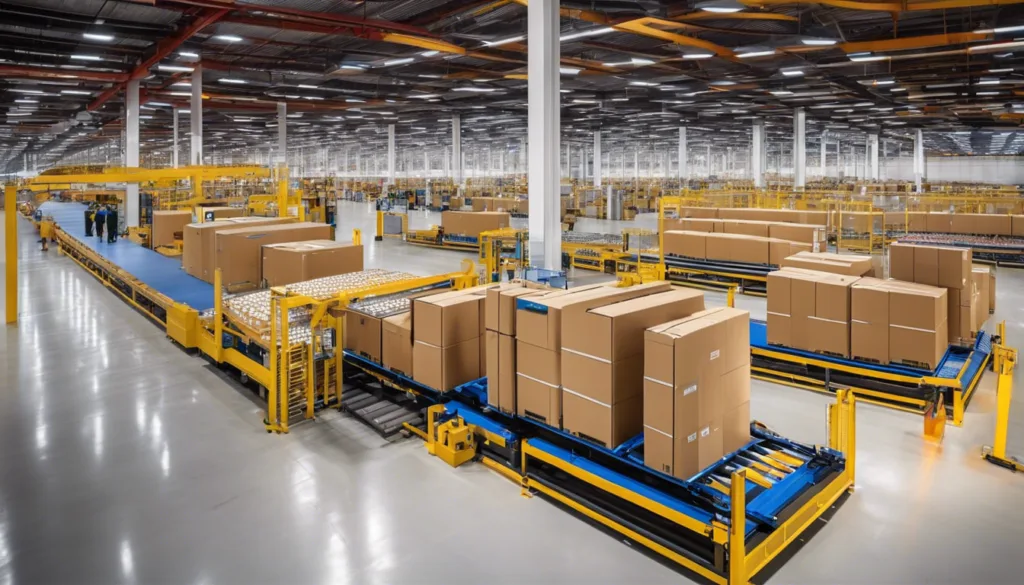
Thermal paper can also play a crucial role in enhancing shipping efficiency. During drone deliveries, a thermal paper label can be printed that includes essential information such as the delivery time, recipient details, and package tracking number. This label is affixed to the package upon delivery, providing both the recipient and logistics teams with immediate confirmation of the delivery. The integration of thermal paper ensures that all relevant information is captured and easily accessible, which helps in managing shipping processes and resolving any potential issues quickly. For businesses in the logistics sector, utilizing high-quality thermal paper products can significantly improve the accuracy and efficiency of delivery operations.
Agricultural Applications
In agriculture, the combination of drone technology and thermal paper is particularly beneficial. Drones can monitor large areas of farmland, collect valuable data on crop health, and assist in optimizing the use of resources. By integrating thermal paper into this process, farmers can receive immediate reports on-site. For example, a drone might generate thermal paper labels indicating which parts of the field need more water or fertilizer. This real-time reporting allows farmers to act promptly and efficiently, leading to better crop management and resource utilization.
Disaster Relief and Emergency Services
In disaster relief and emergency response scenarios, speed and accuracy are critical. Drones have become indispensable tools in providing real-time updates from areas that are difficult to access. By incorporating thermal paper technology, drones can print detailed maps, instructions, or labels for emergency supplies directly on-site. This capability is especially useful in regions with limited or no digital connectivity, as it allows rescue teams to receive crucial information immediately. Whether it’s printing labels for supplies or providing instructions for coordination, thermal paper helps in managing disaster response efforts more effectively.
Integrating drones with thermal paper technology offers a multitude of benefits across various sectors, from agriculture and infrastructure to logistics and disaster relief. By utilizing these advancements, businesses and organizations can enhance their operational efficiency, improve data accuracy, and respond more effectively to real-time needs.
Advantages of Combining Thermal Paper and Drones
The fusion of thermal paper and drone technology offers a range of compelling benefits across various industries. This combination not only enhances operational efficiency but also addresses specific challenges faced by modern businesses. Here’s a detailed look at the advantages:
Real-Time Documentation
One of the most transformative benefits of integrating thermal paper with drones is the ability to generate real-time physical documentation. Drones equipped with thermal printers can produce instant records directly at the point of operation. This capability is particularly valuable in scenarios where immediate data is crucial. For instance:
Field Operations: In agriculture, drones can survey crops and print out immediate reports on crop health, water needs, or pest issues. This allows farmers to take swift action based on the latest data, enhancing farm management and productivity.
Inspection Reports: In infrastructure inspections, drones can provide real-time condition reports by printing out inspection labels or safety warnings. This instant documentation helps engineers and maintenance teams to address issues promptly.
Real-time documentation ensures that critical information is always at hand, reducing delays and improving decision-making processes.
Durability and Reliability
Thermal paper is renowned for its robustness, which makes it particularly suitable for use in challenging environments. The durability of thermal paper ensures that it maintains its quality and readability under various conditions:
Extreme Weather: Thermal paper can withstand extreme temperatures and humidity, making it ideal for use in outdoor and industrial settings. For example, in disaster relief operations, thermal paper can endure harsh weather conditions while still providing legible documentation.
Rough Handling: Whether it’s during shipping, fieldwork, or emergency situations, thermal paper remains intact despite rough handling. This reliability is crucial for sectors where documents need to survive physical stress and environmental factors.
The resilience of thermal paper guarantees that important records remain accessible and readable even in less-than-ideal conditions.
Cost-Effectiveness

Integrating thermal paper with drone technology offers a cost-effective solution for businesses. This advantage stems from several factors:
Low-Cost Printing: Thermal paper printing is inherently cost-effective because it doesn’t require ink or toner. This not only reduces the cost of consumables but also simplifies maintenance and operational expenses. For businesses that use drones for frequent deliveries or inspections, the savings on printing costs can be substantial.
Operational Efficiency: Drones are already known for their efficiency in tasks such as delivery and data collection. When combined with thermal paper, this efficiency is enhanced further. For instance, drones can deliver packages to remote locations and print receipts or labels on-site, reducing the need for additional processes or infrastructure.
Overall, the combination of thermal paper and drones leverages cost-effective technologies to streamline operations and reduce expenses.
Enhanced Operational Flexibility
The integration of thermal paper and drones offers flexibility that can adapt to various operational needs:
Customizable Outputs: Thermal paper allows for customized output formats, such as receipts, labels, or reports, which can be tailored to the specific needs of the industry. This flexibility is beneficial for businesses that require different types of documentation depending on the context of the operation.
Versatile Applications: Whether used in agriculture, logistics, infrastructure inspections, or disaster response, the combination of thermal paper and drones provides versatile solutions that can be adapted to a wide range of scenarios.
This operational flexibility ensures that businesses can effectively address diverse challenges and requirements.
Improved Efficiency and Accuracy
Combining drones with thermal paper enhances both efficiency and accuracy in data handling:
Instant Printing: The ability to print documents immediately at the point of operation reduces the time required for data processing and reporting. This instant printing capability improves overall efficiency and accelerates decision-making.
Accurate Records: Thermal paper provides clear and precise documentation, reducing the likelihood of errors associated with manual data entry or digital recording methods. Accurate records are essential for maintaining quality and compliance across various industries.
In summary, the advantages of combining thermal paper with drone technology include real-time documentation, durability, cost-effectiveness, operational flexibility, and improved efficiency and accuracy. These benefits contribute to more effective and streamlined operations, making this integration a valuable asset for modern businesses.
Challenges and Considerations
While the integration of drones with thermal paper offers significant benefits, several challenges must be addressed to fully realize its potential. Understanding these challenges and finding effective solutions is crucial for successful implementation.
System Integration
One of the primary challenges in combining drones with thermal paper is the integration of different technologies. This involves several key considerations:
Hardware Compatibility: Drones and thermal printers operate on different hardware platforms. Ensuring that a drone can effectively interface with a thermal printer requires specialized adapters and interfaces. This may involve custom modifications to the drone’s payload or the thermal printer’s setup to facilitate smooth communication between the two devices.
Software Integration: Seamlessly transferring data from the drone’s imaging system to the thermal printer necessitates sophisticated software solutions. Businesses must invest in custom software or integration platforms that can handle data processing and formatting. This software must manage the conversion of drone-captured data into a format suitable for thermal printing while maintaining accuracy and clarity.
Data Management: Efficient data management is essential for integrating drones with thermal printing. Businesses need systems that can handle real-time data streaming from the drone and ensure that the correct information is printed. This includes managing data storage, processing, and transmission to avoid delays or errors.
Investing in these custom solutions may require significant upfront costs and technical expertise, but it is essential for achieving reliable and efficient operation.
Environmental Factors
Drones often operate in diverse and challenging environments, which can impact the performance and durability of thermal paper. Several environmental factors need to be considered:
Temperature Extremes: Drones may be used in very hot or cold conditions, which can affect thermal paper’s performance. High temperatures can cause thermal prints to fade or become unreadable, while extreme cold can make the paper brittle. To address this, thermal paper must be designed to withstand temperature variations. Products from our thermal paper collection are engineered to maintain readability and durability in a range of environmental conditions.
Humidity and Moisture: Humidity and moisture can cause thermal paper to curl, stick together, or degrade, potentially impacting the clarity of printed information. In areas with high humidity or exposure to rain, it is crucial to use thermal paper with enhanced moisture resistance. Our collection includes options specifically developed to resist moisture and maintain performance in humid environments.
Exposure to Elements: Drones used in outdoor settings are exposed to various elements, including dust, wind, and rain. These factors can affect the integrity of thermal prints. Selecting thermal paper with superior resistance to environmental stressors can help ensure that prints remain legible and intact even in harsh conditions.
Operational Costs
While combining drones with thermal paper can be cost-effective in many ways, businesses should also consider the ongoing operational costs:
Maintenance and Repairs: Both drones and thermal printers require regular maintenance to ensure optimal performance. This includes routine checks, repairs, and potential upgrades. Businesses must account for these maintenance costs when planning their integration strategy.
Consumables and Supplies: Although thermal paper eliminates the need for ink and toner, businesses must still manage the cost of thermal paper rolls and printer maintenance supplies. Bulk purchasing and efficient inventory management can help control these costs.
Regulatory Compliance
Depending on the industry, regulatory compliance may affect the use of drones and thermal paper:
Data Privacy: When using drones to capture data, especially in sensitive areas, businesses must ensure that data collection and printing comply with privacy regulations. This includes safeguarding personal information and obtaining necessary permissions for data capture and usage.
Industry Standards: Different industries may have specific standards for documentation and record-keeping. Businesses need to ensure that the thermal paper used meets industry requirements for durability, readability, and compliance with legal standards.
By addressing these challenges and considerations, businesses can effectively integrate drones with thermal paper, leveraging the advantages of both technologies while mitigating potential issues. Careful planning and investment in the right solutions will lead to successful implementation and enhanced operational efficiency.

Future Trends in Thermal Paper and Drone Integration
As technology continues to advance, the integration of thermal paper and drones is poised to offer even greater benefits and capabilities. The future of this technology convergence promises to enhance operational efficiency, environmental sustainability, and operational flexibility across various industries.
Advancements in Thermal Paper
Thermal paper technology is undergoing significant advancements, driven by the need for greater sustainability and durability. Here’s what the future holds for thermal paper:
Sustainability Improvements: With increasing awareness of environmental issues, there is a strong push towards making thermal paper more eco-friendly. Future developments include biodegradable and recyclable thermal paper options that reduce waste and environmental impact. These innovations aim to offer the same high performance while aligning with global sustainability goals. Businesses can expect thermal paper products that not only meet functional requirements but also contribute to a greener planet.
Enhanced Durability: Advances in thermal paper technology are focusing on improving durability to withstand harsher conditions. This includes developing papers that resist fading, moisture, and extreme temperatures better than current options. Such improvements ensure that thermal documents remain legible and intact even in challenging environments, making them more reliable for long-term use.
Advanced Features: Future thermal paper may incorporate additional features such as anti-counterfeiting measures or embedded sensors. These features could provide added security and functionality, making thermal paper an even more valuable tool for various applications.
Emerging Drone Capabilities
Drones are evolving rapidly, with advancements that will significantly enhance their integration with thermal paper. Here’s a look at some of the emerging capabilities:
Increased Autonomy: Drones are becoming more autonomous, equipped with advanced artificial intelligence (AI) and machine learning algorithms. This increased autonomy allows drones to perform complex tasks with minimal human intervention. For example, drones could autonomously monitor agricultural fields, analyze crop health, and print detailed reports on thermal paper without needing constant oversight. This level of automation will streamline operations and improve efficiency in various sectors.
Enhanced Precision: Future drones will likely feature improved sensors and imaging technologies, allowing for more precise data collection. This enhanced precision will enable drones to capture high-resolution thermal images and produce accurate, detailed thermal paper reports. Whether used in infrastructure inspections or environmental monitoring, these capabilities will provide valuable insights and support more informed decision-making.
Expanded Applications: As drones become more versatile, their applications will broaden. In logistics, drones could handle more complex delivery tasks, such as multi-stop routes or automated inventory management. In disaster relief, drones might be equipped with advanced thermal imaging and thermal printing to provide real-time, actionable information to rescue teams. The combination of advanced drone capabilities and thermal paper will offer new solutions that address a wide range of operational challenges.
Integration of Emerging Technologies
The integration of drones and thermal paper will also benefit from advancements in other emerging technologies:
Internet of Things (IoT): Drones equipped with IoT capabilities can communicate with other devices and systems, providing real-time data that is instantly printed on thermal paper. This connectivity will enhance the efficiency of data collection and reporting, making it easier to manage and analyze information.
Blockchain Technology: Blockchain technology could be used to secure and verify the data captured by drones and printed on thermal paper. This would ensure the authenticity and integrity of documents, especially in industries where data security and traceability are critical.
Augmented Reality (AR): AR technology can provide real-time overlays of drone-captured data on thermal paper prints. This could be used to enhance field inspections or provide additional context for printed reports, making it easier for users to interpret and act on the information.
In summary, the future of thermal paper and drone integration is full of potential. With ongoing advancements in both technologies, businesses can look forward to more sustainable, durable, and versatile solutions that enhance operational efficiency and provide valuable insights across various industries. As these technologies continue to evolve, their combined capabilities will drive innovation and transform how we approach data collection, logistics, and many other applications.
Conclusion
Thermal paper and drones, two seemingly unrelated technologies, are proving to be a powerful combination across multiple industries. From logistics and agriculture to disaster relief, their integration enhances efficiency, reduces costs, and ensures real-time documentation. If you’re looking to explore how thermal paper can elevate your business operations, visit our thermal paper collection for high-quality products designed to meet your needs. By embracing the synergy between thermal paper and drone technology, businesses can stay ahead of the curve, improving not just their efficiency but also their sustainability and customer satisfaction in the process.