
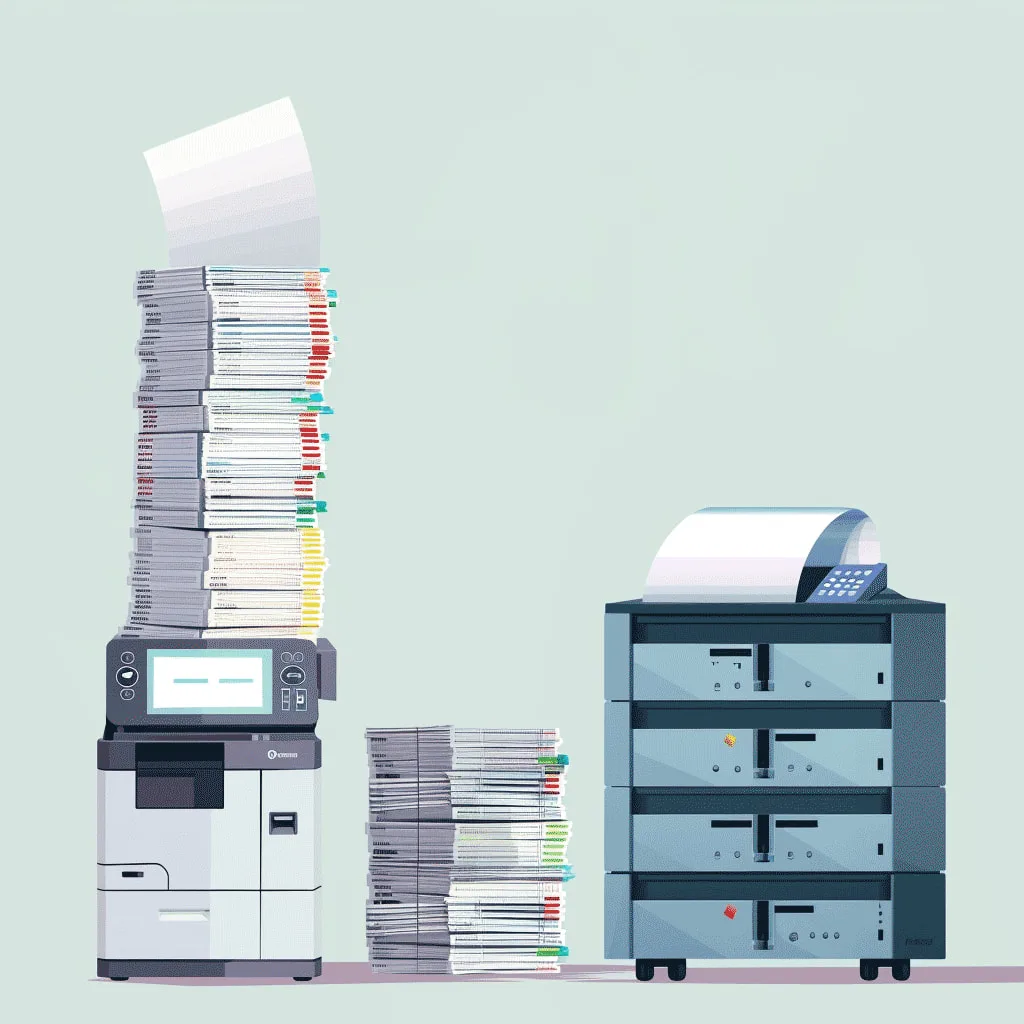
In an era where technology continuously evolves, the simple yet significant role of thermal paper in documenting cultural heritage often goes unnoticed. As a versatile medium for recording information, thermal paper bridges the gap between modern documentation practices and the preservation of cultural traditions. At Stingbull Ribbon, where we offer a diverse range of products including thermal paper, understanding this intersection can illuminate how technology serves to safeguard our rich heritage.
The Role of Thermal Paper in Modern Documentation
Thermal paper, renowned for its speed and efficiency, has become a staple in a multitude of industries, including retail, healthcare, and transportation. Its widespread adoption is primarily due to its ability to produce high-quality, reliable prints quickly and without the need for ink. This unique characteristic makes thermal paper an invaluable tool for various documentation needs, ensuring both accuracy and efficiency in everyday operations.
Retail Industry
In the retail sector, thermal paper is a critical component of point-of-sale (POS) systems. The ability to generate receipts rapidly at checkout counters enhances the customer experience by reducing wait times and ensuring smooth transactions. Retailers also utilize thermal paper for printing barcode labels and price tags, which are essential for inventory management and product identification. The clarity and durability of thermal prints help in maintaining accurate records, thereby streamlining business operations and improving customer service.
Healthcare Sector
The healthcare industry relies heavily on thermal paper for patient record-keeping and administrative tasks. Thermal printers are used to produce patient wristbands, medication labels, and various forms of documentation that require quick and clear printing. The precision and legibility of thermal prints are crucial in a healthcare setting, where accurate information can significantly impact patient care. Additionally, thermal printing technology helps in maintaining hygiene standards, as it eliminates the need for ink cartridges that can potentially introduce contaminants.
Transportation Industry
In the transportation sector, thermal paper plays a vital role in ticketing and fare collection systems. Thermal printers are used to issue tickets for buses, trains, and airplanes, offering a quick and efficient solution for managing passenger flow. The durability of thermal prints ensures that tickets remain readable throughout the journey, minimizing issues related to ticket validation and fare collection. Moreover, thermal paper is used for printing boarding passes and baggage tags, further contributing to the seamless operation of transportation services.
Hospitality Industry
Thermal paper is also widely used in the hospitality industry, particularly in restaurants and hotels. In restaurants, thermal printers are employed to print order tickets that are sent directly to the kitchen, ensuring accurate and timely food preparation. For hotels, thermal paper is used to print guest folios, booking confirmations, and receipts. The efficiency and reliability of thermal printing enhance the guest experience by facilitating smooth check-ins and check-outs, and accurate billing.
Office and Administrative Use
Beyond these industries, thermal paper finds applications in various office and administrative settings. Companies use thermal printers for printing invoices, shipping labels, and other essential documents. The low maintenance requirements and high-speed printing capabilities make thermal printers an attractive option for businesses seeking to optimize their documentation processes. The absence of ink cartridges also translates to cost savings and reduced downtime, further boosting productivity.
Environmental Considerations

While thermal paper offers numerous advantages, it is also important to consider its environmental impact. The production and disposal of thermal paper have ecological implications, prompting a shift towards more sustainable practices. Advances in thermal paper technology are focusing on creating eco-friendly options that minimize environmental harm without compromising on performance. By adopting recycled and sustainable thermal paper products, businesses can contribute to global sustainability efforts while enjoying the benefits of this versatile documentation tool.
The role of thermal paper in modern documentation is multifaceted and essential across various industries. Its ability to provide quick, reliable, and high-quality prints makes it a preferred choice for businesses looking to enhance their operational efficiency and accuracy. As technology continues to evolve, the applications of thermal paper are likely to expand, further solidifying its importance in contemporary documentation practices.
Preserving Cultural Heritage with Thermal Paper
Beyond its conventional uses, thermal paper plays a pivotal role in documenting and preserving cultural heritage. This function is invaluable in various contexts where maintaining detailed and accurate records is essential for historical and cultural preservation. Here are some key areas where thermal paper is making a significant impact:
Archiving Historical Records
Thermal paper’s durability and ease of use make it an excellent medium for archiving documents related to historical events and figures. Museums, archives, and cultural institutions can leverage thermal printing technology to create detailed records of artifacts, exhibitions, and significant historical documents. For example, thermal paper can be used to print descriptions of historical items, cataloging their origin, age, and significance. This ensures that even if the original documents or artifacts are lost or damaged, there remains a high-quality, durable record. The clear, legible prints provided by thermal printers are crucial for maintaining the integrity and readability of historical information over time.
Cultural Event Documentation
From traditional festivals to ceremonial events, thermal paper is used extensively to print tickets, programs, and receipts. These items are not only essential for the smooth management of events but also serve as tangible records of cultural activities. For instance, a thermal printer can quickly generate thousands of tickets for a cultural festival, each one providing a keepsake for attendees and a record for organizers. Programs printed on thermal paper can detail the event’s schedule, participants, and background information, offering a snapshot of cultural heritage that can be preserved for future reference. Additionally, receipts and other printed materials provide a financial and logistical record of the event, which is crucial for historical archives.
Art and Craft Documentation
Traditional art forms and crafts greatly benefit from the use of thermal paper in documenting their creation and history. Artists and craftspeople can use thermal printers to produce detailed descriptions and histories of their artworks and craft techniques. For example, a potter might use thermal paper to print a step-by-step guide of their unique glazing technique, including illustrations and detailed notes. These documents ensure that the knowledge and skills associated with traditional crafts are preserved and passed down to future generations. Museums and galleries can also use thermal paper to print exhibit labels and informational brochures that provide visitors with context and background about the displayed artworks and crafts. This not only enhances the visitor experience but also serves as an educational tool that helps preserve cultural knowledge.
Oral Histories and Personal Stories
In addition to visual and tangible artifacts, thermal paper can be used to document oral histories and personal stories that are integral to cultural heritage. Transcriptions of interviews, speeches, and personal narratives can be printed on thermal paper, creating a durable and easily accessible record of these valuable testimonies. For example, a community project might involve recording the stories of elders about their experiences and traditions, which are then transcribed and printed using thermal paper. These printed records can be archived and used for educational purposes, ensuring that the voices and experiences of individuals are preserved as part of the broader cultural heritage.
Educational Materials and Outreach
Educational institutions and cultural organizations can utilize thermal paper to produce materials that promote and educate about cultural heritage. Flyers, brochures, and educational booklets printed on thermal paper can provide information about cultural events, historical sites, and traditional practices. These materials are especially useful for outreach programs that aim to raise awareness and appreciation of cultural heritage among the general public. The cost-effectiveness and efficiency of thermal printing make it an ideal choice for producing large quantities of educational materials quickly and reliably.
Community and Family Archives
Thermal paper also plays a role in preserving family and community histories. Families can use thermal printers to document genealogies, family stories, and important events, creating a tangible record that can be passed down through generations. Community groups can similarly document local histories, preserving the collective memory of neighborhoods and towns. These records contribute to a richer, more personal understanding of cultural heritage, complementing the broader historical narratives preserved by larger institutions.
Thermal paper is a versatile and valuable tool for documenting and preserving cultural heritage. Its durability, ease of use, and ability to produce high-quality prints make it an ideal medium for a wide range of archival and documentation purposes. By leveraging the benefits of thermal printing technology, we can ensure that cultural traditions, historical records, and personal stories are preserved for future generations to learn from and appreciate.
Challenges and Considerations
While thermal paper offers many advantages, there are challenges associated with its use in cultural heritage documentation. These challenges must be addressed to ensure the longevity and sustainability of thermal prints in preserving historical and cultural records.

Durability of Thermal Paper
One significant concern is the longevity of thermal prints. Over time, thermal paper can fade or deteriorate due to exposure to light, heat, and environmental pollutants. This fading can potentially compromise the integrity of historical records, making them unreadable and unusable for future generations. For instance, a thermal-printed document detailing a significant cultural event may lose its clarity and detail if not stored correctly, leading to a loss of valuable historical information. To mitigate these issues, it is crucial to adopt best practices for storage and preservation. This includes:
Controlled Environment:
Storing thermal prints in a controlled environment with stable temperature and humidity levels can significantly extend their lifespan. Avoiding exposure to direct sunlight and excessive heat is essential.
Protective Enclosures:
Using archival-quality storage materials such as acid-free folders, envelopes, and boxes can protect thermal prints from environmental damage. These materials help prevent the paper from yellowing and the print from fading.
Regular Monitoring:
Periodically checking the condition of stored thermal documents can help identify any signs of deterioration early. This allows for timely intervention and preservation measures.
Environmental Impact
The production and disposal of thermal paper have notable environmental implications. The chemicals used in the thermal printing process and the paper itself can contribute to environmental pollution if not managed properly. As businesses and institutions increasingly adopt sustainable practices, exploring eco-friendly thermal paper options becomes essential. Considerations for minimizing the environmental impact of thermal paper include:
Sustainable Sourcing:
Choosing thermal paper made from sustainably sourced raw materials can reduce the environmental footprint. Look for products certified by environmental organizations that ensure responsible forestry practices.
Recycling and Disposal:
Implementing recycling programs for used thermal paper can help minimize waste. Many recycling facilities now accept thermal paper, allowing it to be processed and reused rather than ending up in landfills.
Eco-friendly Alternatives:
Advances in thermal paper technology are leading to the development of eco-friendly options that use fewer harmful chemicals and are more biodegradable. Adopting these alternatives can help businesses and institutions reduce their environmental impact.
Preservation Techniques
To ensure the longevity of thermal documents, proper preservation techniques are necessary. These techniques help maintain the integrity and readability of thermal prints over time, ensuring that valuable cultural and historical records are not lost. Effective preservation strategies include:
Archival-quality Materials:
Using archival-quality storage materials that are acid-free and lignin-free can help protect thermal prints from chemical reactions that cause deterioration. These materials provide a stable and safe environment for long-term storage.
Climate Control:
Maintaining appropriate environmental conditions is crucial for preserving thermal prints. Ideal storage conditions include a cool, dry environment with limited fluctuations in temperature and humidity. Specialized climate-controlled storage facilities can offer optimal conditions for preserving sensitive documents.
Digitization:
Digitizing thermal prints and storing digital copies in a secure, accessible format can provide an additional layer of preservation. Digital archives allow for the easy retrieval and sharing of information while protecting the original physical documents from handling and environmental exposure.
Handling Protocols:
Implementing proper handling protocols to minimize physical damage to thermal prints is essential. This includes using clean hands or gloves when handling documents, avoiding unnecessary bending or folding, and providing adequate support when transporting prints.
In conclusion, while thermal paper offers numerous benefits for documenting and preserving cultural heritage, addressing the challenges of durability, environmental impact, and preservation techniques is crucial. By adopting best practices and exploring sustainable options, we can ensure that thermal prints remain a reliable and valuable tool for safeguarding our cultural and historical legacy.
Innovations in Thermal Paper for Heritage Documentation
Advancements in thermal paper technology are addressing many of the challenges associated with its use in cultural heritage documentation. These innovations not only enhance the durability and environmental sustainability of thermal paper but also integrate it more effectively with modern digital preservation techniques.

Advances in Paper Technology
New developments in thermal paper production are focusing on creating more resilient and eco-friendly options. These advancements include:
Enhanced Durability:
Researchers are developing thermal paper that is more resistant to environmental factors such as light, heat, and humidity. These improvements help ensure that thermal prints maintain their integrity and readability over longer periods, which is crucial for preserving historical records. For example, new coatings and additives are being introduced to protect the printed material from fading and deterioration.
Eco-friendly Materials:
There is a growing emphasis on producing thermal paper using sustainable and biodegradable materials. Innovations in this area include the use of recycled fibers and non-toxic chemicals in the manufacturing process. These eco-friendly thermal papers not only reduce the environmental impact but also meet the increasing demand for sustainable documentation solutions in cultural heritage institutions.
Chemical-free Alternatives: Advances are also being made in developing thermal paper that does not rely on BPA (Bisphenol A) or other potentially harmful chemicals. These chemical-free alternatives provide a safer option for both the environment and individuals handling the documents.
Digital Integration
Combining thermal paper with digital archiving solutions offers a dual approach to preservation that maximizes the longevity and accessibility of cultural heritage documentation. Key aspects of this integration include:
Digitization of Thermal Prints:
Institutions can digitize thermal prints to create backup copies and ensure that historical records are preserved even if the physical paper deteriorates. High-resolution scanning technology allows for the capture of detailed digital replicas of thermal documents, which can be stored in digital archives and accessed easily.
Metadata Enrichment:
Digital versions of thermal prints can be enriched with metadata, including information about the document’s origin, context, and significance. This additional data enhances the usability of the digital archive and provides a more comprehensive understanding of the cultural heritage materials.
Hybrid Solutions: Some modern thermal printers are equipped with built-in digital storage capabilities, allowing documents to be printed and simultaneously saved as digital files. This hybrid approach ensures that each document has both a physical and a digital presence from the moment it is created.
Case Studies
Various institutions have successfully integrated thermal paper into their heritage documentation practices, demonstrating its versatility and effectiveness. Here are a few examples:
Museums: Museums around the world use thermal paper to document exhibitions and collections. For instance, a museum might use thermal paper to print detailed labels and descriptions for artifacts on display. These printed materials provide visitors with valuable information while also serving as a record of the exhibition for archival purposes. Some museums have also digitized their thermal print records, creating comprehensive digital archives that complement their physical collections.
Cultural Festivals:
Cultural festivals often rely on thermal paper for printing tickets, programs, and promotional materials. These documents are essential for event management and also serve as historical records of the festival. For example, a traditional music festival might use thermal tickets to manage entry and attendance. After the event, these tickets, along with digitized copies, can be archived to preserve the festival’s history and legacy.
Libraries and Archives:
Libraries and archives use thermal paper to produce copies of fragile documents, ensuring that the information remains accessible even if the original items cannot be handled frequently. For instance, a library might print copies of rare manuscripts on durable thermal paper for everyday use, while the originals are kept in controlled storage conditions. Additionally, digitized versions of these prints can be made available online, expanding access to the library’s collections.
Academic Institutions:
Universities and research institutions use thermal paper for documenting and sharing research findings, particularly in field studies where portable and reliable printing solutions are needed. Thermal printers allow researchers to produce immediate, high-quality prints of their data and observations, which can be both physically archived and digitally stored.
Innovations in thermal paper technology are significantly enhancing its role in heritage documentation. By improving the durability and sustainability of thermal paper and integrating it with digital archiving solutions, institutions can ensure that cultural heritage materials are preserved for future generations. These advancements not only address the challenges associated with thermal paper but also open new possibilities for its use in safeguarding our cultural and historical legacy.
The Future of Thermal Paper in Cultural Heritage
Looking ahead, thermal paper’s role in cultural heritage documentation is poised to evolve. Emerging technologies and trends will continue to shape how thermal paper is used in preserving traditions. Innovations such as advanced printing technologies and improved sustainability practices will enhance the effectiveness of thermal paper in this vital role.
In conclusion, thermal paper is more than just a medium for transactions; it is a valuable tool for documenting and preserving cultural heritage. By understanding its applications and addressing its challenges, we can ensure that this technology continues to contribute to the safeguarding of our traditions for future generations.
For those interested in exploring the range of thermal paper options available, visit our Thermal Paper Collection to find products that meet your documentation needs.