

In today’s fast-paced world, efficiency and accuracy are key drivers in business operations. One of the essential tools in enhancing these capabilities is thermal paper, especially when combined with cutting-edge technology like Artificial Intelligence (AI). This powerful synergy is reshaping industries from retail to healthcare, logistics, and beyond. In this article, we’ll explore how AI is transforming the role of thermal paper and how businesses can leverage this innovative combination for superior data processing capabilities.
The Role of Thermal Paper in Data Processing
Thermal paper is essential in modern data processing across various industries, offering efficiency, speed, and high-quality output. Let’s delve into its key uses and the benefits it brings to different sectors.
Thermal Paper in Retail
In the retail sector, thermal paper plays a crucial role in customer transactions. Whether it’s printing receipts, price tags, or product labels, thermal paper ensures a seamless experience for both businesses and consumers. The primary advantage of thermal paper in this context is its ink-free printing process, which not only reduces costs but also eliminates the need for cartridges or ribbons, making it a more sustainable option for retailers.
Thermal paper is also vital in creating dynamic pricing labels that can be adjusted in real-time. Retailers use thermal printers to print tags that can change based on stock levels, sales, or promotions. This flexibility allows businesses to adapt quickly to market changes, optimize their pricing strategies, and improve profitability.
Thermal Paper in Logistics and Supply Chain
Logistics is another field where thermal paper proves indispensable. Shipping labels, barcodes, and tracking information are printed on thermal paper, facilitating smoother inventory management and shipment tracking. Thermal paper’s durability ensures that labels remain intact throughout the shipping process, even under adverse conditions such as humidity or temperature fluctuations.
Using thermal paper for barcodes improves accuracy in inventory tracking by ensuring that every item is scanned and recorded correctly in real-time. As a result, businesses can streamline their supply chain operations, reduce human error, and track products more effectively from warehouse to customer.
Thermal Paper in Healthcare
The healthcare industry also relies heavily on thermal paper for various crucial tasks, including printing prescriptions, patient identification labels, and diagnostic reports. These materials need to be clear, legible, and produced quickly, which is where thermal paper excels. It provides a fast and efficient solution for hospitals, clinics, and pharmacies to print accurate, readable information on the spot.
Thermal paper’s high-speed printing capability is essential in healthcare settings where time is of the essence, and mistakes can have significant consequences. Additionally, as patient data is increasingly digitized, the integration of thermal paper with digital systems can help bridge the gap between paper records and electronic health systems.
AI-Enhanced Data Processing with Thermal Paper
While thermal paper has proven its worth in traditional applications, the combination of thermal paper with artificial intelligence (AI) systems takes its potential to the next level. AI can enhance the use of thermal paper by streamlining processes, predicting trends, and enabling more efficient data processing.
Automation: AI-powered systems can automate the printing of receipts, labels, and tags based on real-time data from customer transactions or inventory systems. This reduces manual input, speeds up operations, and minimizes errors. AI-driven software can also analyze purchase patterns and generate personalized receipts or discounts directly printed on thermal paper.
Predictive Analytics: AI can analyze the data encoded in thermal paper labels to forecast future inventory needs, predict sales trends, and optimize stock levels. By integrating thermal paper into AI-powered systems, businesses can make more informed decisions and plan ahead to avoid stockouts or overstocking.
Personalized Data: With AI, businesses can use thermal paper for more than just transactional information. Retailers can print personalized recommendations on receipts based on previous purchases, enhancing customer experience and loyalty. AI could also provide personalized offers or discounts tailored to each individual customer, directly on their thermal receipt.
By integrating AI into thermal paper-based systems, industries can unlock new levels of operational efficiency and customer engagement, making thermal paper an even more valuable asset in data processing.
How AI Enhances Thermal Paper Applications
The integration of Artificial Intelligence (AI) into thermal paper applications significantly enhances operational efficiency, accuracy, and customer experience across various industries. By optimizing key processes, AI brings a level of sophistication to thermal printing systems that was previously unimaginable. Here are several key ways AI is transforming the use of thermal paper:
AI-Driven Optimization in Printing
Traditional thermal printers are efficient, but they can be further enhanced through AI to achieve greater accuracy and sustainability. One of the core applications of AI in thermal printing is optimization. AI algorithms can analyze various variables, such as temperature and print speed, adjusting them to ensure that thermal paper is used efficiently. This process minimizes waste and reduces energy consumption, making printing operations not only faster but also more eco-friendly.
By utilizing AI for printing optimization, businesses can extend the life of thermal paper rolls, reduce ink and paper waste, and lower overall operating costs. AI can also adjust print quality in real-time, ensuring that the prints are clear and legible without unnecessary overuse of resources. This level of precision improves the overall efficiency of operations, especially in industries with high-volume printing needs such as retail, logistics, and healthcare.
Smart Inventory Management
One of the most groundbreaking applications of AI in conjunction with thermal paper is in inventory management. Thermal paper is widely used for printing shipping labels, barcodes, and other tracking systems, making it an essential tool for logistics and stock management. AI takes this a step further by analyzing real-time data from thermal labels and barcodes.
AI can automatically update inventory records, track product movements, and predict when stock needs to be replenished. This reduces the need for manual data entry, which is prone to human error, and ensures that businesses maintain optimal inventory levels at all times. By integrating AI with thermal paper, businesses can streamline their supply chains, avoid stockouts or overstocking, and improve overall efficiency.
For example, in a retail environment, AI can instantly recognize when items are sold and print new labels for replenishment on thermal paper. This reduces downtime and allows for faster turnaround in stocking and restocking processes, leading to higher sales potential and improved customer satisfaction.
Predictive Maintenance for Printers
AI can also improve the longevity and performance of thermal printers through predictive maintenance. Thermal printers are often subject to wear and tear due to continuous use, especially in fast-paced environments like retail or logistics. However, AI-powered systems can monitor the printer’s usage patterns and predict when the printer will require maintenance or need a part replacement.
By analyzing usage data, AI can generate predictive alerts, allowing businesses to perform maintenance before a printer breaks down. This reduces downtime and avoids costly repairs or replacements due to unexpected printer malfunctions. For businesses operating with multiple thermal printers, such as in retail stores or distribution centers, predictive maintenance ensures continuous operations and smoother workflows.
Personalized Data Processing
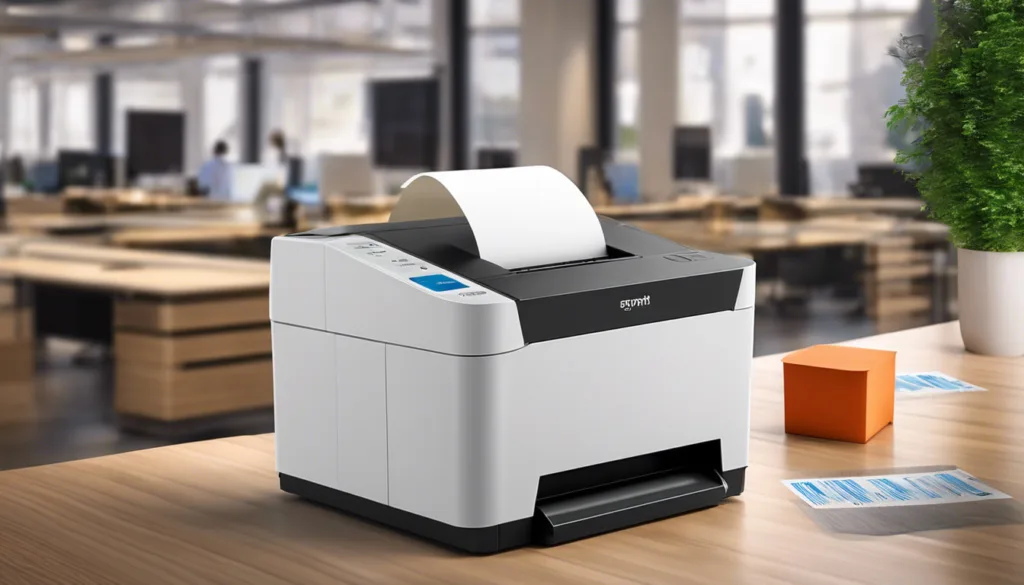
One of the most exciting benefits of combining AI with thermal paper is the ability to offer personalized data processing in real-time. This is especially valuable in customer-facing industries like retail, where businesses aim to deliver personalized shopping experiences.
AI can analyze customer data—such as purchase history, preferences, and browsing habits—and print dynamic pricing labels or personalized receipts on thermal paper. For example, after a customer makes a purchase, AI could generate a receipt with personalized discounts for future purchases or tailored product recommendations, all printed instantly on thermal paper. This not only enhances the customer experience but also fosters brand loyalty and encourages repeat business.
AI can also help businesses optimize promotions. For instance, a dynamic pricing system powered by AI could adjust product prices based on demand, competitor prices, or inventory levels, and print updated labels on thermal paper in real-time. This allows businesses to remain competitive and agile in a constantly changing market.
Enhanced Customer Insights
AI and thermal paper together provide valuable insights into consumer behavior, which businesses can use to refine their strategies. For example, AI can analyze transaction data printed on thermal receipts to track customer spending habits, which can then be used to tailor future marketing campaigns or improve product offerings. By printing this data on thermal paper, businesses have a simple, cost-effective way to deliver essential insights to both employees and customers in an instant.
Moreover, AI-powered thermal printers can enable businesses to track and process sales data faster than ever before. With real-time analytics, businesses can understand how products are performing, spot trends, and adjust their inventory and marketing strategies accordingly. This results in more responsive and agile decision-making processes, ultimately benefiting the bottom line.
For businesses looking to integrate AI with thermal paper for improved efficiency and personalized customer experiences, explore our Thermal Paper Collection, which features high-quality thermal paper products designed to seamlessly work with advanced AI systems.
AI is revolutionizing the way thermal paper is used, bringing smarter, more efficient, and sustainable solutions to industries ranging from retail to logistics and healthcare. By optimizing printing processes, enhancing inventory management, and enabling personalized data processing, AI elevates the value of thermal paper and unlocks new levels of operational efficiency. Whether you’re in retail, logistics, or healthcare, embracing AI-powered thermal paper systems can help streamline your operations, boost customer satisfaction, and drive growth.
Check out our Thermal Paper Collection for top-quality, AI-ready thermal paper products that are perfect for your business needs.
Innovations in Thermal Paper for AI Integration
As artificial intelligence (AI) continues to reshape industries, thermal paper technology is evolving to meet the demands of AI-powered applications. From durability enhancements to interactive features and eco-friendly materials, these innovations are improving both the functionality and sustainability of thermal paper, enabling businesses to leverage AI for greater efficiency and customer engagement. Below are some of the latest advancements in thermal paper that support seamless integration with AI systems.
Durable Thermal Paper for AI Systems
One of the most significant innovations in thermal paper technology is the increased durability of paper designed specifically for AI applications. As businesses increasingly rely on AI-powered systems that require high-speed printing and consistent output, the durability of the thermal paper becomes essential. Traditional thermal paper may wear out or degrade when exposed to certain environmental factors like humidity, temperature changes, or excessive light. However, new formulations of thermal paper are being developed to withstand these challenges.
This new generation of resilient thermal paper is not only designed to endure harsh conditions but also ensures that the data printed, such as barcodes, labels, and QR codes, remains legible even in extreme environments. Whether it’s in outdoor retail settings, fast-paced warehouses, or logistics centers, durable thermal paper ensures that AI systems can consistently operate without interruptions, providing a reliable data stream for businesses to monitor and act on in real-time.
Interactive Thermal Paper
One of the most exciting developments in thermal paper technology is the rise of interactive thermal paper. This innovation takes thermal printing to a new level by adding functionality that allows businesses to interact directly with consumers through their printed materials. For example, imagine a clothing tag that not only displays the price but also contains a scannable QR code. This code links directly to an AI-powered platform where customers can access personalized product recommendations, view detailed product information, or receive tailored offers.
By integrating AI with thermal paper, businesses can gather valuable data on customer behavior and preferences, allowing them to deliver a more personalized shopping experience. For instance, if a customer scans the QR code on a clothing tag, the AI platform could recommend complementary items based on their browsing history or past purchases. This interactive feature creates a more dynamic and engaging experience for consumers while giving businesses real-time insights into customer behavior, which can drive more targeted marketing efforts and increase sales.
Eco-Friendly Options for AI Applications
As sustainability becomes an increasingly important consideration in both the AI and paper industries, eco-friendly thermal paper is gaining traction. Traditional thermal paper often contains harmful chemicals, such as BPA, which are harmful to the environment. However, new innovations are making it possible to produce thermal paper that is not only compatible with AI systems but also environmentally friendly.
Eco-friendly thermal paper options are being developed that are BPA-free, recyclable, and even biodegradable. These sustainable papers help reduce the environmental footprint of businesses that rely on thermal printing for AI-powered operations. With consumers and businesses alike prioritizing sustainability, choosing eco-friendly thermal paper aligns with the growing demand for greener practices, making it a valuable asset for brands looking to enhance their environmental credentials.
At StingBullRibbon, we understand the importance of sustainability, which is why our Thermal Paper Collection offers a wide range of eco-friendly thermal paper options. These papers are designed not only to support AI-driven operations but also to reduce waste and minimize environmental impact, helping businesses meet their sustainability goals without compromising on quality or performance.

Smart Packaging with AI-Enhanced Thermal Paper
Another exciting development is the integration of thermal paper with smart packaging. With AI and machine learning, thermal paper can be incorporated into packaging that tracks the entire lifecycle of a product—from manufacturing to delivery. Smart labels printed on thermal paper can provide real-time data on a product’s location, condition, and storage requirements, all of which can be monitored by AI systems. This is especially useful in industries like pharmaceuticals, where temperature-sensitive products need to be carefully tracked to ensure safety and quality.
By using AI-powered thermal labels, companies can improve their supply chain transparency, reduce the risk of lost or damaged goods, and improve overall customer satisfaction by providing accurate and timely information about products. Additionally, businesses can optimize their stock levels and improve inventory management by using data collected from these smart labels, further enhancing operational efficiency.
AI-Powered Thermal Paper for Automation
Automation is another area where AI and thermal paper are intersecting. In high-volume industries like retail and logistics, businesses are increasingly using AI-powered thermal printers to automate repetitive tasks such as printing receipts, labels, and packing slips. These printers can be integrated with AI systems to analyze real-time data and generate printed materials automatically based on customer behavior, inventory levels, or shipping schedules.
AI algorithms can predict when certain items need to be printed and adjust printing speeds and formats based on workload demands. By automating these tasks, businesses can improve operational efficiency, reduce human error, and lower costs. This level of automation is particularly beneficial in environments where speed and accuracy are critical, such as busy retail stores or fulfillment centers.
The integration of AI with thermal paper technology is unlocking a new realm of possibilities for businesses, allowing them to enhance data processing, improve customer engagement, and operate more sustainably. From durable paper designed for high-volume AI systems to interactive tags that deliver personalized experiences, these innovations are transforming the way industries use thermal paper. Whether you’re in retail, logistics, or healthcare, adopting these advanced thermal paper solutions can provide a significant competitive advantage.
For businesses looking to integrate these cutting-edge innovations, our Thermal Paper Collection offers a wide range of high-quality products designed to work seamlessly with AI-powered systems, helping you stay ahead in a rapidly evolving market.
Real-World Applications of AI and Thermal Paper
Let’s take a look at how this combination is making waves across various industries:
Retail: AI can use thermal paper to print personalized receipts and dynamic pricing labels that adjust based on factors like customer behavior and inventory levels. This data is processed in real-time, enabling retailers to optimize pricing strategies and enhance the shopping experience. For more information on our thermal paper products for retail applications, explore our Thermal Paper Collection.
Logistics: In the logistics sector, AI-enhanced thermal paper is used for printing barcodes that are automatically scanned and updated in AI-powered inventory management systems. This allows for real-time tracking of goods and ensures smoother coordination in warehouse operations. By integrating AI into their thermal paper processes, businesses can improve delivery accuracy and reduce operational costs.
Healthcare: AI and thermal paper are playing a critical role in the healthcare industry, especially in diagnostics and patient monitoring. Thermal paper is used for printing patient labels, prescriptions, and diagnostic results, while AI helps analyze the data to predict health trends, automate administrative tasks, and streamline patient care.
Sustainability in AI and Thermal Paper Synergy
Sustainability is at the core of both AI and thermal paper innovations. As businesses seek to reduce their environmental footprint, the use of eco-friendly thermal paper is gaining traction. AI can help optimize the use of materials, ensuring that thermal paper is printed only when necessary, minimizing waste, and improving the overall sustainability of operations.
Additionally, AI is helping businesses track and manage the recyclability of thermal paper, facilitating a circular economy where materials are reused or repurposed. The integration of eco-friendly options from our Thermal Paper Collection ensures that businesses can reduce their carbon footprint while improving data processing capabilities.
Future Trends and Opportunities

The combination of AI and thermal paper is still in its early stages, but the future holds tremendous potential. Here are some trends to watch for:
Smart Cities: As cities become smarter, thermal paper and AI could work together in traffic management, parking systems, and public transportation. AI could use thermal paper for real-time updates on transportation routes, payments, and system alerts.
AI-Powered Recycling: In the future, AI might play a key role in identifying and sorting recyclable thermal paper, reducing waste and promoting sustainable practices across industries.
IoT Integration: The Internet of Things (IoT) and AI are likely to merge with thermal paper in creating smarter products and systems. For example, AI could use thermal labels to monitor product conditions, like temperature or humidity, and trigger automated actions to maintain product quality.
Conclusion
The integration of AI with thermal paper is paving the way for more efficient, sustainable, and data-driven operations. By optimizing printing processes, improving inventory management, and enabling personalized customer experiences, this combination is transforming industries worldwide. Whether you’re in retail, logistics, or healthcare, embracing these advancements can significantly enhance your business operations.
If you’re ready to take advantage of this innovative combination, explore our Thermal Paper Collection for high-quality, eco-friendly options designed to integrate seamlessly with AI-driven systems.