

Introduction: Cashless transactions have undergone a remarkable evolution, transforming the way we exchange goods and services. This journey spans centuries, marked by technological innovations and shifting societal norms. Let’s explore the key milestones in this evolution and the factors driving this transformative change.
Bartering to Coinage:
The earliest form of trade involved bartering, where goods and services were exchanged directly. However, this system had limitations, including the lack of a standardized medium of exchange. The introduction of coinage in ancient civilizations such as Mesopotamia and Egypt revolutionized commerce by providing a universally accepted currency. Coins made transactions more efficient and paved the way for the emergence of markets and trade networks.
Emergence of Paper Money:
The transition from coins to paper money marked another significant milestone in the evolution of cashless transactions. Paper currency, first introduced in China during the Tang Dynasty, offered greater convenience and flexibility compared to metal coins. As trade expanded globally, paper money became a common medium of exchange, facilitating transactions across vast distances and diverse cultures.
Rise of Checks and Banking:
The invention of checks in medieval Europe introduced a new dimension to cashless transactions. Checks allowed individuals and businesses to transfer funds without the need for physical currency. The establishment of banking institutions further accelerated this transition, providing services such as deposit-taking, lending, and check clearing. The proliferation of banks and financial networks facilitated the growth of cashless transactions, enabling greater financial mobility and economic development.
Introduction of Credit Cards:
The 20th century witnessed a revolutionary innovation in cashless transactions with the introduction of credit cards. Initially issued by individual merchants and oil companies, credit cards evolved into a ubiquitous payment tool accepted by retailers worldwide. Credit cards offered consumers greater purchasing power and convenience, driving the shift away from cash-based transactions. The widespread adoption of credit cards transformed the retail landscape and laid the foundation for future advancements in electronic payments.
Digital Revolution and Electronic Payments:
The advent of the internet and digital technologies ushered in a new era of cashless transactions. Online banking, electronic funds transfer, and digital wallets revolutionized the way we manage and transfer money. Mobile payment platforms such as Apple Pay, Google Pay, and PayPal have further accelerated the transition towards cashless transactions, allowing users to make payments with their smartphones or other connected devices. The convenience, speed, and security offered by electronic payments have made them increasingly popular among consumers and businesses alike.
The evolution of cashless transactions reflects the relentless march of technological progress and changing consumer behaviors. From the days of bartering to the era of digital payments, each milestone has contributed to a more efficient, accessible, and interconnected global economy. As we continue to embrace new technologies and innovations, the journey towards a cashless society is likely to accelerate, reshaping the way we transact and interact in the modern world.
Understanding Thermal Printing
Introduction: Thermal printing stands as a cornerstone of modern cashless transactions, underpinning the seamless flow of receipts, tickets, and labels in various industries. Unlike conventional printing methods reliant on ink or toner, thermal printers harness the power of heat to create crisp, legible images on specially coated thermal paper. Let’s delve into the intricacies of thermal printing, exploring its mechanisms and myriad benefits.
The Science Behind Thermal Printing:

At the heart of thermal printing lies a simple yet ingenious principle: the application of heat to activate thermal paper. Thermal paper comprises a base layer infused with a heat-sensitive coating containing color-forming chemicals. When exposed to heat, these chemicals undergo a chemical reaction, resulting in the formation of visible images. Thermal printers employ thermal print heads equipped with numerous tiny heating elements arranged in a grid pattern. By selectively heating specific elements, the printer generates precise patterns, creating text, graphics, or barcodes with remarkable accuracy and clarity.
Types of Thermal Printing:
Thermal printing encompasses two primary methods: direct thermal and thermal transfer. Direct thermal printing involves direct application of heat to the thermal paper, causing the chemical coating to darken and produce images. This method is widely used in applications such as point-of-sale receipts, shipping labels, and medical records. In contrast, thermal transfer printing utilizes a ribbon coated with heat-sensitive ink. When heated, the ink transfers onto the paper, resulting in durable, long-lasting prints. Thermal transfer printing finds applications in barcode labeling, product packaging, and industrial signage, where durability and resistance to environmental factors are paramount.
Advantages of Thermal Printing:
Thermal printing offers a host of advantages over traditional printing methods, making it the preferred choice for many businesses and industries. Firstly, thermal printers operate at high speeds, enabling rapid production of receipts and labels, thereby enhancing workflow efficiency. Moreover, thermal printing eliminates the need for ink or toner cartridges, reducing maintenance costs and minimizing environmental impact. The simplicity of thermal printing mechanisms translates into greater reliability and fewer mechanical failures, ensuring uninterrupted operation even in demanding environments. Additionally, thermal prints exhibit excellent resistance to fading, moisture, and abrasion, making them ideal for applications requiring durability and longevity.
Applications and Industries:
Thermal printing finds applications across diverse industries, ranging from retail and healthcare to transportation and logistics. In retail environments, thermal printers generate receipts, price tags, and coupons swiftly and reliably, enhancing customer service and transaction efficiency. In healthcare settings, thermal printing facilitates the creation of patient wristbands, prescription labels, and medical charts with precision and clarity. Transportation and logistics companies rely on thermal printers to produce shipping labels, tracking codes, and delivery manifests, streamlining operations and ensuring accurate parcel handling.
Thermal printing technology epitomizes innovation and efficiency in the realm of printing, enabling seamless cashless transactions and enhancing operational efficiency across various industries. With its simplicity, reliability, and versatility, thermal printing continues to play a pivotal role in modern business environments, driving productivity and customer satisfaction. As technological advancements propel the evolution of thermal printing, its impact on commerce and society is poised to grow, shaping the future of transactional printing in the digital age.
Importance of Thermal Printing in Cashless Transactions
Introduction: In the dynamic landscape of cashless transactions, the role of receipts cannot be overstated. These tangible documents not only serve as evidence of completed transactions but also offer customers a sense of assurance and accountability. At the heart of this transactional ecosystem lies thermal printing technology, a silent yet indispensable enabler of seamless transaction experiences. Let’s delve deeper into the importance of thermal printing in the realm of cashless transactions.
Ensuring Promptness and Accuracy:
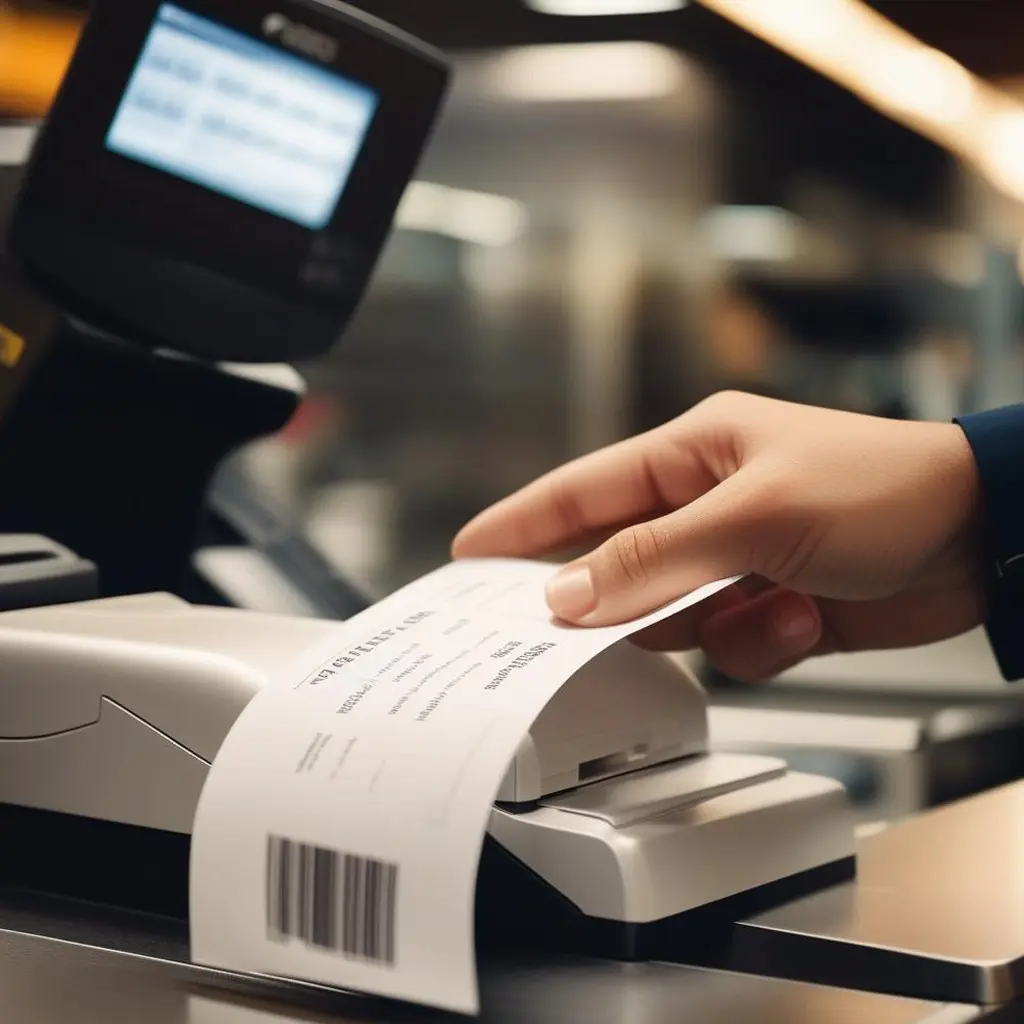
In the fast-paced world of commerce, promptness is paramount. Thermal printing technology excels in delivering swift and accurate receipt generation, ensuring that customers receive documentation of their transactions without delay. Unlike traditional printing methods that may involve time-consuming processes such as ink drying or toner cartridge replacement, thermal printers produce receipts instantaneously. This immediacy not only enhances customer satisfaction but also streamlines transactional workflows for businesses, contributing to operational efficiency and revenue optimization.
Enhancing Transaction Security:
Receipts play a crucial role in fostering trust and transparency in cashless transactions. They serve as tangible proof of purchase, offering customers reassurance that their transactions have been successfully processed. Thermal printing technology ensures the production of legible, tamper-resistant receipts that accurately capture transaction details, including the date, time, amount, and merchant information. The clarity and authenticity of thermal prints instill confidence in both customers and businesses, mitigating disputes and discrepancies that may arise post-transaction.
Facilitating Digital Recordkeeping:
In addition to their role as physical artifacts, thermal receipts serve as valuable data points for digital recordkeeping and analysis. Thermal printing technology enables the integration of receipt data into digital systems and databases, facilitating seamless record management and analysis. Businesses can leverage this data to gain insights into consumer behavior, track sales trends, and optimize inventory management. Furthermore, digital recordkeeping enhances accountability and compliance with regulatory requirements, ensuring that transactional records are securely stored and easily accessible when needed.
Supporting Eco-Friendly Practices:
Beyond its transactional benefits, thermal printing technology aligns with sustainability initiatives by minimizing environmental impact. Unlike conventional printing methods that rely on ink or toner cartridges, thermal printers utilize heat-sensitive paper that does not require consumables. This reduces waste generation and conserves resources, making thermal printing a more eco-friendly alternative. Furthermore, thermal paper is often recyclable, further reducing its environmental footprint and contributing to circular economy principles.
Thermal printing technology stands as a linchpin in the ecosystem of cashless transactions, offering a myriad of benefits that extend beyond mere receipt generation. From ensuring promptness and accuracy to enhancing transaction security and supporting digital recordkeeping, thermal printing plays a multifaceted role in shaping seamless transaction experiences for businesses and consumers alike. As cashless transactions continue to proliferate in the digital age, the importance of thermal printing in facilitating efficient, secure, and sustainable transactions remains undeniable.
Environmental Considerations
Introduction: Amidst the array of benefits offered by thermal printing technology, it is imperative to scrutinize its environmental implications. Traditional thermal paper, laden with chemicals like bisphenol A (BPA), has long been a focal point of environmental concern due to its potential adverse effects on ecosystems and human health. However, recent strides in eco-friendly thermal paper alternatives signal a promising shift towards sustainability in thermal printing practices. Let’s explore the environmental considerations surrounding thermal printing and the emerging solutions aimed at mitigating its ecological footprint.
Environmental Impact of Traditional Thermal Paper:
Traditional thermal paper poses notable environmental challenges due to the presence of chemicals like BPA in its composition. BPA, a known endocrine disruptor, has been linked to various adverse health effects in humans and wildlife. Furthermore, the production and disposal of thermal paper contribute to pollution and resource depletion, exacerbating environmental degradation. These concerns underscore the urgent need for sustainable alternatives to conventional thermal paper in order to minimize environmental harm.

Advancements in Eco-Friendly Thermal Paper:
Recognizing the environmental imperative, manufacturers have been actively pursuing eco-friendly alternatives to traditional thermal paper. One notable innovation is the development of BPA-free thermal paper, which eliminates the use of harmful chemicals without compromising print quality or durability. In addition to being BPA-free, eco-friendly thermal paper options may incorporate recycled materials or utilize coatings derived from renewable resources, further reducing their environmental impact. These advancements represent a significant step forward in promoting sustainability within the thermal printing industry.
Promoting Sustainable Practices:
Beyond technological innovations, promoting sustainable practices within the thermal printing ecosystem is essential for minimizing its environmental footprint. Businesses can adopt measures such as optimizing print settings to reduce paper waste, implementing paperless receipt options, and encouraging recycling of thermal paper products. Additionally, strategic partnerships with suppliers and stakeholders can foster transparency and accountability throughout the supply chain, ensuring responsible sourcing and production practices.
Educating Stakeholders:
Educating stakeholders, including businesses, consumers, and policymakers, about the environmental implications of thermal printing is key to driving meaningful change. Awareness campaigns and educational initiatives can raise consciousness about the importance of choosing eco-friendly thermal paper options and adopting sustainable printing practices. By fostering a culture of environmental stewardship and accountability, stakeholders can collectively contribute to reducing the ecological footprint of thermal printing activities.
Thermal printing technology presents a potent blend of efficiency and convenience, but its environmental impact cannot be overlooked. As concerns mount regarding the sustainability of traditional thermal paper, the emergence of eco-friendly alternatives offers a ray of hope for a greener future. By embracing innovations in eco-friendly thermal paper, promoting sustainable practices, and fostering stakeholder education, we can pave the way towards a more sustainable thermal printing ecosystem. Together, we can harness the power of technology while safeguarding the health of our planet for generations to come.
Challenges and Solutions
While thermal printing technology offers a plethora of advantages, it is not immune to challenges that can impede efficiency and productivity. Issues such as print quality degradation and paper jams are common pain points faced by users of thermal printers. However, proactive measures and strategic solutions can effectively address these challenges, ensuring smooth operations in cashless environments. Let’s delve into the nuances of these challenges and explore actionable solutions to mitigate their impact.
Print Quality Degradation:
Print quality degradation over time is a prevalent concern in thermal printing, particularly in high-volume printing environments. Factors such as prolonged use, exposure to heat and humidity, and wear and tear of print heads can contribute to diminished print quality, resulting in faded or illegible prints. To address this challenge, regular maintenance and upkeep of thermal printers are essential. This includes cleaning print heads, adjusting print settings for optimal performance, and replacing worn-out components as needed. Additionally, investing in high-quality thermal paper with appropriate coatings can enhance print longevity and clarity, mitigating issues related to print quality degradation.
Paper Jams and Feeding Issues:
Paper jams and feeding issues can disrupt workflow and lead to downtime in thermal printing operations. Common causes of paper jams include improper loading of paper rolls, accumulation of debris or adhesive residue in the printer mechanism, and mechanical failures. To prevent paper jams, users should adhere to proper paper loading procedures, ensure the cleanliness of printer components, and conduct routine inspections for any signs of wear or obstruction. Implementing preventive maintenance schedules and promptly addressing mechanical issues can minimize the occurrence of paper jams and feeding problems, preserving operational efficiency and reducing downtime.
Environmental Factors:
Environmental factors such as temperature and humidity fluctuations can impact the performance and reliability of thermal printers. Extreme heat or cold can affect the viscosity of thermal paper coatings, leading to print quality issues or adhesive failures. Similarly, high humidity levels may cause paper curling or moisture-related malfunctions in printer components. To mitigate the effects of environmental factors, it is essential to maintain stable operating conditions within the printing environment. This may involve installing climate control systems, utilizing protective enclosures for printers, and storing thermal paper in controlled environments to preserve its integrity.
Operator Training and Education:
Operator proficiency plays a crucial role in maximizing the efficiency and longevity of thermal printing equipment. Providing comprehensive training and ongoing education to operators can empower them to troubleshoot common issues, perform routine maintenance tasks, and optimize print settings for optimal results. Additionally, fostering a culture of proactive communication and collaboration among printing staff can facilitate early detection and resolution of printing challenges, minimizing disruptions and enhancing overall operational performance.
While thermal printing technology may encounter challenges such as print quality degradation, paper jams, and environmental factors, proactive measures and strategic solutions can effectively mitigate these issues. By prioritizing regular maintenance, implementing preventive measures, and investing in operator training and education, businesses can ensure smooth and efficient operations in cashless environments. With proper care and attention, thermal printers can continue to deliver the reliability and convenience that modern transactions demand, driving productivity and customer satisfaction.
Case Studies
Numerous businesses across various industries have embraced thermal printing technology to streamline their cashless operations. From retail stores and restaurants to financial institutions and healthcare facilities, the versatility of thermal printers makes them indispensable in modern business settings.
Conclusion
As we continue to embrace the cashless society, the role of thermal printing technology remains integral to facilitating seamless transactions and enhancing customer experiences. By leveraging eco-friendly thermal paper options and addressing common challenges, businesses can harness the full potential of thermal printing technology in the digital economy.