

In an era where data breaches and identity theft are rampant, safeguarding personal information is more critical than ever. While digital technologies play a significant role in data security, thermal paper stands as an unsung hero in protecting sensitive information in physical formats. Its durability, clarity, and tamper-evident features make it an essential tool across industries.
From healthcare and banking to retail and government sectors, thermal paper offers secure and reliable solutions for managing personal data. Let’s explore how this humble material contributes to data protection and why businesses should consider incorporating it into their operations.
Why Thermal Paper Matters in Data Security
Thermal paper has become a cornerstone in securely managing physical documents, especially in industries handling sensitive personal information. From receipts to medical records, thermal paper offers a reliable and secure way to ensure that printed data remains clear, intact, and resistant to tampering. Let’s explore the features that make thermal paper indispensable in data security and why businesses should prioritize its use.
Tamper-Resistant Printing
One of the standout features of thermal paper is its tamper-resistant nature. Unlike traditional ink-based prints that can be easily altered or smudged, thermal printing creates permanent marks using heat-sensitive technology.
Why it’s important: Sensitive data such as financial transactions, medical records, or government documents need to remain unaltered. Altering thermal prints is challenging and often leaves visible signs, making it a preferred choice for secure documentation.
Real-world example: Bank receipts printed on thermal paper are less susceptible to fraudulent alterations, ensuring that customers’ transaction details remain accurate and trustworthy.
Long-Lasting Durability
Thermal paper is designed for longevity, making it ideal for documents that need to be stored or referenced over extended periods.
Durable under various conditions: Thermal prints can withstand different environmental factors, such as temperature changes, humidity, and frequent handling, without fading or degrading.
Why it matters: In industries like healthcare or legal services, where records may need to be archived for years, thermal paper ensures that critical information remains legible.
Example in practice: Medical records printed on thermal paper retain their clarity, ensuring that patient histories and prescriptions are easily accessible and readable when needed.
High-Speed Efficiency
Efficiency is a crucial factor for businesses operating in high-demand environments. Thermal printing is renowned for its speed, making it ideal for large-scale operations.
Fast turnaround: Thermal printers produce clear and sharp prints in seconds, without requiring ink cartridges or toners, which often need replacement and maintenance.
Cost-effective solution: The lack of consumables like ink or toner significantly reduces costs, especially for businesses that handle high volumes of printed documents daily.
Real-world application: Retailers rely on thermal paper for speedy and accurate printing of receipts during peak sales periods, ensuring that customer transactions are processed without delays.
Versatility in Applications
Thermal paper’s adaptability makes it suitable for a wide range of industries, including healthcare, retail, banking, and logistics. Whether it’s printing barcodes for inventory tracking or receipts for financial transactions, its reliability and quality ensure secure and efficient operations.
A Reliable Choice for Sensitive Information
Ultimately, thermal paper plays a critical role in protecting personal data by providing a secure, efficient, and durable medium for printing essential documents. Its combination of tamper resistance, longevity, and efficiency ensures that businesses can maintain high standards of data security while meeting operational demands.
By integrating thermal paper into their workflows, companies can confidently handle sensitive information, offering peace of mind to both businesses and consumers alike.
If you’re searching for high-quality options to enhance data security in your business, explore our Thermal Paper collection for a variety of reliable solutions.
Applications of Thermal Paper in Data Protection
Thermal paper has proven to be an indispensable tool in sectors where secure handling of sensitive data is a priority. Its versatility, durability, and clarity make it ideal for a variety of applications, ensuring that critical information remains intact and confidential. Below, we explore how thermal paper enhances data protection across key industries.
Healthcare

Patient confidentiality is the cornerstone of healthcare operations. Thermal paper is widely used for generating and handling sensitive documents such as prescriptions, diagnostic test results, medical billing statements, and appointment records.
Clarity and accuracy: Thermal paper produces sharp and precise prints, ensuring medical professionals and patients can easily read essential information without ambiguity.
Durability under storage: Medical records often need to be stored for years. Thermal paper’s resistance to fading ensures that important patient information remains intact over time.
Streamlined operations: High-speed thermal printing enhances efficiency in hospitals and clinics, allowing healthcare providers to focus on patient care rather than administrative delays.
Privacy assurance: Tamper-resistant features ensure that printed medical data cannot be altered or compromised, safeguarding patient confidentiality.
Banking
The banking sector heavily relies on thermal paper for secure documentation, especially for receipts, account statements, and transaction records. These documents often contain sensitive information, making security paramount.
Fraud prevention: Thermal paper’s tamper-evident nature minimizes the risk of unauthorized alterations, providing peace of mind to both banks and customers.
Durable transaction records: Bank receipts printed on thermal paper remain legible for extended periods, supporting customers and institutions during disputes or audits.
Speed and efficiency: Thermal printers allow banks to quickly generate high-quality receipts during transactions, ensuring a smooth experience for customers.
Compliance with regulations: Many financial laws require secure and traceable documentation. Thermal paper supports these requirements by providing a reliable medium for sensitive data.
Retail
Retail businesses depend on thermal paper for generating receipts that protect both their operations and customers’ sensitive information. With the growing risk of identity theft, secure and accurate printing has become a priority.
Secure customer data: Receipts often include details like card numbers, purchase histories, or loyalty program information. Thermal paper ensures these are printed clearly and securely, reducing the risk of data misuse.
Efficiency during peak times: During high-traffic periods such as holiday sales, thermal printers enable retailers to manage transactions quickly and efficiently, enhancing customer satisfaction.
Durability for returns and exchanges: Retailers often require proof of purchase for returns. Thermal paper receipts maintain their legibility, even after being stored in wallets or pockets for weeks.
Brand enhancement: Customizable thermal paper allows retailers to include logos, promotions, or QR codes on receipts, combining data protection with marketing opportunities.
Government
Governments rely on thermal paper for handling sensitive documents, including ID cards, official records, and secure forms. Its ability to integrate advanced security features makes it a trusted medium for protecting citizens’ personal data.
Anti-counterfeiting measures: Thermal paper can be embedded with watermarks, holograms, or invisible inks to deter forgery, ensuring the authenticity of government-issued documents.
Durability in harsh conditions: From ID cards to certificates, thermal paper withstands environmental challenges such as humidity or extreme temperatures, ensuring that documents remain intact.
Secure and efficient processes: Whether it’s voter registration, passport issuance, or tax records, thermal paper supports streamlined and secure operations in government offices.
Ease of integration with technology: Many government documents now include QR codes or barcodes for verification purposes. Thermal paper’s ability to handle these features ensures a seamless blend of traditional and digital systems.
Thermal paper is more than a tool for printing; it is a cornerstone of data protection across industries. Whether ensuring patient confidentiality in healthcare, safeguarding transaction details in banking, or providing tamper-resistant receipts in retail, thermal paper offers unparalleled reliability and security. Governments also benefit from its advanced security features, ensuring the authenticity of official documents.
By prioritizing thermal paper for handling sensitive data, businesses and institutions can enhance their security measures, streamline operations, and build trust with their clients and stakeholders.
Thermal Paper vs. Digital Solutions
In today’s digital age, technology has revolutionized the way we store, process, and share data. While digital security measures, such as encryption, firewalls, and multi-factor authentication, are vital in protecting sensitive information, they are not immune to vulnerabilities. Cyberattacks, data breaches, system failures, and technical malfunctions can pose significant risks to digital systems. This is where thermal paper can play a critical role, offering a secure and reliable physical backup that complements digital solutions. By integrating both approaches, businesses can enhance their overall data protection strategy.
The Limitations of Digital Solutions
Digital systems offer many advantages, including fast data processing, remote access, and automation. However, they are not without risks, which can have devastating consequences when sensitive information is compromised.
Cyberattacks: Hackers and malicious actors are constantly evolving their tactics, seeking vulnerabilities in digital systems. Data breaches, ransomware attacks, and phishing schemes are just a few examples of how sensitive data can be stolen or corrupted.
Data Leaks: Even with strict access controls and encryption, data leaks can occur through human error, inadequate security protocols, or third-party breaches.
System Failures: Software bugs, hardware malfunctions, or power outages can disrupt digital systems, causing data loss or making systems temporarily unavailable.
Dependence on Internet Access: Many digital solutions require an internet connection to function, and any network disruptions can leave businesses unable to access or process vital information.
These risks highlight the need for businesses to adopt a multi-layered approach to data protection that incorporates both digital and physical solutions.

The Role of Thermal Paper in Data Protection
While digital solutions offer significant advantages, thermal paper provides a robust safeguard against many of the risks that threaten digital systems. By utilizing thermal paper, businesses can create a physical record of important data that is difficult to tamper with, ensuring that critical information remains protected even if digital systems fail or are compromised.
Proof of Purchase: Receipts printed on thermal paper serve as irrefutable proof of purchase, protecting both businesses and customers in case of disputes. While digital receipts are convenient, they can be vulnerable to deletion, loss of access, or hacking. Thermal paper receipts, however, remain tangible and unalterable.
Medical Records: Printed medical records on thermal paper can serve as a backup in case of a digital system failure. These physical records are essential when doctors, patients, or healthcare providers need access to information during system downtime. A printed prescription or test result can be immediately accessed, ensuring continuity of care without relying on digital infrastructure.
Long-Term Storage: Thermal paper is designed for durability, and its prints can last for years without significant degradation, making it a reliable solution for storing records over extended periods. In contrast, digital data storage is often dependent on technology that may become obsolete or inaccessible over time, leading to potential data loss.
Complementing Digital Solutions for Enhanced Security
The combination of digital and physical solutions allows businesses to cover all their bases in terms of data protection. By integrating thermal paper into their operations, companies can protect against digital vulnerabilities while enjoying the benefits of modern technology.
Redundancy: Having a physical copy of important documents provides redundancy, ensuring that businesses are not left without access to critical data in the event of a cyberattack or system failure.
Fast Recovery: In case of digital disruptions, businesses can rely on physical documents printed on thermal paper to maintain continuity and avoid operational delays.
Seamless Integration: Businesses can integrate thermal paper with digital systems to create hybrid solutions. For example, a customer’s purchase receipt can be generated digitally, but a copy can also be printed on thermal paper for added security.
Risk Mitigation: By having both digital and physical records, businesses can mitigate the risks of data corruption, loss, or unauthorized alterations, offering more layers of security to their operations.
The Future of Data Protection: A Dual Approach
As technology continues to advance, the role of thermal paper in data protection will evolve. For instance, businesses are beginning to integrate advanced technologies like QR codes or blockchain into thermal paper prints, combining the physical durability of thermal paper with the digital traceability and security provided by these technologies.
Thermal paper’s ability to complement digital systems will remain essential for creating a comprehensive data protection strategy. The future lies in the seamless integration of both digital and physical security solutions, ensuring that businesses are prepared for the challenges ahead.
Digital security measures are crucial, but they are not foolproof. The risks associated with cyberattacks, data leaks, and system failures can leave businesses vulnerable to data breaches and loss. By incorporating thermal paper as a physical backup to digital systems, companies can provide a reliable layer of protection for sensitive data. Thermal paper’s durability, tamper-resistance, and cost-effectiveness make it an essential tool in creating a comprehensive, multi-layered approach to data security. By combining the strengths of both digital and physical solutions, businesses can confidently safeguard their data and ensure operational continuity in the face of potential threats.
Sustainability and Data Protection
As businesses face increasing pressure to adopt sustainable practices while ensuring the security of personal data, eco-friendly thermal paper options have emerged as a key solution. Thermal paper, traditionally associated with the use of chemicals like BPA (Bisphenol A), is undergoing a transformation to meet the growing demand for environmentally responsible products without compromising on security or functionality. The adoption of BPA-free and recyclable thermal paper enables companies to protect sensitive data and contribute to environmental preservation.
BPA-Free Thermal Paper: A Safer, Greener Alternative
BPA, a chemical often used in the production of thermal paper, has raised significant health and environmental concerns over the years. Research has linked BPA exposure to various health risks, including hormonal disruptions and potential links to cancer. As a result, many businesses are moving toward BPA-free thermal paper options to reduce exposure to this harmful substance.
Health Benefits: BPA-free thermal paper eliminates the risk of BPA contamination, offering a safer option for both consumers and employees.
Environmental Impact: The shift to BPA-free thermal paper helps minimize the environmental footprint, reducing the release of harmful chemicals into ecosystems.
Why it matters: By using BPA-free thermal paper, companies can align their operations with growing public awareness about health and environmental issues, helping to build consumer trust.
Recyclable Thermal Paper: Minimizing Waste
Sustainability isn’t just about eliminating harmful chemicals; it’s also about reducing waste and promoting recycling. Traditional thermal paper, often coated with chemical layers, is typically non-recyclable due to the chemicals involved in its production. However, the latest innovations in thermal paper production have led to the development of recyclable thermal paper, which can be processed alongside other recyclable materials.
Why it’s important: With the rise in environmental concerns, businesses are seeking ways to minimize their waste streams. Recyclable thermal paper allows companies to reduce the amount of paper waste that ends up in landfills, contributing to more sustainable waste management.
Consumer Appeal: Using recyclable thermal paper helps businesses appeal to eco-conscious consumers who prioritize environmental responsibility.
Cost Efficiency: By embracing recyclable thermal paper, businesses can align with sustainability goals while reducing disposal costs in the long term.
For businesses looking to implement sustainable practices without sacrificing security, the Thermal Paper collection offers a range of eco-friendly options that meet both security and environmental standards.
Future Trends: Innovations in Thermal Paper Technology
The world of thermal paper is continuously evolving, driven by the need for greater security, efficiency, and environmental responsibility. As new technologies emerge, thermal paper is being enhanced with innovative features that address both data protection concerns and sustainability issues. Below are some of the exciting trends shaping the future of thermal paper.
Anti-Counterfeiting Features: Enhancing Security
In an increasingly digital world, the need for secure and reliable documentation is more critical than ever. Thermal paper’s role in preventing fraud and counterfeiting continues to evolve, with the introduction of advanced anti-counterfeiting features.
Watermarks: Embedded watermarks are one of the most common anti-counterfeiting measures used in thermal paper. These marks are difficult to reproduce, providing an additional layer of security against forgery.
Invisible Ink: Some thermal papers are now being developed with invisible inks that can only be seen under UV light, adding a further level of protection. This technology is particularly useful for industries like finance, healthcare, and government, where document integrity is paramount.
Tamper-Evident Technology: Thermal paper can also integrate tamper-evident features that make it evident if a document has been altered, enhancing its reliability for legal and regulatory purposes.
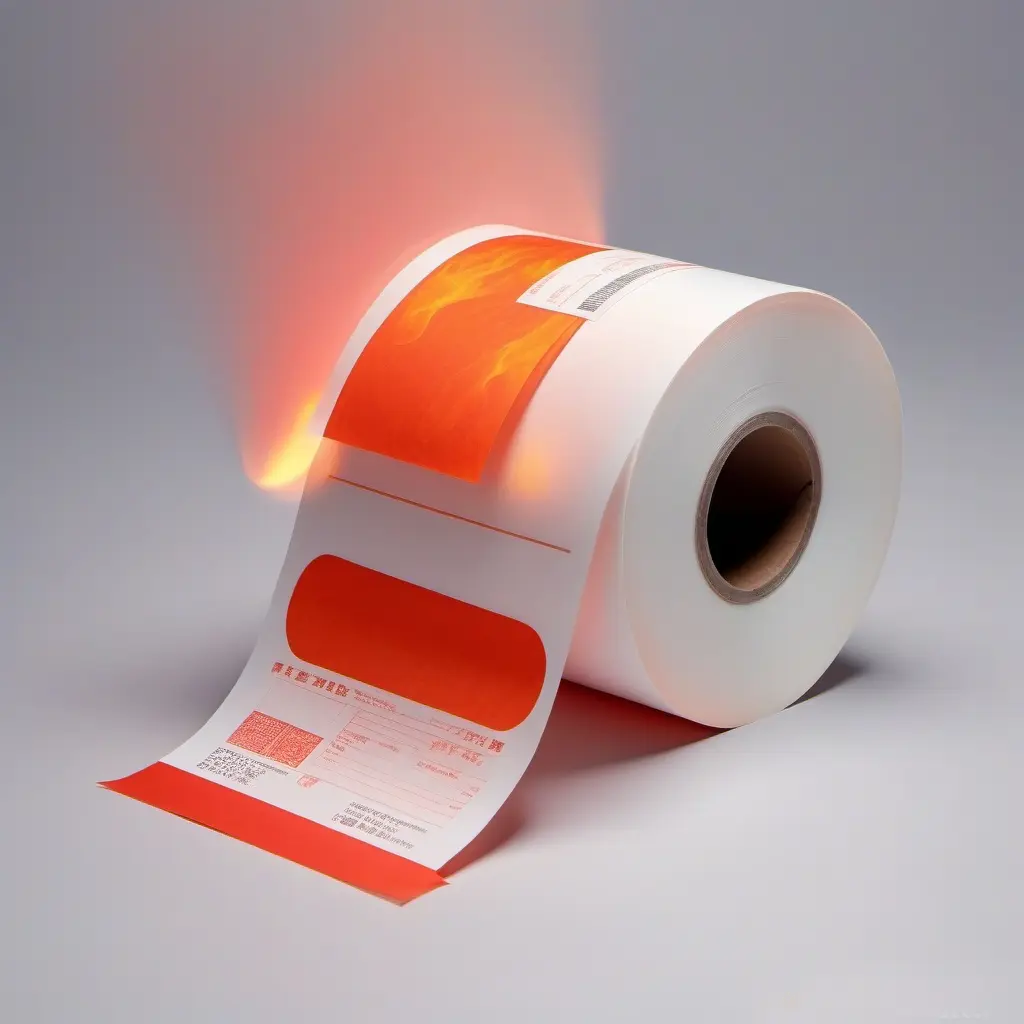
Integration with Smart Technologies: Boosting Traceability
As the world becomes more interconnected, the integration of thermal paper with smart technologies is opening new possibilities for enhancing traceability and security.
QR Codes: Many thermal paper applications now include QR codes, which can be scanned to access additional information or validate the authenticity of the document. This integration enhances the transparency and traceability of products and transactions.
Blockchain: Blockchain technology is being explored for use in thermal paper to secure data, making it tamper-proof and easily verifiable. By linking thermal paper documents to a blockchain, businesses can ensure that sensitive information is accurately recorded and protected.
Smart Packaging: In industries like logistics and pharmaceuticals, thermal paper is being used in combination with smart packaging to track and authenticate products in real-time. This integration provides enhanced traceability and accountability, particularly for high-value or high-risk items.
Biodegradable Thermal Paper: Balancing Durability with Environmental Responsibility
While thermal paper is renowned for its durability, the growing concern over plastic waste and environmental sustainability is pushing manufacturers to explore biodegradable alternatives. Biodegradable thermal paper offers the same high-quality prints while breaking down naturally over time, reducing its environmental impact.
Sustainability Goals: Biodegradable thermal paper helps businesses meet sustainability targets by reducing their carbon footprint and reliance on non-renewable resources.
Packaging Solutions: In addition to printed materials, biodegradable thermal paper is also being used in packaging solutions that are both functional and environmentally responsible.
Consumer Awareness: As eco-conscious consumers become more influential, businesses that adopt biodegradable thermal paper can demonstrate their commitment to sustainability, which can positively affect brand reputation.
Conclusion
The future of thermal paper is incredibly promising, with ongoing advancements making it a powerful tool for both data protection and environmental sustainability. By integrating anti-counterfeiting features, smart technologies, and biodegradable options, thermal paper continues to evolve as a versatile and secure solution for businesses across various industries.
For companies looking to meet sustainability goals without compromising on data security, the Thermal Paper collection offers a range of eco-friendly products that ensure both environmental and operational success. As technology and sustainability continue to shape the future of thermal paper, businesses that embrace these innovations will be well-positioned to thrive in an increasingly eco-conscious world.
Explore our Thermal Paper collection at StingBull Ribbon to discover high-quality options tailored to your needs. With the right tools, you can ensure the safety of personal data while meeting sustainability goals.