

Fax machines, once thought to be relics of a bygone era, are making a surprising comeback in modern offices. But what’s driving this resurgence? One significant factor is the innovation in thermal paper technology. Let’s delve into how thermal paper is shaping the future of office communication.
Understanding Thermal Paper
The Basics of Thermal Paper Technology
Thermal paper is a specially coated paper that reacts to heat to produce images and text. This technology eliminates the need for traditional printing consumables such as ink or toner, offering a clean and efficient alternative for various printing needs, especially in fax machines. The core advantage of thermal paper lies in its unique chemical coating, which changes color when exposed to heat from a thermal print head. This simple yet ingenious process results in clear, high-quality prints that are both durable and reliable.
The Composition of Thermal Paper
The effectiveness of thermal paper is rooted in its layered composition:
Base Layer: The foundation of thermal paper, providing the necessary strength and flexibility for handling and processing.
Thermo-sensitive Coating: This is the critical layer containing colorless dye and developers. When heat is applied, these components react chemically to produce a visible image.
Protective Coating (Optional): Some thermal papers include a top layer that protects the printed material from environmental factors such as moisture, oils, and abrasion. This coating ensures the longevity and durability of the print.
How Thermal Printing Works
The thermal printing process is efficient and straightforward:
Heat Application: A thermal printer’s print head, equipped with fine heating elements, applies heat to specific areas of the thermal paper.
Chemical Reaction: The heat activates the dye and developer in the thermo-sensitive coating, causing a chemical reaction that results in a visible image or text.
Immediate Results: The reaction is instantaneous, providing immediate, high-resolution prints without the need for drying time or further processing.
Advantages of Thermal Paper in Fax Machines
Clarity and Precision: Thermal paper produces sharp, precise images and text. This clarity is particularly important for documents transmitted via fax, where legibility can significantly impact communication effectiveness.
Durability: Thermal prints are resistant to fading and smudging, ensuring that important documents remain readable over time. This is a significant advantage over traditional ink, which can deteriorate or smudge.
Cost-Effectiveness: Eliminating the need for ink or toner reduces operational costs. Thermal printers also have fewer mechanical parts than traditional printers, leading to lower maintenance costs and fewer breakdowns.
Efficiency: The thermal printing process is faster than traditional methods, allowing for quick document production and transmission. This speed is crucial in environments where time-sensitive information is exchanged.
Environmental Impact and Sustainability
Thermal paper also offers environmental benefits. The absence of ink and toner cartridges means less waste and a reduction in the environmental footprint associated with printing supplies. Moreover, advancements in the production of thermal paper have led to the development of eco-friendly options that use safer chemicals and are easier to recycle.
Applications Beyond Fax Machines
While ideal for fax machines, thermal paper’s versatility extends to other applications:
Retail and Hospitality: Widely used in point-of-sale systems for printing receipts, providing customers with clear and durable proof of transactions.
Logistics and Shipping: Ideal for printing shipping labels and barcodes, ensuring critical information remains legible throughout the supply chain.
Medical Field: Used for printing diagnostic results, patient records, and prescription labels, where the clarity and durability of thermal prints are crucial.
Future Innovations in Thermal Paper Technology
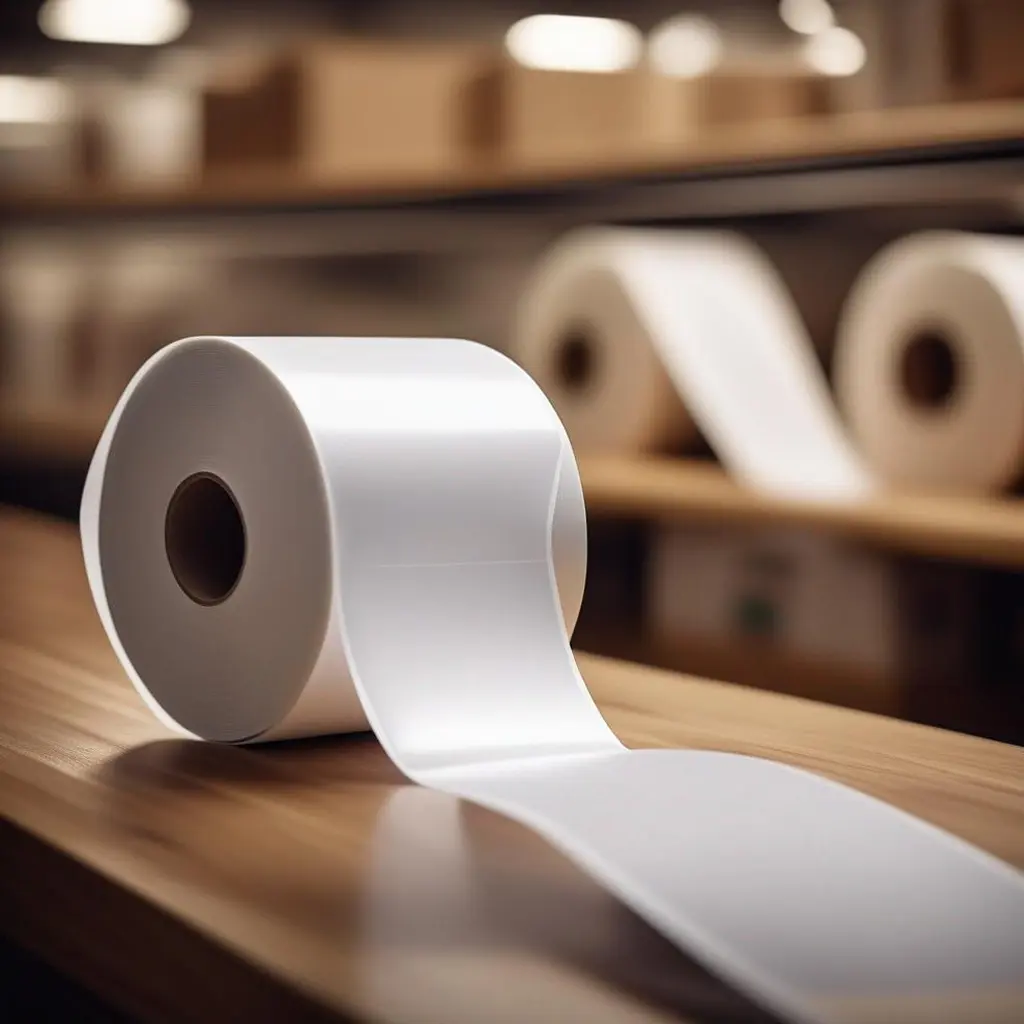
The future of thermal paper technology is promising, with ongoing research and development aimed at enhancing its performance and sustainability. Innovations such as improved thermal coatings for better durability and clarity, as well as the integration with digital and IoT systems, are set to revolutionize how thermal paper is used in various industries.
In summary, thermal paper is a revolutionary technology that simplifies printing processes, reduces costs, and enhances the durability and clarity of printed documents. Its applications extend far beyond fax machines, making it an indispensable tool in modern office environments and other industries. As advancements continue, thermal paper will likely become even more integral to efficient and sustainable printing solutions.
Advantages of Thermal Paper in Fax Machines
1. Clarity and Durability
Thermal prints are renowned for their exceptional sharpness and longevity, which are critical factors for maintaining the integrity of important documents. The unique chemical composition of thermal paper ensures that the printed text and images are crisp and clear, making them easily readable. This clarity is particularly vital for documents that need to be referenced frequently or stored for long periods, such as legal contracts, medical records, and business agreements.
Furthermore, the durability of thermal paper is a significant advantage. Unlike traditional ink, which can fade, smudge, or run when exposed to moisture, thermal prints are resistant to these issues. The protective coating on some thermal papers shields the printed information from environmental factors, ensuring that documents remain legible over time. This resistance to fading and damage means that thermal prints can withstand the rigors of handling, filing, and storage without losing their quality.
2. Cost-Effectiveness and Time Efficiency
One of the most compelling benefits of thermal printing is its cost-effectiveness. Traditional printing methods require a constant supply of ink or toner cartridges, which can be expensive and need frequent replacement. In contrast, thermal printing eliminates these consumables, reducing the ongoing operational costs for offices. This is particularly beneficial for businesses with high-volume printing needs, where savings on ink or toner can be substantial over time.
In addition to cost savings, thermal printing offers significant time efficiency. The printing process is rapid, as it involves the direct application of heat to the thermal paper, which immediately produces the image or text. This quick turnaround is advantageous in fast-paced office environments where documents need to be printed and transmitted swiftly. The reduced waiting time enhances productivity, allowing employees to focus on other critical tasks instead of waiting for documents to print.
3. Compatibility with Modern Fax Machines
Modern fax machines are designed to work seamlessly with thermal paper, ensuring easy integration into existing office setups. This compatibility simplifies the transition to thermal printing, as there is no need for extensive modifications or new equipment purchases. Most contemporary fax machines come equipped with thermal print heads specifically designed to handle thermal paper, making the switch straightforward and hassle-free.
The user-friendly nature of thermal fax machines also contributes to their appeal. These machines are generally simpler to maintain than traditional inkjet or laser printers, as they have fewer moving parts and do not require frequent cleaning of ink or toner residues. This ease of maintenance translates to less downtime and fewer technical issues, ensuring that office communication remains smooth and uninterrupted.
Additional Benefits
Beyond the primary advantages, there are several other benefits of using thermal paper in fax machines:
Environmental Benefits: Thermal printing reduces the environmental impact by eliminating the need for disposable ink and toner cartridges, which contribute to waste. Additionally, many thermal papers are now manufactured with environmentally friendly materials and processes, further minimizing their ecological footprint.
Reliability: Thermal printers are known for their reliability. With fewer mechanical parts that can wear out or malfunction, thermal fax machines offer consistent performance and reduced risk of breakdowns. This reliability is crucial for maintaining efficient office operations.
Versatility: While ideal for fax machines, thermal paper’s utility extends to other office applications, such as printing receipts, labels, and barcodes. This versatility makes it a practical choice for various business needs.

Case Studies and Real-World Applications
To illustrate the practical advantages of thermal paper in fax machines, consider the example of a busy medical office. The office switched to thermal fax machines for handling patient records and diagnostic results. The clarity and durability of thermal prints ensured that patient information remained readable and intact over time, improving the quality of care. Additionally, the cost savings from eliminating ink cartridges allowed the office to reallocate resources to other critical areas, such as patient services and equipment upgrades.
In another example, a retail chain adopted thermal paper for its fax and point-of-sale systems. The rapid printing process reduced checkout times, enhancing customer satisfaction. The compatibility of thermal paper with their existing fax machines simplified the transition, allowing for a smooth and efficient integration.
The advantages of thermal paper in fax machines are numerous and compelling. From clarity and durability to cost-effectiveness and time efficiency, thermal printing offers a superior solution for modern office communication. Its compatibility with contemporary fax machines ensures easy adoption, while its environmental benefits contribute to sustainable business practices. As technology continues to evolve, the role of thermal paper in enhancing office productivity and communication is set to grow, making it an indispensable tool for businesses of all sizes.
Applications Beyond Faxing
Thermal paper isn’t just limited to fax machines; it has a wide range of applications in modern offices and various industries. Its versatility, reliability, and efficiency make it an ideal choice for numerous printing needs, transforming how businesses operate and manage information.
Point-of-Sale Systems
Thermal paper is extensively used in point-of-sale (POS) systems for printing receipts and transaction records in retail and hospitality settings. Its popularity in these sectors can be attributed to several key benefits:
Speed and Efficiency: Thermal printers can quickly produce receipts, reducing wait times for customers and improving overall service efficiency. This is particularly important during peak business hours when swift transactions are crucial to maintaining customer satisfaction.
Clarity and Durability: Receipts printed on thermal paper are clear and easy to read, which is essential for customer transactions, returns, and exchanges. The durability of thermal prints ensures that the information remains legible over time, even when receipts are stored in wallets or subjected to handling.
Cost-Effectiveness: Without the need for ink or toner cartridges, businesses can save on operational costs. Thermal printers also tend to have lower maintenance requirements, further reducing expenses and downtime.
Compact and Reliable: Thermal printers used in POS systems are typically compact and reliable, fitting seamlessly into various retail environments. Their robustness ensures consistent performance, essential for busy retail operations.
Label Printing and Barcode Generation
Thermal printers are ideal for creating labels and barcodes, playing a vital role in inventory management and shipping operations. The advantages of using thermal paper in this context include:
Precision and Readability: Thermal printers produce high-resolution labels and barcodes that are easy to scan and read. This precision is crucial for inventory tracking, ensuring that products can be accurately identified and managed throughout the supply chain.
Durability: Labels and barcodes printed on thermal paper are resistant to smudging and fading, maintaining their readability under various environmental conditions. This durability is particularly important in shipping and logistics, where labels need to withstand handling and exposure to different elements.
Versatility: Thermal printers can produce a wide range of label sizes and formats, catering to diverse business needs. Whether for small product labels or large shipping labels, thermal paper provides a flexible solution.
Efficiency: The fast printing speed of thermal printers enhances productivity in busy warehouse and distribution environments. Quick label generation helps streamline operations and reduce bottlenecks in the packaging and shipping processes.
Medical Records and Diagnostic Equipment
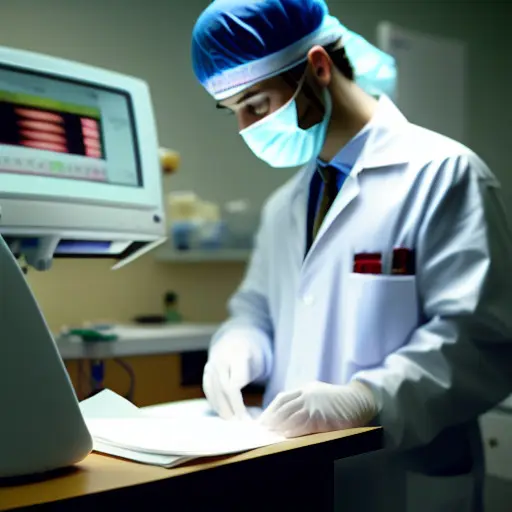
In the medical field, thermal paper is used for printing diagnostic results, patient records, and prescription labels. Its application in healthcare settings offers several significant benefits:
High-Quality Prints: Thermal paper produces high-quality prints that are essential for medical documentation. Clear and accurate diagnostic results and patient records are crucial for effective medical care and treatment decisions.
Reliability: The durability of thermal prints ensures that medical records remain intact and legible over time, supporting long-term patient care and compliance with regulatory requirements.
Cost Savings: The cost-effectiveness of thermal printing helps healthcare providers reduce expenses related to ink and toner, allowing more resources to be allocated to patient care and medical advancements.
Efficiency and Convenience: Thermal printers are often used in diagnostic equipment, such as ECG machines and lab analyzers, to provide instant printouts of test results. This immediate availability of information aids in rapid diagnosis and treatment, enhancing patient outcomes.
Other Notable Applications
Thermal paper also finds applications in various other areas, reflecting its versatility and utility:
Event Ticketing: Thermal paper is commonly used for printing event tickets, providing clear and durable tickets that are resistant to forgery and tampering. This application is crucial for maintaining security and order at events.
Parking and Toll Receipts: Thermal paper is used for printing receipts in parking meters and toll booths, offering a quick and reliable method for issuing payment confirmations to drivers.
Lottery and Gaming: Thermal paper is used for printing lottery tickets and gaming receipts, ensuring clear and durable prints that are essential for the accuracy and fairness of these activities.
Environmental Considerations
Despite its many advantages, thermal paper does raise some environmental concerns due to the chemicals used in its production. However, the industry is increasingly adopting eco-friendly practices to mitigate these impacts. Manufacturers are developing thermal paper that uses less harmful chemicals and is easier to recycle, promoting sustainability.
Future Trends and Innovations
The future of thermal paper technology looks promising with continuous advancements aimed at enhancing its performance and sustainability. Innovations such as cloud-based printing solutions and integration with IoT systems are poised to further revolutionize its applications. These developments will likely lead to even more efficient, reliable, and eco-friendly thermal paper products.
Thermal paper’s applications extend far beyond fax machines, making it an indispensable tool in modern offices and various industries. From enhancing the efficiency of point-of-sale systems to ensuring the accuracy and durability of medical records, thermal paper provides versatile, reliable, and cost-effective solutions. As technology continues to advance, the role of thermal paper in improving business operations and communication is set to grow, offering even greater benefits in the future.
Environmental Considerations
Despite its many advantages, thermal paper does raise some environmental concerns. The chemicals used in thermal paper production can be harmful if not disposed of properly. However, many manufacturers are now producing eco-friendly thermal paper that is safer for the environment.
Future Trends and Innovations
Looking ahead, the future of thermal paper technology looks promising. Innovations such as cloud-based printing solutions and advances in thermal printing technology are poised to further revolutionize office communication.
In conclusion, the resurgence of fax machines in modern offices can largely be attributed to the innovation in thermal paper technology. As offices continue to embrace digital communication tools, thermal paper remains a reliable and efficient solution for printing important documents. With ongoing advancements in the field, the future of thermal paper in office communication looks brighter than ever.
For all your thermal paper needs, check out our thermal paper collection and stay ahead in the world of office communication!