

As we navigate the post-pandemic world, public health has become a central focus of our daily lives. The importance of accurate documentation, contactless solutions, and efficient healthcare processes has never been more evident. In this new landscape, thermal paper plays a surprisingly critical role in ensuring that public health measures are upheld and that the systems supporting these measures operate smoothly.
Thermal Paper in Contactless Solutions: Ensuring Safety in a New Era
As the world adapted to the challenges posed by the pandemic, contactless transactions emerged as a crucial measure for maintaining public health. From grocery stores to airports, and hospitals to restaurants, minimizing physical contact has been key to limiting the transmission of viruses. One often overlooked but essential component of this shift is thermal paper, which plays a pivotal role in the new contactless economy.
The Rise of Touchless Payments and Thermal Paper’s Role
Contactless payment methods—whether using credit cards, smartphones, or wearable devices—have grown exponentially. When you tap your card or phone to complete a transaction, the quick and efficient receipt printed on thermal paper represents more than just a record of your purchase. It signifies a safer, more hygienic method of completing the transaction without the need for exchanging cash or handling pens and signatures.
Thermal paper has become the go-to choice for printing these touchless receipts due to its speed, clarity, and reliability. With no need for ink or toner, thermal paper systems are maintenance-free and cost-effective, making them ideal for high-traffic environments. Whether you’re picking up groceries, dining out, or checking in at a hotel, the thermal-printed receipt helps reduce waiting times and enables smoother, more efficient transactions, all while reducing the number of surfaces people need to touch.
Healthcare Applications: Thermal Paper in Contactless Kiosks
In the healthcare industry, thermal paper has also found a critical role in the operation of contactless kiosks. Patients arriving at hospitals or clinics can now check in for their appointments via touchless terminals. These kiosks not only speed up the check-in process but also reduce the risk of viral transmission by eliminating the need to interact with reception staff or handle shared items like pens or clipboards.
Upon completing check-in, the kiosk prints out instructions, appointment confirmations, or even visitor badges on thermal paper, providing patients with the necessary information without compromising hygiene. These durable, smudge-proof thermal prints ensure that important medical data is clearly visible, even in high-traffic areas, helping to maintain a streamlined and efficient healthcare experience.
Business Continuity and Thermal Paper’s Role in Public Safety
For businesses, thermal paper has become integral to ensuring continuity during the pandemic. The ability to rapidly produce receipts, instructions, and appointment slips without the need for direct interaction between customers and staff has been a game-changer. This simple yet effective technology allows businesses to operate while ensuring public safety. Thermal paper’s role in contactless solutions is not just about convenience; it’s about enabling businesses to adapt and thrive in a new reality.
In airports and train stations, thermal paper is used in automated kiosks to print boarding passes and luggage tags. In grocery stores, thermal receipts reduce the risk of spreading germs between cashiers and customers. In hotels, it speeds up check-in processes, while in the healthcare sector, it helps reduce congestion in waiting rooms by providing clear, concise information instantly to patients.
Looking Ahead: The Future of Contactless Thermal Solutions
The innovations surrounding thermal paper and contactless solutions are only expected to grow. Businesses and healthcare facilities are increasingly investing in automation and touchless technologies. As these systems become more advanced, thermal paper will continue to play an essential role in reducing physical contact, speeding up processes, and maintaining hygiene in a wide array of industries.
With the continued evolution of thermal paper technology, businesses can expect even more efficient and sustainable solutions, enhancing customer and patient experiences in the post-pandemic world.
Thermal Paper for Health Documentation: Ensuring Durability and Clarity in Critical Records
As the pandemic unfolded, the need for robust health-related documentation soared, leading to a sharp increase in demand for durable and reliable paper solutions. From vaccination records to COVID-19 test results, the accuracy, legibility, and longevity of printed health documents became a top priority. Thermal paper emerged as a key player in addressing these critical needs, offering a secure and practical solution for a wide array of health-related paperwork.
The Surge in Health Documentation and the Role of Thermal Paper
With the world battling a global health crisis, the amount of paperwork generated for medical purposes has increased significantly. Healthcare providers, vaccination centers, and even travel agencies are responsible for producing and handling large volumes of health-related documents. These include vaccination certificates, test results, and proof of recovery, all of which play a critical role in public health, patient care, and global travel requirements.
Thermal paper is uniquely suited to these needs because it produces sharp, clear prints with great reliability. Whether it’s a vaccine card, test result, or other health documentation, thermal paper ensures that the details—such as dates, health provider information, and identification numbers—remain clear and legible. This accuracy is crucial for documents that may be referenced multiple times or need to be preserved for future use.

The Benefits of Durability and Longevity
One of the primary advantages of thermal paper for health documentation is its inherent durability. Thermal paper is designed to resist smudging, fading, and tearing, making it ideal for documents that may need to be handled and stored for extended periods. For example, vaccination cards are often required for travel or access to certain events and may need to be presented months or years after being issued. Thermal paper ensures that this critical information remains intact and easily readable, even after prolonged storage or frequent handling.
In addition to its resistance to wear and tear, thermal paper’s water-resistant properties add an extra layer of protection. Health documents printed on thermal paper are less likely to be damaged by spills or moisture, which is especially important in environments like hospitals and clinics, where paper documents are regularly exposed to various conditions.
Wide-Scale Adoption Across Healthcare and Travel Sectors
The adoption of thermal paper for health documentation has expanded rapidly across different sectors. In hospitals and clinics, thermal paper is widely used for printing medical records, patient ID bracelets, prescriptions, and discharge papers. Its ability to quickly and accurately produce documents with clean and clear text has made it an essential tool for healthcare providers working in high-pressure environments.
Similarly, travel agencies and airlines have turned to thermal paper to print vaccination cards and test results, which are now often required for international travel. The flexibility and reliability of thermal paper allow travel industry professionals to produce these documents quickly, ensuring that travelers can move through airports and other checkpoints without delay.
Thermal Paper: A Secure Option for Health Information
In addition to its practical benefits, thermal paper also offers enhanced security for sensitive health information. Thermal printing technology eliminates the need for ink, which reduces the risk of tampering or unauthorized alterations to important documents. The precise and controlled printing process ensures that each document is consistent and free from errors, making thermal paper an excellent choice for producing secure and reliable health records.
Furthermore, the compact size and easy portability of thermal printers allow them to be used in a variety of settings, from large hospitals to mobile testing and vaccination units. This versatility enables healthcare providers to produce high-quality documents on the go, further enhancing the accessibility and efficiency of health documentation.
Supporting Public Health with Reliable Documentation
As the pandemic continues to influence public health policies and practices, the importance of reliable health documentation remains a top priority. Thermal paper is meeting the demand for secure, durable, and easily readable documents, ensuring that critical health information is always available when needed. Whether it’s printing vaccination cards, test results, or other vital health records, thermal paper plays a vital role in maintaining the accuracy and integrity of public health documentation.
For healthcare providers, travel agencies, and organizations seeking a dependable solution for health-related paperwork, thermal paper offers the perfect balance of performance, durability, and security.
Supporting Efficient Hospital and Pharmacy Operations: Enhancing Accuracy and Safety with Thermal Paper
In the fast-paced environments of hospitals and pharmacies, where every second counts, efficiency and accuracy are critical. Thermal paper plays a vital role in ensuring that healthcare operations run smoothly, from patient identification to medication management. Its application in these settings is not just about convenience—it’s about enhancing patient safety, reducing errors, and maintaining the highest standards of care.
The Role of Thermal Paper in Hospital Operations
Hospitals are complex ecosystems where the accurate identification of patients is essential. One of the key uses of thermal paper in hospitals is for printing patient wristbands, which contain critical information such as the patient’s name, medical record number, and any specific health conditions or allergies. These wristbands are a lifeline for healthcare providers, allowing them to quickly and accurately identify patients, especially in emergency situations.
Thermal paper is particularly suited for printing wristbands because of its durability. The wristbands must withstand constant wear, exposure to various substances, and frequent scanning by medical staff. Thermal paper’s resistance to smudging and fading ensures that the information remains legible throughout the patient’s stay, significantly reducing the risk of identification errors that could lead to incorrect treatments or procedures.
Enhancing Pharmacy Operations with Thermal Paper
Pharmacies are another critical area where thermal paper contributes to operational efficiency and patient safety. Prescription labels printed on thermal paper are essential for ensuring that patients receive the correct medication with clear instructions. These labels often include detailed information such as dosage, administration instructions, and warnings about potential side effects.
The durability of thermal paper is particularly important in pharmacies, where labels are handled frequently and may be exposed to moisture or other substances. A label that becomes unreadable due to smudging or tearing can lead to serious mistakes, such as incorrect dosages or missed warnings. Thermal paper’s resistance to these challenges ensures that labels remain intact and easy to read, even after extended use.
Streamlining Processes with Thermal Paper Technology
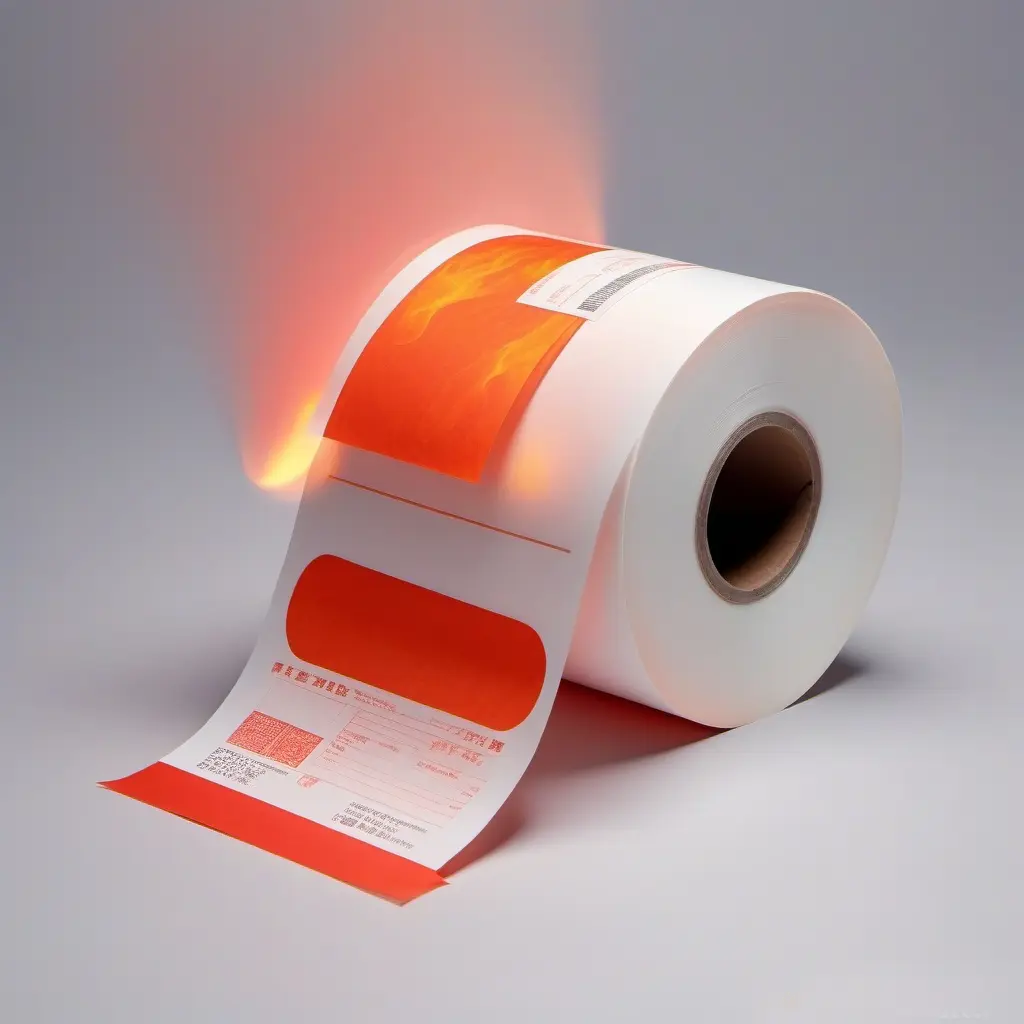
In addition to patient wristbands and prescription labels, thermal paper is used in various other hospital and pharmacy applications. For example, it is often used for printing barcodes that track medication distribution, lab results, and other critical data. The precision and clarity of thermal printing technology make it ideal for producing barcodes that are easily scannable, which helps streamline inventory management and reduces the likelihood of errors.
Thermal paper is also favored for its quick printing capabilities. In environments where time is of the essence, the ability to produce clear, accurate prints in seconds is invaluable. This speed, combined with the reliability of thermal paper, supports the smooth functioning of hospital and pharmacy operations, allowing healthcare providers to focus more on patient care and less on administrative tasks.
Ensuring Compliance and Patient Safety
Compliance with health regulations is a major concern in both hospitals and pharmacies. Thermal paper helps institutions meet these standards by providing a secure and reliable medium for printing essential documents and labels. The high-quality prints produced on thermal paper are resistant to alterations, helping to prevent fraud and ensuring that all records and labels meet regulatory requirements.
Moreover, the use of thermal paper supports the accuracy of medication administration. For example, in hospitals, thermal paper can be used to print detailed dosage instructions that are attached directly to patient charts or medication trays. This reduces the chances of dosage errors, which are a common and potentially dangerous issue in healthcare settings.
Adapting to the Demands of Modern Healthcare
As healthcare continues to evolve, the demands placed on hospitals and pharmacies only increase. The move towards digital record-keeping and automation has not diminished the need for high-quality printed materials—in fact, it has made reliable printing solutions more important than ever. Thermal paper fits seamlessly into modern healthcare workflows, supporting both traditional and digital operations.
For hospitals and pharmacies looking to optimize their operations, integrating thermal paper into their processes offers a way to enhance efficiency, improve patient safety, and ensure compliance with industry standards. The thermal paper available in our collection is specifically designed to meet the rigorous demands of healthcare environments, providing the clarity, durability, and reliability that these critical settings require.
Temperature-Sensitive Labels and Tracking for Vaccines: Ensuring Safe and Effective Distribution
The global pandemic has underscored the critical importance of proper vaccine storage and distribution. Vaccines, particularly those for COVID-19, must be kept within specific temperature ranges to maintain their efficacy. Any deviation from these prescribed temperatures can render the vaccine ineffective, posing serious risks to public health. In this context, temperature-sensitive labels, often printed on specialized thermal paper, have emerged as essential tools in safeguarding vaccine integrity during transportation and storage.
The Role of Thermal Paper in Temperature-Sensitive Labels
Temperature-sensitive labels are an ingenious use of thermal paper technology designed to provide a clear, immediate visual indicator if a vaccine has been exposed to conditions that could compromise its effectiveness. These labels are printed on thermal paper that reacts to changes in temperature, changing color or displaying specific symbols when the vaccine is exposed to temperatures outside of the safe range. This makes it easier for healthcare workers, transportation teams, and storage facility staff to monitor the condition of the vaccines at all stages of the supply chain.
For example, a shipment of vaccines transported across long distances may face exposure to fluctuating temperatures. Upon arrival at a distribution center or healthcare facility, personnel can quickly check the temperature-sensitive labels to determine whether the vaccines have remained within the required temperature range. This quick visual confirmation eliminates guesswork and helps prevent the administration of compromised vaccines, ensuring that patients receive effective doses.
Supporting Vaccine Distribution on a Global Scale
Temperature-sensitive labels printed on thermal paper have become an indispensable component of the vaccine distribution process, particularly in large-scale immunization efforts. In many cases, these vaccines must be transported across vast distances, often passing through multiple storage facilities and temperature-controlled environments along the way. The use of thermal paper in temperature-sensitive labels enables precise tracking of temperature exposure throughout these various stages, providing critical information that ensures vaccine safety.
This technology is particularly valuable for vaccines that require ultra-cold storage, such as the mRNA vaccines used to combat COVID-19. Even a brief exposure to temperatures outside the recommended range can degrade the vaccine’s efficacy. The temperature-sensitive labels printed on thermal paper serve as a simple yet highly effective safeguard, alerting healthcare professionals to any potential temperature excursions. This allows for swift corrective action to be taken, preventing compromised vaccines from being administered to patients.
Enhancing Visibility and Control in the Supply Chain
Temperature-sensitive thermal labels not only help healthcare providers but also improve visibility and control throughout the entire vaccine supply chain. With these labels, shipping companies, storage facilities, and healthcare providers can collaborate more effectively to ensure that vaccines are handled properly from the point of manufacture to the moment they are administered. By making temperature data visible at every step, thermal labels contribute to greater transparency and accountability in vaccine distribution.
This level of control is crucial in reducing waste and maximizing the available supply of vaccines. If a shipment of vaccines is found to have been exposed to harmful temperatures, healthcare providers can quickly identify the affected doses and remove them from circulation, preventing unnecessary vaccination delays and ensuring that only viable doses reach patients.
A Key Tool in Future Health Crises
As the world continues to grapple with the effects of the pandemic, the use of temperature-sensitive labels printed on thermal paper is expected to remain a key tool in future public health responses. In addition to vaccines, this technology can be applied to other temperature-sensitive medical products, such as insulin, blood products, and certain medications. By ensuring that these critical supplies are stored and transported safely, thermal paper can play a vital role in protecting public health well into the future.
As demand for temperature-sensitive labels grows, businesses involved in the medical supply chain can turn to our extensive collection of thermal paper products to find solutions tailored to their needs. These labels not only help ensure the safety and efficacy of vaccines but also contribute to the efficiency and reliability of the entire healthcare system.

Reducing Paper Waste and Promoting Sustainability in Healthcare: The Role of Eco-Friendly Thermal Paper
In the wake of the pandemic, the healthcare industry has been evolving rapidly to meet new demands and challenges. Among these challenges, sustainability has emerged as a pressing issue. As healthcare providers continue to strive for greater efficiency, there is also a growing recognition of the need to reduce environmental impact. Paper waste is one area where significant strides can be made, and eco-friendly thermal paper offers a powerful solution that helps achieve sustainability goals without compromising on quality or performance.
The Growing Demand for Sustainable Solutions in Healthcare
The healthcare industry generates vast amounts of waste every day, with paper being a significant contributor. From patient records and appointment slips to prescription labels and test results, paper is used in a wide range of critical functions. While digital solutions have reduced some of this paper usage, many healthcare providers still rely on physical documents for various reasons, including regulatory requirements, patient preferences, and operational efficiency. In this context, finding ways to make these necessary paper-based processes more sustainable is essential.
Eco-friendly thermal paper has gained increasing popularity as healthcare providers look for ways to reduce their carbon footprint. These papers are made from sustainably sourced materials and are often fully recyclable, helping to minimize waste and reduce the environmental impact associated with traditional thermal paper. By choosing eco-friendly thermal paper, healthcare facilities can continue to rely on the benefits of thermal printing while also taking concrete steps towards a more sustainable future.
Benefits of Eco-Friendly Thermal Paper for Healthcare Facilities
Switching to eco-friendly thermal paper offers numerous advantages that align with the healthcare sector’s evolving sustainability goals. Not only does it help reduce paper waste, but it also promotes environmentally responsible practices that benefit both the planet and the communities served by these institutions.
Recyclability and Reduced Waste: One of the key benefits of eco-friendly thermal paper is its recyclability. Traditional thermal paper is often coated with chemicals that make recycling difficult, but newer eco-friendly options are designed to be fully recyclable. This makes it easier for healthcare providers to implement waste reduction initiatives without having to overhaul their existing processes. By reducing the amount of paper waste that ends up in landfills, healthcare facilities can play a significant role in promoting a cleaner environment.
Sustainably Sourced Materials: Eco-friendly thermal paper is typically made from sustainably sourced materials, such as wood from responsibly managed forests. These materials are produced in accordance with environmental standards that prioritize the conservation of natural resources and the reduction of deforestation. By opting for these sustainable materials, healthcare providers can support broader conservation efforts while ensuring that their paper usage remains aligned with their sustainability goals.
Reducing the Carbon Footprint: As healthcare facilities continue to seek ways to reduce their carbon footprint, eco-friendly thermal paper provides an effective solution. The production of eco-friendly paper involves fewer chemicals and less energy compared to traditional thermal paper manufacturing processes. This contributes to lower greenhouse gas emissions and helps healthcare facilities reduce their overall environmental impact.
How Sustainability in Healthcare Supports Public Health
Promoting sustainability within the healthcare sector is not just about protecting the environment—it also supports the broader mission of public health. Climate change and environmental degradation have a direct impact on human health, contributing to the spread of diseases, worsening air quality, and increasing the frequency of extreme weather events. By adopting more sustainable practices, healthcare providers can help mitigate
Thermal Paper in Public Health Monitoring and Surveys: A Tool for Accurate Data Collection and Community Outreach
Public health monitoring and data collection play a crucial role in managing health crises, from pandemics to localized outbreaks. In these efforts, the accuracy and durability of printed information are vital for effective data analysis and timely intervention. Thermal paper has become an indispensable tool in public health campaigns, particularly for printing public health surveys, data collection forms, and informational materials that can withstand regular handling and storage.
Reliable Data Collection in the Field
Thermal paper is often used in field data collection due to its reliability and cost-effectiveness. Health workers tasked with gathering information in rural or underserved communities need materials that can endure varying environmental conditions, such as heat, humidity, or moisture. Forms printed on thermal paper are resistant to smudging and fading, ensuring that data remains legible even after extensive handling.
During door-to-door surveys or health screenings, these thermal paper forms can capture crucial details, such as patient symptoms, health history, and vaccination status. The crisp, clear text and images produced by thermal printing reduce the chances of misinterpretation, leading to more accurate data collection and better decision-making by health authorities. Moreover, thermal paper is compatible with portable printers, allowing public health workers to print forms and documents on-site, ensuring efficient and responsive public health initiatives.
Supporting Community Outreach with Printed Health Guidelines
In public health emergencies, distributing clear and accessible information to the population is essential for minimizing risks and promoting protective measures. Thermal paper has proven highly effective in printing informational materials for mass distribution, such as health guidelines, vaccination site addresses, and emergency contact information. These materials are often handed out in public spaces like clinics, vaccination sites, and pharmacies or delivered directly to households during outreach campaigns.
For example, during the COVID-19 pandemic, thermal paper was widely used to print materials that educated communities about health protocols like mask-wearing, social distancing, and hygiene practices. These printed leaflets were often distributed to areas with limited internet access, ensuring that everyone, regardless of technological barriers, received the critical health information they needed.
Improving Public Health Survey Response Rates
Thermal paper also plays a role in encouraging public participation in health surveys. Public health organizations rely on surveys to gather data on disease prevalence, risk factors, and health behaviors. Surveys printed on thermal paper are often distributed at clinics, vaccination sites, or community centers, where people can quickly and easily provide responses. In some cases, these surveys are printed with unique identifiers, such as barcodes, to streamline data entry and analysis.
The ease of printing surveys directly at points of contact allows for real-time data collection, providing health officials with immediate feedback on the effectiveness of public health interventions. Additionally, surveys printed on thermal paper can include built-in prompts for respondents to fill in their details, encouraging higher response rates and ensuring more comprehensive data collection efforts.
Enhancing Public Health Education
Public health education campaigns benefit greatly from the use of thermal paper in printing educational pamphlets, posters, and flyers that are distributed in schools, workplaces, and community hubs. The durability of thermal paper ensures that these materials can be posted in high-traffic areas and remain intact for extended periods, spreading important messages about hygiene, vaccinations, mental health resources, and more.
The clarity of the print is particularly useful for displaying visual aids like infographics, diagrams, and QR codes that direct readers to online resources. Whether it’s a flyer posted in a hospital waiting room or an informational leaflet handed out at a vaccine drive, thermal paper supports the seamless transmission of knowledge, helping communities stay informed and healthy.
Sustaining Long-Term Public Health Efforts
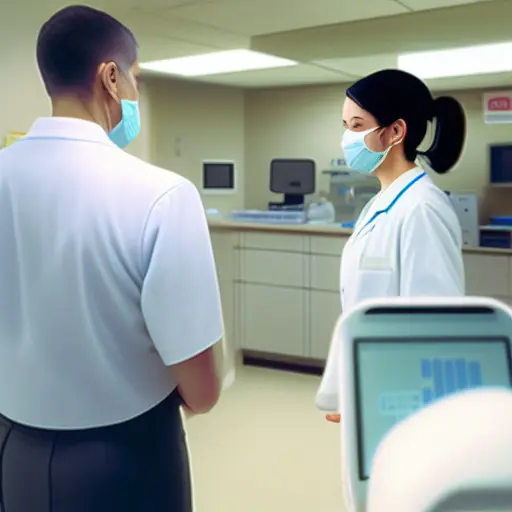
In the long run, thermal paper’s role in public health monitoring and outreach extends beyond the immediate response to crises. It supports the ongoing collection of health data, patient monitoring, and community education. By providing a reliable, cost-effective means of distributing information, collecting data, and tracking public health trends, thermal paper ensures that public health systems can continue to function efficiently and reach as many people as possible.
As public health initiatives increasingly embrace digital solutions, thermal paper remains a vital bridge between physical and digital processes. It ensures that communities everywhere—regardless of access to technology—receive the information, services, and care they need to protect and improve their health.
Thermal Paper and Future Innovations in Healthcare: A Glimpse into the Future
As we look toward the future of healthcare, the role of thermal paper is poised to expand in innovative and transformative ways. The post-pandemic world has accelerated the adoption of digital health solutions, yet the need for reliable, cost-effective, and versatile physical documentation remains critical. Thermal paper, with its unique properties, is set to play a pivotal role in the next generation of healthcare technologies.
The Evolution of Telemedicine and Thermal Paper Integration
Telemedicine has rapidly grown as a vital healthcare service, allowing patients to consult with medical professionals from the comfort of their homes. As telemedicine continues to evolve, the integration of thermal paper into these systems offers exciting possibilities. For example, remote monitoring devices could use thermal paper to print real-time diagnostic information, such as blood pressure readings, heart rate data, or glucose levels, directly from the patient’s home. This physical documentation could then be easily shared with healthcare providers during virtual consultations, ensuring that both patient and doctor have access to accurate and up-to-date information.
Furthermore, as telemedicine platforms become more sophisticated, thermal paper could be used to print personalized health plans, medication reminders, or follow-up instructions after a virtual appointment. This would provide patients with tangible, easy-to-reference documents that complement their digital health records, enhancing the overall telemedicine experience.
Automated Healthcare Systems and the Role of Thermal Paper
Automation in healthcare is another area where thermal paper is likely to see expanded use. Automated systems in hospitals, pharmacies, and laboratories are increasingly relying on quick, efficient printing solutions for tasks such as patient identification, prescription labels, and test result documentation. Thermal paper’s durability and ability to produce clear, smudge-proof prints make it ideal for these high-demand applications.
In the future, we can expect to see thermal paper integrated into more advanced automated healthcare systems. For instance, robotic pharmacies could use thermal paper to print prescription labels and dosage instructions with precision, reducing the risk of medication errors. Similarly, automated lab systems could use thermal paper to produce detailed reports that are easy for healthcare providers to read and interpret, ensuring that patients receive accurate diagnoses and appropriate treatment.
Thermal Paper’s Role in Data Security and Privacy
As healthcare becomes more digital, concerns about data security and patient privacy have grown. Thermal paper offers a secure way to handle sensitive information, as documents printed on thermal paper are less susceptible to unauthorized access compared to digital files. For example, when dealing with sensitive medical records or test results, thermal paper can be used to create physical copies that are stored securely and only accessed by authorized personnel. This reduces the risk of data breaches and ensures that patient confidentiality is maintained.
Looking forward, innovations in thermal paper technology may include the development of papers with built-in security features, such as watermarks or holograms, that prevent counterfeiting and tampering. These advancements would further enhance the security and reliability of thermal paper in healthcare applications, providing peace of mind to both patients and healthcare providers.
Sustainability and Thermal Paper’s Future in Healthcare
As the healthcare industry increasingly prioritizes sustainability, the development of eco-friendly thermal paper products is expected to continue. The focus will be on creating thermal paper that is not only recyclable but also produced using sustainable materials and processes. This will enable healthcare facilities to reduce their environmental impact while still benefiting from the advantages of thermal paper.
In the future, we may also see the introduction of biodegradable thermal paper that can be safely disposed of without harming the environment. This would be particularly valuable in healthcare settings, where large volumes of printed materials are used daily. By adopting sustainable thermal paper options, healthcare providers can contribute to broader environmental goals while maintaining the high standards of care that patients expect.
Stingbull Ribbon: Leading the Way in Thermal Paper Innovation
At Stingbull Ribbon, we are committed to staying at the forefront of thermal paper technology, providing our customers with the best products to meet their evolving needs. As the healthcare landscape continues to change, we are dedicated to supporting the industry with high-quality thermal paper solutions that are reliable, efficient, and sustainable.
Whether you’re looking to integrate thermal paper into your telemedicine services, automate your healthcare systems, or enhance data security, we have the products you need. Explore our range of thermal paper options and discover how we can help you navigate the future of healthcare with confidence.
Thermal paper’s role in public health and healthcare will only continue to grow as new technologies and challenges emerge. By choosing the right thermal paper solutions today, you can ensure that your healthcare operations are ready to meet the demands of tomorrow, all while contributing to a safer, healthier, and more sustainable world.
Conclusion
Thermal paper has proven to be an invaluable asset in the fight against COVID-19 and in the ongoing efforts to maintain public health. Whether through contactless transactions, durable health documentation, or innovative temperature-sensitive labels, thermal paper is at the heart of many essential processes. As we look to the future, its role will only grow more significant, driving innovation and sustainability in healthcare and beyond.