
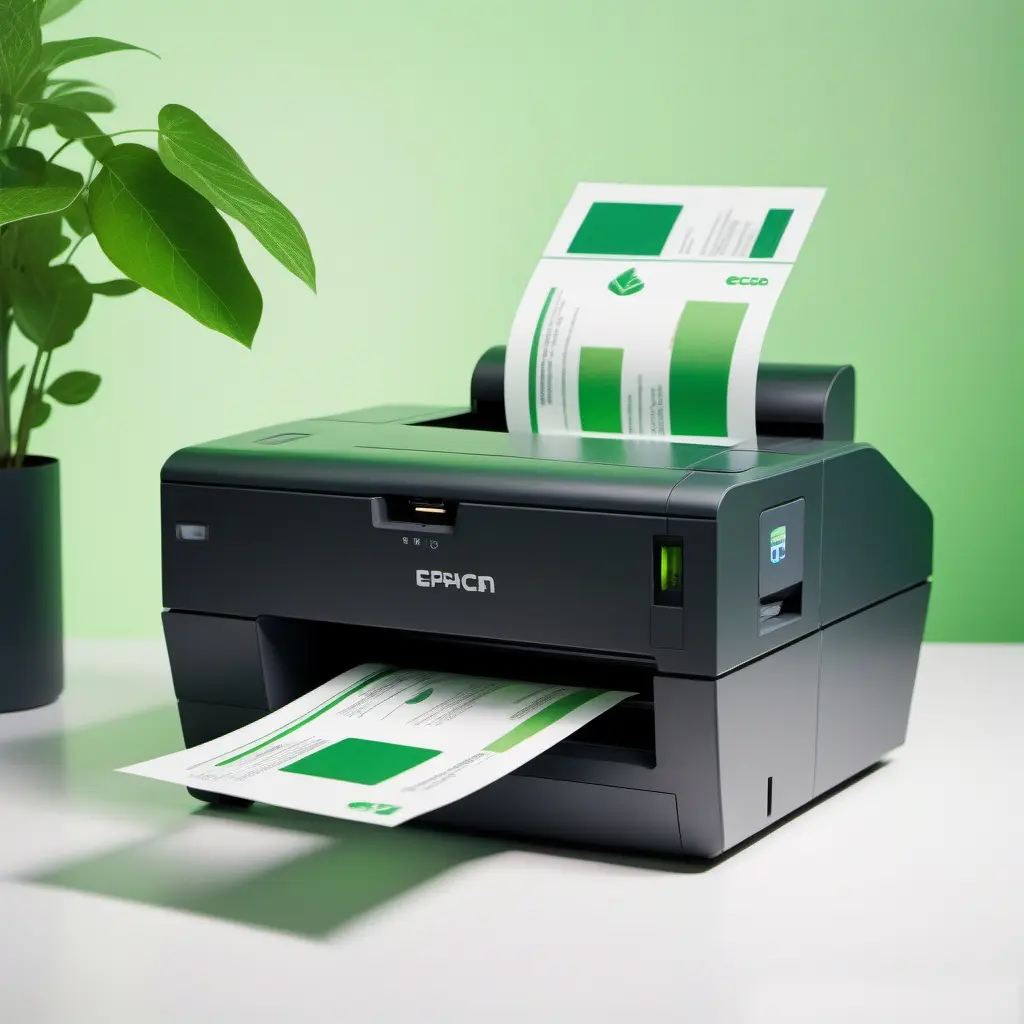
The world of thermal paper has come a long way, evolving from its early roots in traditional printing to becoming a key player in modern smart printing technologies. As technology continues to evolve, so does thermal paper, taking on more sustainable, efficient, and innovative forms. At Stingbull Ribbon, we’ve embraced this evolution by offering a range of thermal paper products that cater to various industries. In this article, we’ll explore how thermal paper has transitioned over the years and how it is reshaping industries like logistics, retail, and packaging.
The Basics: What is Thermal Paper?
Thermal paper has been around for decades, originally used for simple printing tasks such as receipts, labels, and ticketing. The simplicity of the technology allowed it to be adopted quickly, as it didn’t require ink or toner. The heat-sensitive coating on the paper reacts to a heated print head, producing clear images and text with minimal effort.
In fact, if you’re looking for top-quality thermal paper, check out our wide selection here. It’s perfect for modern applications, where durability and reliability are key.
Transitioning to Smart Printing
With advancements in digital technology, the role of thermal paper has expanded. Today, we see thermal paper being used in a variety of smart printing technologies, particularly in logistics and retail. These industries have shifted to more automated systems, where real-time data printing is crucial for tracking, labeling, and operational efficiency.
At Stingbull Ribbon, we carry a range of thermal paper suited for these evolving needs, including high-quality options from leading brands. Explore our thermal paper products here, perfect for keeping up with the demands of smart printing technologies.
Smart Packaging and the Role of Thermal Paper
In today’s fast-paced world of logistics and retail, efficiency and accuracy are more critical than ever. Thermal paper has emerged as a key player in smart packaging, transforming how companies handle product labeling, tracking, and ensuring sustainability. As the demands of modern consumers grow, particularly around eco-friendly packaging, thermal paper has adapted, offering recyclable and biodegradable options that align with environmental goals.
Enhancing Real-Time Tracking
One of the most significant advantages of using thermal paper in smart packaging is its role in real-time tracking. In logistics, businesses rely on accurate and up-to-the-minute information to monitor shipments, inventory, and deliveries. Thermal paper’s ability to print barcodes, QR codes, and other tracking information instantly and clearly makes it a reliable option for fast-paced environments. This data can be scanned and updated as the package moves through various stages of the supply chain, reducing errors and ensuring transparency for both businesses and customers.
For example, when a package is prepared for shipment, thermal labels are quickly printed and attached, allowing logistics companies to track the product in real time from warehouse to doorstep. In retail, it provides similar benefits by ensuring products are easily identified, monitored, and delivered without unnecessary delays.
Secure and Reliable Labeling
In addition to real-time tracking, thermal paper plays a vital role in providing secure and reliable labeling. Whether it’s for food products, pharmaceuticals, or electronics, accurate labeling is essential to ensure compliance with regulations and prevent tampering or mislabeling. Thermal paper offers high-quality printing that doesn’t fade or smudge, even when exposed to various environmental factors like heat, humidity, or cold storage. This makes it ideal for a wide range of industries that require dependable labeling solutions.
For businesses handling sensitive or perishable items, the security of information printed on thermal paper is crucial. Since thermal printers work without ink or toner, the labels remain consistent, and there’s minimal risk of running out of supplies mid-operation. The ease of operation, combined with the reliability of the labels, makes thermal paper an indispensable asset in industries that demand both efficiency and accuracy.
Meeting Sustainability Goals
As consumer awareness of environmental issues increases, so does the demand for sustainable packaging solutions. Thermal paper has evolved to meet these needs by offering recyclable and biodegradable options. Traditional thermal paper has been enhanced with eco-friendly materials, ensuring it can be broken down more easily after use without harming the environment. This aligns with the growing trend toward reducing waste and promoting greener business practices.
For companies looking to reduce their environmental footprint, switching to biodegradable thermal paper is a step in the right direction. Whether it’s for small retail operations or large-scale logistics companies, the shift towards more sustainable packaging materials not only benefits the planet but also appeals to a more conscious consumer base.
The Role of Thermal Paper in Modern Supply Chains
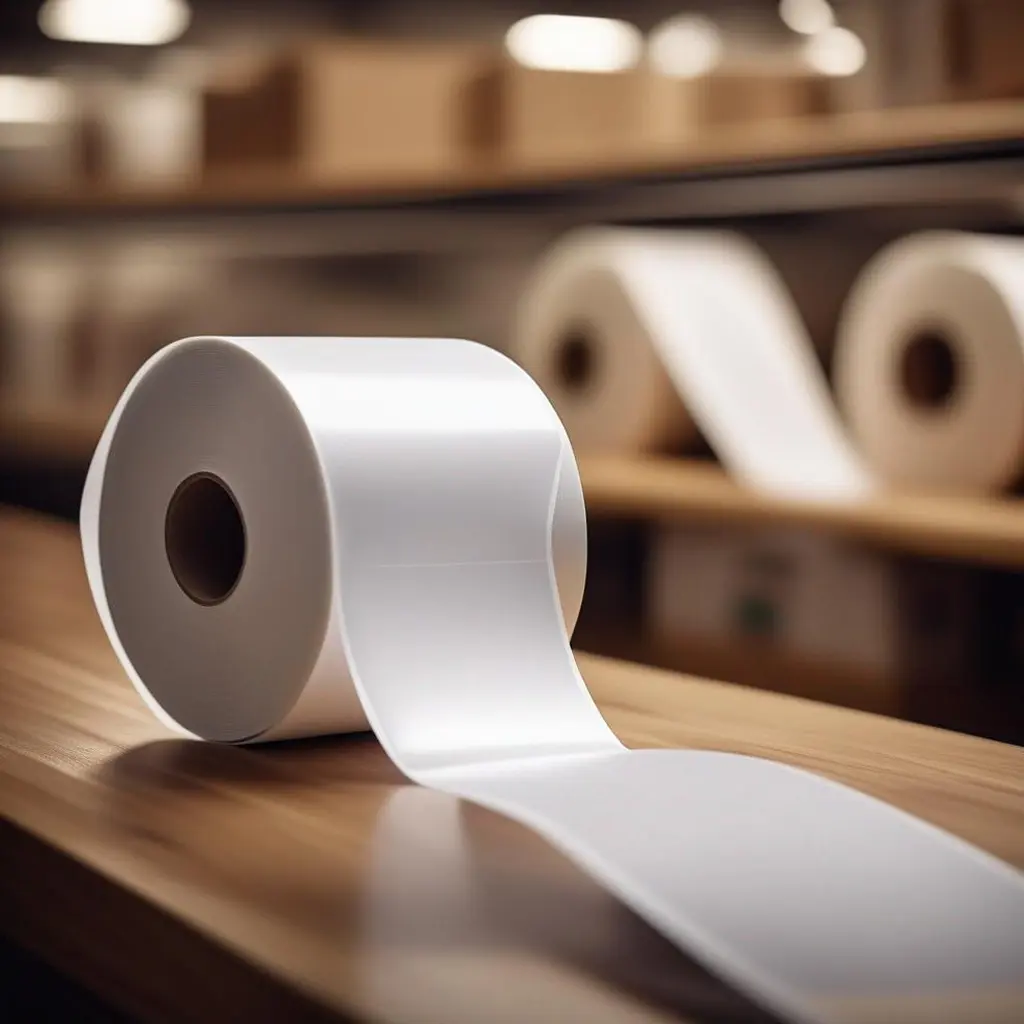
In the logistics industry, packaging isn’t just about protecting the product; it’s about optimizing the entire supply chain. Smart packaging, powered by thermal paper, is enhancing the way goods move from manufacturer to customer. Businesses can now streamline processes, minimize waste, and ensure accuracy by integrating thermal labels with their existing inventory systems.
Thermal paper also reduces the need for additional resources, like ink or toner, making the packaging process more efficient and cost-effective. Whether it’s used for tracking high-value electronics or perishable food items, thermal paper ensures that packaging remains secure, efficient, and environmentally responsible.
Thermal Paper as a Smart Packaging Solution
Thermal paper’s ability to print efficiently and securely makes it indispensable in various industries. From enhancing real-time tracking to ensuring secure labeling and meeting sustainability goals, thermal paper continues to be a game-changer in smart packaging. As businesses evolve, so does the demand for innovative, reliable, and eco-friendly packaging solutions.
At Stingbull Ribbon, we provide a wide collection of thermal paper tailored to meet the needs of modern businesses. Whether you’re looking to optimize your logistics system or improve your sustainability efforts, our range of thermal paper products offers the perfect solution for any smart packaging requirement.
Eco-Friendly Innovations in Thermal Paper
In recent years, the push for sustainability across industries has significantly impacted the way we think about materials like thermal paper. As the world becomes more environmentally conscious, manufacturers have been tasked with creating solutions that not only maintain the efficiency and reliability of traditional thermal paper but also contribute to reducing the global carbon footprint. The development of biodegradable and recyclable thermal paper is one of the most exciting innovations, providing industries like aviation, retail, and logistics with environmentally friendly alternatives to conventional options.
The Growing Need for Sustainable Packaging
The global shift toward reducing plastic waste and improving recycling efforts has placed immense pressure on industries to adopt more sustainable practices. Packaging, which makes up a significant portion of industrial waste, has become a primary focus for eco-friendly innovations. Thermal paper, which is widely used in labels, receipts, and packaging, has now evolved to meet these sustainability goals.
Biodegradable and recyclable thermal paper helps businesses reduce waste by ensuring that their printed materials can be broken down naturally over time, leaving less impact on landfills and ecosystems. This shift is particularly important for industries that produce large volumes of packaging and paper waste, such as retail and e-commerce. By transitioning to these greener alternatives, businesses are not only meeting government regulations and consumer expectations but also positioning themselves as leaders in corporate social responsibility.
How Biodegradable Thermal Paper Works
Biodegradable thermal paper is designed to break down more easily in natural environments compared to traditional paper products. The key innovation lies in the materials used for the paper’s coating and base. Traditional thermal paper is often coated with chemicals like bisphenol A (BPA) or bisphenol S (BPS), which can be harmful to the environment. However, new biodegradable options use alternative coatings made from plant-based or non-toxic materials, allowing the paper to decompose naturally when exposed to the elements.
Recyclable thermal paper also addresses sustainability by ensuring that the paper can be efficiently processed and reused in recycling systems. The recyclable paper undergoes treatment that enables it to be repurposed without contamination, further contributing to reducing the demand for virgin paper products and lowering overall environmental impact.
Eco-Friendly Thermal Paper in Aviation and Retail
The aviation and retail industries are two of the largest sectors adopting eco-friendly thermal paper. In aviation, the push for greener operations includes everything from reducing fuel emissions to minimizing waste generated by passengers and operations. The use of recyclable and biodegradable thermal paper for boarding passes, baggage tags, and receipts is part of this broader sustainability effort. By adopting eco-friendly materials, airlines can significantly reduce the waste they produce during day-to-day operations.
In retail, the demand for sustainable packaging is driven not only by regulations but by consumer expectations. Modern shoppers are more aware of the environmental impact of their purchases, and they prefer brands that demonstrate a commitment to sustainability. Retailers that switch to biodegradable and recyclable thermal paper for receipts, product labels, and shipping materials are more likely to attract and retain eco-conscious consumers.
The Future of Thermal Paper and Sustainability
As industries continue to adopt sustainable practices, the future of thermal paper looks promising. Ongoing research and development in the materials science field are producing even more advanced versions of biodegradable and recyclable paper, with improvements in durability, print quality, and environmental performance. As these technologies advance, we can expect thermal paper to play a pivotal role in reducing waste and meeting the sustainability goals of businesses worldwide.
Moreover, as governments across the globe continue to introduce regulations that push for greener operations, businesses that embrace eco-friendly thermal paper now will be ahead of the curve. By proactively adopting sustainable solutions, companies can position themselves as leaders in environmental responsibility while also meeting the evolving demands of their customers.
Leading the Charge with Sustainable Thermal Paper
At Stingbull Ribbon, we prioritize providing businesses with thermal paper products that align with both industry standards and environmental goals. Our range of biodegradable and recyclable thermal paper solutions helps businesses reduce their environmental impact while maintaining the efficiency and reliability needed in fast-paced industries like retail, logistics, and aviation.
For companies looking to stay ahead in both innovation and sustainability, exploring our collection of eco-friendly thermal paper is the perfect place to start.
The Future: AI and Thermal Paper in Smart Printing
The world of thermal printing is on the verge of a significant transformation as artificial intelligence (AI) and data integration become integral to smart printing systems. The synergy between AI, the Internet of Things (IoT), and thermal paper promises to revolutionize the way businesses handle printing tasks, particularly in industries like logistics, retail, and manufacturing. As we look toward the future, it’s clear that AI-powered smart printing will streamline operations, minimize human error, and enhance productivity across multiple sectors.
AI and Automation in Thermal Printing
AI’s role in thermal printing is expected to enhance automation significantly. Imagine thermal paper systems that can autonomously manage the entire printing process, from generating labels to handling maintenance and troubleshooting, all with minimal human intervention. AI algorithms could analyze data patterns, predict when specific items need to be printed, and optimize print runs to ensure maximum efficiency. For example, in a logistics warehouse, AI-driven systems could automatically print shipping labels based on real-time inventory data, ensuring that every package is correctly labeled without delays or errors.
These AI-powered thermal printers could also adjust to specific needs in real time. For instance, if an influx of online orders is detected, AI could immediately scale up printing tasks to meet demand, ensuring that businesses can respond quickly to fluctuations in order volume. The automation provided by AI eliminates manual oversight, reducing the risk of printing errors and freeing up workers to focus on higher-level tasks.
IoT-Connected Printing Systems
When combined with the Internet of Things (IoT), thermal paper systems can become even more intelligent and responsive. IoT-enabled thermal printers could communicate with other devices and systems within the supply chain, creating a network of interconnected machines that work together seamlessly. In a retail environment, IoT could connect thermal printers with point-of-sale (POS) systems, automatically printing receipts or inventory labels as transactions occur. This level of integration not only improves speed and efficiency but also enhances accuracy by reducing the likelihood of human error.
In logistics, thermal printers could be connected to IoT sensors on packaging lines or in warehouses, automatically adjusting print settings based on the size, weight, or contents of the package. This kind of real-time communication between devices ensures that every item is labeled correctly and in compliance with shipping or regulatory requirements. By reducing manual intervention, businesses can streamline operations, lower costs, and improve overall efficiency.
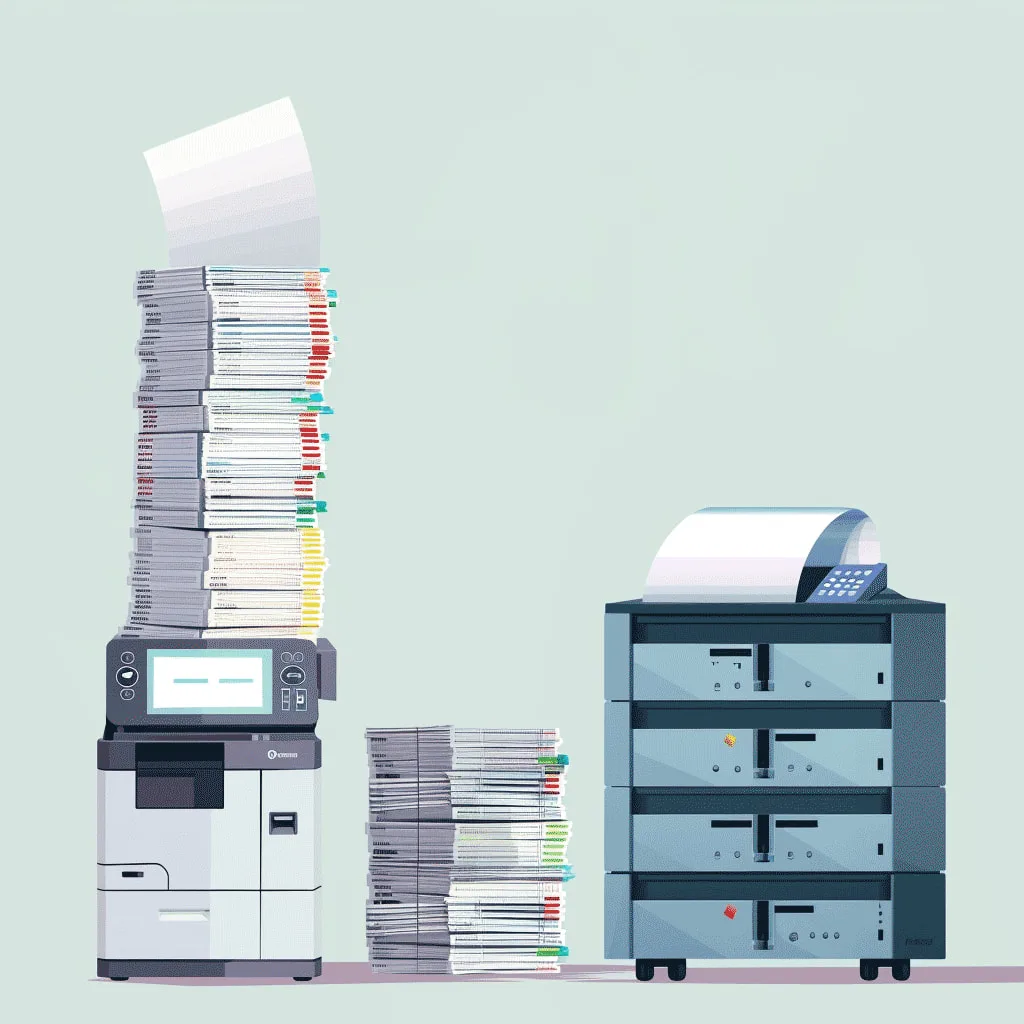
Data-Driven Insights for Smart Printing
Another exciting application of AI in thermal printing is its ability to provide data-driven insights. By analyzing large volumes of data, AI systems can identify trends and offer predictive insights that can help businesses make smarter decisions. For example, in a retail environment, AI could analyze sales data to predict future demand for certain products and automatically print labels or price tags based on those projections. This level of foresight helps businesses stay ahead of consumer demand and optimize their inventory management.
In logistics, AI could analyze delivery patterns and automatically generate labels for shipments that require special handling or prioritization. This would ensure that high-priority packages are easily identified and processed more quickly, improving overall delivery times. The integration of data analytics with thermal printing enables businesses to make decisions based on real-time data, resulting in smarter, more efficient printing processes.
Efficiency and Speed in Smart Thermal Printing
AI and data integration are set to take the efficiency and speed of thermal printing to new heights. Current thermal printers are already known for their speed and precision, but the addition of AI and IoT will amplify these capabilities. AI-driven systems can operate around the clock, ensuring that printing tasks are completed as quickly and accurately as possible, with minimal downtime for maintenance or reconfiguration.
For businesses handling large volumes of labels, receipts, or packaging materials, the speed of smart thermal printing is unmatched. By automating tasks like printing, error detection, and supply management, AI reduces the time it takes to process orders, print labels, and complete packaging. This increase in efficiency not only boosts productivity but also ensures a higher level of customer satisfaction as products move through the supply chain more swiftly.
The Role of Thermal Paper in Future Technologies
As AI and smart technologies continue to evolve, thermal paper remains a vital component in enabling these advancements. Whether it’s in logistics, retail, or healthcare, thermal paper will continue to be the preferred medium for printing labels, receipts, and packaging materials due to its durability, clarity, and efficiency. With innovations in recyclable and biodegradable thermal paper, businesses can also meet their sustainability goals while embracing the future of smart printing.
At Stingbull Ribbon, we are committed to staying ahead of these technological advancements. We offer a comprehensive collection of thermal paper solutions that cater to businesses looking to adopt AI and IoT-powered printing technologies. By providing high-quality thermal paper that integrates seamlessly with cutting-edge smart printing systems, we help businesses stay competitive in an ever-evolving marketplace.
Preparing for the Future with Smart Printing
As AI and IoT continue to shape the future of thermal printing, businesses must be prepared to adapt to these innovations. Whether it’s by automating processes, integrating data, or improving efficiency, AI-powered thermal printing systems are set to transform the way industries operate.
For businesses looking to stay ahead of the competition, embracing smart printing technologies is essential. At Stingbull Ribbon, our collection of thermal paper is your gateway to entering this new era of smart printing. By adopting these advanced solutions, you’ll not only enhance your business operations but also position yourself for long-term success in an increasingly digital and automated world.
Conclusion: The Evolution Continues
From its humble beginnings to its essential role in today’s smart printing technologies, thermal paper has certainly evolved. Whether you’re in logistics, retail, or any industry benefiting from smart printing, thermal paper is likely part of your future. And at Stingbull Ribbon, we’re proud to offer products that cater to both traditional and modern needs. Be sure to explore our comprehensive range of thermal paper options here, and stay on the cutting edge of innovation.