

Thermal paper has come a long way from its early days of printing receipts and labels. Once a staple in brick-and-mortar retail, it has transformed significantly with the rise of e-commerce. This article explores how thermal paper has evolved to meet the demands of the digital age, enhancing efficiency and functionality in the online shopping world.
Traditional Uses of Thermal Paper
Receipts: The Essential Transaction Record
For decades, thermal paper has been a cornerstone of point-of-sale systems, serving as the backbone for customer receipts in various retail settings. The evolution of thermal paper began with its introduction as a more efficient alternative to traditional ink-based printing methods. Here’s a detailed look at its role:
Ink-Free Printing: Thermal paper revolutionized the way receipts were printed by eliminating the need for ink. This technology uses heat to create images directly on the paper, resulting in clear and sharp text. The simplicity of this method made thermal printers reliable and cost-effective for businesses of all sizes.
Durability and Longevity: One of the standout features of thermal paper is its durability. The receipts produced are resistant to smudging and fading, ensuring that transaction records remain legible over time. This durability is crucial for customer transactions, as it preserves financial records for both consumers and businesses.
Speed and Efficiency: Thermal printers are known for their speed. In high-traffic retail environments, such as grocery stores and restaurants, the ability to quickly print receipts without delays is essential. Thermal paper’s quick printing process supports efficient customer service and enhances overall operational productivity.
Customer Experience: For many consumers, the receipt is an important part of the shopping experience, often used for returns, warranties, or expense tracking. Thermal paper’s clean and professional appearance contributes to a positive customer experience, reinforcing the reliability and organization of the retail establishment.
Streamlining Warehouse and Inventory Management
In its early applications, thermal paper was also used to produce labels for shipping and inventory management, laying the groundwork for more advanced logistics processes. Here’s a closer look at its contributions:
Initial Applications: Thermal paper labels were initially employed in warehouses and distribution centers to manage inventory and track goods. The labels provided a straightforward method for tagging products with essential information, such as item numbers and descriptions, which streamlined warehouse operations.
Operational Efficiency: By using thermal paper for labels, businesses were able to improve operational efficiency. Labels could be quickly printed and applied to products, facilitating easier tracking and reducing the time spent manually creating or writing labels. This efficiency was particularly beneficial for high-volume operations.
Barcode Technology: As technology advanced, thermal paper labels were integrated with barcode technology. This allowed for automated scanning of products, further enhancing inventory management and accuracy. Barcodes encoded essential data that could be quickly read by scanners, reducing errors and speeding up the checkout and stocking processes.
Evolution with Technology: Over time, the functionality of thermal paper labels evolved to include more sophisticated features. For example, labels began to incorporate additional elements such as QR codes and RFID tags. These advancements provided even more precise tracking and data collection capabilities, reflecting the growing complexity of logistics and supply chain management.
Thermal paper has played a crucial role in the traditional landscape of receipts and labels. Its transition from simple ink-free printing to advanced applications in barcoding and inventory management highlights its adaptability and enduring significance in the retail and logistics industries.
The Shift to E-Commerce
Increased Demand for Efficiency
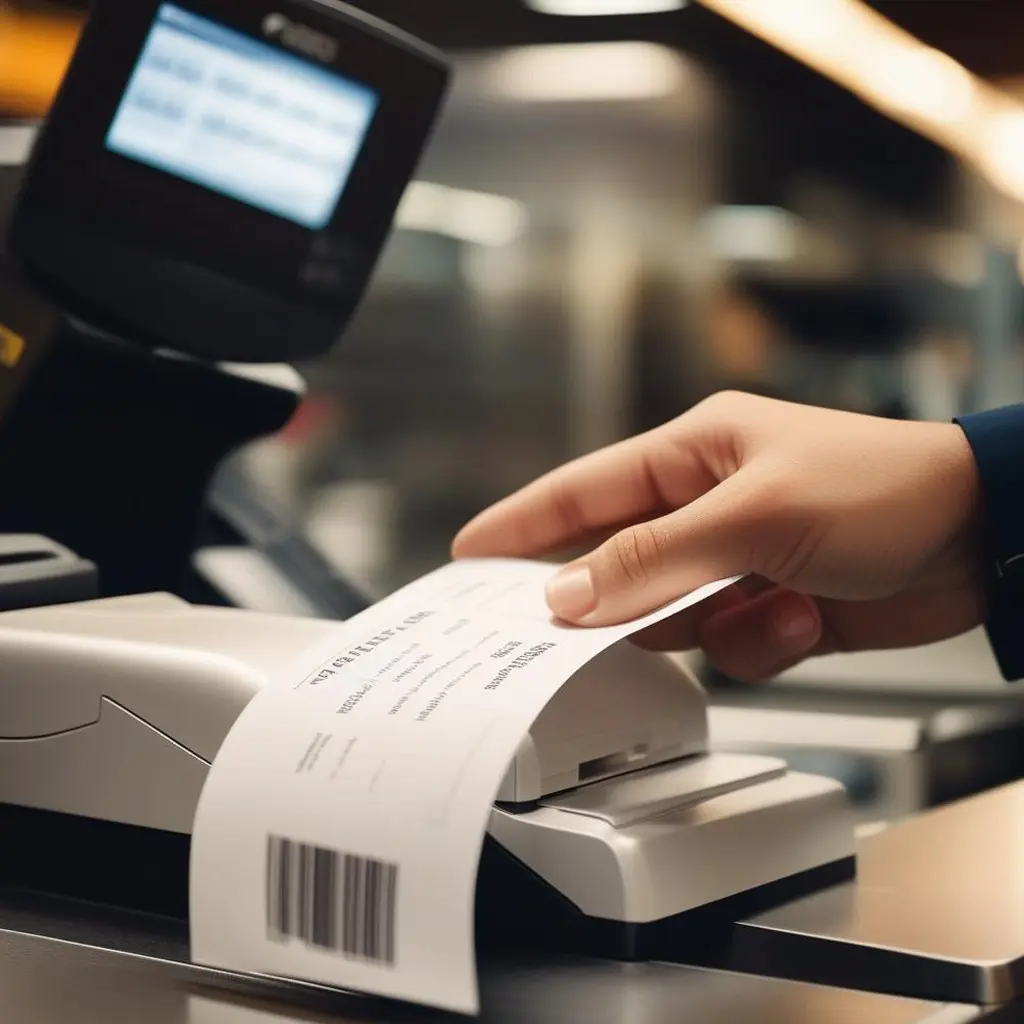
The rapid expansion of e-commerce has fundamentally transformed the retail landscape, leading to an unprecedented demand for efficiency and accuracy in order processing. Online retailers face the challenge of handling vast quantities of orders while maintaining high standards of service. Here’s how thermal paper has adapted to meet these evolving needs:
High-Volume Order Processing: E-commerce platforms often manage thousands of orders daily. Thermal paper has risen to this challenge by offering solutions that streamline the printing of shipping labels, packing slips, and invoices. Modern thermal printers are designed to handle large volumes quickly, ensuring that order fulfillment processes remain efficient even during peak times.
Enhanced Printing Speed and Quality: The speed of thermal printing technology allows e-commerce businesses to process orders swiftly. Thermal paper provides clear and durable prints, which is crucial for maintaining the legibility of shipping information and barcodes. This quality is essential for ensuring that packages are correctly identified and processed throughout the supply chain.
Integration with Automated Systems: As e-commerce operations become increasingly automated, thermal paper technology has evolved to integrate seamlessly with digital systems. Thermal printers are now equipped to work with advanced software for printing shipping labels and other documents, enabling real-time data updates and minimizing manual input.
Streamlined Order Fulfillment: Efficient order fulfillment is vital in e-commerce, and thermal paper has become a key component in this process. Thermal labels are used to tag products accurately, while packing slips ensure that all items are included in the shipment. This streamlining helps reduce errors and improves overall operational efficiency.
Challenges in E-Commerce
The growth of e-commerce has introduced a range of logistical challenges that require innovative solutions. Traditional thermal paper applications needed to evolve to address these complexities:
Managing Returns: Returns management is a significant challenge in e-commerce, with many customers returning items for various reasons. Thermal paper has adapted by offering solutions such as return labels with clear instructions and barcodes. These labels facilitate the tracking of returned items and streamline the return process, making it easier for both customers and retailers.
Ensuring Order Accuracy: With the increasing number of orders, ensuring accuracy has become more critical than ever. Thermal paper labels now incorporate features such as barcodes and QR codes that help verify product information and prevent shipping errors. The use of these features allows for efficient scanning and tracking throughout the supply chain.
Optimizing Shipping Processes: Shipping logistics are complex, involving coordination between various stages of the supply chain. Thermal paper has evolved to include features that support optimized shipping processes, such as labels that can withstand different environmental conditions and ensure readability during transit.
Adapting to Technological Advancements: As e-commerce technology continues to advance, thermal paper solutions have had to keep pace. Innovations such as RFID integration and digital printing technologies have been incorporated into thermal paper products, enhancing their functionality and adaptability to modern logistics requirements.
The shift to e-commerce has driven significant advancements in thermal paper technology. By addressing the demands for efficiency, accuracy, and adaptability, thermal paper continues to play a crucial role in the evolving landscape of online retail.
Modern Applications of Thermal Paper in E-Commerce
Shipping Labels: Advancing Label Technology
In the modern e-commerce environment, shipping labels have become more sophisticated, thanks to advancements in thermal paper technology. Here’s a detailed look at how contemporary thermal paper is revolutionizing shipping labels:
Durability in Various Conditions: Today’s thermal paper is engineered to withstand a range of environmental conditions, including moisture, heat, and abrasion. This durability ensures that shipping labels remain intact and legible throughout the entire delivery process, from the warehouse to the customer’s doorstep. Enhanced adhesive properties ensure that labels stay securely affixed to packages, even in challenging conditions.
High-Resolution Printing: Modern thermal printers produce high-resolution labels that are crisp and clear. This improved print quality is crucial for maintaining readability of essential shipping information such as addresses, barcodes, and tracking numbers. Clear labels help reduce shipping errors and ensure smooth processing through sorting facilities.
Integration with Tracking Systems: Advanced thermal paper labels are designed to work seamlessly with tracking and logistics systems. Barcodes and QR codes printed on the labels can be scanned quickly to update delivery status and track packages in real-time. This integration supports efficient logistics management and enhances the overall customer experience by providing accurate delivery updates.
Order Fulfillment: Enhancing Efficiency and Accuracy
Thermal paper has become indispensable in the order fulfillment process, playing a key role in managing the high volumes of orders typical in e-commerce. Here’s how modern thermal paper supports efficient order fulfillment:
Speed of Printing: With the latest thermal printers, e-commerce businesses can generate high-quality labels and documents rapidly. This speed is essential for handling large quantities of orders quickly and efficiently, ensuring that packages are labeled and processed without delays.
Accuracy in Labeling: Thermal paper labels used in order fulfillment are designed to include detailed information such as product descriptions, barcodes, and shipping instructions. The accuracy of these labels helps prevent errors in order picking and packing, reducing the likelihood of incorrect shipments and enhancing overall operational efficiency.
Streamlined Workflow: Thermal paper’s role in order fulfillment extends beyond just labeling. It also involves generating packing slips, invoices, and other documents required for shipping. The streamlined printing process facilitated by thermal technology supports a smooth workflow, helping to manage and process orders more effectively.

Returns Management: Simplifying the Process
Handling returns efficiently is a significant aspect of e-commerce logistics, and modern thermal paper solutions have greatly simplified this process:
Clear Instructions and Tracking: Thermal labels used for returns often feature integrated barcodes or QR codes that provide clear instructions for returning items. These labels help customers easily process returns by offering step-by-step guidance and ensuring that returned items are properly tracked throughout the return journey.
Reduction of Errors: By incorporating barcodes and QR codes, thermal paper labels minimize errors in the returns process. Scanning these codes during return processing ensures that the returned items are accurately matched with the original order, reducing the likelihood of mistakes and improving inventory management.
Enhanced Customer Satisfaction: Streamlined returns management facilitated by modern thermal paper solutions leads to higher customer satisfaction. The ease of handling returns and the clarity of return instructions contribute to a positive customer experience, encouraging repeat business and fostering customer loyalty.
The modern applications of thermal paper in e-commerce showcase its critical role in advancing shipping labels, enhancing order fulfillment, and simplifying returns management. With continued innovations in thermal paper technology, e-commerce businesses can maintain high levels of efficiency, accuracy, and customer satisfaction in an increasingly complex retail landscape.
Technological Advancements in Thermal Paper
Integration with Digital Systems
The integration of thermal paper with digital systems represents a significant advancement in logistics and operational efficiency. Here’s a closer look at how this integration is transforming the industry:
Seamless Interaction with Scanners: Modern thermal paper is designed to work flawlessly with barcode and QR code scanners. This compatibility allows for the automatic capture of data during various stages of the logistics process. For instance, shipping labels and inventory tags can be quickly scanned, eliminating the need for manual data entry and reducing the chances of human error.
Automated Data Entry: By integrating thermal paper with digital systems, businesses can achieve automated data entry, which speeds up processes and enhances accuracy. Scanned information from thermal labels is instantly recorded in inventory management systems or order processing software, enabling real-time updates and improved operational efficiency.
Real-Time Updates: The ability to receive real-time updates through digital integration is crucial for managing fast-paced logistics environments. For example, as packages move through the supply chain, their status can be updated in real-time using data from thermal paper labels. This ensures that all stakeholders have access to the most current information, facilitating better decision-making and faster response times.
RFID Technology
The incorporation of Radio Frequency Identification (RFID) technology into thermal paper has revolutionized tracking and inventory management. Here’s how RFID-enabled thermal labels are making an impact:
Enhanced Tracking Capabilities: RFID tags embedded in thermal paper labels provide advanced tracking capabilities. Unlike traditional barcodes, RFID tags do not require a direct line of sight for scanning, allowing for quicker and more efficient data capture. This feature is particularly beneficial in large warehouses and distribution centers where items are often stacked or stored in bulk.
Real-Time Data Collection: RFID-enabled thermal labels offer real-time data on product movement, which significantly improves inventory management. By automatically recording the location and status of items as they move through the supply chain, businesses can maintain accurate inventory levels and reduce the need for manual checks.
Reduced Manual Checks: With RFID technology, the reliance on manual checks is greatly reduced. RFID readers can scan multiple items simultaneously, streamlining inventory counts and ensuring that discrepancies are identified and addressed promptly. This efficiency contributes to a more accurate and reliable inventory management system.
Environmental Considerations
As environmental sustainability becomes increasingly important, advancements in eco-friendly thermal paper options are emerging. These innovations aim to balance performance with reduced environmental impact:
Sustainable Materials: Modern eco-friendly thermal paper options are made from sustainable materials that reduce the environmental footprint of production. These materials include recycled fibers and biodegradable substances, which help minimize waste and support a circular economy.
Reduced Chemical Use: Advances in thermal paper technology also focus on reducing the use of harmful chemicals in the paper’s coating. Eco-friendly thermal paper alternatives often utilize safer, less toxic substances that align with environmental regulations and contribute to a healthier ecosystem.
Performance and Functionality: Despite their environmental benefits, eco-friendly thermal papers are designed to maintain the high performance required for modern logistics. These papers offer durability, clarity, and compatibility with digital systems, ensuring that they meet the demands of contemporary logistics operations without compromising on quality.
Technological advancements in thermal paper are driving significant improvements in integration with digital systems, RFID technology, and environmental sustainability. These innovations enhance operational efficiency, accuracy, and environmental responsibility, positioning thermal paper as a critical component in the evolving landscape of logistics and supply chain management.
Case Studies and Examples
E-Commerce Giant: Revolutionizing Shipping with RFID Technology
One of the world’s leading online retailers has transformed its shipping and logistics operations through the adoption of advanced thermal paper labels integrated with RFID technology. Here’s an in-depth look at how this major player has leveraged these innovations:
Enhanced Tracking Accuracy: The integration of RFID technology into thermal paper labels has dramatically improved the accuracy of tracking shipments. RFID tags embedded in the labels provide detailed, real-time information about each package’s location and status throughout the supply chain. This enhanced tracking capability ensures that each item can be precisely monitored from the warehouse to the customer’s doorstep, reducing the risk of lost or misplaced packages.
Faster Order Processing: By incorporating RFID technology, the e-commerce giant has streamlined its order processing workflows. RFID-enabled thermal labels allow for quicker scanning and data retrieval, which speeds up the handling and shipping of orders. This efficiency is crucial for managing high volumes of orders, especially during peak shopping seasons, and helps maintain customer satisfaction with timely deliveries.
Reduction in Errors: The use of RFID technology in thermal paper labels has led to a significant reduction in shipping errors. The automated data capture and real-time updates provided by RFID ensure that the correct items are shipped to the right addresses. This improvement minimizes the occurrence of incorrect shipments and enhances the overall accuracy of the fulfillment process.
Operational Efficiency: The ability to track and manage shipments more effectively has optimized the retailer’s overall logistics operations. With real-time visibility into the movement of goods, the company can make more informed decisions, anticipate and address potential issues, and improve the efficiency of its supply chain management.
Innovative Online Store: Enhancing Fulfillment and Returns Management
A smaller but innovative e-commerce company has successfully implemented modern thermal paper solutions to boost its order fulfillment and returns management processes. Here’s a detailed look at their approach:
Improved Order Fulfillment: The online store adopted high-quality thermal labels to enhance its order fulfillment operations. These labels, produced using advanced thermal printing technology, provide clear and durable information necessary for accurate order processing. The company benefits from improved label readability, which supports efficient picking and packing of orders, leading to faster shipping times and increased customer satisfaction.
Streamlined Returns Management: Handling returns efficiently is a critical aspect of e-commerce, and the store has leveraged modern thermal paper solutions to simplify this process. By using thermal labels with integrated barcodes or QR codes, the company has made the returns process more transparent and user-friendly. Customers can easily generate return labels with clear instructions and tracking information, while the store can efficiently process returned items with minimal errors.
Enhanced Customer Satisfaction: The implementation of high-quality thermal labels has contributed to improved customer satisfaction. Accurate and reliable labeling ensures that orders are fulfilled correctly, while streamlined returns management offers a hassle-free experience for customers. The store’s commitment to efficient operations and high-quality service enhances its reputation and fosters customer loyalty.
Operational Benefits: The adoption of modern thermal paper solutions has led to noticeable improvements in the company’s overall operational efficiency. By reducing the time and effort required for order processing and returns management, the store has been able to focus more on growing its business and delivering exceptional service.
These case studies highlight the transformative impact of advanced thermal paper technology on e-commerce operations. Whether through the integration of RFID technology by a major retailer or the enhanced fulfillment and returns management of a smaller online store, the adoption of modern thermal paper solutions is driving significant improvements in accuracy, efficiency, and customer satisfaction.
Future Trends
Automation and AI: The future of thermal paper in e-commerce will likely see increased integration with automation and artificial intelligence. These technologies will further enhance the efficiency of thermal paper applications, making logistics operations even more streamlined.
Sustainability: The focus on eco-friendly and recyclable thermal paper will continue to grow. As the industry seeks to reduce its environmental footprint, innovations in sustainable thermal paper options will play a crucial role in the future of e-commerce logistics.
Conclusion
The transformation of thermal paper from its traditional uses to its modern applications in e-commerce showcases its adaptability and ongoing relevance. From enhancing shipping labels to improving order fulfillment and returns management, thermal paper remains a vital component in the evolving landscape of online retail. For a comprehensive selection of thermal paper products, explore our thermal paper collection.