
In the rapidly evolving world of public transportation, the integration of traditional and modern technologies has become essential. One fascinating intersection is the connection between thermal paper and digital wallets. This blend of tangible and digital innovations is streamlining operations and enhancing the user experience. Let’s delve into how thermal paper and digital wallets are revolutionizing public transportation.
Understanding Thermal Paper
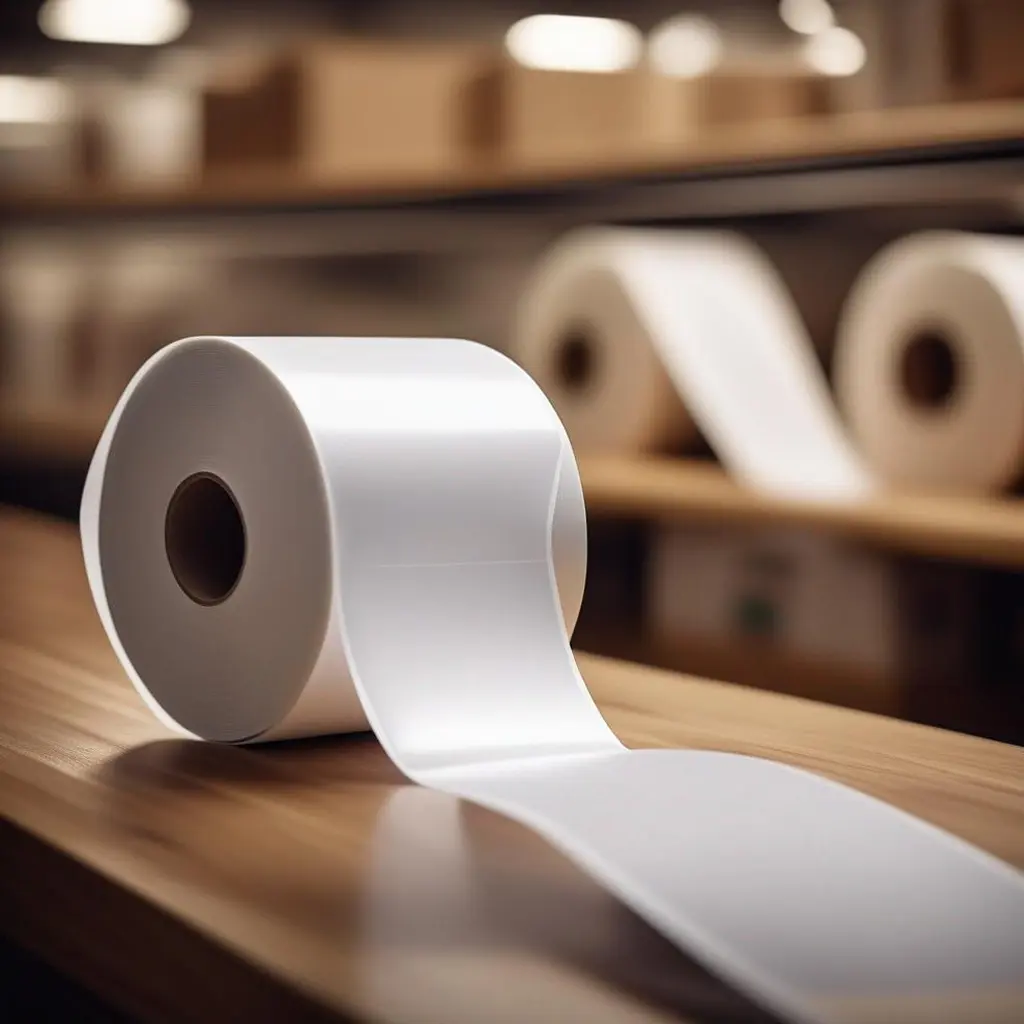
Thermal paper is a special type of paper that changes color when exposed to heat, making it an ideal choice for printing tickets, receipts, and other time-sensitive documents. Its benefits include:
Cost-effectiveness: Thermal paper reduces the need for ink, making it a cheaper option for mass printing.
Efficiency: Thermal printers are faster and more reliable, ensuring quick ticket issuance.
Durability: Thermal paper is resistant to smudging and fading, ensuring longevity and readability.
You can explore our wide range of thermal paper products to find the best options for your needs.
What are Digital Wallets?
Digital wallets are innovative platforms that store users’ payment information electronically, allowing for seamless transactions without the need for physical cards or cash. Popular examples include Apple Pay, Google Wallet, and Samsung Pay. These digital wallets offer a host of advantages, revolutionizing the way we handle transactions in our everyday lives.
Convenience: Digital wallets provide an incredibly convenient way to pay. Users can link their bank accounts, credit cards, or debit cards to their digital wallet and make payments directly from their smartphones or other smart devices. This eliminates the need to carry multiple cards and cash, streamlining the payment process whether you’re buying groceries, dining out, or using public transportation.
Security: Enhanced security features are a major selling point for digital wallets. These platforms utilize advanced encryption methods to protect users’ financial information. Additionally, many digital wallets offer biometric verification, such as fingerprint or facial recognition, adding an extra layer of security. This ensures that even if a device is lost or stolen, unauthorized access to financial information is extremely difficult.
Speed: Transactions via digital wallets are typically faster than traditional payment methods. The process of swiping a card or counting out cash is replaced by a quick tap or scan, significantly reducing transaction times. This speed is particularly beneficial in high-traffic environments such as public transportation, where efficiency is key.
Integration of Thermal Paper and Digital Wallets in Public Transportation
The integration of thermal paper and digital wallets in public transportation systems represents a harmonious blend of traditional and modern technologies, offering a more streamlined and user-friendly experience for passengers.
Ticketing Systems: One of the primary applications of this integration is in ticketing systems. Digital wallets can be used to purchase tickets quickly and securely, while thermal paper tickets serve as a physical backup or proof of purchase. For example, a passenger might use Apple Pay to buy a bus ticket, receiving an instant thermal paper ticket for easy access and validation. This system combines the speed and security of digital transactions with the reliability of physical tickets.
Payment and Verification: Digital wallets enhance the payment process by making it quicker and more secure. Passengers can use their smartphones to complete transactions, while thermal paper tickets provide a tangible receipt. This dual approach ensures that even if digital systems fail or are inaccessible, passengers still have a reliable proof of payment. Additionally, thermal paper tickets are easy for conductors and validators to check, ensuring smooth operation within the transportation system.
Timetables and Schedules: Thermal paper is also used to print public transportation schedules and timetables, which are essential for commuters. Integrating these with digital wallets can provide passengers with updated schedules and route information directly on their devices. At the same time, a thermal paper printout can serve as a handy offline reference. This ensures that passengers always have access to important information, regardless of their connectivity status.
By combining the strengths of thermal paper and digital wallets, public transportation systems can offer a more efficient, secure, and user-friendly experience. For more insights and to explore our range of thermal paper products, visit our website and discover how you can modernize your public transportation system today.
Ticketing Systems
Thermal paper tickets can be seamlessly integrated with digital wallets for a more streamlined and user-friendly experience. This integration not only enhances the efficiency of the ticketing process but also provides passengers with multiple layers of convenience and security.
Digital Wallet Integration: In modern public transportation systems, passengers can purchase their tickets using digital wallets such as Apple Pay, Google Wallet, or Samsung Pay. This digital transaction is quick, secure, and eliminates the need to handle cash or physical cards. Once the purchase is made, a thermal paper ticket is issued as a physical backup. This ticket serves as a tangible proof of purchase, which is crucial in scenarios where digital verification might face technical issues or connectivity problems.
Example: Many cities around the world have already adopted this integrated system. In these cities, passengers use their digital wallets to purchase bus, train, or subway tickets. Upon completing the transaction, they receive a thermal paper ticket from an automated kiosk or a mobile ticketing machine. This ticket is easy to carry and provides quick access and verification when boarding.
In New York City, for example, the Metropolitan Transportation Authority (MTA) has implemented such systems in their subway lines. Commuters can use their smartphones to purchase tickets via digital wallets and receive a thermal paper ticket that allows for easy scanning and entry at turnstiles. This not only speeds up the process but also ensures that there is a fallback option in case of any technical difficulties with the digital system.
The integration of thermal paper and digital wallets in ticketing systems offers numerous advantages:
Efficiency: Transactions via digital wallets are almost instantaneous. This reduces queues and waiting times at ticket counters and kiosks, making the commuting experience smoother and faster.
Security: Digital wallets provide a high level of security through encryption and biometric authentication. This minimizes the risk of fraud and ensures that the passenger’s financial information remains secure.
Convenience: Passengers do not need to worry about carrying exact change or multiple tickets. They can store their payment methods on their smartphones and use them as needed. The thermal paper ticket serves as a convenient and reliable physical backup.
Durability: Thermal paper tickets are durable and resistant to smudging and fading. This ensures that the ticket remains legible throughout its usage period, which is essential for hassle-free travel.
Environmental Impact: While digital transactions reduce the need for paper, thermal paper tickets are still necessary as a backup. However, modern thermal paper is designed to be more eco-friendly, with options available that minimize environmental impact. For more details on sustainable thermal paper solutions, visit our thermal paper collection.
Future Innovations: The future of ticketing systems is likely to see even more advanced integrations. Emerging technologies are focusing on increasing the durability of thermal paper, making it more resistant to extreme conditions. Additionally, there is a trend towards smarter integration with digital systems, enhancing functionality and user experience. For instance, future thermal paper tickets might include QR codes or NFC technology that can interact directly with smartphones for even faster verification.
Stay updated with the latest in thermal paper technology by exploring our range of products.
Payment and Verification
The integration of digital wallets with thermal paper tickets in public transportation systems combines the efficiency of digital transactions with the reliability of physical tickets. This hybrid approach offers numerous benefits that enhance the overall passenger experience and streamline the operations of transit authorities.
Using Digital Wallets for Thermal Paper Tickets: Digital wallets such as Apple Pay, Google Wallet, and Samsung Pay enable passengers to purchase tickets quickly and securely using their smartphones. This method eliminates the need for cash transactions and reduces the time spent at ticket counters. Once the digital transaction is completed, a thermal paper ticket is printed, providing passengers with a tangible proof of purchase that can be used for access and verification.
Benefits:
Convenience: The convenience of using digital wallets for ticket purchases is unmatched. Passengers can easily store their payment information on their smartphones and use it to buy tickets with just a few taps. This eliminates the need to carry cash or physical credit cards, making the process faster and more efficient. The thermal paper ticket, issued immediately after the digital purchase, ensures that passengers have a physical ticket that can be easily scanned or presented when needed.
Security: Digital wallets offer enhanced security features that protect passengers’ financial information. Transactions are encrypted, and biometric verification methods such as fingerprint scans or facial recognition add an extra layer of security. This significantly reduces the risk of fraud and unauthorized transactions. The thermal paper ticket acts as a secure, physical receipt that can be presented if any discrepancies arise during the digital transaction.
Reliability: While digital transactions are generally reliable, there can be instances where technology fails, such as connectivity issues or battery drain on smartphones. In such cases, having a thermal paper ticket as a backup is crucial. These tickets are durable and resistant to smudging and fading, ensuring that they remain legible throughout their usage period. This reliability ensures that passengers can continue their journey without interruption.
Enhanced Passenger Experience: By combining digital wallets with thermal paper tickets, public transportation systems can offer a seamless and user-friendly experience. Passengers enjoy the speed and security of digital transactions while having the reassurance of a physical ticket. This hybrid system caters to both tech-savvy users and those who prefer traditional paper tickets, making public transit more inclusive and accessible.
Example Implementation: Cities like London and Tokyo have successfully implemented systems where passengers use digital wallets to purchase tickets. In London, the Oyster card system allows passengers to top up their cards using digital wallets and receive a thermal paper receipt as proof of the transaction. In Tokyo, similar systems enable passengers to use digital wallets for ticket purchases, with thermal paper tickets issued for easy access and verification.
Environmental Impact: Using digital wallets reduces the need for printed tickets, contributing to environmental sustainability. However, the necessity of thermal paper tickets as backups ensures that there is minimal disruption to passenger travel in case of technical issues. Modern thermal paper is designed to be eco-friendly, reducing its environmental impact. For more details on sustainable thermal paper solutions, check out our collection of thermal paper products.
Future Trends: The future of payment and verification in public transportation looks promising with continuous advancements in technology. Innovations such as contactless payment methods, integration of NFC (Near Field Communication) technology in thermal paper tickets, and smarter digital wallet systems are set to revolutionize the industry. These advancements aim to enhance the speed, security, and reliability of transactions while maintaining the convenience of physical ticketing.
Discover how our thermal paper options can enhance your ticketing systems and provide a seamless experience for passengers. Explore our range of products to find the best solutions for your public transportation needs.
Timetables and Schedules
Public transportation schedules and timetables printed on thermal paper play a crucial role in providing commuters with reliable and easy-to-read information. These printouts offer high contrast and clarity, making it simple for passengers to quickly glance and understand the timing and routes of their transport options. By integrating thermal paper schedules with digital wallet functionalities, passengers can enjoy the best of both worlds: the convenience of digital updates and the reliability of physical printouts.
Benefits of Combining Thermal Paper and Digital Wallets:
Convenience: The integration of thermal paper and digital wallets provides a seamless and user-friendly experience. Commuters can easily access real-time schedule updates on their smartphones via digital wallets. This ensures that they have the most accurate and up-to-date information at their fingertips. Additionally, having a physical thermal paper timetable as a backup means that passengers are not solely reliant on their digital devices, which can sometimes run out of battery or face connectivity issues. This dual system enhances the overall convenience for users, ensuring they are always informed and prepared for their journeys.
Example:
In cities like New York and Paris, public transportation systems have adopted digital wallets for real-time schedule updates while continuing to provide thermal paper printouts at stations. This approach caters to both tech-savvy commuters and those who prefer physical timetables.
Security:
Digital wallets offer enhanced security features that protect commuters’ personal and payment information through encryption and biometric verification. This reduces the risk of fraud and unauthorized access. When combined with thermal paper schedules and tickets, this hybrid approach ensures that passengers have a secure and tangible proof of their travel plans. This dual-layer security is particularly beneficial in crowded public transportation environments where digital security alone might not suffice.
Example:
Cities like Tokyo and London have implemented systems where digital wallets are used for purchasing tickets and accessing schedule information, with thermal paper providing a physical backup. This ensures a secure and hassle-free travel experience for passengers.
Environmental Impact:
Leveraging digital solutions significantly reduces the need for paper, contributing to environmental sustainability. By minimizing the number of printed schedules and tickets, public transportation systems can lower their carbon footprint. However, the strategic use of thermal paper for essential printouts ensures that passengers always have access to necessary physical documentation, especially in scenarios where digital access may be compromised. Modern thermal paper options are designed to be more eco-friendly, further mitigating their environmental impact.
Example:
Many public transportation systems now use recycled thermal paper and promote digital ticketing to reduce waste. For more information on eco-friendly thermal paper solutions, check out our collection of thermal paper products.
Enhanced User Experience:
The combination of thermal paper and digital wallets enhances the overall user experience by providing a reliable and versatile system. Commuters benefit from the speed and ease of digital transactions while having the assurance of a physical ticket and timetable. This integrated approach ensures that all passengers, regardless of their technological proficiency, can navigate the public transportation system efficiently and comfortably.
Example: In Singapore, the integration of digital wallets and thermal paper has been successfully implemented, leading to a smoother and more efficient commuting experience. Commuters can check schedules on their smartphones and receive thermal paper tickets for easy verification and access.
Future Innovations:
The future of public transportation looks promising with continuous advancements in technology. Emerging trends include the integration of NFC (Near Field Communication) technology with thermal paper tickets for contactless access, and the development of smarter digital wallet systems that offer even greater functionality and convenience. These innovations aim to further enhance the speed, security, and reliability of transactions while maintaining the convenience of physical ticketing.
Stay ahead of the curve with our innovative thermal paper products designed to meet the evolving needs of public transportation systems. Explore our range of products to find the best solutions for your transit needs and ensure a modern, efficient, and user-friendly experience for your passengers.
Challenges and Considerations
While the integration of thermal paper and digital wallets offers numerous benefits for public transportation, there are also significant challenges and considerations that must be addressed to ensure a smooth implementation and operation. These include technological integration, user adoption, and cost implications.
Technological Integration:
Compatibility Issues:
Ensuring that thermal paper systems are compatible with digital wallet platforms can be complex. This involves updating or replacing existing hardware and software to support new functionalities. The integration must be seamless to provide a consistent and reliable experience for users.
System Upgrades:
Public transportation authorities may need to upgrade their current ticketing systems to accommodate digital wallet transactions. This could involve significant changes to backend infrastructure, which must be carefully planned and executed to avoid disruptions.
Interoperability:
Different digital wallet providers may have varying standards and protocols. Ensuring interoperability between multiple systems is crucial to provide a unified experience for all users, regardless of the digital wallet they use.
Example:
In cities like Los Angeles and Berlin, public transportation authorities have faced challenges in integrating multiple digital wallet platforms with their existing thermal paper ticketing systems. Overcoming these challenges requires collaboration with technology providers and extensive testing to ensure seamless operation.
User Adoption:
Education and Awareness: Encouraging passengers to adopt and trust the combined use of thermal paper and digital wallets requires effective communication and education. Users need to be informed about the benefits and functionalities of the new system, as well as how to use it.
Resistance to Change: Some passengers may be resistant to changing their usual ticketing methods. Addressing concerns and demonstrating the convenience and security of the integrated system can help alleviate resistance.
Accessibility:
Ensuring that the new system is accessible to all users, including those who may not be tech-savvy or do not own smartphones, is crucial. Providing alternatives and support can help ensure that no passengers are left behind.
Example:
In London, Transport for London (TfL) has implemented extensive public awareness campaigns and user guides to encourage the adoption of digital wallets. Additionally, they have maintained traditional ticketing options to cater to all passengers.
Cost Implications:
Initial Setup Costs: The initial setup of integrated thermal paper and digital wallet systems can be costly. This includes purchasing new hardware, upgrading software, and training staff. Public transportation authorities must carefully budget for these expenses.
Ongoing Maintenance:
Maintaining the integrated system involves regular updates, troubleshooting, and technical support. These ongoing costs can add up over time, requiring a dedicated budget and resources.
Cost-Benefit Analysis:
Authorities need to conduct a thorough cost-benefit analysis to determine if the long-term savings and benefits of the integrated system outweigh the initial and ongoing costs. This includes considering factors such as improved efficiency, reduced paper waste, and enhanced passenger experience.
Example:
In New York City, the Metropolitan Transportation Authority (MTA) has undertaken a detailed cost-benefit analysis before implementing their new integrated ticketing system. This analysis has helped them plan for both immediate expenses and long-term benefits.
Vendor Partnerships:
Collaborating with reliable technology vendors who can provide ongoing support and updates is essential. Negotiating favorable terms and ensuring accountability can help manage costs and ensure smooth operations.
Example:
Cities like Tokyo have successfully partnered with leading technology providers to implement and maintain their integrated ticketing systems. These partnerships have helped them manage costs and ensure a high level of service.
Scalability:
As public transportation systems grow and evolve, the integrated ticketing system must be scalable to accommodate increasing passenger numbers and new technologies. Planning for scalability from the outset can help avoid future disruptions and additional costs.
By addressing these challenges and considerations, public transportation authorities can successfully integrate thermal paper and digital wallets, providing a modern, efficient, and user-friendly experience for their passengers. For more insights and solutions, explore our range of innovative thermal paper products designed to meet the evolving needs of public transportation systems.
Future Trends and Innovations
The future of integrating thermal paper and digital wallets in public transportation is filled with exciting possibilities. As technology continues to evolve, several emerging trends and innovations are set to enhance this synergy, leading to improved functionality, user experience, and sustainability.
Increased Durability:
Advanced Coatings:
Advances in thermal paper technology are focusing on developing more robust coatings that can withstand extreme conditions such as high humidity, temperature fluctuations, and physical wear and tear. This will ensure that thermal paper tickets and timetables remain legible and intact throughout their intended use.
Water and Smudge Resistance:
Future thermal paper products are being designed to offer superior resistance to water and smudging. This will be particularly beneficial in environments where tickets and schedules are exposed to the elements, ensuring longevity and reliability.
Enhanced Print Quality:
New formulations of thermal paper are being created to deliver sharper and clearer prints. This will improve the readability of tickets, passes, and timetables, making them easier for passengers and staff to read and verify.
Example:
Research and development in materials science are paving the way for thermal paper that maintains its integrity even in the most challenging conditions, ensuring consistent performance across various public transportation systems.
Smart Integration:
Digital and Physical Synergy:
Thermal paper is being integrated with digital systems to create a seamless user experience. For instance, QR codes printed on thermal tickets can be scanned by mobile apps for easy access and verification, bridging the gap between physical and digital realms.
NFC Technology:
Near Field Communication (NFC) technology is being incorporated into thermal paper products. Passengers can simply tap their NFC-enabled smartphones on a thermal paper ticket to validate their journey, making the process faster and more convenient.
Real-Time Updates:
Future thermal paper tickets and timetables can include dynamic information that updates in real-time. This could involve printing schedules that adjust automatically based on service changes or delays, providing passengers with the most current information.
Example:
Cities like Seoul and Singapore are exploring the use of NFC technology in their public transportation systems, allowing passengers to use their smartphones for seamless ticket validation and access to real-time travel information.

Environmental Sustainability:
Eco-Friendly Materials:
There is a growing emphasis on developing thermal paper products made from sustainable and recyclable materials. This reduces the environmental impact of paper production and disposal, aligning with global efforts to promote green practices.
Reduced Chemical Usage:
Innovations are focusing on reducing the amount of chemicals used in the production of thermal paper. This includes developing coatings that are less harmful to the environment while maintaining the paper’s functionality and durability.
Paperless Initiatives:
The integration of digital wallets with thermal paper systems supports a gradual shift towards paperless transactions. While physical tickets remain an option, the increased use of digital transactions reduces overall paper consumption, contributing to environmental conservation.
Example:
Initiatives in cities like Copenhagen and Oslo are leading the way in incorporating eco-friendly thermal paper solutions, demonstrating a commitment to sustainability in public transportation.
Enhanced User Experience:
Personalization:
Future thermal paper products will offer greater opportunities for personalization. Passengers may receive customized tickets and passes with tailored information, such as preferred routes or travel tips, enhancing their overall experience.
User-Friendly Interfaces:
The integration of thermal paper with digital systems will result in more intuitive and user-friendly interfaces. Passengers will find it easier to purchase, validate, and use their tickets, improving satisfaction and reducing the likelihood of errors.
Data Analytics:
The combination of thermal paper and digital wallets will enable transportation authorities to collect valuable data on passenger behavior and preferences. This data can be used to optimize services, improve efficiency, and better meet the needs of commuters.
Example:
Transport networks in major cities like New York and London are exploring the use of data analytics to enhance service delivery and personalize passenger experiences, leveraging the integration of thermal paper and digital wallets.
By embracing these future trends and innovations, public transportation systems can offer a more efficient, convenient, and sustainable service to passengers. The continued evolution of thermal paper technology and its integration with digital wallets will play a crucial role in shaping the future of public transit. Stay ahead of the curve by exploring our range of cutting-edge thermal paper products designed to meet the evolving needs of modern transportation systems.
Stay ahead of the curve with our innovative thermal paper products.
Conclusion
The connection between thermal paper and digital wallets is a testament to how traditional and modern technologies can coexist and complement each other. This integration not only enhances the efficiency and security of public transportation systems but also improves the overall passenger experience.
For more insights and to explore our range of thermal paper products, visit our website and discover how you can modernize your public transportation system today.