

In today’s fast-paced world of e-commerce and global trade, businesses are constantly looking for ways to enhance their supply chain operations. One of the most innovative solutions that has emerged is the concept of smart warehousing, where automation and cutting-edge technologies meet to streamline logistics. In this scenario, thermal paper plays a crucial role, enabling efficient labeling, tracking, and shipping processes. At Stingbull Ribbon, where we offer a variety of thermal paper options for various brands, it’s clear how this seemingly small tool is making a big difference.
What is Smart Warehousing?
Smart warehousing is a transformative approach to warehouse operations, integrating cutting-edge technologies to streamline and automate various logistical processes. This concept represents a significant leap forward from traditional warehouses, which are typically reliant on manual labor, paper-based systems, and slower workflows. In contrast, smart warehousing leverages a range of advanced tools such as IoT (Internet of Things) devices, automated storage and retrieval systems (AS/RS), and robotics to enhance efficiency, accuracy, and speed in handling goods.
Key Features of Smart Warehousing
Automation and Robotics
Smart warehouses often employ robots to manage tasks like picking, sorting, and packing goods. Robots can quickly locate products within the warehouse, reducing the time needed for manual searches. Autonomous vehicles can transport goods to different locations, enhancing operational efficiency. This level of automation reduces human error, minimizes labor costs, and ensures higher throughput.
IoT Devices for Real-Time Monitoring
IoT devices are an integral part of smart warehousing, providing real-time tracking and monitoring of goods. Sensors placed on shelves and inventory items collect data, allowing warehouse operators to see exactly where each product is located and monitor environmental factors such as temperature and humidity. This is particularly valuable for industries like pharmaceuticals and food, where specific storage conditions are crucial.
RFID and AI-Driven Inventory Management
RFID (Radio-Frequency Identification) technology replaces traditional barcode systems, offering a more seamless and precise way to track products. Unlike barcodes, which require line-of-sight scanning, RFID tags can be read remotely, even through packaging or other obstacles. When combined with AI-driven inventory management, this system can predict stock needs, optimize storage space, and minimize the risk of overstock or stock shortages.
Cloud-Based Data Systems
Cloud technology allows warehouse management systems to be accessed from anywhere, providing real-time data analytics and reports on inventory levels, order fulfillment, and delivery schedules. Warehouse operators can monitor performance, identify bottlenecks, and make adjustments quickly, leading to more efficient and responsive supply chains.
Advantages of Smart Warehousing
Increased Operational Efficiency:
By automating repetitive tasks and using advanced tracking technologies, smart warehouses significantly reduce the time needed to handle products. Automated systems can pick and pack items faster than human workers, allowing businesses to process a larger volume of goods in less time.
Improved Accuracy:
With advanced technologies like IoT and RFID, smart warehouses greatly reduce the risk of human errors in inventory management. Automated systems ensure that items are accurately tracked from the moment they enter the warehouse until they are shipped to customers.
Cost Savings:
While the initial investment in smart warehousing technology may be high, businesses benefit from long-term cost savings. Automation reduces the need for a large workforce, lowers operational costs, and minimizes costly errors in product handling.
Scalability:
Smart warehousing systems are highly scalable, allowing businesses to adapt quickly to changes in demand. Automated systems can handle increased workloads without the need to expand staff, making it easier for companies to scale their operations during peak seasons.
The Role of Thermal Paper in Smart Warehousing
An essential, yet often overlooked component of smart warehousing is the use of thermal paper. Thermal paper is widely used for printing shipping labels, barcodes, and invoices—critical elements in ensuring smooth warehouse operations. Unlike traditional printing methods, thermal printing is faster, more reliable, and cost-effective, making it the preferred choice for high-volume environments like warehouses.
Fast Printing for Shipping Labels and Barcodes
Thermal printers work by applying heat to specially coated paper, producing sharp, clear images without the need for ink or toner. This method is ideal for printing shipping labels and barcodes, which need to be produced quickly and in large quantities. In a busy warehouse, where time is of the essence, thermal printing helps reduce delays in processing orders and shipments.
Durability and Precision
Thermal paper produces prints that are highly resistant to fading, smudging, and damage from environmental factors like moisture or heat. This durability is essential for labels and barcodes that will be handled frequently during the logistics process. Whether it’s used on products stored in cold warehouses or transported through various conditions, thermal paper ensures that the printed information remains intact and readable.
Cost-Effectiveness

Thermal printers are more cost-effective than traditional printers, as they do not require expensive ink cartridges or toner. The maintenance costs for thermal printers are also lower, as they have fewer moving parts and require less frequent repairs. Over time, this translates to significant savings for businesses, especially those that print a high volume of labels and invoices.
Smart warehousing is revolutionizing the logistics industry by combining automation, IoT, and advanced data management systems to create highly efficient, accurate, and scalable warehouse environments. At the heart of these operations, thermal paper plays a vital role, ensuring fast, durable, and cost-effective labeling and printing. By integrating thermal printing into their smart warehouse systems, businesses can streamline their logistics operations and improve overall productivity, positioning themselves for long-term success in an increasingly competitive market.
Why Thermal Paper is Critical in Logistics
In today’s fast-paced logistics environment, thermal paper has become an indispensable tool for ensuring the seamless movement of goods from warehouses to consumers. While it may seem like a small detail in the broader logistics process, thermal paper plays a critical role in improving efficiency, reducing costs, and enhancing accuracy throughout the supply chain. From shipping labels to barcode stickers, receipts, and product tracking tags, the uses of thermal paper are vast, making it a key player in the smart warehousing ecosystem.
Versatility of Thermal Paper
One of the most significant advantages of thermal paper is its versatility. Unlike traditional paper, thermal paper is specially coated to react to heat, enabling it to produce sharp, clear images without the need for ink or toner. This versatility makes it suitable for a wide range of applications in logistics, such as:
Shipping Labels
Shipping labels printed on thermal paper are used to identify and track packages throughout their journey. The fast printing speed and durability of thermal paper labels make them ideal for high-volume shipping operations, where thousands of packages need to be processed daily.
Barcode Stickers
Barcodes are a fundamental element in logistics, allowing businesses to track products in real-time. Thermal paper is commonly used to produce barcode stickers due to its ability to generate high-quality, smudge-resistant prints that can withstand handling and environmental factors.
Receipts
Receipts printed on thermal paper are widely used in both warehousing and retail environments. They provide a fast and cost-effective way to document transactions, whether for goods received at the warehouse or delivered to the customer.
Product Tracking Tags
Thermal paper is also used to print tracking tags that are attached to products. These tags provide critical information, such as batch numbers, expiration dates, and product codes, ensuring that goods are tracked accurately from production to delivery.
Efficiency in Printing
Thermal paper’s ability to print quickly and efficiently makes it an essential component in modern logistics. The use of thermal printers eliminates the need for expensive ink or toner, reducing operating costs. Moreover, thermal printers have fewer moving parts compared to traditional printers, resulting in lower maintenance costs and downtime. This level of efficiency is particularly beneficial in high-demand environments, such as smart warehouses, where speed and precision are vital.
At Stingbull Ribbon, we recognize the importance of efficiency in logistics. Our high-quality thermal paper products are designed to meet the demands of modern warehouse operations, ensuring that businesses can keep up with the fast-paced nature of today’s supply chains.

Durability and Reliability
The durability of thermal paper is another reason it is so crucial in logistics. Labels, barcodes, and tracking tags must remain intact and legible throughout the entire logistics process, from the warehouse to the end customer. Thermal paper’s resistance to fading, smudging, and environmental factors like moisture and heat ensures that critical information remains readable. This reliability reduces the risk of errors in the supply chain, such as misidentified packages or lost products, which can lead to costly delays.
For example, in temperature-sensitive environments like cold storage warehouses, thermal paper can withstand extreme conditions without losing its integrity. This is particularly important for industries like food and pharmaceuticals, where accurate labeling is essential for compliance and safety.
Cost-Effectiveness
Thermal paper is not only efficient but also highly cost-effective. As it does not require ink, toner, or ribbons to produce high-quality prints, businesses can significantly reduce their printing costs over time. Thermal printers are also known for their longevity and low maintenance needs, which further contributes to cost savings.
In logistics, where margins can be thin, these savings add up quickly. By switching to thermal paper for their labeling and receipt needs, businesses can optimize their printing processes while keeping operational costs under control.
Eco-Friendly Options
As more businesses focus on sustainability, thermal paper has emerged as an eco-friendly option for logistics operations. Thermal paper can be made from recyclable materials, and its durability reduces waste by ensuring that labels and receipts don’t need to be reprinted due to wear or damage. Additionally, the absence of ink cartridges or toners means fewer hazardous materials are consumed and disposed of, making thermal printing a greener choice.
At Stingbull Ribbon, we offer a range of eco-friendly thermal paper options that help businesses meet their sustainability goals without compromising on quality. You can explore our diverse selection of thermal paper products tailored to the needs of smart warehouses, logistics, and retail environments.
Thermal paper has proven to be a critical component of logistics, offering versatility, efficiency, durability, and cost savings across various applications. As logistics continues to evolve with the rise of smart warehousing and automation, the role of thermal paper in streamlining operations will only become more significant. Whether used for shipping labels, barcodes, or receipts, thermal paper ensures that businesses can maintain accuracy, speed, and sustainability in their logistics processes.
At Stingbull Ribbon, we specialize in providing high-quality thermal paper products designed for modern logistics needs. Whether you are looking for reliable shipping labels, barcode stickers, or eco-friendly thermal paper, you can explore our full range of products here and find the perfect solution for your business.
Why Thermal Paper is Preferred in Smart Warehousing
Thermal paper has become the go-to choice for smart warehousing environments due to several key advantages. As warehouses move towards automation and efficiency, the need for reliable, fast, and cost-effective solutions is paramount. Thermal paper, combined with thermal printers, meets these requirements, providing a superior alternative to traditional ink-based printing methods. Below are some of the primary reasons why thermal paper is preferred in smart warehousing operations.
Speed: Rapid Printing for High-Demand Environments
One of the biggest advantages of thermal paper is the speed at which it can be printed. Thermal printers use heat to transfer images and text onto the specially coated paper, eliminating the need for slower mechanical movements required in ink-based printers. In a smart warehouse, where hundreds or even thousands of shipping labels, barcodes, and tracking tags need to be printed daily, speed is crucial.
The rapid printing capability of thermal printers ensures that labels are produced without delays, allowing warehouses to maintain high operational throughput. This is particularly beneficial during peak times, such as seasonal sales or product launches, when demand spikes and efficient labeling becomes even more critical. Faster label production reduces bottlenecks in the shipping and packing process, enabling goods to move through the supply chain with minimal disruptions.
Durability: Resistant to Smudging and Fading

Another reason thermal paper is preferred in smart warehousing is the durability of the prints. Traditional ink-based labels can easily smudge or fade, particularly in demanding environments where labels may be exposed to moisture, heat, or frequent handling. In contrast, thermal paper is designed to withstand these conditions, producing sharp and long-lasting prints.
In a smart warehouse, labels are often exposed to varying environmental factors, whether it’s in cold storage areas, high-humidity zones, or during transport. Thermal paper ensures that barcodes and shipping labels remain clear and readable, even after extended periods of time. This level of durability is critical for maintaining accurate tracking and inventory management, reducing the risk of misreads or lost shipments due to damaged labels.
Furthermore, the smudge-resistant nature of thermal paper is particularly important for barcodes and QR codes. Any distortion or fading of these codes can lead to errors in scanning, potentially slowing down the entire logistics process. With thermal paper, businesses can rest assured that their labels will remain intact throughout the entire logistics chain.
Cost-Efficiency: Reduced Operational Expenses
Cost-efficiency is another significant advantage of thermal paper, making it a preferred choice for smart warehousing. Unlike traditional ink-based printers, thermal printers do not require ink, toner, or ribbons to produce high-quality prints. This translates to significant savings on consumables, especially for warehouses that print labels in large volumes.
The cost of ink cartridges and toners can quickly add up, particularly in a busy warehouse where thousands of labels are printed daily. By switching to thermal printing, businesses can eliminate these recurring expenses and reduce their overall operational costs. Additionally, the maintenance costs associated with thermal printers are lower, as they have fewer moving parts and require less frequent repairs than ink-based printers.
For companies operating on tight margins, these cost savings can be crucial. Over time, the reduced expenses on ink, maintenance, and printer repairs contribute to a more efficient and profitable warehousing operation.
Reliability: Fewer Technical Issues and Downtime
Thermal printers are also known for their reliability. With fewer moving parts and no need for complex ink delivery systems, thermal printers experience fewer technical issues compared to traditional printers. This reliability is critical in fast-paced warehouse environments, where even a small delay in printing labels can lead to larger operational inefficiencies.
Thermal printers are designed for high-volume printing and can operate continuously without frequent breakdowns. This reduces the risk of downtime, which can be costly in a smart warehouse where every second counts. Warehouses using thermal printers can maintain smoother workflows and prevent interruptions in the labeling and shipping process.
Consistent Quality: High-Definition Prints Every Time
Thermal printers consistently produce high-definition prints with sharp text and images, making them ideal for printing barcodes, shipping labels, and other crucial warehouse documents. This level of consistency is particularly important in smart warehousing, where accuracy in tracking and labeling is essential.
Unlike ink-based printers, where print quality can deteriorate as the ink runs low or as the print head clogs, thermal printers deliver the same high-quality output every time. This ensures that all labels, whether they are produced at the start or end of a shift, meet the same standard of clarity and precision.
Thermal paper has proven to be an invaluable asset in smart warehousing, offering key advantages in terms of speed, durability, cost-efficiency, and reliability. By leveraging thermal paper and printers, warehouses can improve their overall efficiency, reduce operational costs, and ensure that labels remain readable and accurate throughout the supply chain. As logistics and warehousing continue to evolve with the integration of smart technologies, the role of thermal paper will only become more prominent in helping businesses stay competitive and efficient.
Applications of Thermal Paper in Smart Warehousing
Thermal paper plays a pivotal role in the operation of smart warehousing, enhancing logistics efficiency through various applications. From inventory management to shipping logistics, thermal paper is integral to modern supply chain processes. Below are some key applications of thermal paper that underscore its importance in smart warehousing.
1. Barcode Printing for Inventory Management
One of the most critical applications of thermal paper in smart warehousing is barcode printing. Barcodes are essential for inventory management and product tracking. Each product in a warehouse is typically assigned a unique barcode that contains vital information about the item, including its identity, specifications, and location within the warehouse.
Every time a product is received, stored, or shipped, its barcode is scanned to update the inventory system. This real-time scanning capability ensures that inventory levels are always accurate, reducing the chances of stockouts or overstock situations. With thermal paper, warehouses can print high-quality barcodes that remain readable and durable, even under challenging conditions. This is crucial for maintaining the integrity of inventory data and ensuring efficient operations.
2. Shipping Labels for E-Commerce Operations
As e-commerce continues to grow, the demand for efficient shipping solutions has become paramount. Thermal paper is widely used to print shipping labels that contain detailed information about each delivery, including the recipient’s address, tracking numbers, and delivery instructions.
The speed and accuracy of thermal printing allow warehouses to quickly generate shipping labels for a large volume of packages. This efficiency is particularly beneficial during peak seasons when the volume of shipments increases significantly. By using thermal labels, e-commerce businesses can ensure that packages are correctly sorted, reducing the risk of misdelivery and enhancing customer satisfaction.
3. Product Tracking Tags
Thermal paper is also utilized to create product tracking tags that help in monitoring the movement of goods throughout the warehouse. These tags contain important information such as batch numbers, expiration dates, and product codes, which are essential for quality control and compliance, especially in industries like pharmaceuticals and food.
When products are tagged with thermal paper labels, warehouse staff can easily scan them at various checkpoints, allowing for seamless tracking from the moment they arrive until they are shipped out. This capability not only improves operational efficiency but also helps maintain the safety and quality standards required in regulated industries.
4. Receipts and Invoices
In addition to labels and tags, thermal paper is widely used for printing receipts and invoices within smart warehouses. Quick and clear receipt generation is crucial for documenting transactions, whether for products received at the warehouse or for sales made to customers.
Using thermal paper for receipts minimizes the need for traditional ink-based printing, which can be time-consuming and costly. Moreover, thermal receipts are less likely to smudge or fade over time, ensuring that transaction records remain legible for future reference. This reliability is particularly important in business audits and financial reconciliations.
5. Returns Management
Efficient returns management is a critical aspect of e-commerce and warehouse operations. Thermal paper plays a significant role in this process by providing return labels that customers can easily print at home. These return labels typically include barcodes and tracking information, allowing customers to send items back with minimal hassle.
When a return is initiated, the printed label can be scanned upon receipt at the warehouse, streamlining the process of restocking and managing returned inventory. This efficiency not only enhances the customer experience but also helps warehouses effectively manage reverse logistics, which can be challenging without the right tools.
6. Customized Labeling Solutions
Thermal paper also allows for customized labeling solutions tailored to specific warehouse needs. For example, warehouses can create labels that include additional information such as handling instructions, storage requirements, or promotional messages. This customization enhances communication and operational efficiency, ensuring that all staff members have the information they need to handle products correctly.
At Stingbull Ribbon, we understand the diverse needs of modern warehouses and offer a wide range of thermal paper products specifically designed for these applications. Whether you require durable barcode labels, efficient shipping labels, or high-quality receipts, our thermal paper solutions are tailored to meet your operational demands.
The applications of thermal paper in smart warehousing are extensive and critical for improving logistics efficiency. From inventory management and shipping labels to product tracking and returns management, thermal paper enhances the accuracy, speed, and reliability of warehouse operations. As warehouses continue to adopt smart technologies, the significance of thermal paper will only grow, solidifying its place as an essential component of modern logistics. Explore our diverse selection of thermal paper products on the Stingbull Ribbon website and find the perfect solution for your warehousing needs.
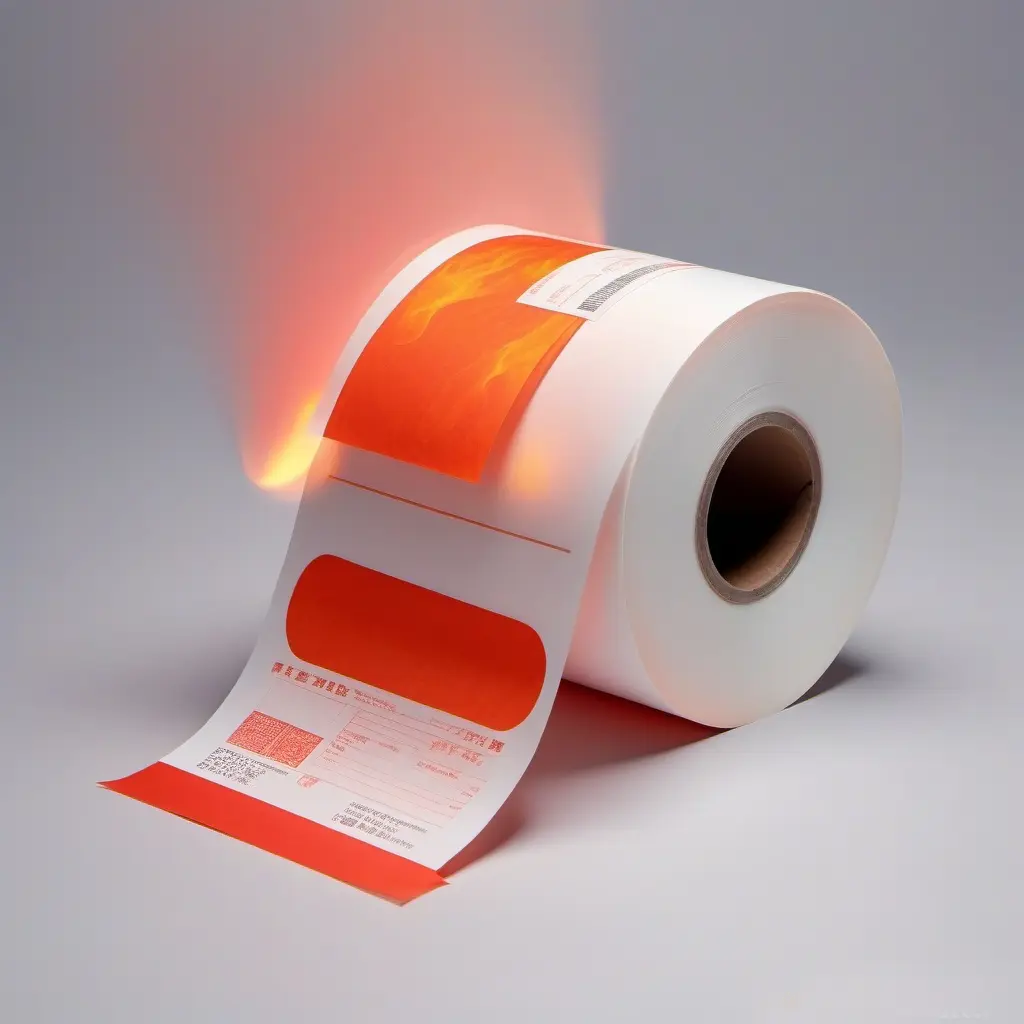
How Smart Warehousing and Thermal Paper Work Together
The integration of thermal paper into smart warehousing systems has revolutionized logistics operations, creating a seamless link between physical goods and digital management processes. By facilitating real-time tracking and efficient data management, thermal paper enhances the functionality of modern warehouses, contributing to improved accuracy, visibility, and productivity.
Real-Time Tracking for Enhanced Visibility
One of the primary advantages of thermal paper in smart warehousing is its ability to facilitate real-time tracking of products. Each item is equipped with a durable thermal label that features a barcode, which is scanned at various points throughout the supply chain. This capability allows warehouse managers to monitor the movement of goods from the moment they are received until they are shipped out.
The increased visibility that thermal paper provides is invaluable. It reduces the risk of misplacement and enhances accountability at every stage of the logistics process. By having real-time data on inventory levels and product locations, warehouse operators can make informed decisions about stock management, minimizing the chances of stockouts or overstock situations.
Automated Processes Driven by Thermal Labels
In a fully automated warehouse, thermal paper labels play a crucial role in the operation of robots and IoT sensors. These advanced technologies rely on accurate labeling to perform critical tasks such as automated picking, sorting, and packing. When a product is scanned, the associated data is immediately recorded into the warehouse management system (WMS), allowing for precise tracking and inventory control.
For instance, when a robot picks a product from the shelf, it scans the thermal label, confirming the correct item before proceeding. This automated verification process helps maintain accuracy, significantly reducing human error in the picking process. Furthermore, as robots complete their tasks, they provide real-time updates to the WMS, ensuring that inventory levels are accurately reflected at all times.
Data-Driven Inventory Management
The data collected from thermal labels is not only essential for tracking but also plays a critical role in inventory management optimization. Smart warehouses leverage advanced analytics and artificial intelligence (AI) to predict demand based on historical data and real-time trends. The information derived from thermal paper labels allows the WMS to adjust stock levels accordingly, ensuring that the right amount of inventory is maintained without excess.
For example, if a particular product’s demand increases, the system can automatically trigger reordering processes, streamlining supply chain operations and ensuring that the warehouse is always stocked with what customers need. This level of automation enhances operational efficiency and reduces the likelihood of lost sales due to insufficient inventory.
Reducing Error Rates and Boosting Throughput
The synergy between smart warehousing technologies and thermal paper leads to significant improvements in overall operational performance. By utilizing thermal paper products from Stingbull Ribbon, warehouses can dramatically reduce error rates associated with manual labeling and inventory management.
Accurate labeling minimizes mistakes in order fulfillment, ensuring that customers receive the correct products every time. This reliability is particularly crucial for e-commerce businesses, where customer satisfaction hinges on timely and accurate deliveries. As errors decrease, throughput increases, allowing warehouses to handle higher volumes of orders without sacrificing quality.
Enhancing Workflow Efficiency
In addition to tracking and data management, thermal paper labels contribute to enhancing workflow efficiency in smart warehouses. Clear, durable labels ensure that all staff members—whether human or robotic—can easily identify products and their locations. This clarity reduces the time spent searching for items and speeds up processes like picking, sorting, and packing.
Moreover, with the integration of thermal labels into automated systems, the overall workflow becomes more streamlined. For example, when packing products for shipment, staff can quickly scan thermal labels to confirm contents, ensuring that all items are accounted for before dispatch. This level of organization is essential in maintaining smooth operations and meeting customer demands promptly.
The collaboration between smart warehousing technologies and thermal paper is a game-changer in the logistics industry. By enabling real-time tracking, enhancing visibility, and supporting automated processes, thermal paper significantly contributes to improved operational efficiency. Warehouses that utilize thermal paper products from Stingbull Ribbon can expect to see reduced error rates, increased throughput, and enhanced inventory accuracy. As logistics continues to evolve, the role of thermal paper in smart warehousing will undoubtedly grow, solidifying its position as an essential component of modern supply chain management.
Sustainable Thermal Paper Solutions for Green Logistics
At Stingbull Ribbon, we understand that sustainability is no longer just a buzzword; it is a fundamental requirement for businesses striving to minimize their environmental impact. With an increasing number of companies looking to reduce their carbon footprint, the demand for eco-friendly thermal paper solutions is on the rise. By offering biodegradable and recyclable thermal paper products, we are supporting businesses in their transition to greener logistics processes while maintaining high efficiency and performance.
The Importance of Eco-Friendly Thermal Paper
The shift towards sustainable practices is critical in today’s logistics landscape, especially as environmental regulations tighten and consumers become more environmentally conscious. Eco-friendly thermal paper presents a viable solution that aligns with these values. Traditional thermal paper often contains harmful chemicals, such as bisphenol A (BPA) or bisphenol S (BPS), which can have negative environmental effects when disposed of improperly.
In contrast, our sustainable thermal paper options are made from responsibly sourced materials that are free from these harmful chemicals. By choosing eco-friendly thermal paper, businesses can reduce their ecological footprint, contributing to cleaner landfills and a healthier planet.
Biodegradable and Recyclable Options
Our selection of thermal paper includes biodegradable and recyclable options that allow businesses to implement sustainable practices without compromising efficiency.
Biodegradable Thermal Paper: This type of thermal paper is designed to break down naturally over time, minimizing its impact on the environment. When disposed of, biodegradable thermal paper decomposes without leaving harmful residues, making it a responsible choice for businesses committed to sustainability.
Recyclable Thermal Paper: For businesses focused on reducing waste, our recyclable thermal paper can be processed in standard recycling streams, provided it is separated from other waste. This promotes the circular economy by allowing materials to be reused rather than sent to landfills.
By integrating these sustainable thermal paper options into their operations, companies can demonstrate their commitment to environmental responsibility, which is increasingly important to customers and stakeholders alike.

Aligning with Global Environmental Goals
The push for sustainability is particularly relevant in industries such as e-commerce, pharmaceuticals, and aviation. These sectors face mounting pressure to implement environmentally friendly practices as part of their logistics strategies.
In e-commerce, where packaging and labeling play a crucial role, using sustainable thermal paper can significantly reduce the environmental impact of operations. Companies that adopt eco-friendly thermal solutions can enhance their brand image and attract environmentally conscious consumers.
In the pharmaceutical industry, where compliance and safety are paramount, transitioning to sustainable thermal paper can ensure that product labeling aligns with environmental standards without compromising regulatory requirements.
Similarly, in the aviation sector, where carbon emissions and waste management are critical concerns, using eco-friendly thermal paper contributes to broader sustainability goals. By minimizing waste and reducing reliance on harmful materials, aviation companies can help pave the way toward greener operations.
Enhancing Corporate Social Responsibility (CSR)
Incorporating sustainable thermal paper into logistics processes also strengthens a company’s corporate social responsibility (CSR) initiatives. Consumers today are more likely to support businesses that prioritize environmental stewardship. By actively choosing eco-friendly products, companies can enhance their reputation and build trust with their customers.
Moreover, implementing sustainable practices can also lead to operational efficiencies and cost savings in the long run. By reducing waste and enhancing recycling efforts, businesses can lower disposal costs and potentially gain tax incentives associated with eco-friendly initiatives.
Sustainable thermal paper solutions are essential for businesses looking to embrace green logistics. At Stingbull Ribbon, we are proud to offer biodegradable and recyclable thermal paper products that enable companies to operate efficiently while prioritizing environmental responsibility. As the demand for eco-friendly solutions continues to grow, our commitment to sustainability helps businesses align with global environmental goals and enhance their corporate image.
Explore our selection of eco-friendly thermal paper and join the movement towards greener logistics today. Together, we can make a meaningful impact on the environment while maintaining the high standards of efficiency that modern logistics demands.
The Future of Thermal Paper in Logistics
Looking ahead, it’s clear that thermal paper technology will continue to evolve alongside advancements in smart warehousing. As the logistics industry embraces AI-driven automation, machine learning, and blockchain, the demand for precise and reliable labeling solutions will grow. Stingbull Ribbon is committed to providing high-quality thermal paper products that meet these future needs. From warehouses to delivery trucks, our products will continue to play a critical role in making logistics faster, more efficient, and sustainable.
To learn more about the range of thermal paper products we offer, visit our thermal paper collection.
Conclusion
The marriage of smart warehousing and thermal paper is revolutionizing the logistics industry. By enhancing accuracy, improving speed, and reducing costs, this combination is proving to be the backbone of modern supply chains. At Stingbull Ribbon, we are proud to offer a wide range of thermal paper solutions that meet the demands of today’s tech-driven warehouses. If you’re looking to optimize your logistics operations, explore our collections and take the first step towards a smarter, more efficient warehouse system.