

In today’s fast-paced, technology-driven world, healthcare is evolving rapidly. One key area where this is evident is in medical record management. With the rise of smart healthcare technologies, such as AI, IoT, and cloud-based systems, the demand for efficient and secure record-keeping has skyrocketed. Surprisingly, thermal paper plays a pivotal role in this transformation, optimizing medical records in both traditional and digital systems.
The Role of Thermal Paper in Healthcare
Thermal paper is often underestimated, but it has been a workhorse in medical environments for decades. It’s frequently used for printing lab reports, prescriptions, patient records, and even transaction receipts. One of the most significant advantages of thermal paper is its clarity and durability, making it a reliable option for important medical documentation.
Imagine a busy clinic: doctors rushing between patients, lab technicians handling test results, and pharmacists preparing prescriptions. In all these scenarios, thermal paper ensures quick, legible, and smudge-free printing. Its cost-effectiveness is another reason why many healthcare facilities rely on it, especially when paired with high-quality thermal printers.
Innovations in Smart Healthcare
The healthcare industry is undergoing a significant transformation, with smart technologies becoming a cornerstone of modern medical practices. From enhancing efficiency to improving patient outcomes, the integration of AI-driven diagnostics, wearable health devices, and cloud-based data storage is reshaping the way healthcare providers manage patient records and deliver care. These innovations not only reduce the administrative burden on healthcare workers but also provide more accurate, timely information for decision-making.
AI and Machine Learning in Healthcare Record Management
One of the most groundbreaking innovations is the use of artificial intelligence (AI) and machine learning to manage medical records. AI-driven systems can analyze large amounts of data at lightning speed, helping doctors to diagnose conditions more accurately and develop personalized treatment plans based on a patient’s medical history. Predictive analytics, for example, allows healthcare providers to predict disease outbreaks or manage chronic conditions with more precision.
This level of accuracy ensures that healthcare records are not just static documents but dynamic tools that improve over time as new information is added. AI algorithms can cross-reference patient data, identifying patterns and recommending treatment options that may not be immediately apparent to a human physician.
However, thermal paper continues to play a critical role in this ecosystem. Despite the advances in digital record management, the need for physical documentation has not disappeared, particularly in areas where AI systems may not yet be fully implemented or in cases where quick, on-demand access to records is required.
Wearable Health Devices and Real-Time Data
Wearable devices like smartwatches, fitness trackers, and biosensors are revolutionizing patient monitoring. These devices collect real-time health data—such as heart rate, blood pressure, and glucose levels—and upload it directly to cloud-based healthcare systems. This constant flow of data provides healthcare professionals with an accurate and up-to-date view of a patient’s health status, enabling quicker and more informed decision-making.
The role of thermal paper in this context might seem less obvious, but it’s still essential. While wearables and cloud-based records can store and analyze vast amounts of data, there are times when printed reports are needed—whether for legal documentation, patient receipts, or lab result summaries. Thermal paper ensures that even this printed information is clear, precise, and reliable.
Cloud-Based Storage for Seamless Record Access
Another significant innovation in smart healthcare is the widespread adoption of cloud-based storage for medical records. By storing patient information in the cloud, healthcare providers can access it from anywhere, enabling more coordinated care across different hospitals, clinics, and specialists. Patients, too, benefit from this by gaining easier access to their own medical histories, prescriptions, and test results through secure portals.
But even in this digitally advanced environment, thermal paper serves as a crucial backup. Printed records remain important for several reasons, including legal compliance, patient preferences, or simply as an immediate, tangible reference in emergencies where digital access may be limited. Prescriptions, discharge summaries, and patient receipts are often still printed using thermal paper, especially in high-traffic medical facilities that rely on fast and efficient documentation.
Thermal Paper as a Bridge Between Physical and Digital Healthcare
Despite the growing dominance of digital healthcare technologies, thermal paper remains a vital tool in bridging the gap between physical and digital records. In many cases, printed documentation complements digital systems. For example, a printed prescription allows patients to immediately walk into a pharmacy without needing to worry about system downtime or connectivity issues. Similarly, patient receipts and other physical documents give individuals a tangible record of their healthcare interactions, which they can refer to easily.
Thermal paper’s role in smart healthcare lies in its ability to maintain the speed and convenience of physical records, while also ensuring that they integrate smoothly into the broader digital framework. In a world where both physical and digital data management coexist, thermal paper ensures that important patient information is never lost, whether it’s stored in the cloud or printed for immediate use.
Thermal Paper’s Future in Smart Healthcare
As smart healthcare continues to evolve, thermal paper remains an indispensable tool for bridging the physical and digital worlds of medical record management. Whether it’s supporting AI-driven systems, facilitating wearable device monitoring, or complementing cloud-based storage, thermal paper provides durable, reliable documentation when it matters most. It ensures that healthcare facilities can operate efficiently, regardless of the technology they adopt.
Integrating Thermal Paper with Digital Systems
As healthcare continues to embrace digital transformation, the integration of thermal paper with electronic health record (EHR) systems has become increasingly seamless. This blend of physical and digital records allows for greater efficiency, ensuring that both patients and healthcare providers benefit from a streamlined, hybrid system that leverages the best of both worlds. While digital systems are now the backbone of modern medical record management, thermal paper continues to play an essential role, particularly in handling temporary records and on-demand printouts.
The Role of Thermal Paper in Temporary Record Management
In busy medical facilities, where patient flow is constant and decisions need to be made quickly, thermal paper offers a reliable way to create temporary records. For instance, when a patient is discharged from a hospital or clinic, the staff can use thermal paper to provide a quick printout of discharge instructions or prescriptions. These records are temporary in nature but remain essential for immediate patient use. Once this data is digitally synced with the EHR system, the temporary records can be disposed of, but the information remains securely stored in the digital database.
In addition to discharge instructions, transaction receipts are another common use for thermal paper in medical settings. Whether it’s payment confirmations for procedures, lab work, or medication, thermal paper receipts ensure that patients have immediate proof of their transactions. This is especially useful in situations where a digital system may have limited access or require additional processing time. These on-demand documents serve both as a quick reference for patients and as a backup for facilities in case of system downtimes.
Ensuring Continuity During System Downtime
One of the major advantages of integrating thermal paper with digital systems is its ability to function as a reliable backup during unexpected system downtimes or connectivity issues. While EHR systems and cloud-based records are essential for long-term storage and analysis, they rely on stable internet connections and functional systems. In healthcare environments, however, things don’t always go according to plan.
For example, during internet outages or software malfunctions, thermal paper ensures that medical staff can still generate physical documents with crucial information, such as patient records, test results, or prescriptions. These can later be synced to the EHR system once normal operations are restored, preventing any disruption in patient care. This failsafe measure is invaluable in maintaining continuity of care even when digital systems are temporarily unavailable.
Hybrid Systems: Combining Physical and Digital Documentation
The integration of thermal paper into digital workflows creates a hybrid system that enhances efficiency while maintaining flexibility. For healthcare professionals, this means that they are not solely dependent on one type of system, be it physical or digital. Instead, they can rely on both as needed, creating a more adaptive healthcare environment.
For instance, thermal paper can be used for short-term patient records or lab results that need to be reviewed immediately. Once reviewed, the data can be input into the EHR for long-term storage and accessibility. This hybrid approach is particularly useful for situations where doctors need a quick printout to discuss results with patients in real-time while still ensuring that everything is saved digitally for future reference.
On-Demand Documentation for Remote and Rural Healthcare
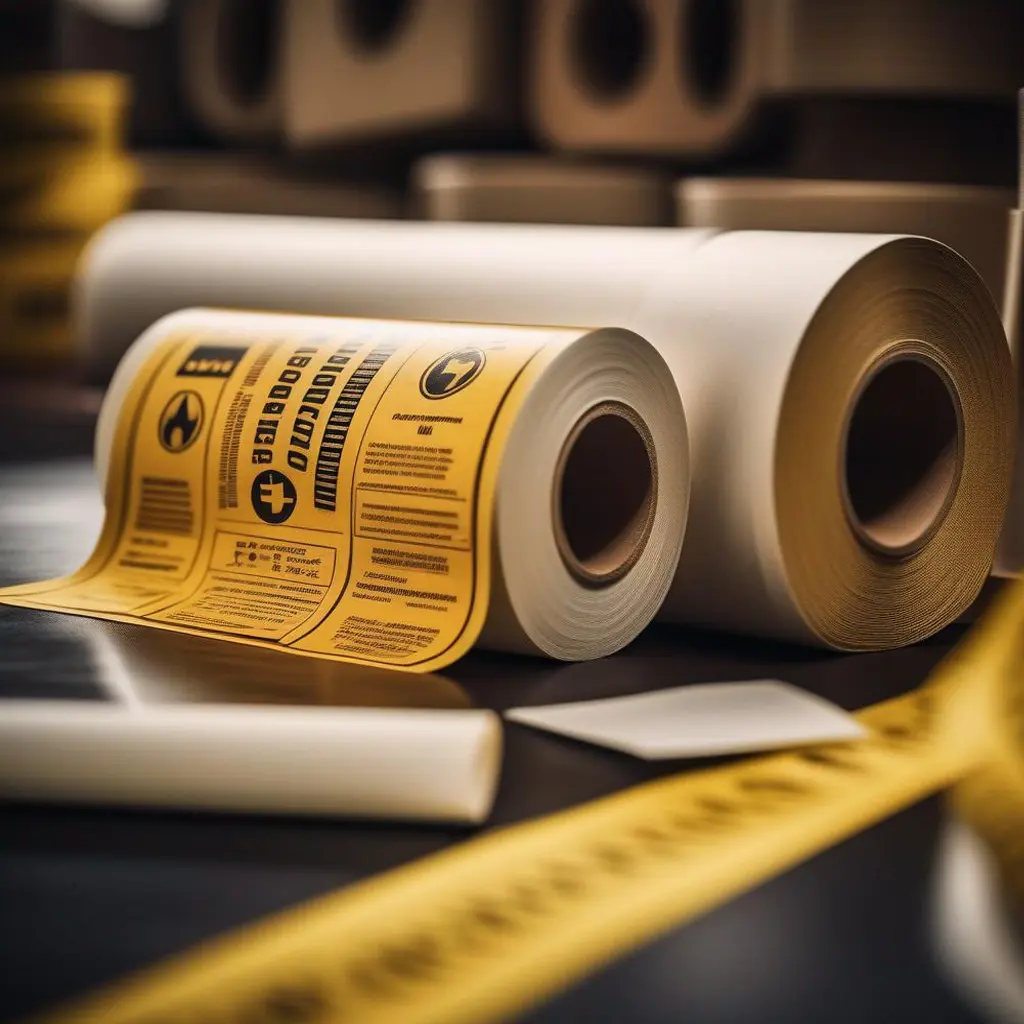
The importance of thermal paper becomes even more apparent in remote or rural healthcare settings, where access to stable internet connections or high-tech infrastructure may be limited. In these areas, thermal paper provides a lifeline for healthcare providers who need to generate records or prescriptions without the immediate availability of digital systems.
Healthcare workers in these regions can issue printed documentation on the spot, ensuring that patients leave with clear, concise information about their care. Later, when internet access is available, these records can be uploaded into the digital system, ensuring that both physical and digital copies are accounted for without delay.
Maintaining Data Integrity in Critical Environments
In critical medical environments such as emergency rooms or intensive care units, thermal paper plays a critical role in maintaining data integrity. During emergencies, where every second counts, thermal paper allows for the rapid printing of essential documents like patient admission forms, triage notes, or critical test results. These records can be instantly printed and handed off to various departments within the hospital, ensuring that patient care is not delayed while waiting for digital records to process.
In many cases, thermal paper serves as a real-time data bridge, ensuring that healthcare professionals can make informed decisions quickly, even before digital records are fully processed and updated.
The Future of Hybrid Healthcare Systems
As healthcare technology continues to advance, the integration of thermal paper with EHR systems offers a flexible and efficient solution for medical record management. This hybrid approach allows for on-demand, temporary documentation that seamlessly integrates into long-term digital storage, ensuring that healthcare providers can respond to the demands of both physical and digital environments.
By balancing the strengths of thermal paper and digital systems, healthcare facilities can deliver a higher level of care, ensure continuity during system downtimes, and remain adaptable in diverse clinical settings. This integration represents the future of smart healthcare, where flexibility, accuracy, and efficiency work hand-in-hand.
Benefits of Optimized Medical Record Management
In the rapidly evolving healthcare industry, medical record management is one of the most critical components for ensuring quality patient care. An optimized system for managing medical records can lead to numerous advantages, from reducing errors to improving the overall efficiency of healthcare providers. The combination of thermal paper and advanced digital tools creates a balanced, reliable system that supports both healthcare professionals and patients alike.
Reducing Errors and Enhancing Accuracy
One of the primary benefits of optimized medical record management is the reduction of human error. Errors in medical records can lead to misdiagnoses, incorrect treatments, and delays in patient care. With the integration of thermal paper, healthcare providers can reduce the chances of errors caused by illegible handwriting, smudged ink, or unclear documentation. Thermal paper prints are known for their sharp clarity and smudge-resistant qualities, ensuring that all information is clearly visible and easy to interpret. This is particularly important in high-stakes environments such as emergency rooms, where accurate documentation can make the difference between life and death.
By combining thermal paper with digital tools, such as Electronic Health Record (EHR) systems, healthcare facilities can further reduce errors. For example, AI-driven digital systems can cross-reference patient data, flagging inconsistencies or unusual entries. This added layer of digital verification enhances the accuracy of patient records and ensures that doctors and nurses have the correct information when making important decisions. The result is a more accurate, error-free system that fosters trust between healthcare providers and their patients.
Improving Data Accessibility for Healthcare Professionals
Accessibility is another major advantage of optimized medical record management. In traditional healthcare systems, physical records are often stored in filing cabinets, which can make it difficult for doctors and nurses to access them quickly when needed. This can be especially problematic in emergency situations, where immediate access to a patient’s medical history is crucial.
The integration of thermal paper with digital health tools addresses this issue by creating a hybrid system that combines the best of both worlds. For instance, healthcare professionals can easily print temporary records or quick reference sheets using thermal paper. These physical records can be handed to patients or moved across departments without delay. At the same time, these records can be synced with the EHR system, ensuring that all information is stored in a centralized digital database that healthcare professionals can access from any location. This dual access system allows for on-demand physical documents while maintaining long-term digital storage for future reference.
Streamlining Workflow and Improving Efficiency
Another key benefit of optimized medical record management is the ability to streamline workflow and improve administrative efficiency. Healthcare facilities are often busy, high-pressure environments where doctors and staff are required to handle large volumes of paperwork and patient data on a daily basis. Optimized record management, particularly through the use of thermal paper for on-the-go documentation, helps reduce the administrative burden by allowing for faster, more efficient record-keeping.
For example, thermal paper is ideal for generating quick discharge summaries, test results, or prescriptions that can be handed directly to patients or healthcare providers in real time. These documents are printed instantly, with no need for drying time or concerns about smudging. This speed and reliability help improve the overall workflow in hospitals and clinics, ensuring that patients are treated faster and doctors can make informed decisions without delays.
Enhancing Patient Care through Real-Time Data
Perhaps the most significant advantage of integrating thermal paper with smart systems is the ability to provide personalized patient care based on real-time information. Digital health systems, such as EHR platforms, allow healthcare providers to access up-to-date information on a patient’s medical history, current treatments, allergies, and other important data. This real-time access enables doctors to tailor their treatment plans more effectively, ensuring that each patient receives personalized care based on their unique needs.
When combined with thermal paper for immediate, temporary printouts, doctors and nurses can give patients physical documents that summarize their treatments or test results during consultations. This hybrid approach not only improves communication between healthcare providers and patients but also ensures that important information is never lost or inaccessible due to digital system errors.
Improving Compliance and Security
Finally, optimized medical record management can also enhance compliance with healthcare regulations and improve data security. Healthcare facilities are required to adhere to strict privacy and security guidelines when handling sensitive patient information. By using thermal paper for temporary printouts and digital tools for long-term storage, hospitals and clinics can ensure that patient data remains secure while still complying with legal and regulatory requirements. For example, thermal paper can be used for on-site documentation, while the digital system ensures that all information is backed up securely in the cloud.
In conclusion, optimized medical record management—achieved through a combination of thermal paper and digital health tools—provides healthcare professionals with the tools they need to reduce errors, enhance efficiency, and improve patient care. This hybrid system ensures that medical records are always accessible, accurate, and secure, leading to better outcomes for both patients and healthcare providers.
Eco-Friendly Thermal Paper Options in Healthcare
As environmental concerns take center stage, the healthcare industry is increasingly adopting sustainable practices to minimize its ecological footprint. One key area where this shift is evident is in the use of eco-friendly thermal paper. Hospitals, clinics, and other healthcare facilities are recognizing the need to adopt greener alternatives, including biodegradable thermal paper, to reduce the environmental impact associated with their day-to-day operations.
The Push for Sustainability in Healthcare
The healthcare sector generates a significant amount of waste each year, much of which is non-recyclable. From single-use medical supplies to extensive paperwork, the industry’s environmental impact has been substantial. In recent years, however, there has been a growing awareness about the need for sustainable solutions, including in areas like document management and record-keeping. This has led to an increasing demand for eco-friendly thermal paper, a more sustainable alternative to traditional paper products.
Eco-friendly thermal paper is produced using environmentally conscious materials and processes that help reduce waste, energy consumption, and harmful chemical usage. For instance, many eco-friendly options eliminate the use of Bisphenol A (BPA) or Bisphenol S (BPS)—chemicals often found in traditional thermal paper that have raised health and environmental concerns. Instead, these greener options are made from safer, non-toxic alternatives that not only benefit the environment but also ensure safer handling by healthcare staff and patients.
Benefits of Biodegradable Thermal Paper in Healthcare

One of the most significant innovations in eco-friendly thermal paper is the development of biodegradable options. Unlike standard thermal paper, which can take years to break down and contribute to landfill waste, biodegradable thermal paper is designed to decompose naturally over time. This paper type is crafted from materials that can break down more quickly when exposed to environmental conditions, such as sunlight, moisture, and microorganisms.
By adopting biodegradable thermal paper, healthcare providers can significantly reduce the amount of waste that ends up in landfills, contributing to a cleaner, healthier planet. This is especially important in large hospitals and clinics where thermal paper is frequently used for printing receipts, patient records, and prescriptions. Every effort to minimize waste is a step towards sustainable healthcare practices.
Reducing the Carbon Footprint of Healthcare Facilities
In addition to waste reduction, using eco-friendly thermal paper helps healthcare facilities lower their overall carbon footprint. The production process for biodegradable thermal paper generally requires less energy compared to traditional methods, and the materials used are often derived from renewable sources, further reducing the environmental impact.
For example, many manufacturers are now offering thermal paper products made from recycled materials or produced with fewer chemicals, leading to lower emissions during the manufacturing process. By opting for these sustainable alternatives, healthcare facilities can contribute to the global effort to combat climate change and protect the environment without compromising the quality or efficiency of their document management.
Maintaining High-Quality Documentation with Green Solutions
One of the concerns many healthcare providers have when switching to eco-friendly products is whether these alternatives will maintain the same high standards as traditional materials. In the case of eco-friendly thermal paper, the answer is yes. Biodegradable thermal paper offers the same benefits as regular thermal paper, such as clear prints, smudge resistance, and durability—all essential qualities in a healthcare setting where precise documentation is critical.
Whether it’s printing patient discharge summaries, lab results, or receipts, healthcare providers can trust that eco-friendly thermal paper will deliver high-quality prints without fading or compromising readability. This makes the switch to greener alternatives seamless for medical facilities that rely on fast, reliable printing for various records and documents.
Eco-Friendly Thermal Paper at Stingbull Ribbon
At Stingbull Ribbon, we are committed to supporting healthcare facilities in their journey toward sustainability by offering a wide range of eco-friendly thermal paper options. Our products are designed to meet the stringent needs of the healthcare industry while also minimizing environmental harm. From biodegradable thermal paper to BPA-free alternatives, our selection ensures that healthcare providers can continue to efficiently manage their records without contributing to environmental degradation.
Choosing Eco-Friendly Solutions for a Greener Future
The shift towards sustainable paper products in healthcare is part of a larger movement to create a greener, more responsible industry. By choosing eco-friendly thermal paper, healthcare providers are taking important steps to reduce their environmental impact, lower their carbon footprint, and contribute to a more sustainable future.
Incorporating these greener solutions into daily operations not only benefits the environment but also aligns with the growing expectations of patients and stakeholders who are increasingly conscious of the need for sustainable practices. As healthcare providers continue to look for ways to minimize waste and promote eco-friendly initiatives, thermal paper offers an easy, effective solution that makes a real difference.
By switching to the eco-friendly options offered by Stingbull Ribbon, healthcare facilities can ensure that they are maintaining high-quality records while also playing their part in creating a more sustainable world.
Future Trends in Medical Record Management
As we look to the future, the evolution of medical record management is poised to be shaped significantly by advancements in artificial intelligence (AI), Big Data, and the continued use of thermal paper. These technologies will work synergistically to enhance patient care, streamline administrative processes, and ensure the reliability of essential information in both digital and physical formats.
The Rise of AI in Healthcare Documentation
AI is becoming a game-changer in the healthcare sector, particularly in the management of medical records. Machine learning algorithms can analyze vast amounts of patient data quickly and accurately, helping healthcare providers identify trends, predict outcomes, and make informed decisions. For instance, AI can automate the process of data entry, significantly reducing the administrative burden on healthcare professionals and minimizing the potential for human error.
Furthermore, AI can assist in natural language processing, allowing clinicians to dictate notes that are automatically transcribed into structured data formats within EHR systems. This not only saves time but also ensures that important details are captured accurately. As AI continues to advance, we can expect even more sophisticated tools that will support healthcare professionals in managing patient records efficiently.
Harnessing the Power of Big Data
The integration of Big Data into medical record management represents another key trend for the future. With the ability to analyze extensive datasets from various sources—such as patient records, clinical trials, and wearable devices—healthcare providers can gain valuable insights into patient health trends and treatment effectiveness.
Big Data analytics can also support predictive modeling, helping facilities anticipate patient needs, manage resources more effectively, and improve population health management. By leveraging this wealth of information, healthcare organizations can develop more personalized treatment plans that are tailored to individual patient profiles, ultimately leading to better health outcomes.
Thermal Paper: A Reliable Backup
Despite the growing dominance of digital technologies, the role of thermal paper remains vital in the future of medical record management. While electronic systems offer numerous advantages, they are not infallible. Issues such as system outages, cybersecurity threats, or data corruption can jeopardize access to critical patient information.
Thermal paper acts as a reliable backup, ensuring that essential documents—such as discharge summaries, lab results, and prescriptions—are always available in physical form when needed. By integrating thermal paper into their workflows, healthcare facilities can ensure that they maintain continuity of care, even during unexpected disruptions. This hybrid approach allows for a seamless transition between physical and digital documentation, ensuring that healthcare providers have access to the information they need, when they need it.
Creating Efficient, Reliable Systems
The future of medical record management lies in combining the best of both worlds: smart technology and thermal paper. By leveraging AI and Big Data alongside thermal printing solutions, healthcare providers can create efficient, reliable systems that benefit both providers and patients.
For example, as data is entered into EHR systems, thermal paper can be used for immediate printouts of vital information that can be shared with patients or other healthcare professionals. This not only enhances communication but also reinforces the importance of patient engagement in their own healthcare journey.
Enhancing Patient Engagement and Care
The integration of these technologies will also enhance patient engagement in healthcare. Patients are increasingly becoming active participants in their own care, and having access to physical copies of their medical records can empower them to take charge of their health.
By providing patients with printed summaries of their visits, medication lists, and treatment plans, healthcare providers can foster a collaborative environment where patients feel more informed and involved in their healthcare decisions. This not only improves patient satisfaction but can also lead to better adherence to treatment regimens, ultimately resulting in improved health outcomes.
Embracing a Hybrid Future in Medical Record Management
In conclusion, the future of medical record management is bright, with the integration of AI, Big Data, and thermal paper paving the way for enhanced efficiency and improved patient care. As technology continues to advance, healthcare providers must embrace these innovations while also recognizing the importance of reliable physical documentation.
By adopting a hybrid approach that combines smart technologies with the reliability of thermal paper, healthcare facilities can create systems that are not only efficient but also resilient in the face of challenges. This integrated strategy will ensure that important patient information remains accessible and actionable, ultimately benefiting both healthcare providers and the patients they serve. As we move forward, embracing these future trends will be essential for delivering high-quality, patient-centered care in an ever-evolving healthcare landscape.
Conclusion
In the era of smart healthcare, optimizing medical record management is crucial. Thermal paper remains a vital component of this process, providing durable, cost-effective solutions for medical documentation. As healthcare technology continues to evolve, thermal paper will play an integral role in bridging the gap between physical and digital records. For all your thermal paper needs, explore our thermal paper collection at Stingbull Ribbon to stay ahead in the ever-evolving world of healthcare documentation.