

In an era where environmental protection is paramount, finding innovative solutions to reduce plastic use has become essential. One such solution is the use of thermal paper, which offers a sustainable alternative to traditional plastic products in various industries. At Stingbull Ribbon, we are committed to providing eco-friendly thermal paper products that help reduce environmental impact and promote sustainable practices.
The Environmental Impact of Traditional Plastic Use
Plastic pollution is one of the most pressing environmental challenges of our time. Each year, an estimated 8 million tons of plastic waste make their way into our oceans, contributing to the destruction of marine ecosystems and the deaths of countless marine animals. The situation is equally dire on land, where plastics fill our landfills, taking centuries to decompose. As these plastics slowly break down, they release toxic chemicals and microplastics into the soil and water, further contaminating our natural resources.
In the retail sector, the pervasive use of plastic is particularly alarming. From the plastic packaging used to protect products during shipping to the plastic bags provided at checkout, the industry’s reliance on plastic is enormous. Every time a consumer purchases a product, it often comes with layers of unnecessary plastic packaging, all of which contribute to the growing waste problem.
The logistics and packaging industries also play a significant role in this environmental crisis. The demand for durable, lightweight, and cost-effective materials has led to an overreliance on plastics for everything from shipping labels to product packaging. These industries generate vast amounts of plastic waste, much of which is single-use and quickly discarded, ending up in landfills or polluting our environment.
This overwhelming dependence on traditional plastics poses a grave threat not only to our ecosystems but also to human health. As microplastics infiltrate our water supplies and food chains, they have begun to accumulate in our bodies, with potential long-term health implications that scientists are still striving to understand.
The urgent need to address the environmental impact of traditional plastic use has led to a growing interest in alternative materials and sustainable practices. By reducing our reliance on plastics, particularly in high-waste industries like retail and logistics, we can begin to mitigate the damage and work towards a more sustainable future.
The Rise of Eco-Friendly Thermal Paper
Thermal paper, once primarily known for its use in receipts and labels, is gaining recognition as a sustainable alternative to conventional plastic products. This shift is driven by the growing need to reduce environmental impact and adopt greener practices across industries. By minimizing the reliance on plastic, thermal paper is playing a crucial role in helping businesses lower their ecological footprint.
Understanding Thermal Paper and Its Environmental Benefits
Thermal paper is a special type of paper that reacts to heat, eliminating the need for ink. This process not only simplifies printing but also eliminates the use of ink cartridges and solvents, which are often harmful to the environment. The inherent properties of thermal paper make it a more sustainable choice compared to traditional plastic-based products.
Impact on Plastic Reduction
One of the most significant advantages of thermal paper is its contribution to reducing plastic use. Traditional plastic products, including packaging and labels, contribute to a considerable amount of waste and pollution. By opting for thermal paper products, companies can significantly cut down on their plastic consumption. For instance, using thermal paper for receipts and labels instead of plastic-based alternatives can lead to a notable reduction in plastic waste.
Applications in Packaging and Labeling
The versatility of thermal paper extends to various applications in packaging and labeling. Companies are increasingly incorporating thermal paper into their operations to enhance sustainability. For example, retail stores are choosing thermal paper for receipts, which not only reduces plastic use but also offers a more eco-friendly disposal option. In addition, thermal paper can be used for product labels, offering a sustainable alternative to plastic labels that contribute to environmental degradation.
Benefits for Businesses and the Environment
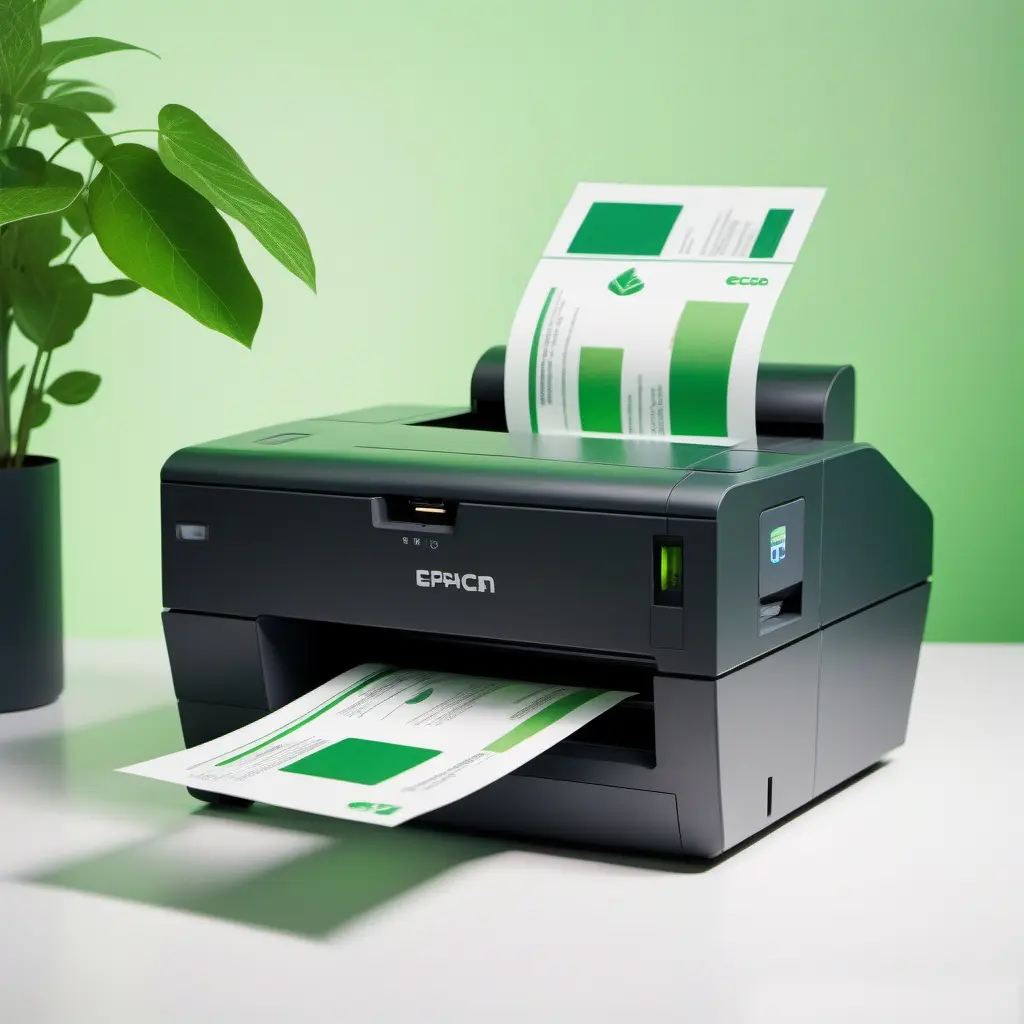
Adopting thermal paper products offers numerous benefits for both businesses and the environment. From a business perspective, transitioning to thermal paper can improve a company’s sustainability profile and appeal to environmentally conscious consumers. Moreover, thermal paper can be cost-effective, as it often requires less maintenance and reduces the need for additional printing materials.
For the environment, the shift to thermal paper represents a positive step towards reducing plastic pollution and conserving resources. By choosing thermal paper from our Thermal Paper Collection, stores and businesses can actively participate in the global effort to protect the planet.
The rise of eco-friendly thermal paper is a testament to the growing awareness and commitment towards sustainable practices. As industries continue to seek greener alternatives, thermal paper stands out as a practical and effective choice. By reducing plastic reliance and offering versatile applications, thermal paper is making a significant impact in promoting environmental sustainability. Embracing these innovative solutions not only benefits businesses but also contributes to a healthier planet.
Innovative Materials in Thermal Paper Production
The thermal paper industry has evolved significantly with advancements in materials and production techniques. As environmental concerns continue to rise, there has been a notable shift towards incorporating sustainable practices and materials. This evolution includes the development of biodegradable and recyclable thermal paper, which represents a significant step forward in reducing environmental impact and promoting a circular economy.
Biodegradable Thermal Paper
One of the most exciting innovations in thermal paper production is the introduction of biodegradable options. Traditional thermal paper contains chemicals and coatings that can take decades to decompose in landfills. In contrast, biodegradable thermal paper is designed to break down more quickly and safely in natural environments. This type of thermal paper uses materials that degrade through natural processes, reducing the long-term environmental impact of waste.
Recyclable Thermal Paper
Recycling is a key component of a circular economy, and the thermal paper industry is increasingly adopting recyclable options. Recyclable thermal paper is engineered to be processed in standard recycling streams, unlike conventional thermal paper that often contaminates recycling processes due to its chemical coatings. By using recyclable thermal paper, businesses can ensure that their paper products are reintegrated into the recycling loop, reducing the need for virgin materials and minimizing waste.
Sustainable Raw Materials
The move towards sustainability in thermal paper production also includes the use of sustainable raw materials. For instance, FSC-certified paper is increasingly used in the manufacturing of thermal paper. The Forest Stewardship Council (FSC) certification ensures that the paper comes from responsibly managed forests that provide environmental, social, and economic benefits. This certification helps promote sustainable forestry practices and reduces the impact on ecosystems.
In addition to FSC-certified paper, water-based coatings are becoming more common in thermal paper production. These coatings replace traditional chemical-based formulations, which can be harmful to the environment. Water-based coatings are less toxic and reduce the release of harmful substances into the environment, making the paper safer for both consumers and wildlife.
Enhancing Quality and Performance
While focusing on sustainability, the quality and performance of thermal paper remain a priority. Modern innovations ensure that eco-friendly thermal paper maintains high standards of performance, including excellent print quality, durability, and compatibility with various printing systems. Advances in technology allow for the integration of sustainable materials without compromising on the functionality or reliability of the thermal paper.
The advancements in thermal paper production reflect a growing commitment to environmental stewardship and sustainability. By embracing biodegradable and recyclable materials, as well as sustainable raw materials like FSC-certified paper and water-based coatings, the thermal paper industry is making significant strides towards reducing its environmental impact. These innovations not only support a circular economy but also offer high-quality, eco-friendly alternatives to traditional thermal paper products. As businesses and consumers increasingly prioritize sustainability, these advancements in thermal paper production are paving the way for a greener future.
Thermal Paper in Packaging: A Greener Alternative
Thermal paper is increasingly recognized as a superior choice for packaging and labeling, offering a sustainable alternative to traditional plastic-based materials. As businesses and consumers become more environmentally conscious, the advantages of thermal paper over plastic are becoming more evident. Here’s a closer look at the benefits that make thermal paper a compelling option for packaging and labeling.
Eco-Friendly Benefits
One of the most significant advantages of thermal paper is its environmental friendliness. Unlike traditional plastic, thermal paper is designed to be biodegradable and recyclable. This means that once the paper is disposed of, it breaks down more quickly and can be processed in recycling systems without contaminating the recycling stream. This property significantly reduces the environmental impact associated with plastic waste, which can persist in landfills for hundreds of years.
In addition to its end-of-life benefits, thermal paper often utilizes sustainable materials in its production. For example, many thermal papers now use FSC-certified paper, which comes from responsibly managed forests. This practice helps ensure that the paper production supports sustainable forestry and minimizes deforestation. Furthermore, water-based coatings used in some thermal papers are less harmful to the environment compared to traditional chemical-based coatings.
Cost-Effective Solution
While the initial cost of thermal paper may be higher than that of plastic-based alternatives, the long-term financial benefits make it a cost-effective choice. Thermal paper can lead to significant savings over time due to its durability and reduced waste disposal costs. Since thermal paper is recyclable and biodegradable, it can help lower expenses related to waste management and landfill fees. Moreover, the reduced environmental impact of using thermal paper can translate into savings on potential environmental compliance and regulatory costs.
For many businesses, the investment in thermal paper is justified by the savings in waste disposal and the potential for lower overall operational costs. Additionally, the durability of thermal paper often means fewer replacements and maintenance needs, further contributing to cost savings.
Enhancing Consumer Appeal

Today’s consumers are increasingly concerned about environmental issues and prefer to support brands that prioritize sustainability. By adopting thermal paper for packaging and labeling, businesses can align themselves with these consumer values. Environmentally conscious consumers are more likely to choose products that use sustainable materials, which can enhance a brand’s reputation and attract a loyal customer base.
Using thermal paper also provides an opportunity for companies to showcase their commitment to sustainability through marketing and communication efforts. Brands that highlight their use of eco-friendly packaging can differentiate themselves from competitors and build stronger connections with consumers who are passionate about reducing their environmental footprint.
Thermal paper presents a greener alternative to traditional plastic-based packaging and labeling materials. Its eco-friendly properties, cost-effectiveness, and appeal to environmentally conscious consumers make it an attractive choice for businesses looking to enhance their sustainability efforts. By incorporating thermal paper into their packaging strategies, companies can reduce their environmental impact, achieve cost savings, and strengthen their brand’s reputation among consumers who value sustainable practices.
Reducing Microplastic Pollution with Thermal Paper
Microplastic pollution has become a significant environmental issue, with tiny plastic particles infiltrating our oceans, rivers, and even our food supply. These microplastics pose threats to marine life, ecosystems, and human health. As industries seek to address this pressing problem, thermal paper has emerged as a valuable tool in minimizing microplastic pollution. Here’s how thermal paper contributes to the fight against microplastics and helps protect our environment.
Understanding Microplastic Pollution
Microplastics are small plastic particles, less than 5 millimeters in diameter, that result from the breakdown of larger plastic items or are manufactured as tiny particles for use in products like exfoliants and cleaners. These particles are pervasive, found in marine environments, freshwater sources, and even in the air we breathe. Microplastics can be ingested by marine organisms, entering the food chain and potentially affecting human health.
Thermal Paper vs. Plastic Packaging
Traditional plastic packaging and labeling materials are a significant source of microplastic pollution. As plastic products degrade, they break down into smaller fragments, contributing to the microplastic problem. In contrast, thermal paper offers an effective alternative to plastic-based materials.
Thermal paper is designed to be biodegradable and recyclable, unlike conventional plastic. When thermal paper is disposed of, it does not break down into microplastics. Instead, it decomposes more naturally or is processed through recycling systems, reducing the risk of contributing to microplastic pollution.
Benefits of Switching to Thermal Paper
Switching to thermal paper for packaging and labeling offers several benefits in reducing microplastic pollution:
Reduction in Plastic Use: By replacing plastic packaging and labels with thermal paper, companies can significantly cut down on the amount of plastic waste that contributes to microplastic pollution. This shift helps minimize the overall plastic footprint and supports a cleaner environment.
Lower Environmental Impact: Thermal paper’s biodegradable and recyclable properties mean that it has a lower environmental impact compared to plastic. The degradation process of thermal paper is less harmful and does not produce microplastic particles that can pollute natural habitats.
Enhanced Recycling Practices: Many thermal papers are designed to be compatible with standard recycling processes. This compatibility ensures that the paper can be efficiently processed without contaminating the recycling stream, further reducing the potential for environmental harm.
Case Studies and Examples
Several companies have already made the switch to thermal paper, demonstrating its effectiveness in reducing microplastic pollution. For example, retailers and manufacturers adopting thermal paper for receipts and labels have reported a decrease in plastic waste and an overall reduction in their environmental footprint. These case studies highlight the positive impact that thermal paper can have on mitigating microplastic pollution and promoting sustainability.
Microplastic pollution is a critical environmental challenge, but thermal paper offers a viable solution to help address this issue. By reducing the reliance on plastic packaging and labeling, thermal paper minimizes the risk of microplastic contamination and supports a cleaner, healthier environment. Companies that transition to thermal paper not only contribute to reducing microplastic pollution but also enhance their sustainability practices, demonstrating a commitment to protecting ecosystems and promoting environmental stewardship.
Future Trends in Thermal Paper and Environmental Protection
As the world continues to focus on sustainability and environmental protection, the thermal paper industry is evolving to meet these demands. The future of thermal paper is shaped by emerging technologies and innovations that align with stricter environmental regulations and growing consumer preferences for green products. Here’s a closer look at the trends driving the thermal paper industry towards a more sustainable future.
Emerging Technologies in Thermal Printing
The advancement of thermal printing technology is set to play a significant role in the future of thermal paper. Key innovations include:
Secure Thermal Printing: As security concerns increase, especially in transactions and sensitive data handling, secure thermal printing technologies are being developed. These advancements ensure that thermal paper can be used safely for financial receipts and confidential documents without compromising data integrity. Features such as tamper-evident printing and encrypted codes enhance the security of printed information, making thermal paper a reliable choice for secure applications.
Enhanced Print Durability: New thermal printing technologies are improving the durability of printed information. Innovations in heat-sensitive coatings and paper formulations are making it possible for prints to withstand various environmental conditions, such as exposure to sunlight and moisture. This durability is crucial for applications where long-term legibility and reliability are required.
Innovations in Recyclable and Biodegradable Materials
The development of new materials for thermal paper is a key trend that supports environmental protection:
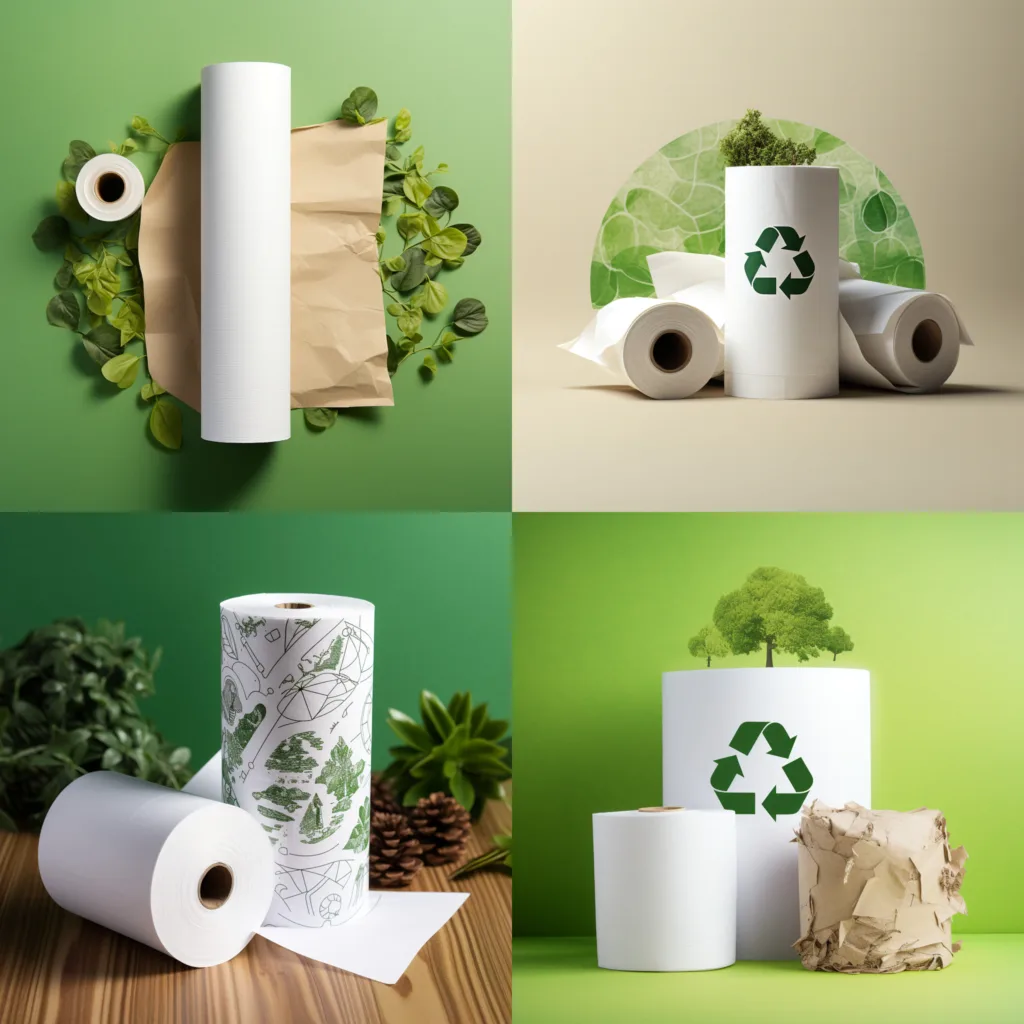
Recyclable Thermal Paper: The market is seeing the introduction of advanced recyclable thermal papers that are compatible with standard recycling processes. These papers are designed to be processed without contaminating the recycling stream, thereby supporting a circular economy. Innovations in coatings and additives ensure that recyclable thermal paper maintains high performance while being environmentally friendly.
Biodegradable Thermal Paper: Biodegradable thermal papers are becoming more prevalent, designed to break down more efficiently in natural environments. These papers use alternative materials and formulations that degrade safely, reducing the environmental impact of waste. As biodegradable options improve in performance and affordability, they are expected to become more widely adopted.
Stricter Environmental Regulations
As governments and regulatory bodies implement stricter environmental regulations, the thermal paper industry is adapting to comply with these requirements. Regulations focusing on reducing plastic waste and promoting sustainable practices are driving the development and adoption of eco-friendly thermal paper solutions. Companies that invest in compliant materials and technologies will be better positioned to meet regulatory standards and avoid potential penalties.
Growing Consumer Demand for Green Products
Consumer preferences are increasingly shifting towards sustainability, with a growing demand for products that have a minimal environmental impact. This trend is influencing businesses to adopt greener practices, including the use of sustainable thermal paper. Brands that align their products and packaging with eco-friendly principles can enhance their market appeal and attract environmentally conscious customers.
Opportunities for Business Success
Businesses that embrace these future trends in thermal paper will benefit in several ways:
Enhanced Brand Reputation: By adopting sustainable thermal paper solutions, companies can demonstrate their commitment to environmental protection. This positive image can strengthen brand loyalty and differentiate businesses from competitors.
Compliance and Innovation: Staying ahead of regulatory changes and technological advancements ensures that businesses remain compliant and competitive. Investing in innovative thermal paper solutions can provide a strategic advantage in a rapidly evolving market.
Cost Savings: As sustainable materials and technologies become more mainstream, the costs associated with eco-friendly thermal paper are expected to decrease. This can lead to long-term cost savings for businesses, making the transition to greener options more economically viable.
The future of thermal paper is closely linked to advancements in technology and materials that support environmental protection. Emerging trends such as secure thermal printing, recyclable and biodegradable materials, and increased consumer demand for green products are shaping the industry. By staying abreast of these developments and adopting sustainable practices, businesses can not only comply with stricter regulations but also position themselves for success in a market that increasingly values environmental responsibility.
Conclusion
Thermal paper is a vital tool in the fight against plastic pollution. By adopting eco-friendly thermal paper products, businesses can significantly reduce their environmental impact and contribute to a more sustainable future. At Stingbull Ribbon, we offer a wide range of thermal paper products that support environmental protection efforts.
Call to Action: Explore our Thermal Paper Collection and discover how you can make a difference by reducing plastic use in your business. Join us in promoting sustainable practices and protecting the environment for future generations.
By integrating thermal paper into your business operations, you not only enhance your sustainability efforts but also appeal to environmentally conscious consumers. Let’s work together to create a greener, more sustainable world.