
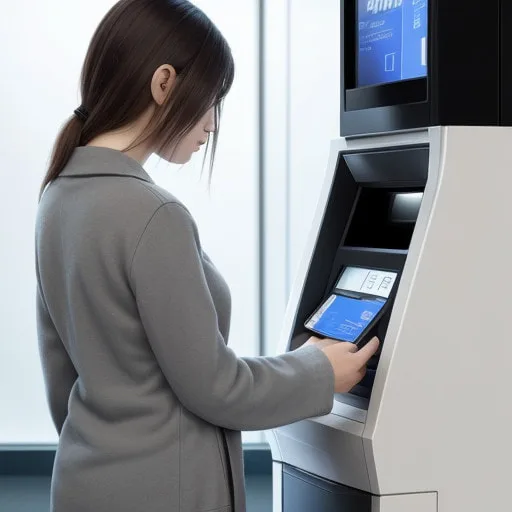
In today’s fast-paced retail and service environments, Point of Sale (POS) systems are the backbone of transaction processing. From the early days of mechanical cash registers to the advanced digital systems we see today, the evolution of POS technology has been remarkable. A significant component of this evolution has been the development of thermal printing technology. Let’s explore how thermal printing has revolutionized POS systems and continues to innovate.
Historical Background
The journey of POS systems began with simple mechanical devices designed to record sales and store cash. With the advent of electronic cash registers, the process became more automated and efficient. However, it was the introduction of thermal printing technology that truly transformed the landscape. Early thermal printers were primarily used in fax machines, but their application in POS systems brought about a new era of quick and reliable receipt printing.
Advances in Thermal Printing Technology
Thermal printing technology has evolved remarkably since its inception, offering numerous enhancements that significantly benefit businesses across various sectors. Modern thermal printers boast a range of sophisticated features that make them indispensable tools for efficient and professional operations.
Improved Print Speed and Efficiency
Today’s thermal printers are designed to produce receipts and other documents at lightning speed. This rapid printing capability minimizes customer wait times, thereby enhancing the overall transaction experience. For high-traffic environments like retail stores and restaurants, this improvement is crucial. Fast printing not only streamlines operations but also increases throughput, allowing businesses to serve more customers efficiently.
In bustling retail environments, for instance, thermal printers can quickly generate detailed receipts without causing delays, ensuring smooth and rapid transactions. This efficiency is further supported by the minimal maintenance required, as thermal printers do not rely on ink or toner cartridges, which often need frequent replacements.
Enhanced Print Quality and Resolution
The print quality of thermal printers has seen significant upgrades, with modern models capable of producing high-resolution outputs. This enhancement ensures that receipts, labels, and other printed materials are clear, crisp, and easy to read. High-resolution printing is essential for maintaining a professional image, as legible receipts and documents reflect positively on the business.
For businesses that require detailed and precise printing, such as those in healthcare or logistics, the enhanced print quality ensures that barcodes, QR codes, and small text are accurately reproduced. This precision is vital for effective inventory management, accurate tracking, and seamless integration with digital systems.
Developments in Thermal Paper
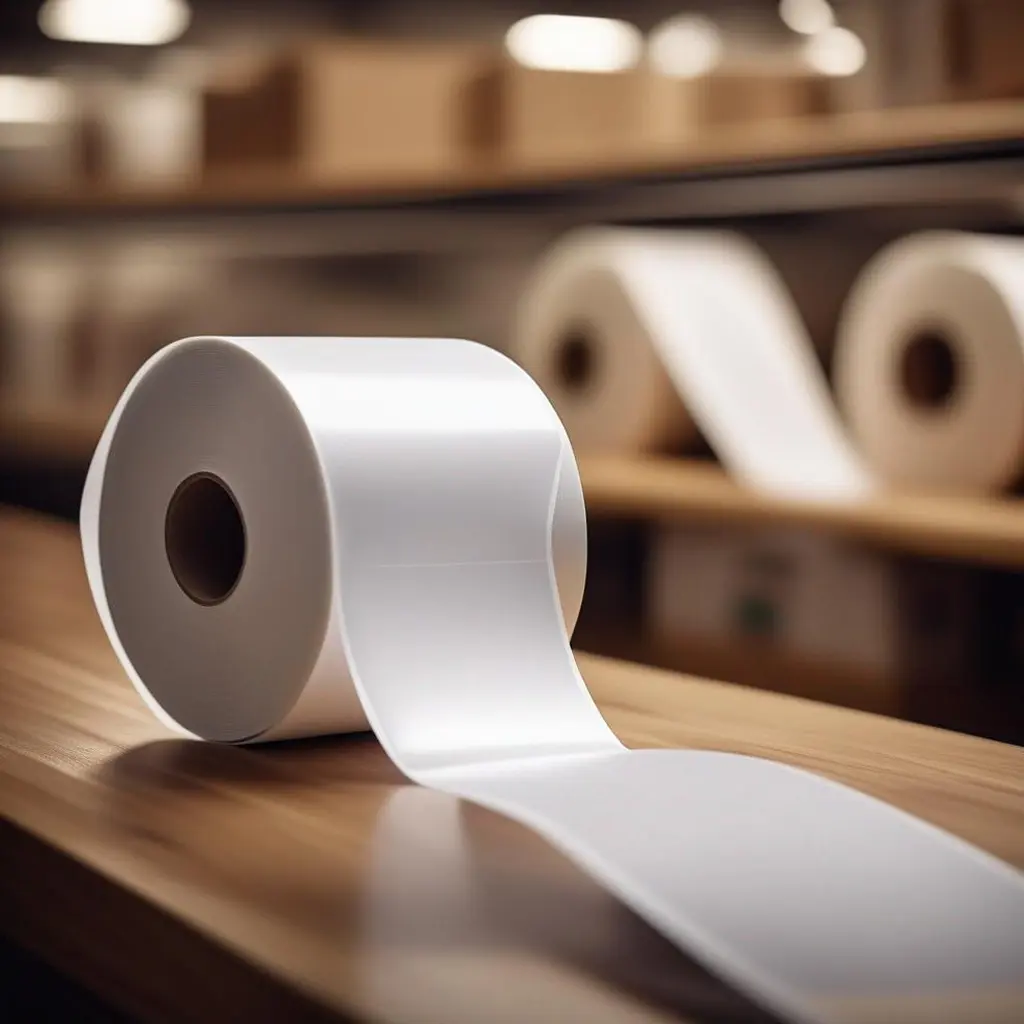
Innovations in thermal paper technology have also contributed to the effectiveness of thermal printing. Modern thermal paper is more durable and resistant to fading, ensuring that printed information remains legible over extended periods. This durability is particularly important for documents that need to be preserved for record-keeping or compliance purposes.
Thermal paper has also been adapted to withstand a wide range of environmental conditions. Whether exposed to moisture, heat, or cold, modern thermal paper maintains its integrity and readability. This resilience makes it suitable for various applications, from outdoor labeling to archival printing.
Furthermore, advancements in eco-friendly thermal paper options align with growing environmental consciousness. Many businesses now prefer thermal paper that supports sustainability initiatives without compromising on performance. Our thermal paper collection offers a range of high-quality options that cater to diverse business needs while promoting environmental responsibility.
Explore our thermal paper collection to find the perfect solutions for your printing requirements.
Benefits of Thermal Printing in POS Systems
Thermal printing technology has become the cornerstone of modern Point of Sale (POS) systems, offering a host of benefits that enhance operational efficiency and customer satisfaction. Here’s a closer look at the key advantages that make thermal printing an ideal choice for businesses:
Cost-Effectiveness
One of the most compelling benefits of thermal printers is their cost-effectiveness. Unlike traditional printers that rely on ink cartridges and toners, thermal printers use heat to produce images on specially coated paper. This method eliminates the ongoing expense of purchasing ink or toner, significantly reducing overall printing costs.
Moreover, thermal printers have fewer moving parts and do not require the frequent maintenance that inkjet or laser printers do. This reliability translates to lower maintenance costs and fewer operational interruptions. For businesses with high-volume printing needs, such as retail chains or fast-food restaurants, these cost savings can be substantial. Investing in thermal printing technology means investing in a more economical and efficient future.
Speed and Efficiency
In the fast-paced environments of retail and hospitality, speed and efficiency are paramount. Thermal printers excel in this regard, offering quick printing capabilities that streamline operations and enhance productivity.
With thermal printers, receipts are generated almost instantaneously, reducing wait times for customers at checkout counters. This rapid printing is crucial during peak hours when every second counts. For example, in a busy restaurant, thermal printers can swiftly print orders and receipts, ensuring a smooth workflow and minimizing delays.
The efficiency of thermal printers also extends to back-office operations. Inventory labels, shipping documents, and other critical paperwork can be produced quickly, allowing staff to focus on more strategic tasks. The adaptability of thermal printers to various printing needs makes them an invaluable asset in any high-demand environment.
Durability and Legibility

Another significant advantage of thermal paper is its durability and legibility. Thermal paper receipts are resistant to smudging, fading, and water damage, ensuring that the printed information remains clear and legible over time. This durability is particularly important for maintaining accurate records and providing high-quality customer service.
In the retail industry, for instance, clear and durable receipts are essential for returns and exchanges. Customers appreciate receipts that remain readable, as it simplifies the return process and enhances their overall experience. Similarly, in the healthcare sector, thermal printing ensures that critical information on prescription labels or patient records is always legible and reliable.
Thermal paper is also designed to withstand a variety of environmental conditions. Whether exposed to heat, cold, or moisture, thermal paper retains its integrity, making it suitable for diverse applications. This resilience ensures that businesses can rely on thermal printing for consistent and high-quality output.
Explore our thermal paper collection to discover the ideal solutions for your POS system needs. Our range of high-quality thermal paper products is designed to support your business’s efficiency and professionalism.
Modern Innovations in Thermal POS Systems
The integration of thermal printing technology with modern Point of Sale (POS) systems has revolutionized the retail and service industries. This fusion has led to several groundbreaking innovations that enhance the efficiency, flexibility, and intelligence of POS operations. Here’s an in-depth look at some of these advancements:
Integration with Digital and Mobile Payment Systems
One of the most significant innovations in POS technology is the seamless integration of thermal printers with various digital and mobile payment platforms. As consumers increasingly prefer digital wallets and mobile payment apps, businesses must adapt to these evolving payment preferences.
Thermal printers are now capable of interfacing directly with these digital payment systems, enabling a smooth and efficient checkout experience. For instance, when a customer makes a payment via a mobile app or digital wallet, the thermal printer can instantly generate a receipt that includes all relevant transaction details. This integration not only speeds up the payment process but also enhances the accuracy of transaction records, providing both businesses and customers with a seamless and reliable payment experience.
Wireless and Portable Thermal Printers
The advent of wireless and portable thermal printers has significantly increased the flexibility of POS systems. These printers can connect to POS systems via Wi-Fi, Bluetooth, or other wireless technologies, eliminating the need for cumbersome cables and fixed setups.
Wireless thermal printers are particularly beneficial for businesses that require mobility, such as food trucks, pop-up shops, and outdoor events. These printers allow staff to conduct transactions anywhere within the range of their wireless network, ensuring that customers can make purchases conveniently. Additionally, portable thermal printers are lightweight and compact, making them easy to carry and use in various locations.
For example, a restaurant with outdoor seating can use portable thermal printers to take orders and print receipts directly at the table, enhancing customer service and operational efficiency. The convenience of wireless and portable thermal printers opens up new possibilities for businesses to engage with customers in dynamic and innovative ways.
Smart POS Systems
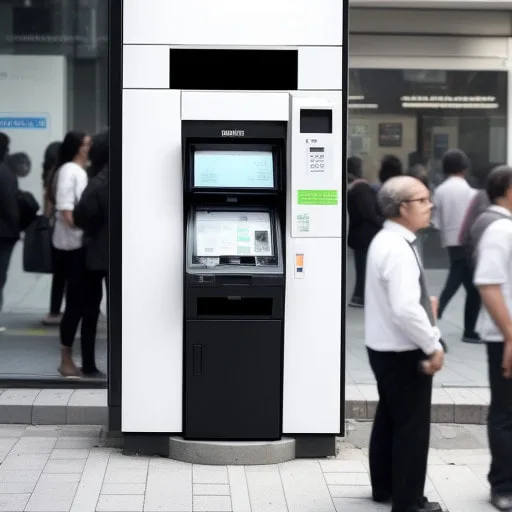
The evolution of thermal printing technology has also paved the way for smart POS systems, which integrate advanced features such as inventory management, customer relationship management (CRM), and real-time analytics. These smart systems leverage the reliability of thermal printing to support comprehensive business operations.
Inventory Management: Smart POS systems equipped with thermal printers can automatically print labels for new stock, update inventory counts in real-time, and generate alerts for low stock levels. This integration ensures that businesses maintain accurate inventory records and streamline their supply chain management.
Customer Relationship Management (CRM): By integrating CRM capabilities, smart POS systems can print personalized receipts that include loyalty rewards, special offers, and customer feedback forms. This personalization helps businesses build stronger relationships with their customers and enhance customer satisfaction.
Real-Time Analytics: Advanced POS systems provide real-time data analytics, offering insights into sales trends, customer behavior, and operational performance. Thermal printers play a crucial role in this ecosystem by generating detailed reports and transaction summaries that help businesses make informed decisions.
For example, a retail store can use a smart POS system to track sales patterns and customer preferences. The thermal printer can produce detailed sales reports at the end of each day, helping store managers optimize inventory levels and marketing strategies.
Explore our thermal paper collection to find the perfect products for your modern POS system. Our high-quality thermal paper is designed to support the latest innovations in POS technology, ensuring that your business stays ahead of the curve.
Applications of Thermal Printing Technology in Various Industries
Retail Sector
In the retail sector, thermal printing technology is crucial for improving both customer service and operational efficiency. Thermal printers are widely used for generating receipts quickly, which enhances the checkout experience for customers. These printers are known for their speed and reliability, which minimizes wait times and reduces the likelihood of errors compared to traditional printing methods. Additionally, thermal printers are often employed for barcode labels and price tags, facilitating efficient inventory management and checkout processes. Their compact design also helps save counter space, contributing to a more organized and functional retail environment.
Hospitality Industry
Thermal printing technology has made a significant impact in the hospitality industry, including restaurants and hotels. In restaurants, thermal printers are used to print order tickets quickly, which are then sent directly to the kitchen or bar. This speeds up order processing and reduces the chances of miscommunication between the front-of-house and kitchen staff. In hotels, thermal printers are employed for various purposes, such as printing guest folios, booking confirmations, and event tickets. The ability to produce high-quality, legible documents on demand improves guest satisfaction and streamlines administrative tasks.
Healthcare Field
The healthcare industry relies on thermal printing technology for managing patient records and billing processes. Thermal printers are used to print patient wristbands, medication labels, and other critical documents. These printers ensure that patient information is accurately recorded and easily readable, which is essential for maintaining high standards of care and compliance with regulations. Thermal printers are also used for generating billing statements and insurance documents, which helps in maintaining accurate financial records and streamlining the billing process.
Transportation Industry
In the transportation sector, thermal printing technology plays a vital role in ticketing and fare collection systems. Thermal printers are used to print tickets for various modes of transportation, including buses, trains, and airplanes. These printers offer quick and reliable ticket issuance, which helps in managing high volumes of passengers efficiently. The use of thermal printers in fare collection systems also contributes to accurate and secure transactions. The ability to produce high-quality, durable tickets and receipts ensures that passengers have a smooth and hassle-free travel experience.
Environmental Considerations in Thermal Printing
Growing Awareness of Environmental Impact
With increasing awareness of environmental issues, businesses across various sectors are prioritizing sustainability. This shift is reflected in the adoption of eco-friendly practices and technologies, including within the realm of thermal printing. Traditional thermal papers and printers, while effective, have raised concerns about their environmental impact due to the chemicals used in production and disposal. As a result, there is a growing demand for more sustainable alternatives that offer the same level of performance while reducing ecological footprints.

Eco-Friendly Thermal Paper Solutions
Our eco-friendly thermal paper collection represents a significant step forward in addressing these environmental concerns. Unlike conventional thermal papers, which often contain harmful chemicals such as bisphenol A (BPA) or bisphenol S (BPS), our eco-friendly options are designed to minimize environmental impact. These papers are produced without the use of these hazardous substances, making them safer for both users and the environment.
These eco-friendly thermal papers are also often made from recycled or sustainably sourced materials. By choosing recycled paper, we contribute to reducing deforestation and conserving natural resources. Additionally, some of our eco-friendly options are designed to be fully recyclable, which helps minimize waste and encourages responsible disposal practices.
Performance and Sustainability Balance
Despite their environmental benefits, our eco-friendly thermal papers do not compromise on performance. They deliver the same high-quality, reliable printouts as traditional thermal papers, ensuring that businesses can maintain efficiency without sacrificing their commitment to sustainability. The advanced technology used in these eco-friendly papers ensures crisp, clear prints that stand the test of time, reducing the need for reprints and thereby further decreasing waste.
Adopting these eco-friendly thermal paper options aligns with global sustainability efforts and supports businesses in their journey towards greener practices. By making the switch to more environmentally responsible thermal printing solutions, companies not only contribute to a healthier planet but also enhance their corporate social responsibility profiles, appealing to increasingly eco-conscious consumers and stakeholders.
Future Trends in Thermal POS Printing
Advancements in Thermal Printing Technology
The future of thermal POS (Point of Sale) printing is set to witness remarkable advancements that will push the boundaries of speed, efficiency, and functionality. Emerging innovations in thermal printing technology are expected to result in printers that are even faster and more reliable than those currently available. These advancements will focus on improving print speed, reducing noise levels, and enhancing print quality. Additionally, new developments may lead to more compact and energy-efficient printer designs, catering to the evolving needs of various businesses. As technology continues to advance, we can anticipate thermal printers that offer greater durability and performance, meeting the demands of high-volume transaction environments.
Integration with Artificial Intelligence and the Internet of Things
The integration of artificial intelligence (AI) and the Internet of Things (IoT) into thermal POS systems represents a transformative trend that will significantly enhance the capabilities of these devices. AI integration will enable POS systems to analyze transaction data in real time, providing businesses with valuable insights into customer behavior, sales patterns, and inventory management. This data-driven approach will facilitate more informed decision-making and personalized customer experiences.
IoT connectivity will further elevate the functionality of thermal POS systems by enabling seamless communication between printers and other devices within a network. This connectivity will allow for automated updates, remote monitoring, and troubleshooting, reducing downtime and maintenance costs. IoT-enabled POS systems will also support advanced features such as dynamic pricing and digital promotions, enhancing the overall efficiency and flexibility of retail operations.
Emerging Markets and Applications
As businesses and industries continue to evolve, new markets and applications for thermal POS systems are expected to emerge. The demand for efficient and reliable transaction processing solutions is driving the expansion of thermal printing technology into various sectors beyond traditional retail settings. For instance, the rise of mobile and self-service kiosks in fast-food restaurants, transportation hubs, and entertainment venues is creating new opportunities for thermal POS systems.
Additionally, the growing trend of digital and contactless payments is likely to spur innovation in thermal printing applications. POS systems that can seamlessly integrate with digital payment platforms and provide digital receipts will cater to the preferences of modern consumers who prioritize convenience and sustainability. The expansion into emerging markets, such as developing regions with rapidly growing retail sectors, will also drive the adoption of thermal POS systems, offering businesses in these areas a robust solution for transaction processing.
Overall, the future of thermal POS printing is characterized by rapid technological advancements, the integration of cutting-edge technologies, and the exploration of new markets and applications. These trends will ensure that thermal POS systems continue to evolve and meet the changing needs of businesses and consumers alike.
Case Studies and Real-World Examples
Numerous businesses have successfully integrated advanced thermal POS systems to enhance their operations. For example:
Retail Chains: Large retail chains have reported increased efficiency and customer satisfaction by adopting high-speed thermal printers.
Restaurants: Fast-food chains use portable thermal printers to streamline their ordering and delivery processes, ensuring quick service.
Hospitals: Healthcare facilities use thermal printers to maintain clear and accurate patient records, enhancing patient care.
Conclusion
The evolution of thermal printing technology has significantly impacted the efficiency and effectiveness of POS systems across various industries. As we look to the future, the potential for further advancements and applications remains vast. For businesses looking to stay ahead, adopting modern thermal POS solutions is a smart investment. Explore our thermal paper collection to enhance your POS systems and drive operational excellence.