
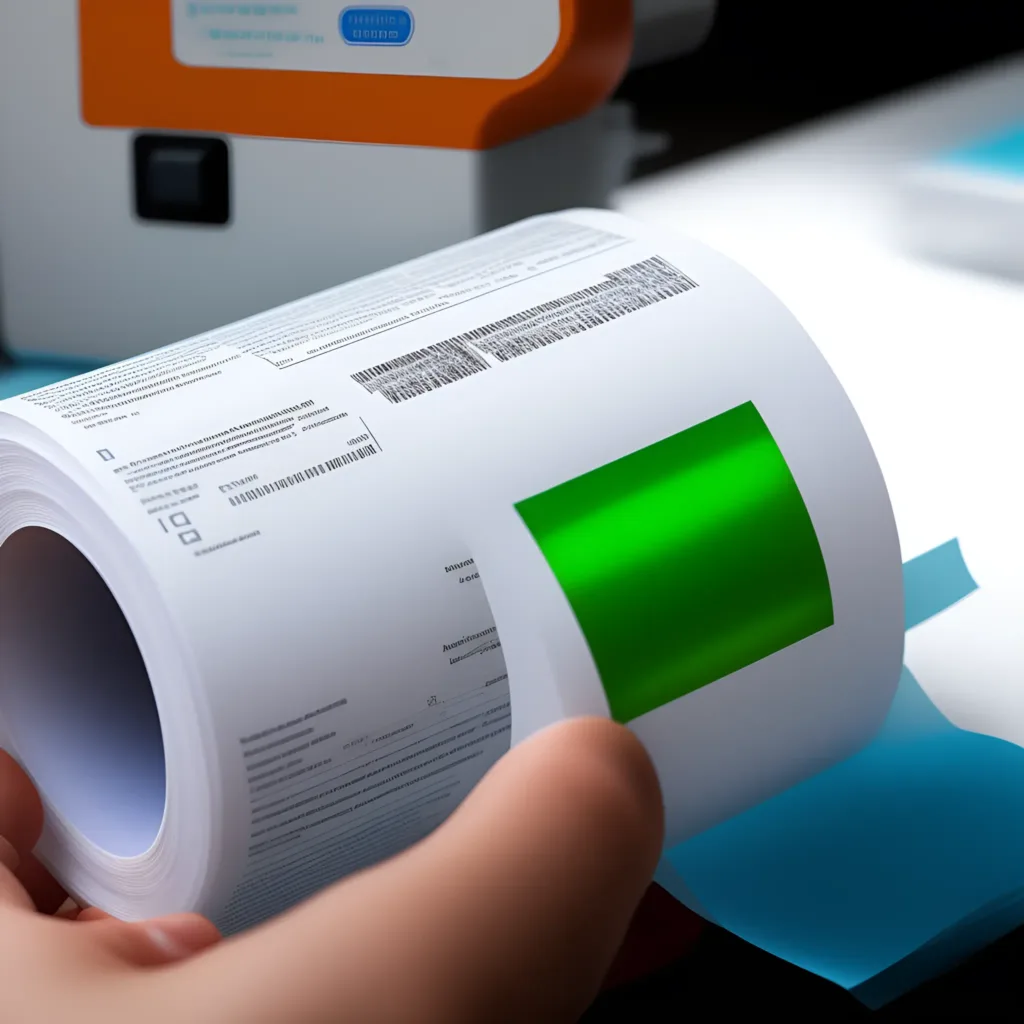
Introduction:
In our modern world of receipts and transaction records, thermal paper is a staple. It’s efficient, quick, and incredibly convenient. But is it safe? Many thermal papers contain a compound called Bisphenol A (BPA), which has raised concerns due to potential health and environmental risks. In this article, we’ll explore how to determine if thermal paper is BPA-free and make informed choices for your business or personal use.
Understanding BPA in Thermal Paper:
Before we delve into identifying BPA-free thermal paper, let’s understand why BPA is used in thermal paper in the first place. BPA is a chemical that undergoes a color-changing reaction when exposed to heat, making it perfect for thermal printing. However, it’s the very same properties that have raised red flags due to health concerns.
BPA has been associated with various health risks, including hormonal imbalances, developmental problems, and even cancer. This has led to a growing demand for BPA-free alternatives, both for the safety of consumers and the environment.
The Advantages of BPA-Free Thermal Paper:
Choosing BPA-free thermal paper is a step toward safety and sustainability. These papers eliminate the potential risks associated with BPA exposure, making them an ideal choice for businesses and environmentally conscious individuals.
BPA-free thermal paper offers several advantages:
- Health Safety: With BPA-free paper, you can avoid potential health risks linked to BPA exposure.
- Environmental Responsibility: These papers have a lower impact on the environment, making them a sustainable choice.
- Consumer Confidence: By choosing BPA-free options, businesses can build trust with customers who are increasingly concerned about product safety.
Scrutinizing Product Labels:
One of the simplest ways to identify BPA-free thermal paper is by checking product labels. Look for keywords such as “BPA-free” or “Bisphenol A-free” prominently displayed on the packaging. These labels indicate that the thermal paper is free from this potentially harmful chemical.
When shopping for thermal paper, take the time to read and understand the product labels. Manufacturers committed to safety and sustainability proudly display these labels to help consumers make informed choices.
Manufacturer’s Information:
Sometimes, the packaging may not provide all the necessary information. In such cases, don’t hesitate to contact the manufacturer or supplier directly. They can provide details about their products’ BPA content and guide you toward BPA-free options.
Manufacturers are increasingly responsive to consumer concerns about BPA and are willing to provide information to ensure customer satisfaction. So, don’t hesitate to reach out and inquire.
Third-Party Certifications:
Certifications like the Forest Stewardship Council (FSC) and Green Seal are valuable indicators of environmentally responsible and BPA-free thermal paper. These certifications ensure that the paper meets stringent environmental and health standards, giving you peace of mind.
When you see these certifications on a product, it means that independent organizations have verified its safety and environmental friendliness. Choosing certified thermal paper is a reliable way to ensure you’re getting a BPA-free product.
Customer Reviews and Recommendations:
Peer experiences can be invaluable. Consider reading product reviews and seeking recommendations from others who have purchased and used thermal paper. Online forums and platforms often provide insights into BPA-free options.
Real-world experiences from fellow consumers can provide you with valuable information about the quality and safety of different thermal paper brands. Be sure to explore online resources and communities for these insights.
Expert Advice:
For those who want expert guidance, reach out to professionals in the field of thermal paper or environmental sustainability. They can offer insights into BPA-free options and help you make informed choices.
Experts in these fields are well-versed in the latest developments and can provide personalized recommendations based on your specific needs. Their expertise can be particularly valuable for businesses looking to make sustainable and safe choices.
Visual Inspection:
Lastly, perform a visual inspection of thermal paper rolls. Check for any labels indicating BPA content. Additionally, look for any unusual characteristics or features that might suggest the presence of BPA.
While labels and certifications are reliable indicators, a visual inspection can offer an additional layer of assurance. Look for any warnings or information about BPA on the packaging or the paper rolls themselves.
In conclusion, your choice of thermal paper matters. Opting for BPA-free thermal paper is not only safer for your health but also contributes to a greener and more sustainable future. Remember to share your newfound knowledge with others, and let’s collectively make responsible choices for a better world.
Additional Resources:
Explore these additional resources to further enhance your understanding of BPA-free thermal paper and make conscious choices for your receipts and records. Your decisions today can have a positive impact on your well-being and the environment for years to come.
At Stingbull Ribbon, where we proudly stock an array of multibrand thermal paper products, we understand your concerns. In this article, we’ll unravel the mystery of BPA in thermal paper and show you how to distinguish the safe from the potentially harmful.
Unveiling the BPA Mystery
Bisphenol A (BPA) is a common component in thermal paper, playing a pivotal role in its printing process. But it’s not all sunshine and rainbows. Research has linked BPA to health risks, prompting the search for BPA-free alternatives.
BPA-Free Thermal Paper: Your Safe Choice
When shopping our thermal paper collection, look for the “BPA-free” label. We’ve curated a selection of thermal papers that prioritize your well-being and the environment. These alternatives maintain the convenience of thermal paper while eliminating BPA-related concerns.
Scrutinizing Labels
Reading product labels is key. Manufacturers committed to sustainability and safety proudly display “BPA-free” on their packaging. If you can’t spot this label, it’s time to inquire or explore other options.
Third-Party Certifications
Trustworthy certifications like the Forest Stewardship Council (FSC) or Green Seal can guide your choice. These certifications assure that the thermal paper meets stringent environmental and health standards.
Seek Expert Advice
When in doubt, don’t hesitate to contact us at Stingbull Ribbon. Our experts are well-versed in thermal paper and can guide you toward the best BPA-free options for your needs.
Responsible Disposal Matters
Even with BPA-free thermal paper, responsible disposal is essential. Follow local regulations for paper waste disposal to ensure it doesn’t end up in landfills.
Reduce and Reuse
Reducing usage is a sustainable choice. Consider digital receipts and electronic record-keeping as alternatives to further reduce your environmental footprint.
Conclusion: Your Thermal Paper, Your Choice
At Stingbull Ribbon, we believe in empowering you with knowledge to make informed choices. When it comes to thermal paper, your choice matters for your well-being and the planet. Explore our BPA-free thermal paper collection today and print with peace of mind.
Remember, the key to a greener future is in your hands. Choose wisely and make every receipt count.