
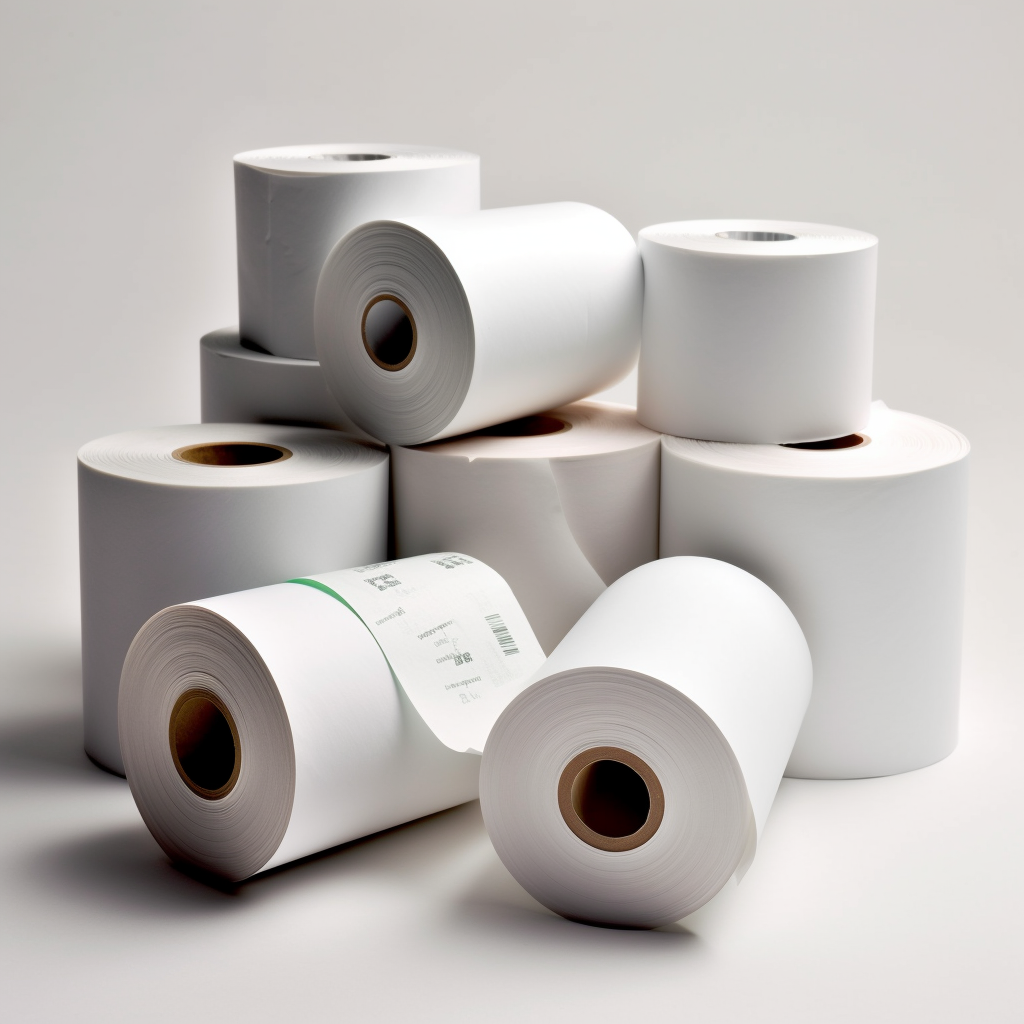
Thermal paper is a common printed material used to make receipts, invoices, and other important documents. However, prolonged storage or improper processing may lead to the fading of the thermal paper printed information, thereby compromising the readability and durability of the document. To protect the printing information from fading, here are some effective ways to prevent thermal paper from fading:
Control environmental factors: light, humidity and temperature are the main factors that affect the fading of thermal paper. Store thermal paper from light away from direct sunlight and strong light sources. Avoid exposing the thermal paper to a humid environment, try to keep the relative humidity in the range of 40% to 50%, and keep the temperature within the appropriate range.
Use high quality thermal paper: choosing good quality thermal paper can effectively extend the durability of printing information. High-quality thermal paper has better durability and anti-fading characteristics, which can better protect the printing information from environmental factors.
Avoid friction and scraping: Avoid applying excessive friction or scraping on the surface of the thermal paper, which may cause fading or damage to the print information. Carefully process and store thermal paper to avoid contact with sharp or rough objects to maintain the integrity of the paper.
Use of protective coating: There are some special protective coating products that can be used in thermal paper to provide an additional protective layer to reduce the risk of fading. These coatings can block the intrusion of light and moisture, extending the persistence of the print information.
Regular backups and updates: If the printed information on the thermal paper is very important, it is recommended to back up and update it regularly. Use a scanner to convert thermal paper to electronic files and store them in secure electronic devices or cloud storage. This way, you can still access and print copies anytime, even if the original paper document is faded or damaged.
By taking these precautions, you can effectively prevent the fading of the thermal paper and ensure the durability and readability of the printed information. While protecting the thermal paper from fading, you can also ensure the traceability and integrity of important documents.
Avoid exposure to chemicals: Some chemicals may accelerate the fading process of printing information on thermal paper. Avoid exposing the heat-sensitive paper to harmful chemicals, such as acids, solvents, or detergents. When handling thermal paper documents, use dry hands and avoid moist paper towels or detergent.
Regular inspection and maintenance: Regular inspection of the status of thermal paper documents is the key to prevent fading. Check the paper regularly for fading, yellowing or other abnormal conditions. If a problem is found, take appropriate measures, such as reprinting, backing up, or replacing the thermal paper.
Proper storage and disposal: proper storage and treatment is essential to protect the printing information of thermal paper. Store the thermal paper in a dry, clean place, far away from direct sunlight and heat sources. Use suitable folders, bags, or boxes to store thermal paper files and avoid folding or bending.
In short, you can effectively prevent the fading problem of thermal paper by reasonably controlling environmental factors, selecting high-quality thermal paper, avoiding friction and scraping, using protective coatings, regular backup and updating, avoiding chemical contact, and regular checking and proper handling. These measures not only protect your print information, but also ensure document readability and reliability. Keep in mind that proper protection of thermal paper printing information is an important step in maintaining document integrity and traceability.