
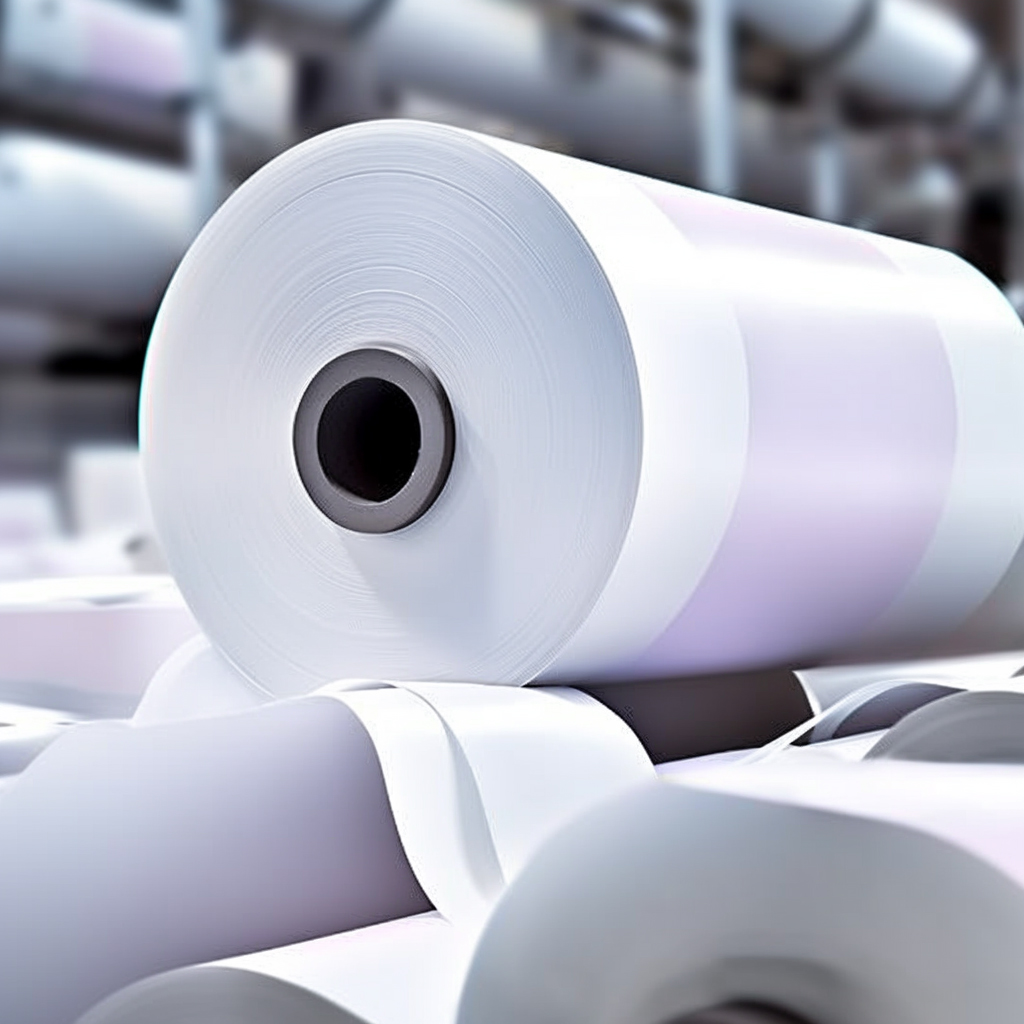
Thermal paper is a commonly used printing paper, but some people may show concern about the chemical, bisphenol A (BPA). BPA is a common chemical that is used in many plastic products and paper coatings. If you want to confirm whether the thermal paper does not contain BPA, we provide several methods and suggestions in this article.
Method 1: View the product labels and instructions
First, check out the product labels and instructions for the thermal paper. Some manufacturers will clearly indicate that their products do not contain BPA. Look for “BPA-Free” (excluding BPA) or similar in the product package or instructions. If the product does not provide a clear statement, then we need to use other methods for further confirmation.
Method 2: Look for the third-party certification marks
Look for third-party certification marks, such as the EPA (EPA) “Designed for the Environment” (Environmental design) mark or similar certification. These certification bodies often conduct rigorous testing and reviewing products to ensure they meet specific environmental and health standards. If thermal paper gets these certifications, then it may be BPA-Free.
Method 3: Contact the manufacturer
If necessary, you can contact the manufacturer or brand of the thermal paper directly and ask them whether the product contains no BPA. Manufacturers will often have a customer service team or contact information that you can contact by email or phone. Ask clear questions and ask them to provide relevant information about the BPA.
Precautions and recommendations:
Make sure that you understand the use of thermal paper. If thermal paper is used to print food contact items, such as food labels or receipts, ensure to choose a product that meets food safety standards.
Consider using other alternatives. If you are still concerned about the chemicals in thermal paper, consider using other types of printed paper, such as ink-inkjet printing paper or recyclable paper.
Careful treatment and disposal of waste. If you determine that the thermal paper used contains BPA, follow local waste disposal guidelines and ensure proper disposal and disposal to minimize environmental impact.
All in all, if you want to confirm that the thermal paper does not contain bisphenol A (BPA), you can judge it by:
1. Check the product labels and instructions: Read the product labels and instructions of the thermal paper carefully, and the manufacturer sometimes clearly indicates that their products do not contain BPA. Look for “BPA-Free” (excluding BPA) or similar. If the product does not provide a clear statement, then we need to use other methods for further confirmation.
2. Look for third party certification marks: Look for third party certification marks, such as the “Designed for the Environment” (environmental design) mark of the US EPA (EPA) or similar certification. These certification bodies often rigorously test and review products to ensure that they meet specific environmental and health standards. If the thermal paper gets these certifications, then it may be BPA-free.
3. Contact the manufacturer: If necessary, you can contact the manufacturer or brand of the thermal paper directly and ask them whether the product does not contain BPA. Manufacturers will often have a customer service team or contact information that you can contact by email or phone. Ask clear questions and ask them to provide relevant information about the BPA.
Although thermal paper is usually not the main source of BPA, if you are sensitive or particularly concerned about BPA, the above method can help you determine whether thermal paper does not contain BPA. At the same time, if you have any doubts about the safety of the printed materials, you can also choose to use other types of printed paper, such as ink-inkjet printing paper or recyclable paper.
Please note that the information provided herein is for reference only and for specific product refer to product labeling, manufacturer’s statement or for professional advice.