
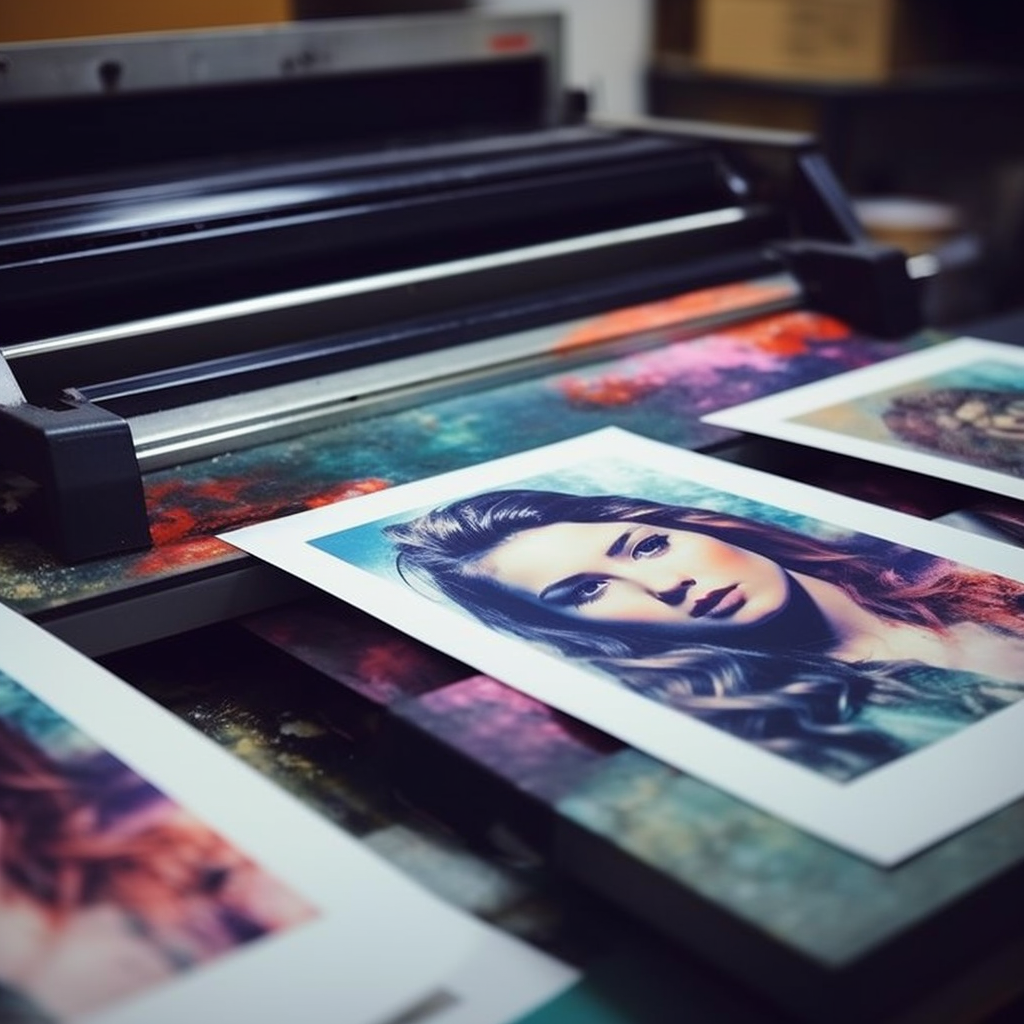
- Print Resolution: Print resolution is a critical factor in assessing print quality. It refers to the number of dots printed per inch (dpi). A higher resolution means more dots can be used to create detailed images or text, resulting in sharper print output. Higher resolution is typically associated with better print quality.
- Color Reproduction: Color reproduction capability of a printer refers to its ability to accurately reproduce the original colors of the printed object. An excellent printer should be able to reproduce colors faithfully without distortion. To evaluate color reproduction, you can print test images with various colors and gradients and compare them to the original image. Key factors to consider include color saturation, accuracy of color tones, and smooth color transitions.
- Detail Rendering: The printer’s ability to preserve and accurately reproduce fine details in images or text is an important aspect of print quality. A high-quality printer should be capable of handling small lines, curves, and intricate patterns without blurring, distortion, or jagged edges. To evaluate detail rendering, you can print test images with fine lines, intricate patterns, and small text, and observe the clarity of details and sharpness of edges in the print output.
- Color Balance: Color balance refers to the printer’s ability to handle contrast and saturation between different colors in a balanced manner during the printing process. An exceptional printer should provide accurate color balance, avoiding oversaturated or undersaturated colors. To evaluate color balance, you can print test images with different colors and gradients and observe the accuracy and overall balance of colors in the print output.
- Ink/Toner Quality: The quality of ink or toner used has a significant impact on print quality. High-quality ink or toner should exhibit good color stability, longevity, and fade resistance, ensuring that the prints maintain their quality over time. Evaluating ink or toner quality involves considering factors such as color accuracy, fade resistance, and longevity.
By considering these factors and conducting practical tests or referring to product reviews, users can make informed assessments of print quality offered by different printers.