
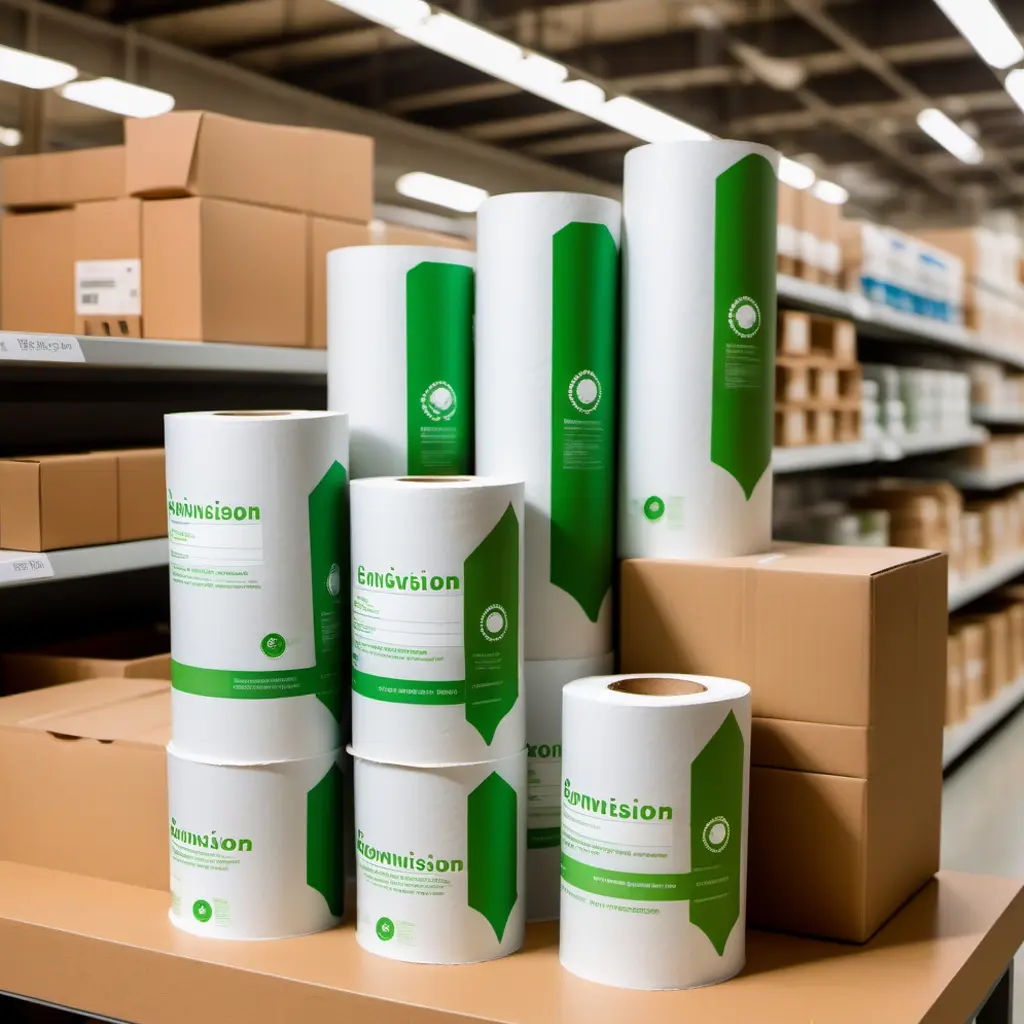
When it comes to thermal paper, it’s more than just a receipt or label – it’s a piece of technology that plays a significant role in various industries. At Stingbull Ribbon, we understand the importance of thermal paper and its longevity, especially for businesses that rely on it daily. In this article, we will unravel the secrets of thermal paper and explore how long it can last.
Understanding Thermal Paper
The Ingenious Technology Behind Thermal Paper
Thermal paper, a marvel of modern printing technology, operates on a simple yet ingenious principle. Within its unassuming white surface lies a heat-sensitive coating waiting to transform into text and images with precision. This thermal coating consists of a unique blend of chemicals that respond to heat by changing color. When a thermal printer’s print head applies heat to specific points on the paper, it triggers this reaction, leaving behind the desired imprint.
Advantages of Inkless Operation
One of the most striking advantages of thermal paper is its inkless operation. In traditional printing methods, replacing ink or toner can be a messy and costly affair, often resulting in smudged documents and downtime. Thermal paper eliminates this hassle by relying solely on the application of heat, ensuring clean, crisp prints every time.
Print Longevity Challenge
However, like any technology, thermal paper does have its set of limitations and challenges. One notable concern is the issue of print longevity. Over time, thermal prints can fade, which raises questions about the durability of documents and records printed on this medium. This issue is particularly relevant for businesses and organizations that require long-term archival of printed materials.
To address this challenge, some thermal printers incorporate innovative techniques that combine heat-based technology with ink or other substances. These hybrid systems aim to enhance the longevity of prints, making them more resistant to fading and environmental factors.
Embracing BPA-Free Thermal Paper
It’s also worth noting that the majority of thermal paper used today is BPA-free, which addresses health-related concerns associated with earlier thermal paper formulations. This transition to BPA-free thermal paper is a testament to the industry’s commitment to improving safety and sustainability.
As with any technology, thermal paper continues to evolve, with ongoing research and development efforts aimed at overcoming its limitations. These advancements are paving the way for even better print durability and eco-friendliness, making thermal paper an increasingly attractive choice for businesses worldwide.
In summary, thermal paper’s heat-based printing process, inkless operation, and eco-friendliness have made it an essential tool across various industries. However, its fading prints remain a challenge, prompting ongoing innovations to ensure the longevity of thermal paper documents.
Factors Influencing Thermal Paper Lifespan
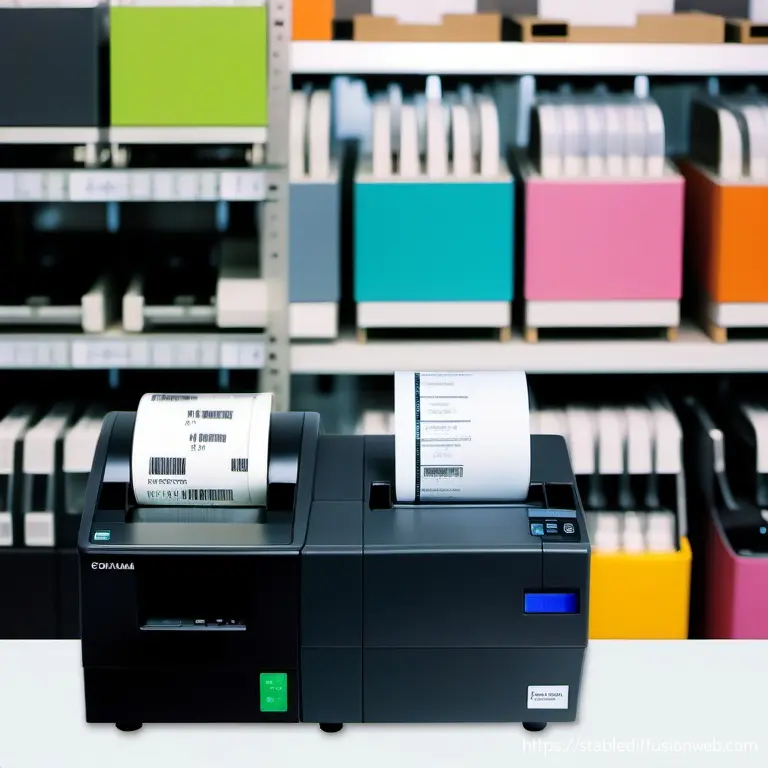
The lifespan of thermal paper, a crucial component in various industries, is influenced by a range of factors that need careful consideration for maximum performance and durability. Let’s delve deeper into these factors:
1. Environmental Conditions:
The environment in which thermal paper is stored and used plays a pivotal role in determining its longevity. Temperature, humidity, and exposure to light and UV radiation are the primary environmental factors at play.
- Temperature: Extreme temperatures, whether excessively high or low, can have adverse effects on thermal paper. Prolonged exposure to heat can cause the paper to darken prematurely, affecting the quality of prints. Conversely, extremely cold conditions can lead to the paper becoming brittle and prone to damage during the printing process.
- Humidity: Humidity levels in the storage area are equally crucial. High humidity can lead to paper curling and moisture absorption, which affects print quality. On the other hand, low humidity can result in the paper becoming brittle and prone to cracking. Maintaining an optimal humidity level is essential for preserving thermal paper.
- Light and UV Exposure: Exposure to direct sunlight and UV radiation can lead to the paper fading more rapidly. This is particularly concerning for documents that need to be preserved for a long time. Proper storage and handling can minimize these effects.
2. Storage Practices:
Proper storage practices are fundamental to extending the lifespan of thermal paper. Avoiding common mistakes can help maintain its quality:
- Moisture Control: Prevent moisture from seeping into your thermal paper rolls. Moisture can lead to discoloration and degradation of the paper. Store the rolls in a dry, controlled environment.
- Sunlight and UV Protection: Shield thermal paper from direct sunlight and UV exposure. Exposure to these elements can accelerate the fading of prints. Consider using protective containers or cabinets to safeguard your paper supply.
- Vertical Storage: Storing thermal paper vertically rather than horizontally can prevent curling and creasing, ensuring that it remains in optimal condition.
- Quality of Core Material: The core material of thermal paper rolls should be of high quality. A durable core prevents deformation and protects the paper during storage and handling.
- Avoiding Contaminants: Keep thermal paper away from substances that could harm it, such as solvents, chemicals, or abrasive materials. Even minor contact with contaminants can compromise print quality.
The lifespan of thermal paper is intrinsically linked to the environmental conditions in which it is stored and used, as well as the care taken in its storage. By maintaining proper environmental conditions, implementing effective storage practices, and ensuring quality control, you can maximize the longevity of thermal paper and ensure high-quality prints for your business or organization.
Different Types of Thermal Paper
Stingbull Ribbon prides itself on offering a range of thermal paper options to meet the diverse needs of businesses and organizations. These thermal paper types cater to different applications and requirements:
1. Standard Thermal Paper:
- Longevity: Standard thermal paper is an excellent choice for everyday use due to its cost-effectiveness and convenience. However, it may not be the best option for documents that require long-term storage.
- Applications: This type of thermal paper finds extensive use in various industries. It’s commonly seen in retail environments for printing receipts, in events for generating tickets, and in logistics for creating labels. The speed and efficiency of standard thermal paper make it indispensable for scenarios where immediate access to information is crucial.
2. Archival Thermal Paper:
- Enhanced Durability: Archival thermal paper is engineered with enhanced durability in mind. This characteristic sets it apart from standard thermal paper, making it the go-to choice for documents that need to stand the test of time.
- Ideal Use Cases: The applications for archival thermal paper extend to preserving critical records that must remain legible and intact for years, if not decades. The healthcare sector often relies on this paper for patient records and medical documentation. Similarly, historical archives find archival thermal paper indispensable for safeguarding precious documents and manuscripts.
By offering both standard and archival thermal paper options, Stingbull Ribbon ensures that its customers have access to the right type of thermal paper for their specific needs. This versatility allows businesses to choose the most suitable thermal paper for their applications, whether they require immediate point-of-sale receipts or demand the preservation of valuable records over time.
Signs of Thermal Paper Deterioration
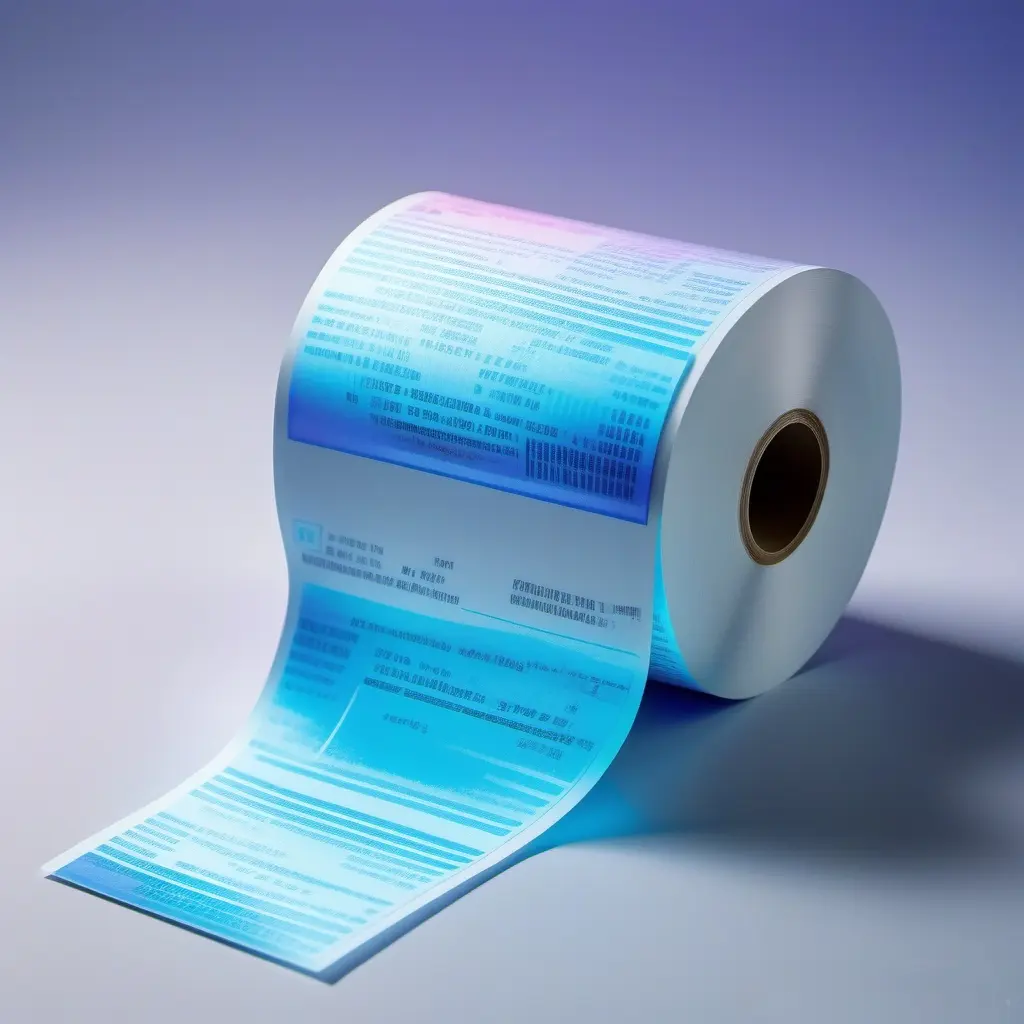
Detecting signs of thermal paper deterioration is essential for businesses and individuals who rely on this technology for document preservation and printing. Here are some key indicators to watch for:
1. Fading Prints:
- Explanation: As thermal paper ages, one of the most noticeable signs of deterioration is the fading of prints. This can result in text and images becoming progressively lighter, impacting the overall legibility.
- Causes: Fading is often linked to prolonged exposure to environmental factors like heat, light, and humidity. The heat-sensitive coating on thermal paper can degrade over time, causing prints to lose their sharpness.
2. Yellowing or Discoloration:
- Explanation: Thermal paper may experience yellowing or discoloration with age. This can give the paper a less appealing appearance and, in some cases, affect the readability of the content.
- Causes: Exposure to environmental factors such as UV radiation and excessive heat can cause the paper to discolor. Chemical reactions within the paper or its coating can also contribute to this effect.
3. Paper Brittleness:
- Explanation: Deterioration can make thermal paper brittle. Brittle paper is more susceptible to cracks, tears, and damage, which can compromise the integrity of the document.
- Causes: Changes in temperature and humidity, as well as the breakdown of the paper’s chemical composition, can lead to increased brittleness.
4. Loss of Legibility:
- Explanation: Over time, the legibility of thermal paper prints can decline. This may result in blurred text or faded images, making it challenging to interpret the content.
- Causes: Exposure to environmental conditions, handling, and the inherent limitations of thermal printing technology can all contribute to the loss of legibility.
Recognizing these signs of thermal paper deterioration is crucial for maintaining document quality and ensuring the longevity of essential records. Proper storage and handling, as well as selecting the right type of thermal paper for your specific needs, can help mitigate these issues and extend the lifespan of your thermal paper documents.
Maximizing Thermal Paper Lifespan
Maximizing the lifespan of thermal paper is essential to ensure that your documents remain clear, legible, and preserved for the intended duration. Here are some comprehensive tips to help you achieve this:
1. Storage Tips:
- Optimal Conditions: Store thermal paper in a controlled environment with a temperature range of 50-77°F (10-25°C) and a relative humidity level of 45-65%. These conditions help prevent premature degradation.
- Protection from Light: Protect thermal paper from direct sunlight and artificial UV light sources, which can lead to discoloration and fading.
- Avoid Moisture: Ensure that the storage area is dry and well-ventilated. Excessive moisture can damage the paper and affect print quality.
2. Proper Handling:
- Clean the Print Head: Regularly clean the print head of your thermal printer. Residue buildup on the print head can hinder the transfer of heat, resulting in incomplete prints or uneven darkness.
- Avoid Scratches: Handle thermal paper with clean, dry hands to prevent scratches on the heat-sensitive coating. Even minor damage can impact the quality and longevity of prints.
3. Consideration of Alternative Printing Methods:
- Archival Thermal Paper: When you require documents to last for an extended period, consider using archival thermal paper. It offers enhanced durability and longevity, making it ideal for important records in healthcare, historical archives, and more.
- Explore Other Printing Options: For documents that need long-term preservation, explore alternative printing methods such as laser printing or inkjet printing. These methods can provide greater longevity, especially for critical records.
By following these tips and practices, you can significantly prolong the lifespan of your thermal paper documents and ensure that important information remains clear and legible for as long as needed.
Case Studies
Thermal paper has woven itself into the fabric of various industries, proving its mettle in the most demanding environments. Let’s delve deeper into some case studies to understand the real-world applications and the remarkable longevity of thermal paper:
1. Retail Revolution:
- The Challenge: Picture a busy retail store with a never-ending stream of customers. Quick and reliable receipts are a must, ensuring a seamless shopping experience.
- The Solution: Thermal paper rises to the occasion, providing lightning-fast receipt printing. Its efficiency in rendering high-quality receipts without the need for messy ink or toner makes it an indispensable choice for retailers. The crisp, fade-resistant prints keep transaction records intact, aiding in returns, exchanges, and accounting.
- The Longevity: In retail, thermal paper is subjected to heavy usage. Yet, it continues to shine with its ability to preserve receipts for the long term. Its resistance to fading and discoloration ensures that important transaction details remain intact, even after years of handling.
2. Healthcare Precision:
- The Challenge: In the healthcare industry, precision is paramount. From patient labels to critical medical records, accuracy and efficiency are non-negotiable.
- The Solution: Thermal paper steps in as the ideal choice for healthcare professionals. It enables the quick and error-free printing of patient labels, medical reports, and records. Its high-resolution prints ensure that critical information is legible, reducing the chances of misinterpretation. Moreover, its eco-friendliness aligns with the healthcare sector’s commitment to sustainability.
- The Longevity: Healthcare records must stand the test of time, often retained for years for legal and medical purposes. Thermal paper, especially archival grade, guarantees the longevity of these documents, with prints that resist fading, discoloration, and deterioration.
3. Logistics Efficiency:
- The Challenge: The logistics industry relies on precise tracking and labeling. Shipping labels must be generated efficiently to ensure goods reach their destinations without errors.
- The Solution: Thermal paper plays a pivotal role in logistics by providing clear, high-contrast shipping labels. Its compatibility with thermal printers streamlines the labeling process, reducing errors and improving overall efficiency. This translates to cost savings, faster deliveries, and enhanced customer satisfaction.
- The Longevity: In the world of logistics, documents, particularly shipping labels, are a lifeline. Thermal paper’s resistance to wear and tear, along with its ability to withstand varying environmental conditions, ensures that labels remain legible from the warehouse to the final delivery point.
These case studies underscore the endurance and reliability of thermal paper across diverse industries. Its ability to meet the unique challenges of each sector while offering long-term document preservation makes it an invaluable asset in the business world. Whether it’s a retail transaction, a patient’s medical history, or the efficient movement of goods, thermal paper continues to prove its worth, underlining the simplicity and efficiency of this technology.
Sustainability and Thermal Paper
At Stingbull Ribbon, we’re not only committed to quality but also to sustainability. Thermal paper’s eco-friendly nature, thanks to the absence of ink cartridges, aligns with our vision of an environmentally responsible future.
Conclusion
In the world of technology, it’s essential to understand the lifespan of the tools and materials we rely on. Thermal paper, with its varying types and considerations, offers businesses the flexibility they need. Whether you’re receiving a receipt at your favorite store, working in healthcare, or managing logistics, thermal paper is an integral part of efficient and eco-friendly operations. The key is to know how to make it last and when to choose the right type for your specific requirements.
For all your thermal paper needs, explore our collection at Stingbull Ribbon’s Thermal Paper Collection. It’s not just paper; it’s a world of possibilities.