
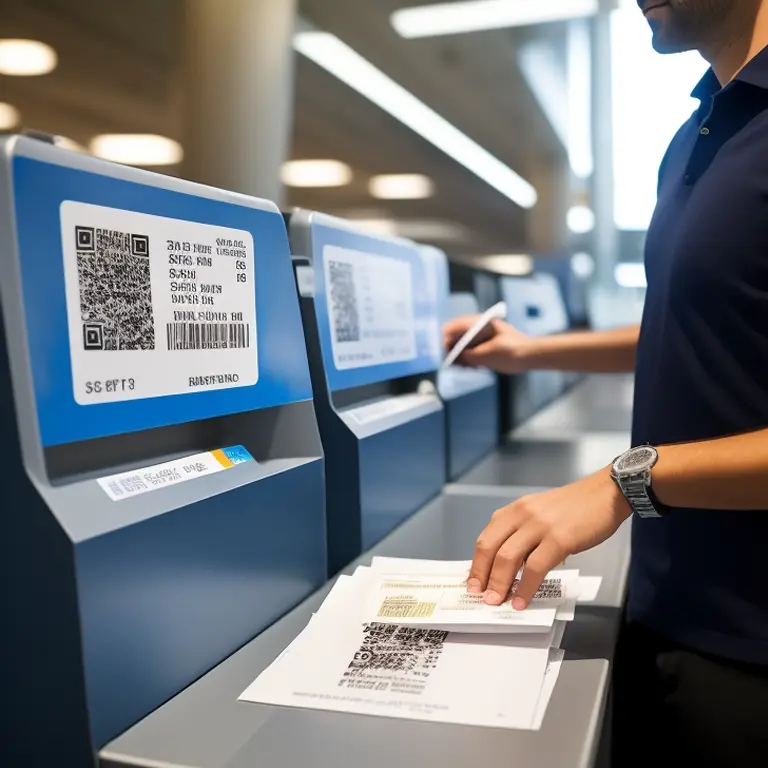
In a world dominated by digital advancements, thermal paper remains a fascinating relic of technology, offering a unique way to print without the hassle of ink or toner. But how long does this innovative paper last before its prints begin to fade into obscurity? Let’s explore the factors influencing thermal paper’s lifespan, the signs of deterioration to watch out for, and tips to maximize its longevity.
The Basics of Thermal Paper
Before we dive into the longevity of thermal paper, let’s quickly recap how it works. This technology relies on a heat-sensitive coating that reacts to heat, creating text and images. It’s commonly used for receipts, tickets, labels, and much more. If you’ve ever received a receipt from your favorite store or checked a boarding pass, you’ve likely encountered thermal paper in action.
Factors Affecting Thermal Paper Lifespan
1. Environmental Conditions
The environment in which thermal paper resides significantly impacts its lifespan. The following conditions play a crucial role:
1. Temperature Extremes: The temperature at which thermal paper is stored and used is a critical determinant of its lifespan. When it’s too hot, the heat-sensitive coating on the paper can prematurely activate. This results in what’s commonly known as “thermal paper darkening.” In extremely cold conditions, the paper becomes brittle, making it prone to cracks and tears. To mitigate these issues, it’s essential to maintain a stable temperature environment for thermal paper. The recommended range is typically 50-77°F (10-25°C). Staying within this range helps ensure the longevity of your thermal paper documents.
2. The Role of Humidity: Humidity levels in the storage area and usage environment are equally vital. Excess moisture can be absorbed by the paper, leading to issues like curling and decreased print quality. Conversely, overly dry conditions can result in paper dehydration and brittleness. To find the right balance, aim for a relative humidity level between 45% and 65%. This sweet spot helps keep your thermal paper in optimal condition.
3. Effects of Light Exposure: Prolonged exposure to direct sunlight or artificial UV light sources can have detrimental effects on thermal paper. The heat-sensitive coating on the paper is sensitive to ultraviolet (UV) radiation. Over time, UV exposure can break down the chemical composition of the coating, causing prints to lose their sharpness and legibility. To protect your thermal paper from UV damage, store it away from light sources. When necessary, consider using protective covers or sleeves to shield the paper from harmful UV rays.
Certainly, let’s delve deeper into the importance of proper storage practices for preserving thermal paper:
2. Storage Practices for Thermal Paper:
Proper storage is a critical aspect of maintaining the quality and longevity of thermal paper documents. Here are more detailed insights into these essential practices:
a. Optimal Conditions: Storing thermal paper under optimal conditions is akin to creating a protective haven for your important records. The recommended temperature range of 50-77°F (10-25°C) plays a pivotal role. Within this range, the paper remains stable and less susceptible to deterioration. When the temperature is too hot, the heat-sensitive coating may activate prematurely, causing prints to darken. Conversely, in excessively cold environments, the paper can become brittle, leading to cracks and tears. Maintaining the right temperature ensures that your thermal paper documents stand the test of time.
b. Shielding from Light: Protecting thermal paper from light exposure, especially direct sunlight and artificial UV sources, is vital. The heat-sensitive coating on thermal paper is sensitive to ultraviolet (UV) radiation. Prolonged exposure to UV light can break down the chemical composition of the coating, resulting in faded and less legible prints. To safeguard your thermal paper, consider using protective covers, storage boxes, or dark-colored containers. Shielding your documents from light ensures that the content remains clear and preserved.
c. Moisture Control: Avoiding excess moisture in the storage area is another crucial aspect of maintaining thermal paper. High humidity levels can lead to issues like curling, as the paper absorbs moisture, and decreased print quality. Conversely, overly dry conditions can cause paper dehydration, making it brittle and prone to damage. To strike the right balance, aim for a relative humidity level between 45% and 65%. Adequate ventilation in the storage area also helps prevent moisture buildup. By controlling moisture, you protect your thermal paper from potential damage and degradation.
In summary, proper storage practices are the foundation for preserving thermal paper. Maintaining optimal temperature and humidity conditions, along with shielding the paper from harmful UV light and controlling moisture, ensures that your thermal paper documents remain in pristine condition for the long term. These practices are essential for businesses and individuals who rely on thermal paper for receipts, labels, and other critical records.
Certainly, let’s explore in more detail the different types of thermal paper available at Stingbull Ribbon to cater to a wide range of needs:
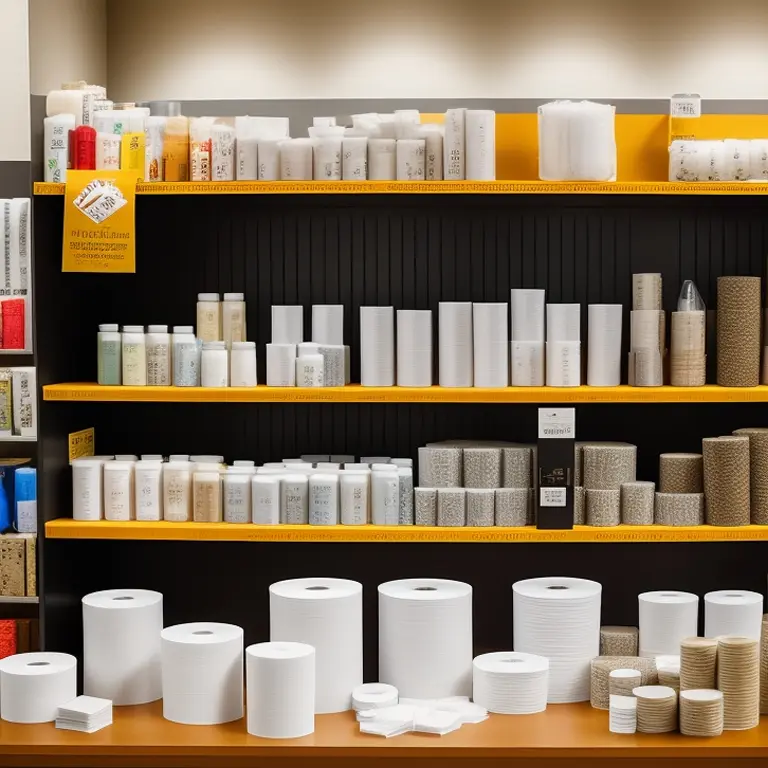
Different Types of Thermal Paper
1. Standard Thermal Paper:
- Longevity: Standard thermal paper is designed for everyday use and is well-suited for short-term applications. While it may not be the best choice for long-term document storage, it excels in its intended purpose.
- Applications: This type of thermal paper is commonly employed for various applications, including receipts, tickets, and labels. It is frequently used in retail settings, entertainment venues, and logistics for on-demand printing. The advantage of standard thermal paper is its efficiency and cost-effectiveness for everyday printing needs.
2. Archival Thermal Paper:
- Enhanced Durability: Archival thermal paper, on the other hand, is engineered with enhanced durability in mind. It is the top choice for documents that must withstand the test of time and maintain their quality for years.
- Ideal Use Cases: Archival thermal paper is perfect for applications where document preservation and longevity are paramount. For example, it finds extensive use in healthcare for preserving important medical records, where document integrity is crucial. Historical archives also benefit from this type of paper, ensuring that valuable records and manuscripts remain readable and intact for generations.
3. Specialized Thermal Papers:
- In addition to the standard and archival thermal papers, we offer various specialized thermal papers to meet unique requirements.
- Examples of Specialized Papers: These may include colored thermal papers for distinctive labeling, self-adhesive thermal papers for convenient labeling applications, and more. Specialized thermal papers are tailored to specific industry needs, offering versatility and customization.
4. Size and Format Options:
- Our thermal paper products come in a variety of sizes and formats, catering to the diverse needs of our customers. Whether you require standard 2 1/4″ receipt paper or custom-sized rolls, we have a range of options to choose from.
5. Eco-Friendly Options:
- We understand the importance of environmental sustainability. Stingbull Ribbon offers eco-friendly thermal paper options, including BPA-free and phenol-free varieties. These options ensure that you can make responsible choices while meeting your thermal paper needs.
In summary, Stingbull Ribbon provides a wide spectrum of thermal paper types to meet the diverse requirements of businesses and individuals. Whether you need everyday printing solutions, durable archival paper for long-term record-keeping, or specialized thermal papers tailored to unique applications, we offer a comprehensive selection to address your needs effectively and efficiently. Our commitment to quality and variety ensures that you’ll find the right thermal paper solution for your specific use case.
Signs of Thermal Paper Deterioration

- Fading Prints:
- Gradual Lightening of Text and Images: One of the most noticeable indicators of thermal paper aging is the fading of prints. Over time, the sharpness and clarity of text and images diminish, impacting overall legibility. This gradual lightening can make it challenging to read the content, which is particularly concerning for documents that require long-term preservation.
- Causes: Fading prints are often a consequence of prolonged exposure to environmental factors. Factors such as excessive heat, extended exposure to light (especially direct sunlight), and high humidity can all contribute to the degradation of the heat-sensitive coating on thermal paper. As this coating breaks down, prints lose their original sharpness and color.
- Yellowing or Discoloration:
- Unappealing Appearance and Reduced Readability: Thermal paper may experience yellowing or discoloration with age, leading to a less appealing appearance. In some cases, this discoloration can also affect the readability of the content. Yellowed or discolored paper can make it difficult to distinguish between different elements on the document, impairing its functionality.
- Causes: Exposure to environmental factors such as UV radiation, excessive heat, or even chemical reactions within the paper or its coating can lead to yellowing and discoloration. These processes alter the paper’s chemical composition, resulting in these unwanted color changes.
- Paper Brittleness:
- Increased Susceptibility to Damage: Deterioration can render thermal paper brittle. Brittle paper is more vulnerable to cracking, tearing, and other types of physical damage. This not only affects the paper’s appearance but can also compromise the structural integrity of the document.
- Causes: Changes in temperature and humidity significantly impact paper integrity. Fluctuations in these conditions can result in the breakdown of the paper’s chemical composition, leading to increased brittleness over time.
- Loss of Legibility:
- Diminished Clarity and Readability: Over time, the legibility of thermal paper prints may decline. Text and images can become less distinct and sharp, leading to blurred text and faded images. The loss of legibility can pose significant challenges when trying to interpret the content on the document.
- Causes: Several factors contribute to the loss of legibility, including exposure to environmental conditions (temperature, humidity, and light), handling and contact, and the inherent limitations of thermal printing technology. As the heat-sensitive coating deteriorates, the prints become increasingly faint and less legible.
Recognizing these signs of thermal paper deterioration is vital for maintaining document quality and ensuring the longevity of essential records. Implementing proper storage and handling practices and selecting the right type of thermal paper for your specific needs can help mitigate these issues and extend the lifespan of your thermal paper documents.
Maximizing Thermal Paper Lifespan
To make the most of your thermal paper, consider the following tips:
1. Storage Tips:
- Optimal Conditions: Storing thermal paper in a controlled environment within a specific temperature and humidity range is crucial. The recommended conditions are 50-77°F (10-25°C) and a relative humidity level of 45-65%. Maintaining these conditions helps to prevent premature degradation of the paper.
- Protection from Light: Shielding thermal paper from direct sunlight and artificial UV light sources is essential. Exposure to light sources, especially ultraviolet (UV) rays, can accelerate the deterioration of the heat-sensitive coating on the paper. This can result in fading prints and discoloration.
- Avoid Moisture: Ensure that the storage area is not only temperature-controlled but also dry and well-ventilated. Excessive moisture can lead to damage, including paper buckling and ink bleeding, making documents illegible. Proper ventilation helps prevent such issues.
2. Proper Handling:
- Clean the Print Head: Regular maintenance is crucial. Clean the print head of your thermal printer on a routine basis to prevent residue buildup. Residue can negatively affect print quality and lead to irregular or faded prints. Follow the manufacturer’s guidelines for cleaning your specific printer model.
- Avoid Scratches: Handle thermal paper with care to prevent scratches or abrasions on the heat-sensitive coating. Even minor scratches can result in irregular printing or missing text and images. Use clean hands when handling the paper, and avoid abrasive surfaces.
3. Consideration of Alternative Printing Methods:
- Archival Thermal Paper: When you require prints to last for an extended period, especially for important records, archival thermal paper is an excellent choice. It is designed for durability and longevity, ensuring that your documents remain legible and intact for years.
- Alternative Printing Options: Depending on your specific needs, consider alternative printing methods, such as laser or inkjet printing, which do not rely on heat-sensitive coatings. These methods may be more suitable for documents that require a longer lifespan or higher print quality.
By following these tips, you can significantly extend the lifespan of your thermal paper documents, ensuring that they remain readable and intact for as long as you need them. Proper storage, handling, and consideration of alternative printing options are key to preserving the quality and longevity of your prints.

Case Studies
To understand the real-world applications and longevity of thermal paper, let’s explore some case studies:
1. Retail:
Efficiency in Point of Sale Systems: In the bustling world of retail, every second counts. Customers expect swift and accurate transactions. Imagine a modern retail store equipped with cutting-edge point-of-sale (POS) systems. As items are scanned, thermal printers work silently in the background, producing crisp, high-quality receipts. The speed and efficiency of thermal paper make it the go-to choice for retailers. The colorful, well-lit store environment emphasizes the immediacy of the retail experience, with thermal paper playing a crucial role in this fast-paced world.
Receipts as a Branding Tool: Beyond its functional advantages, thermal paper receipts can also serve as a branding tool. Some retailers opt for custom-printed thermal paper featuring their logos and promotions. This not only adds a touch of sophistication to the transaction but also reinforces brand recognition. The visual showcases a diverse range of receipt designs, each featuring vibrant brand colors, enhancing the customer experience.
2. Healthcare:
Precision in Labeling: Step into a modern healthcare facility where precision and accuracy are paramount. In this clinical environment, thermal paper takes on a vital role in labeling. Whether it’s labeling medications, patient wristbands, or medical test results, thermal printers deliver impeccable clarity. The labels, adorned with vibrant color coding, make it easy for healthcare professionals to identify crucial information swiftly. This adds an extra layer of safety and precision to patient care.
Preservation of Medical Records: Thermal paper’s longevity comes to the forefront in the realm of medical records. Imagine a vast archive room filled with medical records and documents. Archival thermal paper ensures that these documents remain intact and readable for years to come. The serene, sterile environment reflects the importance of document preservation in healthcare settings.
3. Logistics:
Efficiency in Shipping Labels: In the fast-paced world of logistics, efficiency is key. Thermal paper is indispensable for generating shipping labels, streamlining the shipping process, and minimizing errors. Imagine a bustling distribution center where packages are swiftly processed. High-speed thermal printers generate shipping labels, complete with barcodes and essential information, ensuring that packages reach their destinations accurately and on time. The scene is vibrant and dynamic, mirroring the logistics industry’s constant motion.
Reducing Environmental Impact: Thermal paper also plays a role in reducing the environmental impact of logistics operations. Some companies opt for eco-friendly thermal paper options. These choices emphasize sustainability and are in harmony with the surrounding environment. The eco-conscious visuals underscore the industry’s commitment to responsible practices.
In conclusion, the lifespan of thermal paper depends on several factors, including environmental conditions, storage practices, and the type of thermal paper used. By recognizing signs of deterioration and following best practices for storage and handling, you can ensure that your thermal paper documents remain clear, legible, and preserved for as long as needed. Whether you’re in retail, healthcare, or logistics, understanding thermal paper’s longevity is essential for maintaining the quality of your important records and documents. To explore the different types of thermal paper we offer at Stingbull Ribbon, visit our thermal paper collection.