

In the ever-evolving landscape of technology, 3D printing has emerged as a groundbreaking innovation, revolutionizing various industries. At Sting Bull Ribbon, we are excited to explore the potential of integrating thermal paper into this dynamic field. Join us as we delve into the future of 3D printing and the transformative possibilities that thermal paper brings to the table.
Understanding Thermal Paper
Thermal paper is a special fine paper that is coated with a material formulated to change color when exposed to heat. Traditionally, it has been used in applications such as receipts and labels, providing clear and durable prints without the need for ink or toner. To learn more about our range of thermal paper products, visit our thermal paper collection.
Innovations in 3D Printing
The world of 3D printing is constantly evolving, with innovations that enhance precision, speed, and material versatility. Recent advancements have pushed the boundaries of what can be created, from intricate medical models to large-scale industrial components. The integration of thermal paper into 3D printing processes opens up new avenues for creativity and efficiency.
Thermal Paper in 3D Printing
The potential applications of thermal paper in 3D printing are vast. Imagine creating multi-layered, color-coded models that can provide additional information through visual cues. The ability to print on thermal paper with heat-sensitive coatings can lead to innovative designs that were previously unimaginable.
Enhancing Educational Models
One exciting application of thermal paper in 3D printing is in the creation of educational models. For instance, anatomy models used in medical schools can be printed with thermal paper that changes color in response to heat. This feature allows students to interact with the models in a new way, identifying different layers of tissue or organ systems based on temperature changes. Such interactive models can significantly enhance the learning experience, making complex subjects more accessible and engaging.
Industrial Prototyping and Design
In the industrial sector, thermal paper can revolutionize the prototyping process. Companies can create prototypes that not only demonstrate the physical shape and structure of a product but also provide visual feedback through color changes. For example, stress testing a component could be visually represented by a change in color on the prototype, indicating areas of potential weakness. This immediate visual feedback can expedite the design process, allowing for quicker iterations and improvements.
Custom Packaging Solutions
Thermal paper in 3D printing also offers innovative solutions for custom packaging. Brands can design packaging that changes color to indicate temperature changes, providing an extra layer of functionality and appeal. For instance, packaging for perishable goods can change color to indicate if the product has been exposed to temperatures outside the recommended range. This feature ensures product quality and safety while also enhancing the customer experience with visually appealing and informative packaging.
Medical and Diagnostic Tools
The medical field stands to benefit immensely from the integration of thermal paper in 3D printing. Diagnostic tools and medical devices printed with thermal paper can provide real-time feedback through color changes. For example, a 3D printed bandage or medical patch could change color to indicate infection or other medical conditions. This capability allows for immediate, non-invasive monitoring of patients, potentially improving treatment outcomes and patient care.
Artistic and Creative Projects
Artists and designers can also explore new creative horizons with thermal paper in 3D printing. The heat-sensitive properties of the paper can be used to create dynamic, interactive artworks that change appearance based on the viewer’s interaction or environmental conditions. This opens up a new realm of artistic expression, blending technology with traditional art forms to create pieces that are both visually stunning and interactive.
Environmental and Safety Applications
Thermal paper’s ability to change color can also be utilized in environmental monitoring and safety applications. For example, 3D printed sensors using thermal paper can be deployed in various environments to detect temperature changes and potential hazards. These sensors can provide immediate visual indicators of temperature fluctuations, helping to monitor conditions and prevent accidents in real-time.
Retail and Consumer Goods
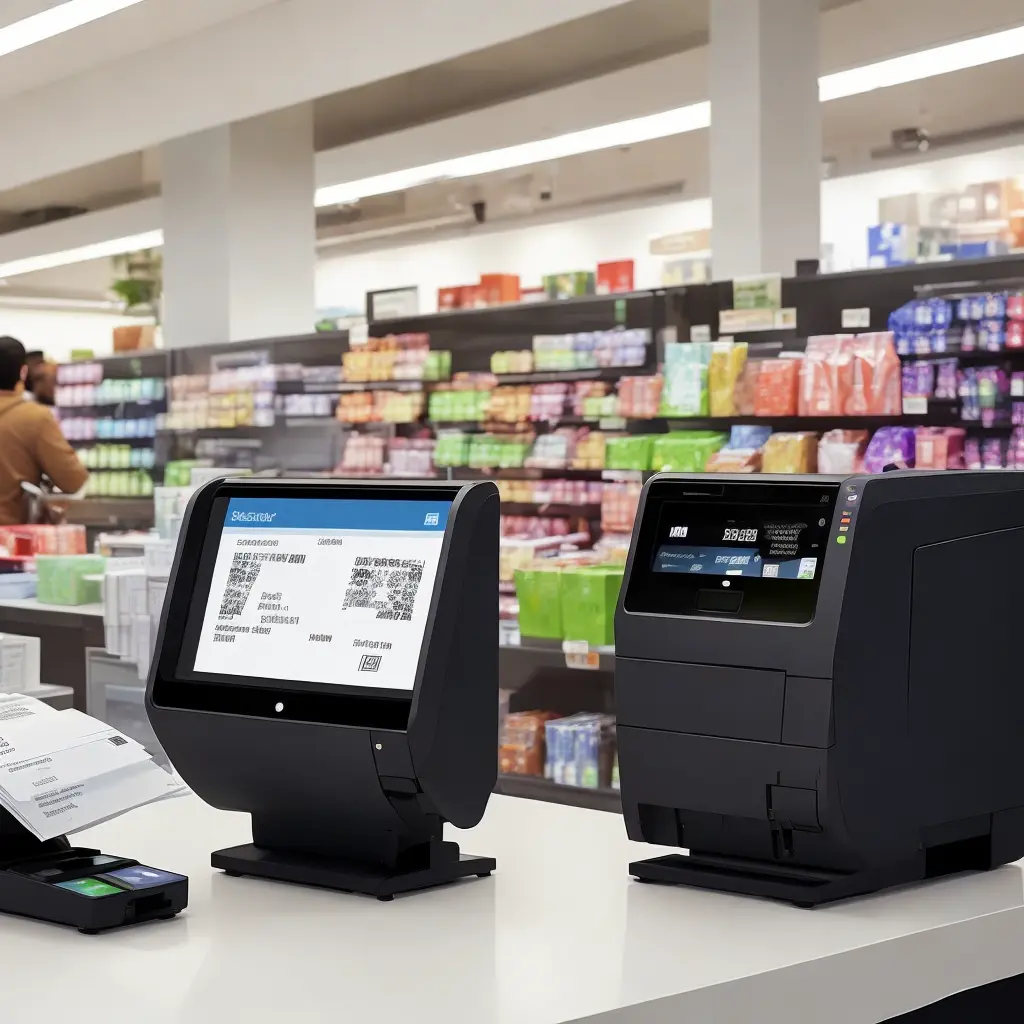
In the retail sector, thermal paper in 3D printing can enhance product displays and customer engagement. Interactive displays that change color based on touch or temperature can attract and engage customers, creating a memorable shopping experience. Additionally, retailers can use thermal paper to print personalized items that change color, adding a unique and personal touch to consumer goods.
The integration of thermal paper into 3D printing opens up a multitude of possibilities across various industries. From education and medicine to industrial design and art, the unique properties of thermal paper can enhance functionality, interactivity, and visual appeal. At Sting Bull Ribbon, we are excited to explore these possibilities and offer innovative thermal paper solutions to meet the evolving needs of our customers. As technology continues to advance, the potential for thermal paper in 3D printing is limitless, promising a future where creativity and Advantages of Using Thermal Paper
Cost-Effectiveness
Thermal paper offers significant cost savings for businesses that rely on high-volume printing. Traditional printing methods often require expensive ink cartridges or toner, which can add up over time. In contrast, thermal printers use heat to create images on the paper, eliminating the need for these costly supplies. This reduction in consumables not only lowers operating costs but also minimizes downtime associated with replacing ink or toner. Businesses can reinvest these savings into other areas, such as improving customer service or upgrading equipment, making thermal paper a financially prudent choice.
Durability
One of the standout features of thermal paper is its exceptional durability. Prints made on thermal paper are resistant to smudging, water, and other forms of damage that commonly affect traditional ink-based prints. This makes thermal paper ideal for applications where longevity and clarity are crucial. For example, maintenance and repair records in the automotive industry need to be legible and intact for years. Thermal paper ensures that these records remain clear and readable, providing a reliable means of documentation and reducing the risk of losing important information due to print degradation.
Speed
Thermal printers are known for their rapid printing capabilities, which can be a game-changer in high-demand environments. Unlike traditional inkjet or laser printers that may take longer to produce a print, thermal printers can quickly and efficiently produce clear, high-quality images and text. This speed is particularly beneficial in settings such as service centers, retail stores, and logistics operations, where time is of the essence. Faster printing leads to shorter wait times for customers, quicker transaction processing, and more streamlined operations. The efficiency gained from using thermal printers can enhance overall productivity and contribute to better customer satisfaction.
Versatility
Thermal paper is incredibly versatile and can be used across a wide range of industries and applications. From printing receipts and labels in retail environments to creating detailed medical records and shipping documents, thermal paper adapts to various needs. Its ability to produce high-quality prints without the need for additional supplies makes it suitable for numerous uses. For instance, in the automotive industry, thermal paper is used for printing service orders, customer invoices, and inventory labels. This versatility ensures that businesses can rely on one type of paper for multiple tasks, simplifying inventory management and reducing costs.
Eco-Friendliness
Thermal paper can also contribute to a company’s sustainability efforts. By eliminating the need for ink cartridges and toners, businesses reduce their consumption of non-renewable resources and minimize waste. Additionally, many thermal papers are now available in eco-friendly options, made from sustainably sourced materials and designed to be recyclable. Choosing eco-friendly thermal paper can help companies reduce their environmental footprint and align with global sustainability goals. At Sting Bull Ribbon, we offer a range of eco-friendly thermal paper products that perform just as well as traditional options while supporting greener practices.
Improved Customer Experience
Using thermal paper can significantly enhance the customer experience. The clarity and professionalism of thermal prints ensure that customers receive easy-to-read documents, whether they are receipts, invoices, or informational brochures. Customizing these prints with personalized messages, logos, or promotional offers can further engage customers and build brand loyalty. In sectors like retail and hospitality, providing high-quality printed materials reflects positively on the business and can contribute to a more favorable perception among customers.
Reliability and Maintenance
Thermal printers typically have fewer moving parts compared to inkjet and laser printers, resulting in lower maintenance requirements and increased reliability. Fewer mechanical components mean there is less that can go wrong, reducing the likelihood of printer malfunctions and downtime. This reliability is crucial in environments where continuous operation is essential, such as hospitals, warehouses, and busy retail stores. By choosing thermal paper and printers, businesses can benefit from reduced maintenance costs and more consistent performance, ensuring smooth and uninterrupted operations.
The advantages of using thermal paper are manifold, encompassing cost savings, durability, speed, versatility, eco-friendliness, improved customer experience, and reliability. At Sting Bull Ribbon, we are committed to providing high-quality thermal paper products that meet the diverse needs of our customers, helping them achieve greater efficiency and satisfaction in their operations. Whether you are in the automotive industry, retail, healthcare, or any other sector, thermal paper offers practical and innovative solutions to enhance your printing processes.
Case Studies and Examples
Businesses and industries worldwide are beginning to recognize the potential of thermal paper in 3D printing. For instance, in the medical field, thermal paper is being used to print detailed anatomical models that are both cost-effective and highly durable. Similarly, in the retail sector, companies are exploring the use of thermal paper for producing high-quality prototypes and custom packaging solutions. Discover more about how our thermal paper products are being utilized across various industries.
Challenges and Limitations
While the integration of thermal paper into 3D printing holds immense potential, there are several challenges that must be addressed to fully realize its benefits. The adaptation of current 3D printing technologies to accommodate the unique properties of thermal paper presents a significant hurdle. This involves both technical and practical considerations, requiring innovation and investment in research and development.
Technological Adaptation
The primary challenge lies in modifying existing 3D printers to effectively work with thermal paper. Traditional 3D printing technologies are designed for materials such as plastics, metals, and resins. Introducing thermal paper into this mix demands adjustments in the printer’s hardware and software. The heat-sensitive nature of thermal paper necessitates precise control over the printing temperature to ensure accurate and high-quality prints. This requires advancements in printer design, such as incorporating specialized heating elements and sensors that can finely tune the heat application.
Material Compatibility
Another challenge is ensuring that thermal paper is compatible with the various substrates and adhesives used in 3D printing. The properties of thermal paper, such as its thickness, flexibility, and heat response, differ from traditional 3D printing materials. Researchers and manufacturers need to develop thermal paper variants that can seamlessly integrate with existing 3D printing processes without compromising print quality or structural integrity. This involves experimenting with different paper compositions, coatings, and bonding agents to achieve optimal results.
Long-Term Durability
Further research is essential to fully understand the long-term effects and durability of 3D prints made with thermal paper. While thermal paper is known for its durability in traditional printing applications, its performance in 3D printed structures remains an area of exploration. Factors such as exposure to environmental conditions, mechanical stress, and aging need to be thoroughly investigated. Ensuring that thermal paper-based 3D prints maintain their integrity and functionality over time is crucial for their practical application in industries like automotive, aerospace, and healthcare.
Printing Precision and Detail
Achieving high precision and intricate details in 3D prints using thermal paper is another significant challenge. Thermal paper’s heat-sensitive coating can be affected by variations in temperature and pressure during the printing process, potentially leading to inconsistencies in the final output. Developing techniques to maintain consistent heat distribution and control over the printing process is vital for producing detailed and accurate 3D models. This may involve advancements in thermal management systems and the development of new printing algorithms tailored to thermal paper.
Environmental Impact
While thermal paper offers eco-friendly benefits compared to traditional 3D printing materials, its production and disposal still have environmental implications. The manufacturing process of thermal paper involves chemicals and energy consumption, and improper disposal can contribute to environmental pollution. To address this, ongoing efforts are needed to develop sustainable thermal paper options and recycling methods. Emphasizing the use of renewable resources and minimizing the environmental footprint throughout the paper’s lifecycle will be critical in promoting its adoption in 3D printing.
Cost Considerations
The cost of integrating thermal paper into 3D printing can be a limiting factor, especially for small and medium-sized enterprises. The initial investment in modifying printers and sourcing specialized thermal paper may be higher than traditional materials. Additionally, scaling up production to meet industry demands while keeping costs competitive requires efficient manufacturing processes and economies of scale. Overcoming these cost barriers will involve collaborative efforts between researchers, manufacturers, and industry stakeholders to drive innovation and reduce expenses.
While the integration of thermal paper into 3D printing presents exciting possibilities, several challenges must be addressed to unlock its full potential. Technological adaptations, material compatibility, long-term durability, printing precision, environmental impact, and cost considerations are key areas that require focused research and development. At Sting Bull Ribbon, we are committed to exploring these challenges and working towards innovative solutions that will pave the way for a new era of 3D printing with thermal paper. By overcoming these obstacles, we can harness the unique properties of thermal paper to create sustainable, efficient, and high-quality 3D printed products that meet the evolving needs of various industries.
Environmental Impact
One of the most significant benefits of using thermal paper in 3D printing is its positive environmental impact. Traditional 3D printing materials, such as plastics, resins, and certain metals, often involve the use of non-biodegradable substances and complex manufacturing processes that are resource-intensive and environmentally harmful. These materials contribute to waste and pollution, posing significant challenges to sustainability efforts across various industries. In contrast, thermal paper offers a more environmentally friendly alternative that reduces waste and supports sustainability initiatives.
Reduction in Non-Biodegradable Waste
Thermal paper’s primary advantage is its biodegradable nature. Unlike plastic-based 3D printing materials, thermal paper can decompose naturally, reducing the amount of non-biodegradable waste that accumulates in landfills. This characteristic is particularly important as industries seek to minimize their environmental footprints and adhere to stricter environmental regulations. By integrating thermal paper into 3D printing processes, companies can significantly reduce the environmental impact associated with their manufacturing activities.
Lower Energy Consumption
The production of traditional 3D printing materials often requires substantial energy inputs, contributing to higher carbon emissions and environmental degradation. Thermal paper production, on the other hand, tends to consume less energy, making it a more sustainable choice. The energy-efficient nature of thermal paper manufacturing aligns with global efforts to reduce energy consumption and transition towards greener production methods. By adopting thermal paper, businesses can lower their overall energy usage and support the transition to a low-carbon economy.
Support for Circular Economy Principles
Using thermal paper in 3D printing supports the principles of a circular economy, which aims to minimize waste and make the most of resources. Thermal paper’s biodegradability and potential for recycling mean that it can be reintroduced into the production cycle, reducing the need for virgin materials and promoting resource efficiency. At Sting Bull Ribbon, we are committed to developing thermal paper products that can be easily recycled or repurposed, further contributing to a sustainable production model.
Reduction of Harmful Chemicals
Traditional 3D printing materials often contain harmful chemicals and additives that can leach into the environment during disposal or degradation. Thermal paper, particularly eco-friendly variants, is manufactured with fewer harmful substances, reducing the risk of environmental contamination. This aspect is crucial for industries such as healthcare and food packaging, where the use of non-toxic materials is paramount. By choosing thermal paper, companies can mitigate the release of hazardous chemicals into ecosystems and promote safer manufacturing practices.
Contribution to Green Certifications and Standards
Businesses increasingly seek to achieve green certifications and adhere to environmental standards as part of their corporate social responsibility (CSR) initiatives. The use of eco-friendly thermal paper in 3D printing can help companies meet these standards and gain certifications that recognize their commitment to sustainability. At Sting Bull Ribbon, we offer a range of thermal paper options that comply with environmental regulations and support businesses in their pursuit of green certifications.
Aligning with Corporate Sustainability Goals
Adopting thermal paper for 3D printing aligns with broader corporate sustainability goals, such as reducing carbon footprints, minimizing waste, and promoting responsible sourcing. Companies that integrate thermal paper into their operations demonstrate a proactive approach to environmental stewardship, which can enhance their brand reputation and appeal to environmentally conscious consumers. At Sting Bull Ribbon, we are dedicated to providing thermal paper solutions that help our clients achieve their sustainability targets and demonstrate their commitment to preserving the environment.
Research and Innovation for Sustainable Solutions
The ongoing research and innovation in thermal paper technology are crucial for enhancing its environmental benefits. Advances in the development of biodegradable coatings, sustainable raw materials, and energy-efficient production processes will further reduce the environmental impact of thermal paper. At Sting Bull Ribbon, we invest in research and development to create cutting-edge thermal paper products that set new standards for sustainability and performance in the 3D printing industry.
The integration of thermal paper into 3D printing offers significant environmental advantages, including the reduction of non-biodegradable waste, lower energy consumption, support for circular economy principles, and the minimization of harmful chemicals. At Sting Bull Ribbon, we are committed to providing eco-friendly thermal paper solutions that align with sustainability goals and contribute to a greener future. By choosing thermal paper for 3D printing, businesses can not only enhance their operational efficiency but also demonstrate their dedication to environmental responsibility and sustainable practices.

Future Trends and Predictions
Looking ahead, the future of thermal paper in 3D printing is filled with exciting possibilities. Innovations in this field are poised to revolutionize how businesses and industries utilize thermal paper for operational efficiency and customer interaction. The following trends and predictions highlight the potential advancements and their implications.
Expanded Color Palettes
One of the most anticipated developments in thermal paper technology is the expansion of color palettes. Currently, thermal paper is primarily used for monochromatic prints, typically in black. However, advancements in heat-sensitive coatings and printing techniques are set to introduce a broader range of colors. This will allow for the creation of vibrant, multi-colored 3D printed models and prototypes, enhancing visual appeal and providing more detailed information through color differentiation. Industries such as retail, education, and healthcare could greatly benefit from these advancements, using color-coded models to simplify complex information and improve communication.
Enhanced Printing Precision
Another significant trend is the enhancement of printing precision. As 3D printing technology evolves, there is a growing demand for higher resolution and more accurate prints. Thermal paper, with its quick response to heat, is well-suited for producing detailed and intricate designs. Future innovations may focus on refining the thermal printing process to achieve finer details and sharper edges, making thermal paper an even more viable option for producing high-quality 3D printed components. This could be particularly useful in industries such as aerospace, automotive, and medical devices, where precision is critical.
Integration with Digital Technologies
The integration of thermal paper with digital technologies is set to transform 3D printing workflows. Real-time data processing and connectivity will enable seamless integration between thermal paper printers and digital design software. This means that designs can be adjusted and optimized on-the-fly, reducing downtime and increasing productivity. Furthermore, the ability to connect thermal paper printers to the Internet of Things (IoT) will allow for remote monitoring and control, predictive maintenance, and automated supply chain management. Businesses will be able to track their printing processes in real-time, ensuring efficiency and minimizing errors.
Applications in Smart Packaging
One of the emerging applications of thermal paper in 3D printing is in the creation of smart packaging. Thermal paper can be used to print interactive and intelligent packaging solutions that respond to environmental changes, such as temperature or humidity. For instance, food packaging that changes color based on the freshness of the contents could provide consumers with real-time information about the quality and safety of their products. This innovation has the potential to revolutionize the packaging industry, offering new levels of functionality and consumer engagement.
Sustainable Innovations
Sustainability will continue to be a driving force in the development of thermal paper technology. Future innovations are likely to focus on enhancing the eco-friendliness of thermal paper, making it an even more attractive option for environmentally conscious businesses. This could include the use of renewable raw materials, biodegradable coatings, and energy-efficient production processes. Additionally, advancements in recycling technologies will ensure that thermal paper can be reused and repurposed, further reducing its environmental impact.
Customization and Personalization
Customization and personalization are key trends that will shape the future of 3D printing with thermal paper. As consumer demand for personalized products grows, thermal paper technology will enable businesses to produce customized items quickly and cost-effectively. Whether it’s creating personalized packaging, unique promotional materials, or custom-designed products, thermal paper will offer a flexible and versatile solution. This capability will be particularly beneficial in the retail and marketing sectors, where personalized experiences are becoming increasingly important.
Increased Adoption in Education and Training
The education and training sectors are expected to see increased adoption of thermal paper in 3D printing. Educators can use thermal paper to create affordable and durable teaching aids, such as anatomical models, architectural prototypes, and engineering components. These tools can enhance hands-on learning experiences and improve student engagement. Similarly, in professional training programs, thermal paper can be used to produce realistic and detailed models that aid in practical skills development.
The future of thermal paper in 3D printing is promising and full of potential. With advancements in color palettes, printing precision, and digital integration, thermal paper is set to redefine how businesses and industries operate. The move towards sustainable innovations, combined with the growing demand for customization and personalization, will further enhance the appeal of thermal paper. At Sting Bull Ribbon, we are excited to be at the forefront of these developments, offering cutting-edge thermal paper solutions that meet the evolving needs of our customers. Embrace the future of 3D printing with thermal paper and discover the transformative possibilities it holds
Conclusion
In conclusion, the future of 3D printing with thermal paper is bright and full of potential. As industries continue to explore and adopt this innovative technology, the possibilities for creative and efficient solutions are endless. At Sting Bull Ribbon, we are at the forefront of this revolution, offering a wide range of thermal paper products to meet the evolving needs of our customers. Join us on this exciting journey and discover how thermal paper can transform your 3D printing projects.