

In today’s world, environmental responsibility is no longer an option—it’s a necessity. As companies strive to meet stringent environmental regulations, industries across the board are evolving to reduce their environmental impact. One of the often-overlooked sectors affected by these changes is the thermal paper industry. So, how exactly are companies adapting to the ever-increasing demand for sustainability in their operations? Let’s dive in.
The Push for Sustainable Thermal Paper Solutions
Sustainability is no longer a secondary concern; it has become a driving force in the operations of businesses across all sectors. Industries that heavily rely on thermal paper for essential functions, such as receipts, shipping labels, and tracking systems, are feeling the pressure to adapt to greener alternatives. The environmental impact of traditional thermal paper has come under scrutiny, especially due to its reliance on Bisphenol A (BPA), a chemical that poses health and environmental risks.
Addressing Environmental Impact: The BPA Concern
BPA has been used in thermal paper coatings to develop heat-sensitive reactions during the printing process. However, research linking BPA to potential health risks and environmental degradation has spurred regulatory bodies to take action. One such regulation is the European Union’s REACH (Registration, Evaluation, Authorisation, and Restriction of Chemicals) initiative, which seeks to limit harmful chemicals in products. Companies worldwide are now required to comply with such stringent standards, ensuring that the materials they use don’t harm consumers or the environment.
BPA in thermal paper has become a focal point for change. From local businesses to global corporations, there’s a growing movement toward eliminating BPA from thermal paper production. Retailers, logistics companies, and healthcare facilities that use thermal paper daily are under pressure to adopt alternatives that are both safe and effective.
Eco-Friendly Thermal Paper Alternatives: The Solution for Today’s Businesses
To align with these evolving regulations, businesses are adopting BPA-free thermal paper as part of their sustainable strategies. This new generation of eco-friendly thermal paper uses alternative chemicals or coatings that maintain the paper’s efficiency without compromising safety or environmental health. In some cases, companies are turning to paper made from sustainably sourced materials, further reducing their carbon footprint.
What’s more, choosing sustainable thermal paper options goes beyond simply meeting regulatory requirements. Businesses that prioritize eco-friendly solutions gain a competitive edge by appealing to the rising demand from eco-conscious consumers. Customers increasingly prefer brands that demonstrate a commitment to sustainability, and using environmentally responsible thermal paper reflects positively on a company’s values.
Compliance and Adaptation: Staying Ahead of Regulations
For many businesses, the transition to BPA-free and sustainable thermal paper is part of a broader strategy to remain compliant with both current and future environmental regulations. The push for sustainability is being echoed across industries, with many sectors—including retail, hospitality, and healthcare—leading the charge toward greener practices.
Governments are continuously updating regulations to reflect growing environmental concerns, and businesses that are proactive in adopting sustainable materials are positioning themselves to adapt to these changes with ease. Our extensive collection of thermal paper provides the ideal solutions for companies seeking compliance with both present and forthcoming regulations, ensuring they stay ahead in the race for sustainability.
Reducing Environmental Impact with Recyclable and Compostable Thermal Paper
Another important development is the shift toward recyclable and compostable thermal paper. Many companies are exploring alternatives that don’t just eliminate harmful chemicals but also ensure that the paper itself can be recycled or composted after use. By integrating these sustainable practices, businesses reduce their overall waste and contribute to a circular economy.
The ability to recycle thermal paper is particularly valuable in sectors like retail and logistics, where vast quantities of paper are used daily. Companies adopting recyclable thermal paper solutions not only comply with regulations but also reduce their waste management costs and improve their environmental footprint.
Partnering for a Greener Future: Discover Our Collection of Sustainable Thermal Paper
At Stingbull Ribbon, we recognize the importance of sustainable solutions. Our commitment to providing businesses with eco-friendly thermal paper options ensures that they can continue their operations smoothly while aligning with modern environmental standards. Whether you need BPA-free paper, recyclable materials, or specialized thermal paper for logistics and healthcare, our collection offers a wide range of options that cater to the needs of today’s environmentally conscious businesses.
By choosing sustainable thermal paper solutions, you’re not only reducing your environmental impact but also future-proofing your business against changing regulations. Explore our comprehensive selection of thermal paper to find the perfect solution for your company’s needs.
The Environmental Challenges of Traditional Thermal Paper
Traditional thermal paper, while a staple in industries like retail, logistics, and healthcare, presents several environmental challenges that have raised significant concerns. The manufacturing process of thermal paper is resource-intensive and often involves chemicals that can have a negative impact on both human health and the environment. The most notable of these is Bisphenol A (BPA), a synthetic compound used as a color developer in the thermal printing process. When exposed to heat, BPA reacts with the paper’s surface to create the printed text or image, but its use has come under heavy scrutiny due to the environmental footprint it leaves behind.
Chemical Waste and Environmental Impact
The production of traditional thermal paper results in a significant amount of chemical waste. BPA, in particular, has been found to be harmful when it seeps into the environment. It can contaminate water sources and accumulate in wildlife, leading to potential long-term ecological damage. The risks are not limited to environmental contamination; human exposure to BPA has been linked to various health issues, such as hormonal disruptions and increased cancer risks. These concerns have led to regulations and bans on BPA in several regions around the world, pushing the industry to find safer alternatives.
The environmental impact doesn’t stop at the chemical level. The overall resource consumption required for producing traditional thermal paper, including water and energy, adds to the growing environmental concerns. From the extraction of raw materials to the energy required in manufacturing, traditional thermal paper contributes to the depletion of natural resources, placing a strain on ecosystems.
Shifting to BPA-Free Alternatives
In response to mounting regulatory pressure and growing awareness among consumers, the thermal paper industry has pivoted toward BPA-free alternatives. Many companies have replaced BPA with chemicals like Bisphenol S (BPS), which is considered a safer alternative but still not entirely free from health and environmental concerns. The most progressive solutions have turned to bisphenol-free developers altogether, offering options that align better with stringent environmental regulations.
Switching to BPA-free thermal paper is more than just an industry trend; it’s become a necessity for businesses operating in regulated markets, such as the European Union and parts of the United States, where BPA bans are already in effect. Companies that rely heavily on thermal paper for day-to-day operations, such as receipts and shipping labels, must now comply with these regulations or risk facing penalties and potential reputational damage.
For businesses outside of these regions, adopting BPA-free or bisphenol-free thermal paper is an opportunity to stay ahead of future regulations. It also positions companies as environmentally responsible, catering to a growing consumer base that prioritizes sustainable practices. This shift can enhance brand reputation, fostering loyalty among eco-conscious consumers and providing a competitive edge.
The Business Case for Switching to Sustainable Thermal Paper
For industries that heavily rely on thermal paper, the switch to more sustainable alternatives is not only about complying with regulations but also about future-proofing their operations. By adopting BPA-free thermal paper, businesses can reduce their environmental impact while ensuring they meet the demands of a more eco-conscious market.
For example, retailers can offer their customers BPA-free receipt paper, which directly reduces their exposure to harmful chemicals. In logistics, companies can opt for sustainable shipping labels that are both durable and environmentally friendly, meeting the needs of a fast-paced industry while minimizing ecological damage. This change can also lead to cost savings in the long term, as companies avoid fines and penalties related to non-compliance with environmental regulations.
Now is the perfect time for businesses that rely on thermal paper to make the switch to sustainable thermal paper solutions. The transition is not only a practical move in response to regulatory shifts but also an opportunity to showcase corporate responsibility and environmental stewardship.
Explore Sustainable Thermal Paper Solutions
If your company relies on thermal paper for everyday operations, whether for printing receipts, shipping labels, or other logistical needs, now is the ideal moment to consider transitioning to more sustainable options. At Stingbull Ribbon, we offer a wide range of BPA-free and environmentally-friendly thermal paper solutions that are designed to meet the needs of businesses across various industries.
By making this shift, you’ll not only comply with current environmental regulations but also appeal to the growing number of eco-conscious consumers. To explore how you can enhance your business’s sustainability efforts, take a look at our comprehensive thermal paper collection and start making a positive environmental impact today.
How Eco-Friendly Thermal Paper Is Helping Companies Comply
In today’s business landscape, sustainability goes beyond the simple act of reducing waste. It encompasses a comprehensive approach to environmental responsibility, from the sourcing of raw materials to the production processes and even disposal methods. As more businesses prioritize green practices, the demand for eco-friendly thermal paper has skyrocketed, offering companies a practical way to comply with both regulatory standards and rising consumer expectations.
The Importance of Responsible Sourcing and Manufacturing
Sustainability begins at the source. Eco-friendly thermal paper is often made from sustainably sourced raw materials, ensuring that the production process doesn’t contribute to deforestation or other environmentally harmful practices. Many manufacturers have adopted responsible forestry management practices, obtaining certifications from bodies like the Forest Stewardship Council (FSC), which guarantees that the paper comes from renewable sources. By using responsibly sourced materials, businesses can significantly reduce their carbon footprint and contribute to broader environmental conservation efforts.
This sustainable approach extends to the manufacturing process itself. Eco-friendly thermal paper is often produced using methods that reduce water consumption, limit energy usage, and minimize the release of harmful chemicals into the environment. For example, traditional thermal paper often includes BPA, a chemical that has been linked to various environmental and health risks. In contrast, eco-friendly thermal paper uses alternatives like BPA-free or bisphenol-free developers, which are much safer for both people and the planet.
Recycling and Disposal: Minimizing Environmental Impact
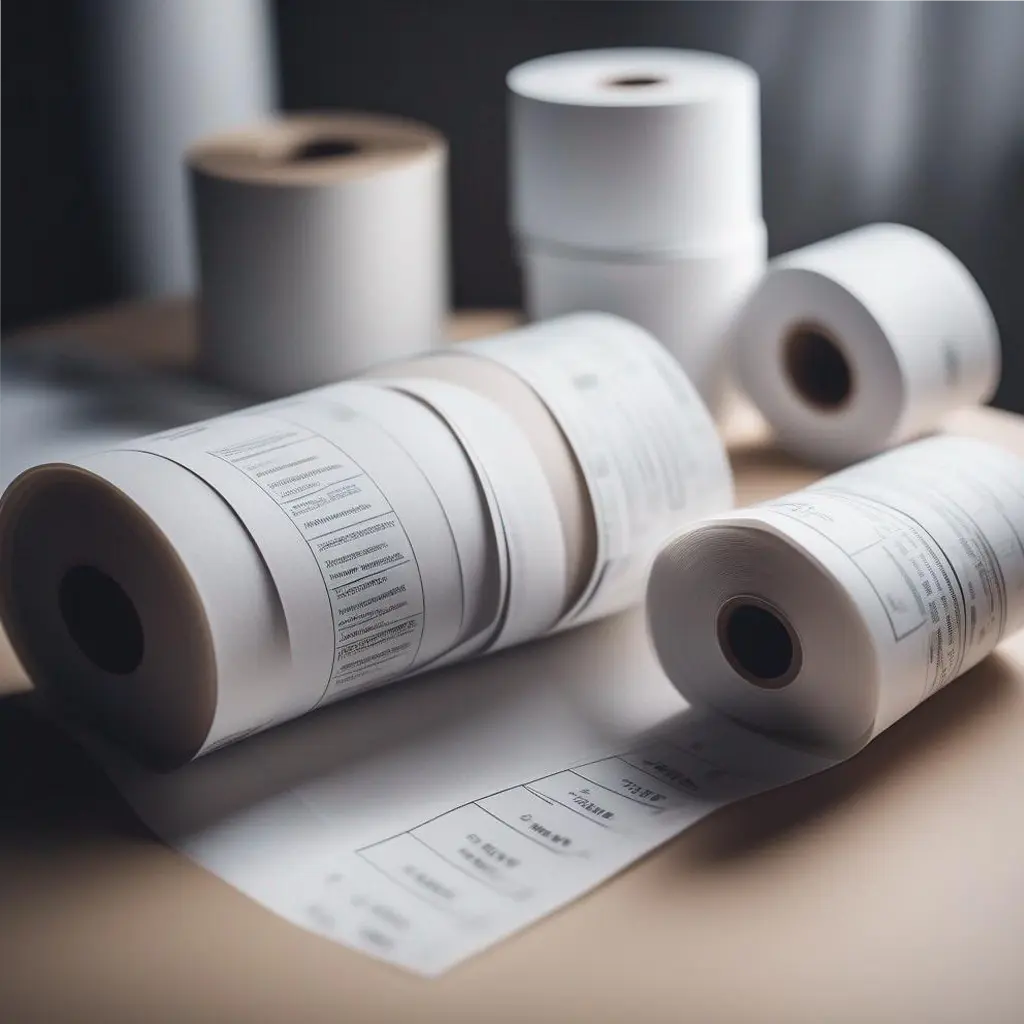
A key feature of eco-friendly thermal paper is its recyclability. In an era where single-use products are scrutinized for their contribution to landfill waste, using recyclable thermal paper is a huge advantage. This type of paper is designed to break down more easily when discarded, reducing the overall impact on the environment. When thermal paper is recyclable, businesses are able to close the loop in their supply chain, ensuring that their products can be reused rather than contributing to unnecessary waste.
Proper disposal of eco-friendly thermal paper also plays a crucial role in reducing environmental harm. Many types of eco-friendly thermal paper are biodegradable, meaning they will naturally decompose over time without leaving harmful residues. This reduces the burden on landfills and mitigates the risk of chemical leaching into soil and water sources.
By adopting recyclable thermal paper, companies can not only minimize their waste production but also align with evolving environmental regulations. Laws around waste management, such as the European Union’s Circular Economy Action Plan, encourage businesses to embrace recyclable materials and promote sustainable disposal practices. Companies that prioritize eco-friendly thermal paper are better positioned to comply with such regulations, avoiding potential fines or legal issues down the line.
Regulatory Compliance: Staying Ahead of the Curve
Businesses today are under increasing pressure to comply with a growing number of environmental regulations. Governments across the world are implementing stricter laws around waste reduction, chemical usage, and recycling, making it essential for companies to adopt sustainable alternatives like eco-friendly thermal paper. Regulatory frameworks like REACH (Registration, Evaluation, Authorisation, and Restriction of Chemicals) and RoHS (Restriction of Hazardous Substances) directly target harmful substances in materials like traditional thermal paper, making compliance with these laws a priority for businesses operating in affected regions.
Switching to BPA-free thermal paper helps businesses meet these regulatory requirements head-on, as the use of BPA in many regions is heavily restricted or banned. By adopting eco-friendly solutions, companies can ensure they remain compliant, avoiding costly penalties or disruptions to their operations.
Furthermore, sustainability regulations are continually evolving, with governments increasingly focusing on reducing the environmental impact of manufacturing and production. Companies that proactively adopt sustainable practices, like using recyclable thermal paper, will find themselves ahead of the curve as these regulations become more stringent.
Consumer Expectations: The Green Marketing Advantage
Beyond regulatory compliance, eco-friendly thermal paper also offers businesses a unique marketing advantage. Today’s consumers are more environmentally conscious than ever, and they increasingly demand that the brands they support reflect their values. Companies that demonstrate a commitment to sustainability can appeal to this growing market, building trust and loyalty with eco-conscious customers.
Switching to eco-friendly thermal paper is a tangible way for businesses to show their commitment to sustainability. Whether it’s receipts, shipping labels, or tracking documents, these everyday materials are visible to consumers, making them a powerful tool for communicating a company’s environmental values. When customers see a business using recyclable or BPA-free thermal paper, it signals that the company cares about more than just profit—it’s taking steps to protect the planet.
Incorporating sustainability into marketing efforts can also open up new business opportunities. More and more, large corporations, especially those in retail, logistics, and healthcare, are prioritizing sustainable partners in their supply chains. By switching to eco-friendly thermal paper, businesses not only attract eco-conscious consumers but also position themselves as attractive partners to companies seeking to enhance their own green credentials.
The Bottom Line: Benefits Beyond Compliance
Eco-friendly thermal paper is much more than a means to comply with environmental regulations—it’s a strategic advantage for businesses looking to reduce their environmental impact, appeal to modern consumers, and future-proof their operations. From responsible sourcing and manufacturing to recycling and disposal, this sustainable solution addresses key environmental concerns while offering practical benefits to businesses.
If your business relies on thermal paper for day-to-day operations, now is the perfect time to make the switch to sustainable options. Not only will you meet regulatory demands, but you’ll also showcase your commitment to the environment, strengthen consumer trust, and position yourself as a forward-thinking, responsible company.
Explore our wide range of eco-friendly thermal paper solutions to find the perfect fit for your business’s needs.
The Cost Implications of Adopting Sustainable Thermal Paper
Switching to sustainable thermal paper, such as BPA-free options, represents an essential shift for many businesses. However, one of the primary concerns for companies looking to adopt more environmentally friendly practices is the cost of making the change. Implementing sustainable solutions often requires an upfront investment, particularly in industries that rely heavily on thermal paper, such as retail, logistics, and healthcare. But what businesses may overlook is that these initial costs can be balanced by significant long-term advantages.
Upfront Costs vs. Long-Term Savings
At first glance, switching to eco-friendly thermal paper may seem like a costly endeavor. BPA-free paper can be slightly more expensive than traditional options due to its safer manufacturing processes and reliance on alternative materials. Moreover, businesses that rely on large-scale printing, such as those issuing thousands of receipts or shipping labels per day, may feel the pinch of this price difference initially.
However, long-term savings are one of the biggest reasons why this shift is worth considering. Eco-friendly thermal paper often results in lower maintenance costs. Traditional thermal printers can be prone to issues related to ink smudging or residue buildup, leading to frequent maintenance and downtime. In contrast, high-quality, eco-friendly thermal paper eliminates these concerns, minimizing the need for repairs and increasing the lifespan of printers. The result is not only savings on machine repairs but also a smoother, more reliable operational process.
Additionally, businesses that switch to sustainable paper avoid the potential costs of fines and penalties associated with non-compliance to environmental regulations. In regions where BPA and other harmful chemicals have been banned, businesses continuing to use traditional thermal paper may face significant financial penalties. These fines, combined with potential legal challenges, can far outweigh the upfront cost of making the switch to BPA-free solutions.
Reducing Environmental Compliance Costs
Another cost-saving benefit comes in the form of reduced environmental compliance costs. As more governments worldwide implement stringent environmental regulations, businesses must adapt to avoid fines, restrictions, or even bans. Companies that proactively switch to eco-friendly thermal paper are positioning themselves to meet existing and future regulations without having to scramble to adapt once stricter laws are in place.
Compliance with environmental laws such as REACH (Registration, Evaluation, Authorisation, and Restriction of Chemicals) or RoHS (Restriction of Hazardous Substances) in Europe is increasingly becoming a requirement for businesses. These laws are designed to reduce the use of harmful chemicals and promote safer manufacturing practices. By adopting BPA-free thermal paper, businesses ensure they stay compliant with current regulations and avoid the unpredictable costs of future changes.
In addition to regulatory compliance, sustainable practices align businesses with environmental goals and policies set by corporations and organizations that prioritize green partnerships. Many large businesses are already requiring their suppliers and partners to meet certain sustainability standards, and using eco-friendly thermal paper can be a simple way to ensure your company meets these requirements.
Consumer Trust and Brand Loyalty
Beyond compliance and operational savings, the shift to sustainable thermal paper can lead to increased consumer trust and brand loyalty. Today’s consumers are more environmentally aware than ever, and businesses that demonstrate a commitment to sustainability are more likely to attract this growing demographic. Companies that use eco-friendly thermal paper can promote this initiative as part of their green marketing strategy, appealing to consumers who prioritize environmentally responsible brands.
Consumers increasingly seek out businesses that align with their values, and choosing a more eco-conscious option like BPA-free thermal paper sends a clear message about your company’s commitment to sustainability. Many businesses have found that these green initiatives result in stronger customer relationships and increased brand loyalty, as customers are more likely to support companies that prioritize eco-friendly practices.
Sustainability has also become a key differentiator in crowded markets. Whether you’re a small business or a large corporation, adopting sustainable thermal paper solutions can be a competitive advantage. It positions your company as forward-thinking, eco-conscious, and adaptable—traits that are increasingly important to both consumers and potential partners.
Balancing Costs with the Right Supplier
While the benefits of switching to sustainable thermal paper are clear, finding the right supplier is crucial to ensuring that the change is both cost-effective and practical. At Stingbull Ribbon, we provide a range of affordable, eco-friendly thermal paper options that balance sustainability with cost-efficiency. Our thermal paper collection is designed to meet the needs of businesses across various industries while helping them transition smoothly to greener solutions.
From BPA-free to recyclable thermal paper, our options offer businesses the opportunity to reduce their carbon footprint without compromising on quality. We also ensure that our products meet industry standards for durability and performance, so companies can enjoy long-lasting results with minimal waste.
If you’re concerned about the costs of transitioning to sustainable thermal paper, consider the long-term savings and advantages it offers—both in terms of regulatory compliance and brand reputation. By working with a supplier like Stingbull Ribbon, you can ensure that your business adopts affordable, eco-friendly solutions without sacrificing the quality of your printing needs.
The Bottom Line
In the end, switching to sustainable thermal paper is about more than just meeting environmental regulations—it’s about building a sustainable future for your business. While there may be upfront costs, the long-term savings, operational benefits, and positive brand impact far outweigh these initial expenses. From reducing compliance costs to attracting eco-conscious consumers, adopting BPA-free and recyclable thermal paper is a smart investment for any business looking to stay ahead in today’s environmentally focused world.
Explore our thermal paper collection today to find affordable, sustainable options that meet your business’s needs.
Technological Innovations and the Future of Thermal Paper
The thermal paper industry is experiencing a significant transformation, driven by both technological advancements and the pressing need for more sustainable solutions. As businesses across various sectors rely heavily on thermal paper for applications like receipts, shipping labels, and logistics tracking, the industry must continue to innovate to meet regulatory demands and consumer expectations. At the same time, the focus is increasingly shifting toward eco-friendly solutions that not only meet the needs of today but also anticipate the demands of the future.
Chemical-Free Printing: The New Frontier
One of the most groundbreaking innovations in thermal paper technology is the development of chemical-free printing methods. Traditional thermal paper relies on chemicals such as Bisphenol A (BPA) or Bisphenol S (BPS) to create the print image, but growing concerns over the environmental and health risks posed by these chemicals have prompted a search for safer alternatives. As a result, manufacturers are now producing BPA-free thermal paper, which uses alternative developers to achieve the same high-quality print without the use of harmful substances.
These chemical-free solutions are not only safer for the environment but also help businesses comply with stricter environmental regulations. For instance, the EU’s REACH regulations and similar directives in other regions are pushing companies to phase out the use of hazardous chemicals in their products. By adopting chemical-free thermal paper, businesses can stay ahead of the regulatory curve while demonstrating their commitment to sustainability.
Biodegradable and Recyclable Thermal Paper
Another major innovation is the development of biodegradable and recyclable thermal paper. As global waste management becomes a top priority, companies are increasingly looking for ways to minimize their environmental footprint. Traditional thermal paper, while widely used, has often been criticized for its inability to break down easily in landfills or be recycled efficiently due to the chemicals used in its production.
In response to these concerns, manufacturers have begun creating thermal paper made from sustainable materials that can be both biodegradable and recycled after use. This new generation of thermal paper decomposes much faster than traditional options, reducing the long-term environmental impact. Moreover, businesses that use recyclable thermal paper can further lower their carbon footprint by participating in closed-loop recycling programs, ensuring that used paper is properly processed and repurposed.
By switching to these eco-friendly alternatives, businesses not only comply with environmental regulations but also appeal to increasingly eco-conscious consumers who are paying more attention to the sustainability of the products they purchase.
Enhanced Performance with Green Technology
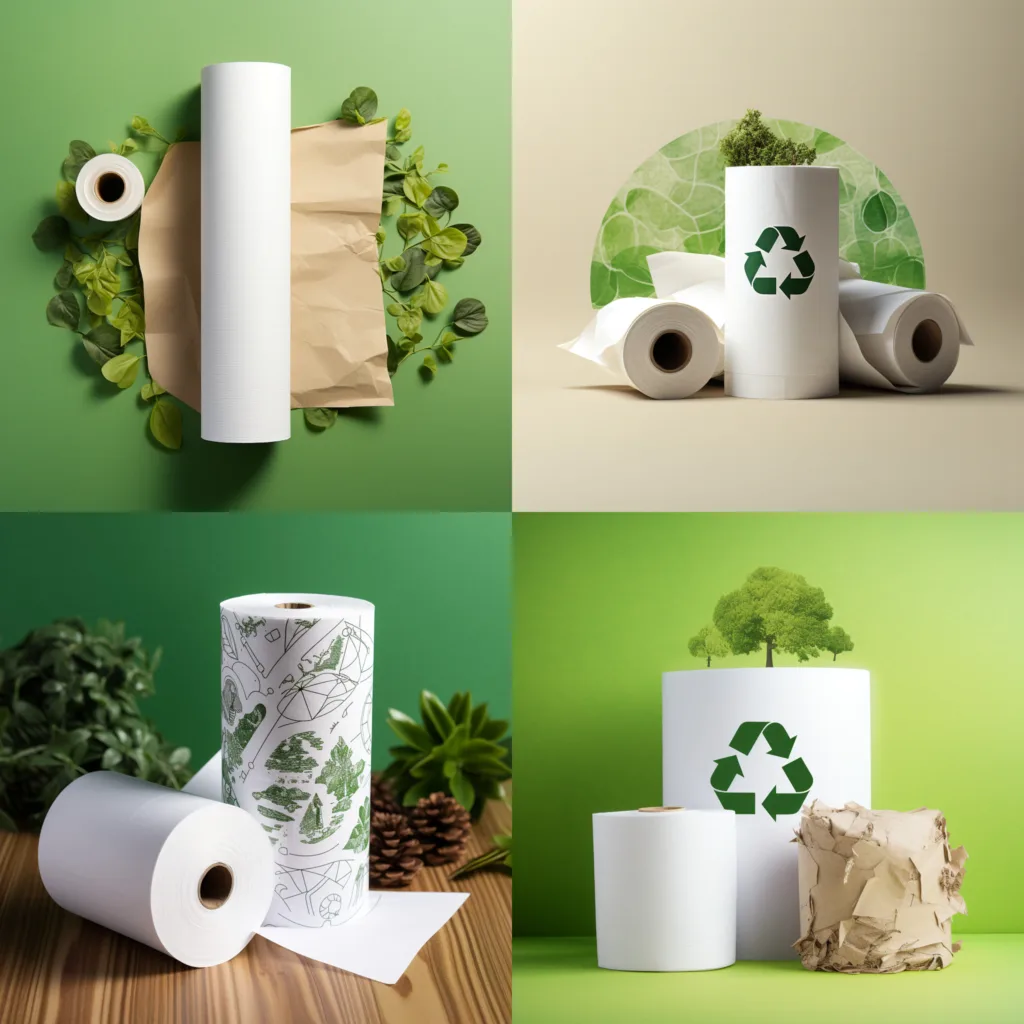
In addition to being more environmentally friendly, green innovations in thermal paper technology are also leading to significant improvements in performance. Chemical-free and recyclable thermal paper now offer enhanced durability, heat resistance, and moisture resistance, making them suitable for a wide range of demanding applications. From point-of-sale systems to logistics and supply chain operations, businesses need thermal paper that can withstand various environmental conditions while still delivering clear, reliable printouts.
For example, thermal paper used in logistics often has to endure long shipping times, fluctuating temperatures, and exposure to moisture. By using the latest green thermal paper, businesses can ensure that their labels and receipts remain legible and intact throughout the entire journey. This level of reliability is critical for maintaining accurate tracking and customer satisfaction.
The Role of Stingbull Ribbon in the Future of Thermal Paper
At Stingbull Ribbon, we are committed to providing our customers with the most advanced thermal paper solutions on the market. We understand the growing need for businesses to adopt more sustainable practices, and we offer a wide range of eco-friendly thermal paper products designed to help companies stay compliant with environmental regulations while maintaining high standards of performance.
Whether you need thermal paper for point-of-sale systems, receipts, shipping labels, or logistics tracking, our selection includes BPA-free, biodegradable, and recyclable options. We have carefully curated our collection to ensure that our customers have access to the latest innovations in thermal paper technology, enabling them to stay ahead of the curve in an increasingly eco-conscious world.
Our products are not only environmentally friendly but also cost-effective and versatile, making them suitable for a wide range of industries. By making the switch to greener thermal paper solutions, your business can contribute to a more sustainable future while enjoying the durability and reliability that our products are known for.
Conclusion: A Greener Future with Thermal Paper
The future of thermal paper is bright, thanks to ongoing innovations that are transforming the industry into a more sustainable and environmentally responsible sector. With chemical-free printing, biodegradable materials, and improved performance, thermal paper is poised to meet the challenges of modern business while significantly reducing its environmental impact.
If you’re looking to make the switch to eco-friendly thermal paper for your business, explore our extensive selection of thermal paper products at Stingbull Ribbon today. We’re here to help you find the perfect solution that aligns with your sustainability goals and regulatory requirements.
Corporate Responsibility and Consumer Demand
It’s clear that customers now care more about the environmental impact of the companies they support. From reducing waste to sourcing materials sustainably, businesses must show their commitment to environmental responsibility.
By embracing sustainable thermal paper, companies can better meet the growing consumer demand for environmentally friendly products while also ensuring compliance with current regulations. Corporate Social Responsibility (CSR) efforts not only build brand loyalty but can also drive higher sales as eco-conscious consumers seek out businesses that align with their values.
When it comes to adopting sustainable practices, choosing the right thermal paper is one small but significant step. If you’re looking to make the switch, browse our collections to find the perfect option for your business.
The Future of Thermal Paper Under Environmental Regulations
As regulations continue to evolve, the demand for sustainable thermal paper will only grow. Companies that fail to adapt may find themselves struggling with both compliance issues and consumer backlash. The key to thriving in this new environment is to stay ahead of regulatory changes and to invest in green innovations that not only benefit the environment but also enhance operational efficiency.
The good news? Thermal paper manufacturers are constantly working on new technologies and eco-friendly solutions to meet the challenges of tomorrow. At Stingbull Ribbon, we’re dedicated to staying at the forefront of this movement, ensuring that our customers have access to the most sustainable, high-quality products available.
In conclusion, whether it’s complying with regulations, meeting consumer demands, or reducing your company’s carbon footprint, sustainable thermal paper is a simple yet effective solution for businesses that want to make a positive environmental impact. Take a step toward sustainability by exploring our full range of thermal paper products today.