
Thermal paper, the unsung hero of modern-day receipts, labels, and tickets, often goes unnoticed until you need it. Have you ever wondered if that roll of thermal paper stashed away in your storage room has an expiration date? Well, let’s unravel the mystery and explore the fascinating world of thermal paper.
The Magic of Thermal Paper
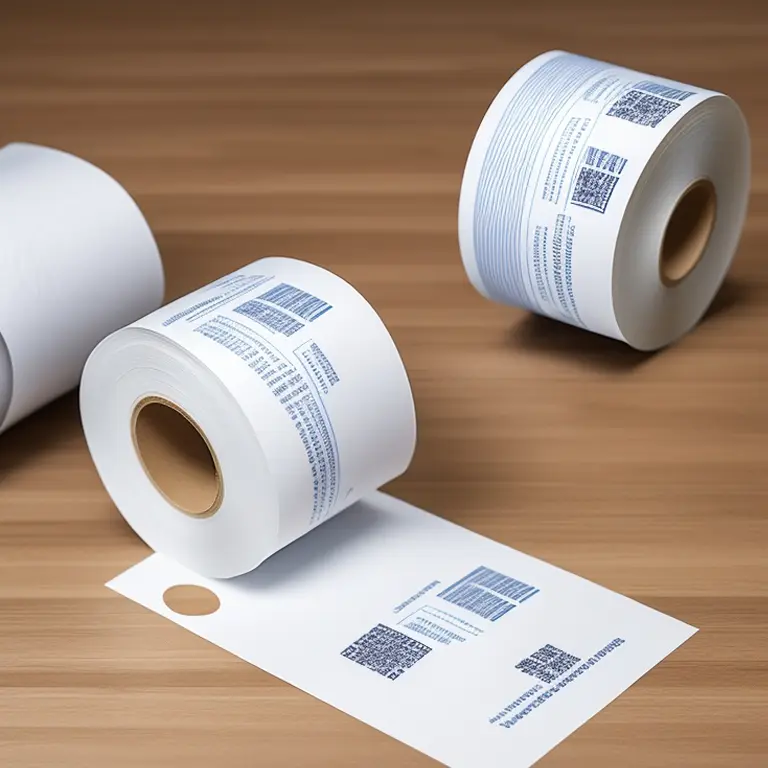
Thermal paper, at first glance, might appear as an ordinary stationery, but it conceals an intriguing secret. Unlike traditional paper, it defies the need for ink or ribbons in the printing process. Instead, it harnesses the power of heat-sensitive chemicals to create text and images. This magical transformation is what makes thermal paper a staple in a variety of everyday technologies.
Imagine a point-of-sale transaction at your favorite coffee shop. As the barista swipes your card, the cash register swiftly prints your receipt. What you might not realize is that behind this seemingly mundane act lies the fascinating mechanism of thermal paper.
The Chemistry Behind Thermal Alchemy
At the heart of thermal paper lies a specialized coating, impregnated with heat-sensitive chemicals. This chemical concoction is engineered to react when exposed to heat, leaving a trace of ink-like substance in its wake. As the printer’s thermal head selectively heats specific areas of the paper, these chemicals spring into action. The result is sharp, crisp text and graphics that emerge right before your eyes.
Applications Beyond Imagination
The applications of thermal paper are incredibly diverse. Thanks to its efficiency and simplicity, it has found a home in a multitude of industries. From the swift issuance of receipts in retail stores to precise labeling in warehouses, thermal paper has become an indispensable tool.
One can’t help but marvel at how this unassuming paper brings efficiency and convenience to our daily lives. Whether you’re jotting down your grocery list or receiving a printed ticket for your favorite event, thermal paper quietly fulfills its role, leaving a trail of thermal magic in its wake.
Eco-Friendly Advantages
While the focus is often on its functionality, thermal paper also carries eco-friendly advantages. Unlike traditional printing methods, it doesn’t rely on ink cartridges or toner, which can be costly and contribute to waste. The absence of these consumables not only saves money but also reduces the environmental footprint, making it a sustainable choice for businesses.
Thermal paper may appear unremarkable, but its contributions to modern life are far from ordinary. Its reliance on heat-sensitive chemicals to produce vibrant prints without the need for ink has revolutionized the world of printing. From small-scale retailers to large-scale industries, the magic of thermal paper continues to make our lives more convenient and efficient.
What’s in Thermal Paper?
The Alchemy of Thermal Paper’s Composition

Before we venture into the intriguing realm of thermal paper’s expiration, it’s crucial to unravel the intricate layers that compose this remarkable innovation. Thermal paper boasts a multi-faceted structure that ensures its functionality and resilience, featuring three fundamental layers:
- Thermal Coating: Imagine this layer as the heart of thermal paper, where the enchantment unfolds. Within its depths reside heat-sensitive chemicals, akin to the hidden secrets of an ancient scroll. When exposed to heat, these chemical compounds perform a symphony of reactions, darkening with precision to unveil text and images. This layer is the architect of thermal paper’s magical transformation, orchestrating the metamorphosis from a blank canvas to a vessel of information.
- Base Paper: If the thermal coating is the conductor of this symphony, the base paper serves as the stage upon which the performance unfolds. This layer provides the sturdy underpinning for the thermal coating, akin to a strong foundation supporting a majestic structure. Its role is to ensure stability, allowing for the intricate chemical reactions above to occur with precision, resulting in prints of unparalleled accuracy and clarity.
- Overcoat: Much like a guardian’s armor, the overcoat envelops the thermal layer, shielding it from potential adversities posed by the environment. This extra layer acts as a sentinel, protecting the printed text or images from the relentless forces of moisture, light, and other environmental elements that could otherwise compromise their brilliance. It serves as a vital component in extending the life and vibrancy of thermal paper’s creations.
The Eternal Question – Does Thermal Paper Expire?
Now that we’ve delved into the depths of thermal paper’s composition, we return to the enigmatic query – does thermal paper possess an expiration date? The answer isn’t a simple “yes” or “no.” It’s an intricate dance between the quality of its components and the conditions in which it’s stored.
In essence, while thermal paper doesn’t come with a fixed expiration date, its longevity is influenced by various factors, chiefly storage conditions and handling. Much like a rare artifact, careful preservation can extend its life, preserving its enchanting capabilities for years to come.
Every layer of thermal paper contributes to the intriguing story of its lifespan, ensuring that the chemistry of the thermal coating, the reliability of the base paper, and the protective embrace of the overcoat harmonize to maintain the magic of this remarkable invention. Understanding this intricate symphony of components is the key to unlocking the enduring allure of thermal paper.
The Shelf Life of Thermal Paper
As we embark on our exploration of thermal paper’s longevity, it’s vital to remember that it doesn’t bear an explicit “expiration date” like a carton of milk. Instead, its durability is influenced by a web of intriguing factors, creating a narrative that’s nothing short of captivating.
Factors That Dance with Thermal Paper’s Longevity
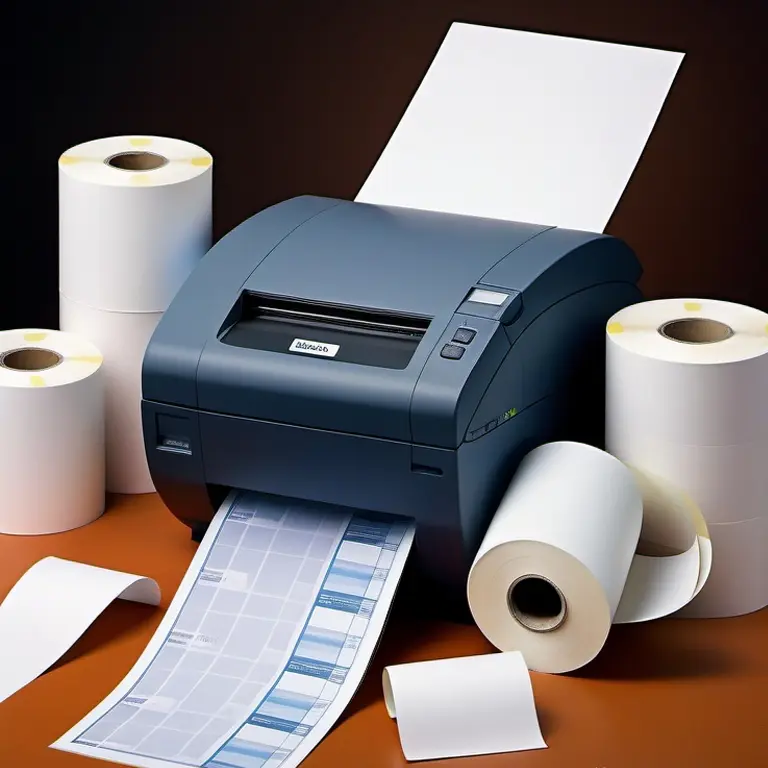
- Storage Conditions – The Silent Sentinel: Picture this – you’ve got a roll of thermal paper sitting in a neglected corner of a sweltering storage room. The heat and humidity gradually weave their spell on the paper. Here’s where storage conditions play their critical role. Exposure to excessive heat, humidity, or direct sunlight is like subjecting thermal paper to an endurance test. The thermal coating, sensitive to the environment, may begin to deteriorate, and the paper’s structural integrity could weaken. This could lead to faded, blurry prints, or even worse, making the paper practically unusable. So, whether you’re storing a spare roll at home or stocking up in a warehouse, the message is clear: protect your thermal paper like a prized treasure.
- Chemical Reactions – The Alchemical Dance: Within the mysterious heart of thermal paper lies the thermal coating, housing those heat-sensitive chemicals. Over time, these chemicals can undergo subtle yet impactful changes. Gradual deterioration can affect their responsiveness to heat, leading to prints that are less clear and legible. This underscores the importance of proper storage, where the thermal paper can rest peacefully, its chemistry preserved like a valuable manuscript.
- Print Density – Striking the Balance: If you’re wielding a thermal printer, the choices you make can also impact the paper’s lifespan. The print density, or the intensity of the print, is a factor to consider. High-density prints might seem impressive, but they can cause the thermal paper to darken prematurely. This could potentially shorten its usable life. So, striking the right balance in print density is like finding the sweet spot, ensuring that your thermal paper remains vibrant for a more extended period.
- Abrasion – Handle with Care: Handling thermal paper with the grace and care you’d afford to a fragile artifact is advisable. Rough treatment, whether intentional or accidental, can lead to abrasion of the thermal coating. Over time, this abrasion could render the coating less effective, resulting in less vibrant prints. The lesson here is simple: treat your thermal paper with the gentleness it deserves.
The shelf life of thermal paper isn’t a static concept. It’s a dynamic interplay of factors that can extend or limit its usability. The narrative of thermal paper’s lifespan is a testament to the intriguing relationship between science, storage, and handling. Understanding these factors allows us to unlock the potential of thermal paper, ensuring that it continues to serve us with clarity and precision.
Prolonging the Life of Thermal Paper
As we embark on our exploration of thermal paper’s longevity, it’s vital to remember that it doesn’t bear an explicit “expiration date” like a carton of milk. Instead, its durability is influenced by a web of intriguing factors, creating a narrative that’s nothing short of captivating.
Factors That Dance with Thermal Paper’s Longevity
- Storage Conditions – The Silent Sentinel: Picture this – you’ve got a roll of thermal paper sitting in a neglected corner of a sweltering storage room. The heat and humidity gradually weave their spell on the paper. Here’s where storage conditions play their critical role. Exposure to excessive heat, humidity, or direct sunlight is like subjecting thermal paper to an endurance test. The thermal coating, sensitive to the environment, may begin to deteriorate, and the paper’s structural integrity could weaken. This could lead to faded, blurry prints, or even worse, making the paper practically unusable. So, whether you’re storing a spare roll at home or stocking up in a warehouse, the message is clear: protect your thermal paper like a prized treasure.
- Chemical Reactions – The Alchemical Dance: Within the mysterious heart of thermal paper lies the thermal coating, housing those heat-sensitive chemicals. Over time, these chemicals can undergo subtle yet impactful changes. Gradual deterioration can affect their responsiveness to heat, leading to prints that are less clear and legible. This underscores the importance of proper storage, where the thermal paper can rest peacefully, its chemistry preserved like a valuable manuscript.
- Print Density – Striking the Balance: If you’re wielding a thermal printer, the choices you make can also impact the paper’s lifespan. The print density, or the intensity of the print, is a factor to consider. High-density prints might seem impressive, but they can cause the thermal paper to darken prematurely. This could potentially shorten its usable life. So, striking the right balance in print density is like finding the sweet spot, ensuring that your thermal paper remains vibrant for a more extended period.
- Abrasion – Handle with Care: Handling thermal paper with the grace and care you’d afford to a fragile artifact is advisable. Rough treatment, whether intentional or accidental, can lead to abrasion of the thermal coating. Over time, this abrasion could render the coating less effective, resulting in less vibrant prints. The lesson here is simple: treat your thermal paper with the gentleness it deserves.
The shelf life of thermal paper isn’t a static concept. It’s a dynamic interplay of factors that can extend or limit its usability. The narrative of thermal paper’s lifespan is a testament to the intriguing relationship between science, storage, and handling. Understanding these factors allows us to unlock the potential of thermal paper, ensuring that it continues to serve us with clarity and precision.

The Consequences of Using Expired Thermal Paper
Let’s delve deeper into the realm of expired thermal paper to understand the potential consequences it can entail. It’s a tale of frustration and disappointment, particularly in environments where the preservation of receipts or labels is not just a convenience but a necessity.
Faded, Illegible Prints – The Silent Disappointment: When thermal paper exceeds its lifespan, it starts to betray its magic. The once sharp and vibrant prints gradually lose their luster. The telltale signs of expiration become evident as the text and images emerge faint, blurred, and barely legible. It’s like reading a message written in disappearing ink, and it can leave you struggling to decipher the contents. This is particularly exasperating when you rely on these prints for essential information, whether it’s a transaction record, shipping label, or medical report.
Complete Failure – The Ultimate Frustration: The worst-case scenario with expired thermal paper is a complete breakdown. When pushed past its limits, the thermal coating’s heat-sensitive chemicals lose their ability to react effectively. As a result, the paper fails to produce any images or text at all. It’s as if the printer is whispering, “I have nothing more to give.” In situations where time-sensitive documentation is vital, such as a legal contract, a prescription, or a crucial shipping label, the consequences of such a failure can be dire. This isn’t just a disappointment; it’s a potentially costly and chaotic setback.
Legal and Archival Challenges – The Weight of Responsibility: In various professional settings, the proper retention and legibility of documents are essential, whether it’s for regulatory compliance, legal purposes, or historical archives. Expired thermal paper’s fading or complete failure to produce clear prints can pose significant challenges. It might lead to non-compliance with document retention regulations or even result in disputes and legal complications. Archival records that become illegible are akin to lost chapters in the annals of history, rendering them virtually useless.
In essence, the consequences of using expired thermal paper are far from trivial. They extend beyond mere inconvenience and can encompass issues of legality, compliance, and information preservation. The lesson here is clear: in environments where the integrity of printed content is paramount, the vigilance to monitor and replace thermal paper is a responsibility not to be underestimated.
Where to Find Quality Thermal Paper
Now that you’re armed with the knowledge of thermal paper’s longevity and how to extend it, you might be wondering where to find quality thermal paper. At StingBullRibbon, we offer a wide range of thermal paper products from top brands, ensuring you get the best for your needs.
In conclusion, while thermal paper doesn’t have a set expiration date, it can indeed deteriorate over time due to various factors. Proper storage and handling are key to maximizing its lifespan. So, the next time you reach for that roll of thermal paper, you’ll know exactly how to make the most of it.