
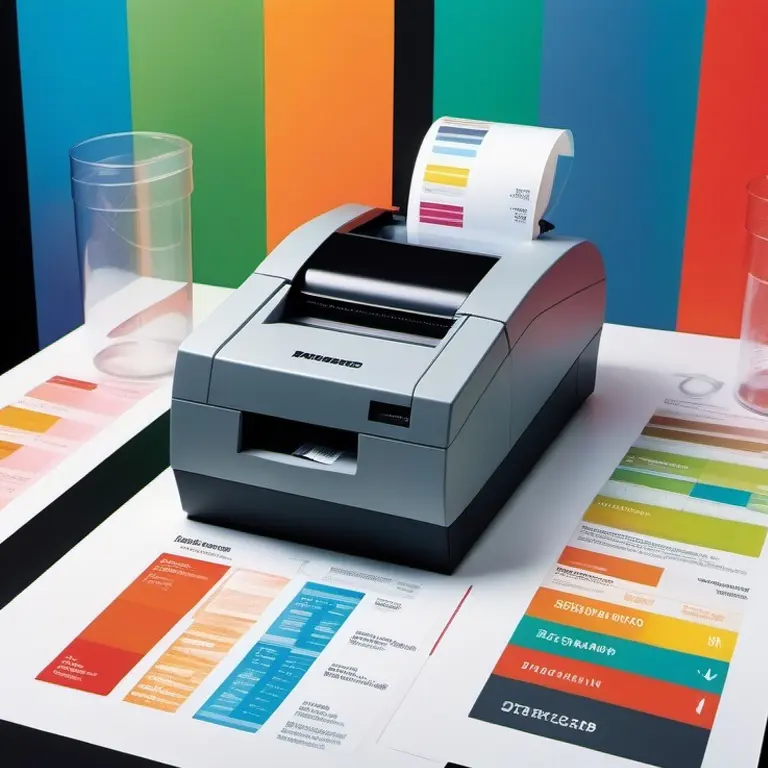
When it comes to thermal printers, the world of printing is known for its unique processes. These printers are renowned for their efficiency in creating everything from crisp receipts to shipping labels. But have you ever wondered if you could use regular paper in a thermal printer? Let’s delve into this intriguing question.
Understanding Thermal Printers
Before we delve into the world of paper compatibility, it’s essential to grasp the nuances of thermal printers. These remarkable machines are the unsung heroes of the printing world, and they come in two primary variations: direct thermal and thermal transfer printers. Let’s uncover the intricacies of each:
1. Direct Thermal Printers: The Elegance of Simplicity
Direct thermal printers are a marvel of simplicity and efficiency. They operate on a fundamental principle – the direct application of heat. When you send a print job to a direct thermal printer, the magic begins. The printer’s pivotal component, the print head, contains an array of tiny heating elements. These elements, akin to an orchestra of precise instruments, selectively activate with remarkable accuracy as the print head glides across the thermal paper. The result? Images and text materialize as the paper’s heat-sensitive coating darkens in response to the heat. This technique is perfect for applications like printing receipts. It’s efficient, cost-effective, and produces legible prints swiftly.
2. Thermal Transfer Printers: Where Durability Meets Precision
Thermal transfer printers, on the other hand, follow a slightly different symphony. They also use heat but combine it with ink transfer. These printers utilize a ribbon with ink, and the heat triggers the transfer of ink onto the paper. The resulting prints are not only precise but exceptionally durable. This makes thermal transfer printers the preferred choice for applications that demand long-lasting, high-quality labels, such as barcode printing. The use of ribbons in thermal transfer printing provides a level of versatility that’s hard to match, enabling the creation of detailed, durable labels that can withstand a range of environmental conditions.
The Diverse Applications of Thermal Printing
Both direct thermal and thermal transfer printers have their unique strengths, making them suitable for a wide array of applications. Direct thermal printing shines when you need efficient, cost-effective, and legible prints swiftly, making it a common choice for applications like receipt printing. In contrast, thermal transfer printing steps in when durability, precision, and longevity are paramount, making it an ideal choice for barcode labels that need to withstand the test of time.
Thermal printers are precision instruments, orchestrating a symphony of heat and control. Whether you choose direct thermal or thermal transfer, these printers seamlessly transform digital data into tangible, printed reality, each with its unique forte in the world of printing technology. Now that we’ve explored the essence of thermal printers, let’s dive into the compatibility of regular paper with these specialized machines.
Can You Use Regular Paper?
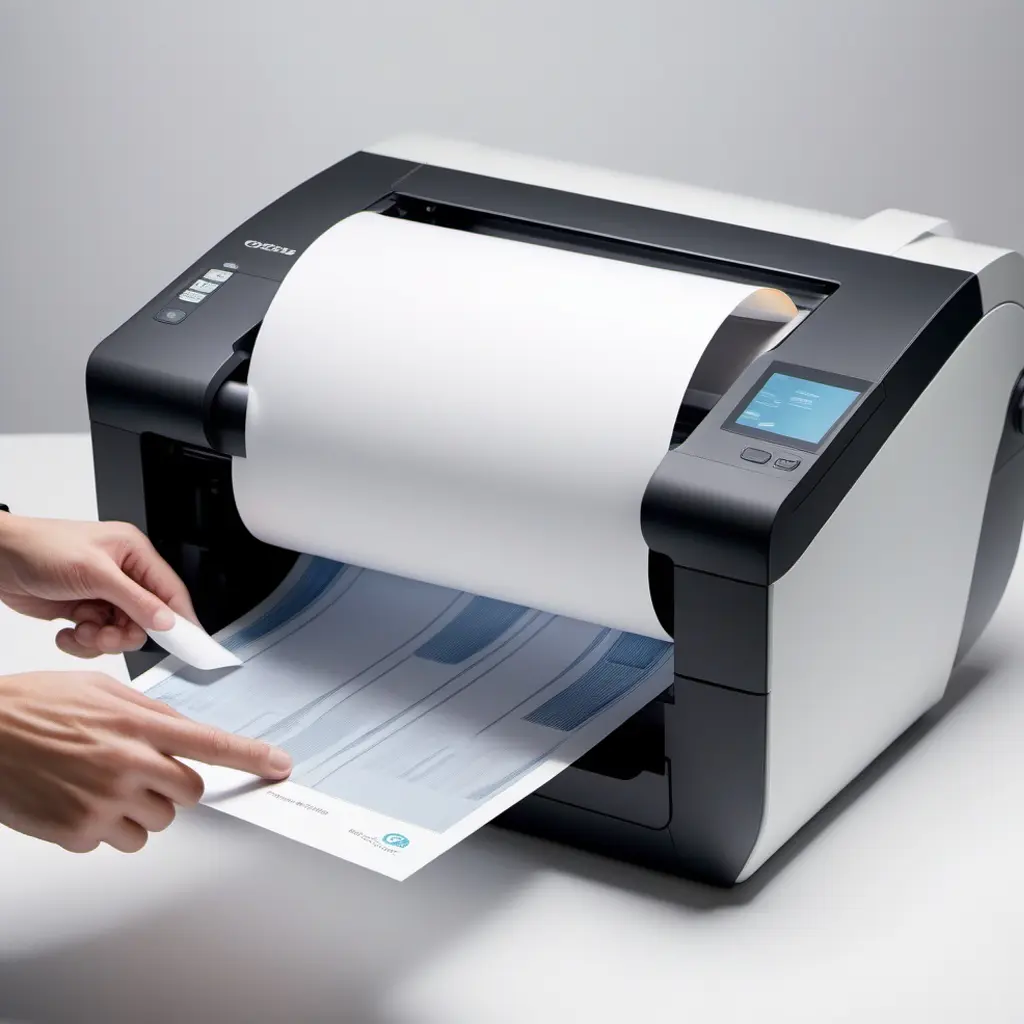
Thermal printers are designed to work with a specific type of paper, aptly named thermal paper. This paper is coated with a special chemical that reacts to heat, producing the images or text you see on the paper.
So, can you use regular paper instead? In short, not quite. Here’s why:
- Print Quality: Using regular paper in a thermal printer can lead to subpar print quality. Since regular paper lacks the specialized coating, the heat may not create the sharp, clear images thermal paper provides.
- Durability: Thermal paper is designed to withstand environmental factors like heat and light. Regular paper might not have the same durability, which could lead to print deterioration over time.
- Printer Damage: Constantly using regular paper can take a toll on your thermal printer. The lack of the protective coating can cause more friction on the printhead, potentially leading to faster wear and tear.
Potential Problems and Challenges
Using regular paper in a thermal printer can introduce several challenges, including:
“Using regular paper can compromise the longevity and efficiency of your thermal printer. It’s like trying to fit a square peg into a round hole.” – Sting Bull Ribbon
Potential Pitfalls of Using Regular Paper in a Thermal Printer
Every endeavor has its share of challenges, and the quest for substituting regular paper in a thermal printer is no exception. Dive deeper into the potential problems and hurdles one might encounter in this attempt.
1. The Vanishing Act: Print Fading
Picture the output from your thermal printer—crisp, clear, and vital for conveying information. Now, imagine it slowly fading into obscurity. That’s the risk when regular paper replaces the specialized thermal paper. The absence of a heat-reactive coating means that the prints are not fortified against the relentless passage of time. They gradually fade, compromising legibility and the information they convey.
2. The Printhead Predicament: Overheating Threat
Let’s venture inside the thermal printer, where the printhead is the star of the show. With specialized thermal paper, it elegantly glides, generating friction that’s optimized for efficiency. However, introduce regular paper, and the performance ballet takes a wrong turn. The absence of a heat-reactive coating introduces additional friction, potentially causing the printhead to overheat. Over time, this can lead to diminished performance, hampering the printer’s efficiency.
3. The Ink Ribbon’s Dilemma: Compatibility Conundrum
Now, shift your focus to a thermal transfer printer, a variant reliant on an ink ribbon to perform its magic. Regular paper, while it may seem like a suitable candidate, can pose a substantial threat. Over time, the lack of the specialized coating on regular paper can harm the ink ribbon, leading to the deterioration of print quality and potentially causing operational issues.
These visualized scenarios offer a clear understanding of the challenges introduced by the use of regular paper in thermal printers. From print fading and printhead overheating to ink ribbon woes, the potential pitfalls become evident. It’s like attempting to sail against the tide—a strenuous endeavor with uncertain outcomes.

The Environment and Sustainability
In the quest to weigh the merits of using regular paper in thermal printers, one cannot ignore the looming concern for our environment. Thermal paper, though a technological marvel for its inkless convenience, has cast a shadow over its ecological footprint, bringing two prominent issues to the forefront: recyclability and the presence of Bisphenol A (BPA).
1. Recyclability Quandary
Thermal paper’s Achilles’ heel is its recyclability—or the lack thereof. While it’s a consummate choice for producing an array of prints, from receipts to labels, the disposition of used thermal paper is a puzzle. The unique heat-reactive coating that makes it perfect for printing also renders it a misfit in traditional recycling systems. This has led to thermal paper being largely relegated to landfills, contributing to our growing waste concerns.
2. The BPA Predicament
Bisphenol A (BPA), an industrial chemical with documented health concerns, has found its way into the discourse around thermal paper. It’s a component of the heat-reactive coating and is a potential cause for concern. Thermal paper has come under scrutiny due to the possibility of BPA transferring to our hands upon handling receipts. Its ecological and health impact raises legitimate questions about the sustainability of using thermal paper.
3. Exploring Sustainable Alternatives
For those with a vested interest in environmental sustainability, there are options to explore. Eco-friendly alternatives like GreenPrint Thermal Paper have emerged, designed to mitigate the ecological impacts of thermal paper. These alternatives aim to address the recyclability issue and reduce or eliminate the use of BPA, offering a more sustainable choice for those who value both convenience and environmental responsibility.
In the context of the environment and sustainability, the choice between regular paper and thermal paper takes on a multifaceted character. The convenience of thermal paper must be weighed against its impact on recycling systems and the potential presence of BPA. While challenges persist, the emergence of sustainable alternatives signals a promising step towards a more eco-conscious future in the realm of printing technology. It’s a call to action for those who seek the harmonious coexistence of innovation and sustainability.
Conclusion
In the end, it’s clear that thermal printers are optimized to work with thermal paper. While you can technically use regular paper, it’s not recommended due to the potential issues with print quality, durability, and printer longevity. To maintain efficiency and the quality of your prints, it’s best to stick with the intended thermal paper.
Remember, the right tools for the job can make all the difference, and that includes using the right paper in your thermal printer.