
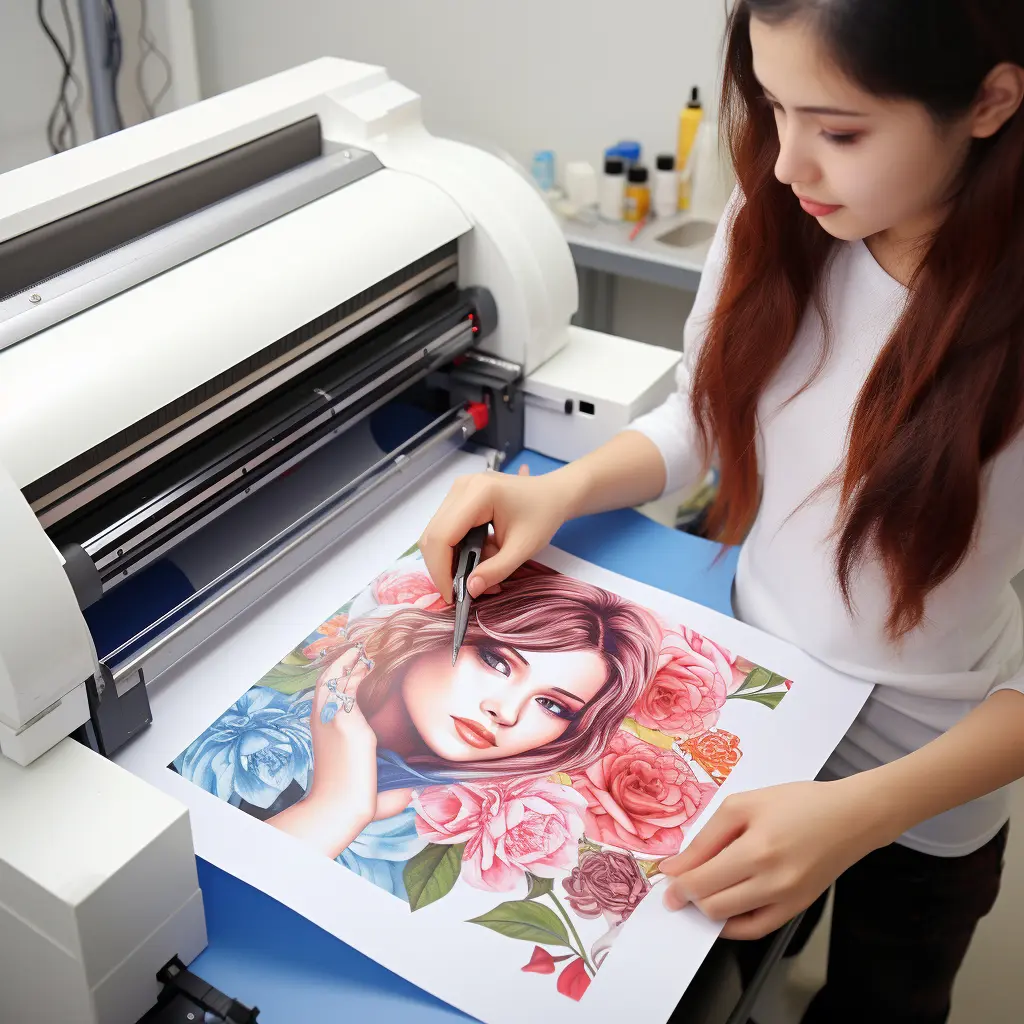
In the world of printing and documentation, thermal paper stands out as a unique player. Known for its heat-sensitive coating, it’s commonly used in devices like cash registers, credit card machines, and more to produce receipts and labels. But can you print on thermal paper? Let’s explore the possibilities and challenges of this distinctive paper.
Understanding Thermal Paper
Thermal paper, often seen in everyday applications like cash register receipts and credit card transaction printouts, possesses a remarkable quality that sets it apart from standard paper. Its fascinating properties revolve around a heat-sensitive coating. This special coating contains microcapsules filled with a colorless compound, like leuco dyes, and a developer chemical.
The magic begins when heat is applied to the thermal paper. In the context of a receipt being printed, tiny heated pins in a thermal printer come into play. As these pins touch the paper, they generate precise heat patterns, causing the microcapsules to react. The developer chemical in the capsules triggers a chemical reaction, resulting in a change of color. This change produces the text, images, or graphics that you see on the paper.
The absence of traditional ink or toner is what makes thermal paper particularly efficient for receipt printing. Its simplicity, speed, and cost-effectiveness have made it a popular choice in various industries.
However, the heat-sensitive nature of thermal paper also means it requires careful handling and storage to preserve the integrity of the printed content. Exposure to excessive heat or sunlight can lead to unintended color changes and text fading, which is something to keep in mind when considering printing on thermal paper.
The Challenges of Printing on Thermal Paper
Printing on thermal paper indeed presents some unique challenges due to its heat-sensitive nature. Here, we’ll explore these challenges in more detail:
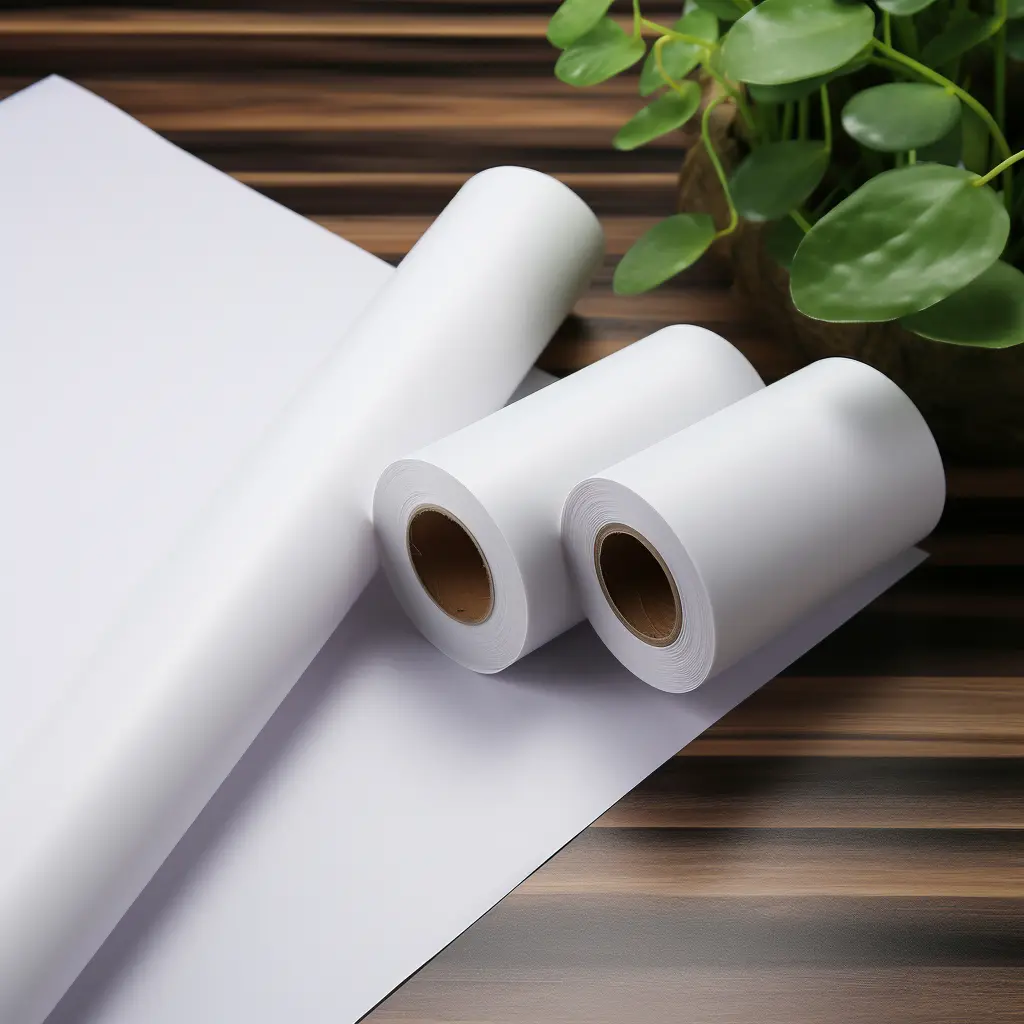
- Heat Sensitivity: Thermal paper is designed to react to heat, which is how it creates printed content. However, this same sensitivity can become a drawback when additional printing is involved. Traditional printing methods, like laser or inkjet, generate heat that can unintentionally trigger the thermal paper’s color-changing properties. As a result, the printed content may become distorted or discolored.
- Text Legibility: Achieving optimal text legibility on thermal paper when using other printing methods can be problematic. If not done carefully, the text might appear faded, blurred, or even rendered unreadable, affecting the quality and usability of the document.
- Longevity: Another challenge is the longevity of the printed content. Over time, the heat-reactive characteristics of thermal paper may lead to gradual fading of the print, potentially causing critical information to become illegible.
- Printhead Damage: When attempting to print on thermal paper with traditional printing equipment, there is a risk of damaging the printheads. The heat generated by the printheads can transfer to the thermal paper, causing harm to both the paper and the printer itself.
- Color Variations: Thermal paper is typically available in white or off-white, limiting the scope for colorful printing. It may not be suitable for applications requiring high-quality color graphics.
To overcome these challenges, it’s important to use the right equipment and techniques. If additional printing is necessary on thermal paper, consider using thermal transfer printing, a method that’s compatible with thermal paper and doesn’t expose it to excessive heat. Thermal transfer printers use a thermal print head to transfer ink onto the paper, ensuring text and graphics remain clear and legible.
Understanding these challenges is crucial for anyone looking to print on thermal paper, as it helps in making informed decisions about the equipment and methods to use.
Printing Methods for Thermal Paper
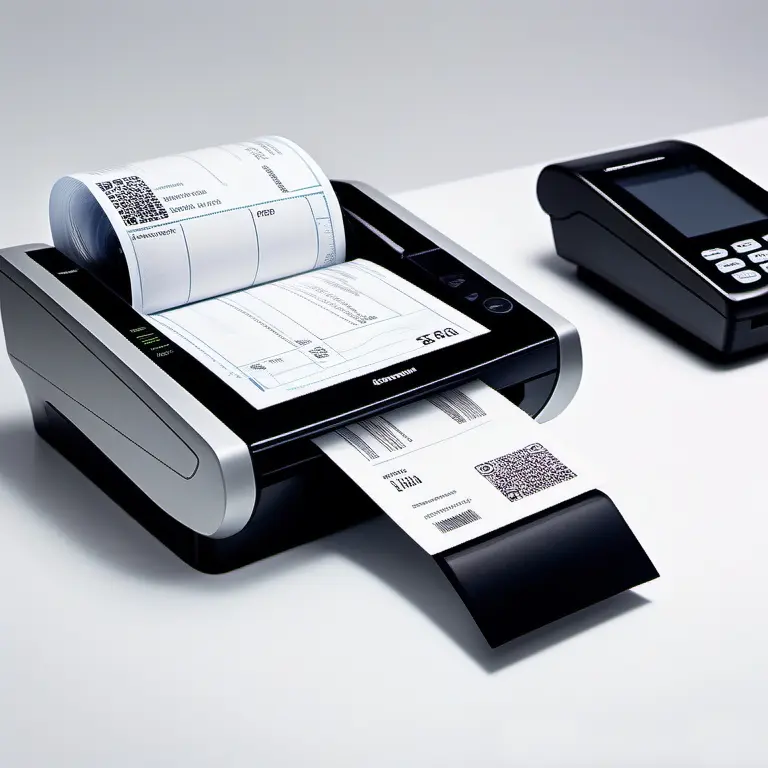
When it comes to printing on thermal paper, there are two primary methods, each with its unique features:
1. Direct Thermal Printing: Direct thermal printing is the most common and efficient method for producing content on thermal paper. Here’s how it works:
- Thermal Print Head: In this process, a thermal print head is used. This print head contains numerous tiny heating elements.
- Heat Activation: When the print head comes into contact with the thermal paper, these heating elements apply direct heat to the paper’s surface.
- Color Change: The paper is specially coated with heat-sensitive chemicals. When these chemicals are exposed to heat, they undergo a color change, typically turning dark, and create the desired content, such as text, images, or barcodes.
- Inkless Printing: One of the key advantages of direct thermal printing is that it’s an inkless method. It doesn’t require traditional ink or toner, which reduces operational costs and maintenance.
Direct thermal printing is widely used for applications like point-of-sale receipts, shipping labels, and tickets due to its simplicity and cost-effectiveness. However, it’s important to note that the print quality and longevity of direct thermal prints might not be suitable for long-term document storage.
2. Thermal Transfer Printing: While less common for thermal paper, thermal transfer printing offers an alternative method that uses a ribbon to transfer ink onto the paper. Here’s how it differs from direct thermal printing:
- Thermal Ribbon: Instead of applying direct heat to the paper, thermal transfer printing employs a thermal ribbon. This ribbon is usually made of wax, resin, or a combination of both and contains the ink required for printing.
- Transfer Process: The thermal ribbon passes over the thermal print head, where it is heated. This heat transfers the ink onto the thermal paper, creating the printed content.
- Enhanced Durability: Thermal transfer printing is known for producing more durable and long-lasting prints compared to direct thermal printing. The ink adheres better to the paper, making it resistant to fading and environmental factors.
Thermal transfer printing is often preferred for applications where print quality and longevity are critical, such as product labels, barcodes on packaging, and asset tags.
Ultimately, the choice between direct thermal and thermal transfer printing depends on the specific needs of the application, including factors like print quality, durability, and cost considerations. Understanding these methods enables businesses to make informed decisions about their thermal paper printing requirements.
Tips for Successful Printing on Thermal Paper

Successful printing on thermal paper requires attention to detail and careful consideration of several factors. Here are some valuable tips to ensure your printing goes smoothly:
1. Temperature Control:
- Many thermal printers come with adjustable temperature settings. It’s crucial to understand how these settings work and how they impact the printing process.
- Different types of thermal paper may have varying heat sensitivity. Therefore, knowing the specific requirements of your thermal paper is essential.
- Use the temperature control settings to fine-tune the heat applied to the paper. Avoid excessive heat, which can lead to text fading, discoloration, or other issues.
- Striking the right balance between temperature and print quality is key. It’s a good practice to start with lower settings and gradually increase the temperature until you achieve the desired print quality without overheating the paper.
2. Print Speed Adjustment:
- Some thermal printers also allow you to adjust the print speed. This can be a critical factor in minimizing heat exposure.
- Slower print speeds reduce the amount of time the print head is in contact with the paper. This can help prevent overheating and ensure the paper’s longevity.
- Experiment with different print speeds to find the optimal setting for your specific thermal paper type and printing requirements.
3. Conduct Test Runs:
- Before committing to printing important documents, it’s advisable to conduct test runs on a small portion of thermal paper.
- Testing helps you evaluate the chosen temperature and print speed settings. It ensures that the quality of the printed content meets your expectations.
- By starting with test runs, you can make adjustments and refinements without wasting valuable thermal paper or jeopardizing the legibility of essential documents.
By following these tips, you can optimize the printing process on thermal paper, whether you’re creating receipts, labels, tickets, or any other heat-sensitive documents. Remember that the key to success is understanding the characteristics of your thermal paper, having control over your printer’s settings, and testing to achieve the best results.
Can You Print on Thermal Paper at Home?
Printing on thermal paper at home can be a practical solution for various needs, such as printing labels, receipts, or tickets. Here’s a closer look at the considerations and possibilities:
Home Printers and Thermal Paper:
- Many home printers are equipped to handle thermal paper, particularly those with adjustable settings. These settings can include temperature and print speed control, allowing users to fine-tune the printing process to suit their specific requirements.
- When using thermal paper, it’s essential to understand that this paper type is heat-sensitive. The thermal coating on the paper reacts to heat by changing color. To produce clear and legible prints, it’s crucial to control the heat application precisely.
Experimenting with Settings:
- Printing on thermal paper at home might involve some trial and error. Experimenting with different settings can help you find the right balance between image quality and heat application.
- Start by using lower heat settings and gradually increase them while assessing the print quality. The goal is to produce sharp prints without overheating the paper, which can lead to fading or other issues.
Document Types:
- Home printing on thermal paper is suitable for various document types, including labels, receipts, and tickets. It’s a cost-effective and convenient way to create these items without the need for specialized equipment.
Usage Scenarios:
- Some common scenarios for home printing on thermal paper include labeling homemade products, printing shipping labels, generating name tags, or producing event tickets.
- Home-based businesses, crafters, and individuals who require occasional thermal paper printing can benefit from the versatility of using their home printer.
While it’s possible to print on thermal paper at home, it’s important to recognize that not all home printers may offer the necessary settings for precise control over heat application. If you frequently require high-volume or commercial-grade thermal paper printing, investing in a dedicated thermal printer may be more suitable. However, for basic thermal paper printing needs, adjusting your home printer’s settings and conducting some experimentation can yield satisfactory results.
Commercial and Industrial Applications
Commercial and Industrial Applications of Thermal Paper

Thermal paper plays a pivotal role in various commercial and industrial applications, offering a reliable and cost-effective solution for a wide range of documentation needs. Let’s delve into some of the specific use cases:
1. Retail and Point of Sale (POS):
- Receipts: One of the most common applications of thermal paper is in point-of-sale systems at retail stores, restaurants, and various businesses. Thermal paper is used to print customer receipts quickly and efficiently.
- Labels: Thermal labels are utilized for pricing, barcoding, and inventory management, making it easier for businesses to keep track of products and sales.
2. Healthcare:
- Medical Records: In healthcare settings, thermal paper is used for printing medical records, patient identification bands, and labels for medications and specimens. Its durability and legibility are crucial in this field.
3. Logistics and Warehousing:
- Shipping Labels: Thermal labels help logistics and warehousing companies generate shipping labels for packages. These labels are known for their smudge-free and durable prints, ensuring that important shipping information remains intact.
4. Manufacturing and Inventory Management:
- Barcodes: Thermal printers are employed for producing barcodes that streamline inventory management and tracking in manufacturing facilities and warehouses.
5. Hospitality:
- Event Tickets: In the hospitality industry, thermal paper is used for creating event tickets. Its speed and efficiency are essential for handling large crowds at venues like concerts, sports events, and theaters.
6. Public Transportation:
- Transport Tickets: Public transportation systems often rely on thermal paper for printing tickets and receipts. The instant printing capability of thermal printers ensures smooth operations during peak hours.
7. Banking and Financial Institutions:
- ATM Receipts: Thermal paper is used in ATMs to print transaction receipts. The paper’s ability to provide instant prints is especially valuable in the banking sector.
8. Libraries:
- Due Date Slips: Libraries use thermal paper for generating due date slips for borrowed books. The legible and fade-resistant prints help patrons keep track of their returns.
9. Manufacturing and Packaging:
- Product Labels: Manufacturers use thermal labels for branding and product labeling. The quality and durability of thermal prints are essential for product identification.
10. Restaurants:
- Order Tickets: In restaurants and food service establishments, thermal paper is used to print order tickets, ensuring accurate and quick food preparation.
In these commercial and industrial settings, thermal paper stands out for its quick printing capabilities and cost-efficiency. Its resistance to smudging, fading, and moisture makes it an ideal choice for creating durable documentation. As businesses continue to rely on streamlined operations, thermal paper remains a valuable tool for their daily processes.
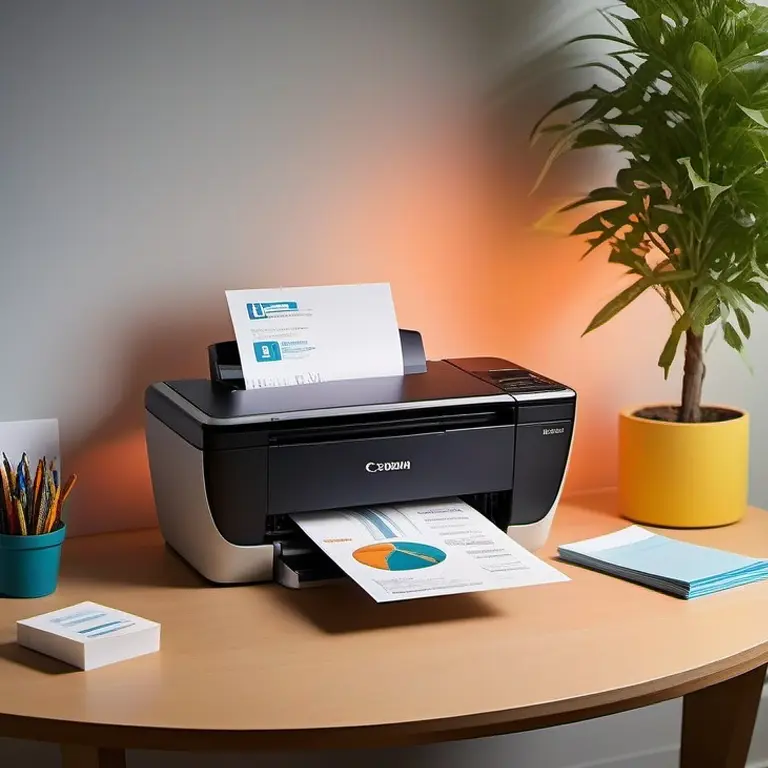
Printing Alternatives
While thermal paper is widely used for its instant and efficient printing, there are scenarios where you might want to consider alternative methods to address potential concerns. Here are some alternative approaches to printing and preserving important documents:
1. Protective Sleeves:
- Description: Protective sleeves, often made of clear plastic or polypropylene, provide a physical barrier to shield thermal paper documents from heat, moisture, and physical damage.
- Usage: Slip your thermal paper documents into these sleeves, which come in various sizes to accommodate different document dimensions.
- Benefits: Protective sleeves help preserve the integrity of the thermal paper by minimizing direct exposure to environmental factors. They are a cost-effective solution for safeguarding documents.
2. Laminating Pouches Designed for Thermal Paper:
- Description: Special laminating pouches optimized for thermal paper are designed to minimize heat-related issues during the lamination process.
- Usage: Insert your thermal paper documents into these pouches before running them through a laminating machine. The pouches are tailored to the specific requirements of thermal paper.
- Benefits: Using these pouches provides a protective barrier that reduces the risk of thermal paper becoming illegible or damaged during lamination. It strikes a balance between document preservation and heat exposure.
3. Digital Backup:
- Description: Scanning thermal paper documents to create digital copies is an excellent way to ensure their long-term preservation. Once digitized, you can store and manage the documents electronically.
- Usage: Scan your thermal paper documents using a scanner or a smartphone app designed for document digitization. Save the digital copies in a secure and organized manner.
- Benefits: Digital backups serve as a reliable and convenient way to protect your important documents. They are immune to heat, fading, and physical wear, making them a durable and long-term solution.
In conclusion, printing on thermal paper is a viable option for various applications, but it requires careful handling to mitigate potential issues related to its heat sensitivity. However, there are alternatives available, such as protective sleeves, specialized laminating pouches, and digital backup solutions. By understanding the unique characteristics of thermal paper and choosing the right preservation method, you can confidently create and protect your important documents
For all your thermal paper needs, feel free to explore our wide range of products at Sting Bull Ribbon’s Thermal Paper Collection. Whether you’re a business owner or a creative enthusiast, we have the right thermal paper solutions for you. Happy printing!