
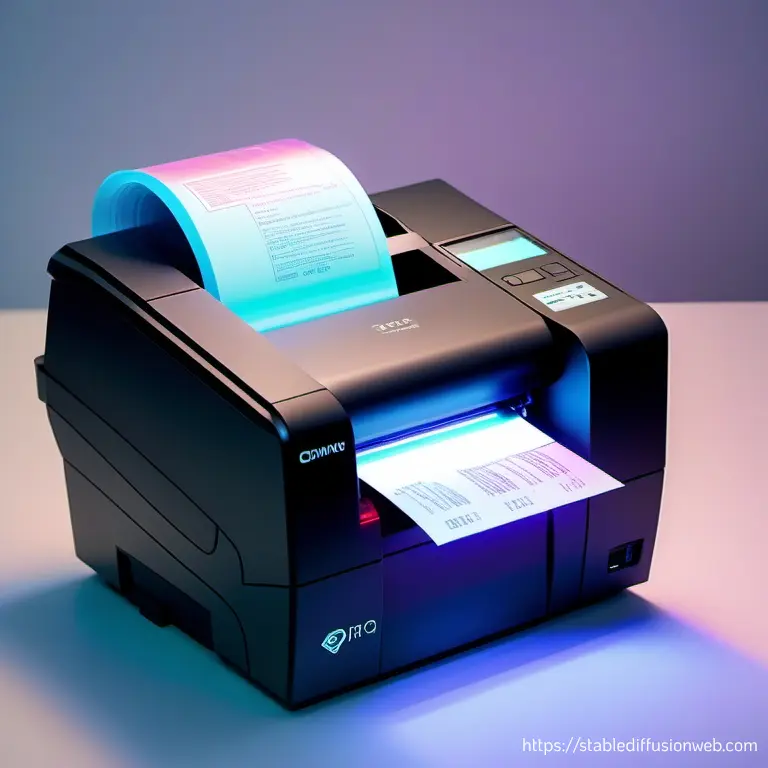
In the world of modern printing technology, thermal printers have established themselves as reliable workhorses, designed for efficiency and speed. But have you ever wondered if these thermal printers, typically associated with thermal paper, can break free from their conventional constraints and print on regular paper? Let’s embark on a printing journey to explore the possibilities.
Thermal printers have become indispensable in various industries, from retail to healthcare. They’re renowned for their ability to produce high-quality, durable prints swiftly. Often, these printers pair seamlessly with thermal paper, a specialty paper coated with a heat-sensitive layer. But what happens when you introduce plain, uncoated paper into the mix?
The Thermal Printer’s Symphony
Thermal printers, a harmonious fusion of science and engineering, orchestrate a symphony of precision in the world of modern printing. They are distinguished by two primary technologies: direct thermal and thermal transfer. However, it’s the remarkable dance they perform with specially crafted thermal paper that steals the spotlight.
Direct Thermal Printing: Imagine a thermal printer as the conductor of this symphony, wielding the baton to perfection. In direct thermal printing, the paper is embedded with a heat-sensitive layer. When the printer’s thermal head applies heat to specific points on this paper, the magic unfolds. The heat prompts a color change, creating crisp, smudge-free prints. This simplicity, where no ink or ribbon is involved, adds a note of elegance to the process.
Thermal Transfer Printing: If direct thermal is the elegant waltz, thermal transfer is the vibrant tango. This technology employs a ribbon, which carries color pigments, and a thermal print head. The paper meets the ribbon, and with heat as the catalyst, the pigments transfer onto the paper. This dynamic partnership allows for versatility, producing durable prints on various materials. It’s the tango of choice when longevity and resistance are paramount.
The true virtuoso in this ensemble, however, is the specially designed thermal paper. Crafted with precision, it holds the secret to the symphony’s success. This paper is engineered to respond to heat in a unique manner. When touched by the printer’s thermal head, it transforms with remarkable accuracy, translating data into vibrant, indelible imprints.
The outcome? Impeccable prints, rich in detail, generated at a pace that’s as impressive as a virtuoso’s performance. Whether in retail, healthcare, or logistics, thermal printers play their parts flawlessly, leaving behind legible records and labels that enhance efficiency and accuracy.
As we delve deeper into this captivating symphony of technology, we uncover the nuanced melodies of both direct thermal and thermal transfer, each offering its own set of advantages. The true beauty of this orchestra lies in its ability to cater to a wide array of applications, making the thermal printer an indispensable tool in an ever-evolving world. Whether it’s the elegance of direct thermal or the versatility of thermal transfer, this symphony is a testament to human ingenuity and its unending quest for precision and efficiency in the realm of printing.
The World of Normal Paper
In a world where technological marvels often steal the limelight, it’s time to shine a spotlight on the unassuming hero of our everyday lives – normal paper. This ubiquitous companion can be found in your office printer, neatly tucked away in your notepad, and possibly lining the shelves of your kitchen drawer. So, what makes “normal paper” so… well, normal?
The Unsung Texture:
Normal paper, often referred to as uncoated paper, boasts a texture that’s gentle to the touch. It’s the kind of texture that feels familiar, like an old friend in the world of printing. This subtle texture provides a unique tactile experience, making it comfortable to handle and a preferred choice for writing, sketching, and everyday printing tasks.
A Weighty Matter:
If you’ve ever held a sheet of normal paper, you’d have noticed that it has a thickness that’s just right – not too flimsy, yet not too heavy. This balanced weight is what makes normal paper versatile and ideal for a multitude of applications. It’s sturdy enough for printing documents but also lends itself gracefully to tasks like crafting, note-taking, or even origami.
The Everyday Champion:
The beauty of normal paper lies in its simplicity. It’s the canvas for everyday moments, serving as a platform for your ideas, sketches, grocery lists, or the next great novel you might be working on. It’s the backdrop for your office memos, your child’s doodles, and the notes you pass to your colleague during a meeting.
A World of Possibilities:
Normal paper is an open canvas. It awaits your creativity, ready to transform into a piece of art, a functional document, or a vessel for your thoughts. You can print your favorite family photos on it, sketch your wildest dreams, or even fold it into a paper airplane for a bit of nostalgic fun.
While normal paper might not boast the dazzling brilliance of digital displays or the efficiency of specialized printing paper, it has a charm that’s all its own. It’s the paper that holds your memories, bears witness to your ideas, and faithfully carries your words. In a fast-paced world, it’s the quiet and dependable companion that’s always there when you need it.
So, as we celebrate the wonders of technology and the advancements of the digital age, let’s not forget to appreciate the timeless beauty of normal paper, the unassuming hero that has been a part of our lives for generations.
But can these thermal printers, designed to work in perfect harmony with thermal paper, accept normal paper as their canvas? The answer isn’t as simple as you might think.

The Challenges
While the concept of using regular paper with thermal printers might seem like a cost-effective and convenient solution, it’s essential to be aware of the hurdles you might encounter along the way. Let’s delve deeper into the challenges that come with this seemingly mismatched partnership and explore why thermal paper remains the preferred choice for these printers.
Print Quality Predicament:
The primary challenge you’ll face when opting for regular paper in thermal printers is compromised print quality. Unlike thermal paper, which is specifically designed to respond to heat, regular paper simply doesn’t possess this unique characteristic. When subjected to the heat of a thermal printer, the results can be less than satisfying. Images and text lose their sharpness and vibrancy, often appearing faded and lackluster. This reduction in print quality can be a significant drawback, especially when you require high-resolution and professional-looking prints.
The Battle for Durability:
Thermal paper’s durability is a key reason for its widespread use in scenarios where resilience matters. Thermal prints on thermal paper are water-resistant, chemical-resistant, and capable of withstanding physical wear and tear. In contrast, regular paper prints lack this robustness. When exposed to moisture or chemicals, prints on regular paper can smudge and become illegible. This fragility is a significant concern, particularly in environments where document longevity is essential.
Printhead Perils:
Another noteworthy challenge with using regular paper is the potential damage it can inflict on the printhead of thermal printers. Unlike thermal paper, which leaves behind no residue, regular paper can leave paper fibers and dust on the printhead. Over time, this accumulation can obstruct the printhead’s functionality and even lead to costly repairs or replacements. The maintenance costs associated with cleaning or replacing printheads make regular paper a less economical choice in the long run.
Legibility and Functionality at Stake:
Thermal printers are often used for applications where the clarity of printed text and barcodes is of paramount importance. However, when regular paper is in the equation, the legibility and functionality of these critical elements can be compromised. Barcodes may become less precise, affecting scanning accuracy, and text may lose its crispness. This can be particularly problematic in industries where precise data capture and readability are non-negotiable.
While the idea of using regular paper in thermal printers might seem like a cost-saving alternative, it comes with its fair share of challenges. The compromised print quality, reduced durability, potential printhead damage, and the impact on text and barcodes can offset any initial cost benefits. Therefore, for applications where precision, durability, and print quality are essential, thermal paper remains the top choice, ensuring that your prints are not just adequate but of the highest quality, resilient, and consistently reliable.
Exploring Solutions

Acknowledging the challenges of using regular paper with thermal printers is the first step in addressing this issue. While it’s clear that thermal paper remains the superior choice for these printers, some creative solutions and workarounds have emerged for those who are determined to make regular paper work in these unique circumstances.
1. Coating and Treatment:
One intriguing approach to bridging the gap between regular paper and thermal printers involves treating the paper with specialized coatings or chemicals. These treatments can render the paper heat-sensitive, enabling it to work more effectively with thermal printers. While this method can be somewhat effective, it’s essential to note that the results may not match the quality and durability of genuine thermal paper. Additionally, this process may involve extra effort and costs, making it a less straightforward solution.
2. Hybrid Printers:
Technology, as always, has an answer to many challenges. Hybrid printers have been designed to offer a compromise between the quality and durability of thermal prints and the convenience of using regular paper. These printers come with the unique ability to switch between thermal and standard printing modes. This flexibility allows users to choose the most suitable printing method for each specific task. While hybrid printers can be a viable solution, they might not be readily available or may come at a higher cost than standard thermal printers.
3. Third-Party Products:
In the ever-evolving world of technology, there are often third-party products and accessories that cater to specific needs. Some of these products are designed explicitly to facilitate the use of regular paper with thermal printers. They might include specialized trays or adapters that help to feed standard paper more efficiently, reducing the risk of printhead damage and enhancing print quality. However, it’s essential to be cautious when choosing third-party products to ensure compatibility and reliability.
While these innovative approaches offer some solutions for using regular paper with thermal printers, it’s crucial to approach this endeavor with caution. The inherent benefits of using thermal paper, such as exceptional print quality and durability, should not be underestimated. When weighing the pros and cons, it becomes evident that for critical applications, thermal paper remains the most reliable choice.
In conclusion, the challenges associated with using regular paper with thermal printers are real, and the solutions, while creative, may not completely replicate the advantages of using genuine thermal paper. As technology continues to advance, there may be more effective methods developed in the future. However, for now, making an informed decision based on your specific needs and priorities is the best way to ensure that your printing tasks are efficient, cost-effective, and meet the required quality standards.
Practical Considerations
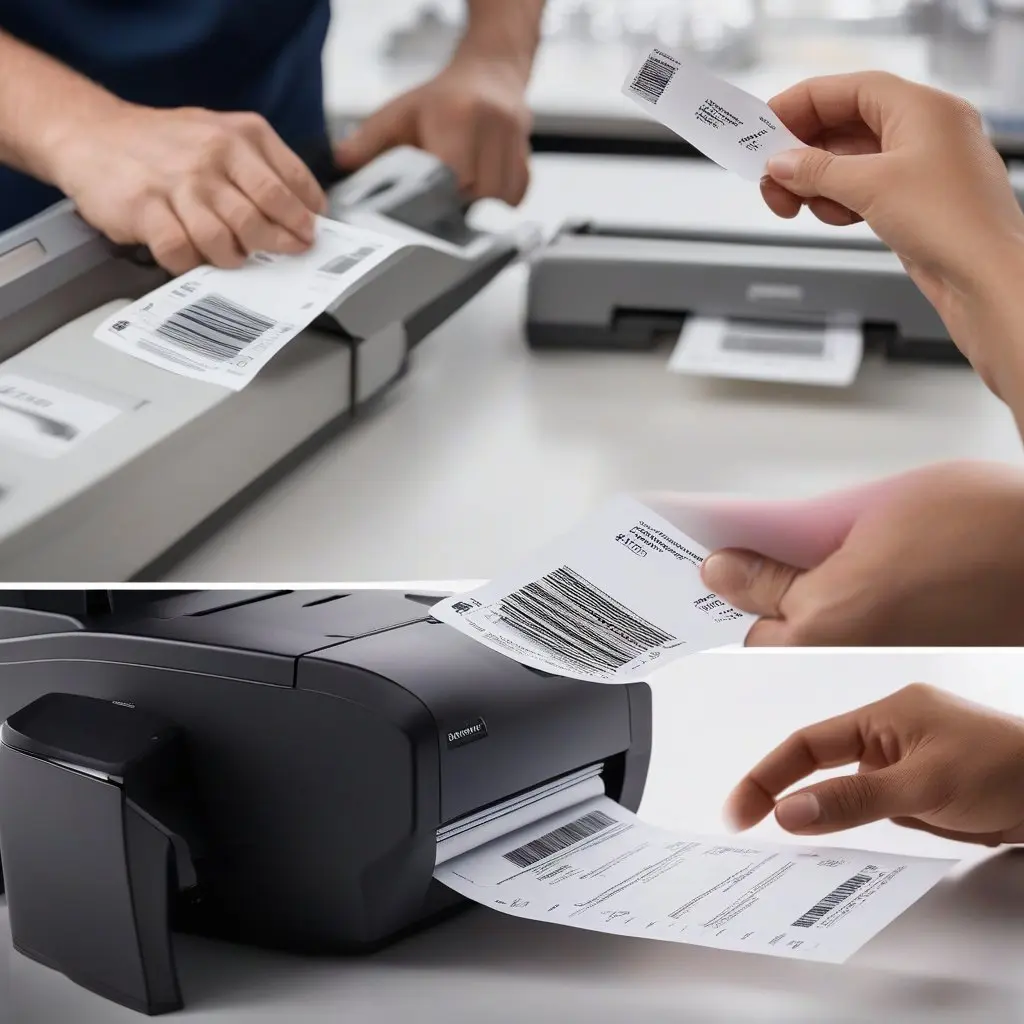
In the realm of thermal printing, deciding whether to use regular paper or stick to the tried-and-true thermal paper isn’t always a straightforward choice. There are practical considerations that can help you make an informed decision based on the specific needs of your printing tasks.
1. Cost-Effectiveness:
One of the primary reasons businesses opt for using normal paper with a thermal printer is cost-effectiveness. This strategy is particularly advantageous when dealing with tasks that involve producing a large volume of temporary labels, receipts, or documents that don’t require extended longevity. Regular paper is typically more budget-friendly than thermal paper, making it a sensible choice for projects where quality and durability take a back seat to economic factors.
2. Short-Term Applications:
In scenarios where the printed material’s purpose is short-lived, such as event tickets, daily special menus in restaurants, or temporary badges, normal paper can serve the purpose well. These applications prioritize convenience and affordability over long-lasting quality, and regular paper can be a practical solution. It ensures that the essential information is conveyed without the need for the robust characteristics of thermal paper.
3. Balancing Quality and Longevity:
The decision to use regular paper should always be a thoughtful one. While it can offer cost savings and convenience, it’s essential to remember that thermal paper remains the preferred choice for applications where print quality, durability, and longevity are of utmost importance. When dealing with critical tasks like shipping labels, medical records, or archival documentation, thermal paper ensures that the print remains sharp, vibrant, and resistant to external factors like water, chemicals, and physical wear.
In essence, the choice between normal paper and thermal paper hinges on your unique requirements. Prioritizing your specific needs for print quality, longevity, and budget constraints is the key. By analyzing the nature of your printing tasks, you can make an informed decision that ensures efficiency and cost-effectiveness without compromising the quality and durability of your prints.
So, whether it’s the versatility of regular paper for short-term applications or the unrivaled durability of thermal paper for critical tasks, the practical considerations of your printing needs will guide you towards the most fitting choice. In the dynamic world of printing, adaptability and informed decision-making are the pillars of success.
The Final Verdict
As we reach the conclusion of our journey into the compatibility of thermal printers with regular paper, we can confidently say that the answer is a cautious “yes.” However, it’s crucial to emphasize that this affirmative response is accompanied by a series of important caveats and considerations.
Print Quality and Durability:
The ability of thermal printers to work with normal paper is certainly a testament to their adaptability. Yet, it’s imperative to recognize that this compatibility often involves trade-offs. Print quality may not be as sharp or vibrant when compared to the use of thermal paper. The lack of heat sensitivity in normal paper can lead to prints that are more susceptible to fading, smudging, or deteriorating over time.
The Balancing Act:
When deciding to tread the path of using regular paper with thermal printers, it’s a balancing act between the demands of your specific printing needs and the potential compromises you’re willing to make. This choice is akin to selecting the right tool for a job—just as a chef chooses the perfect knife for a particular cut, a printer should be paired with the most suitable paper. It’s a matter of understanding the trade-offs and finding the sweet spot that aligns with your objectives.
Key Considerations:
Before you embark on the thermal printer and normal paper journey, here are some key considerations to ponder:
- Nature of Printing Tasks: What are you printing? Is it a short-lived document or a critical, long-term record?
- Budget Constraints: How does cost factor into your decision? Regular paper can be more budget-friendly, but it may lack the resilience of thermal paper.
- Longevity and Durability: Do your prints need to withstand exposure to water, chemicals, or physical wear? If so, thermal paper is the better choice.
- Quality Expectations: Assess your expectations for print quality. If high-quality, sharp, and vibrant prints are non-negotiable, then thermal paper should be your top pick.
In the world of printing, as in many other fields, it’s all about making informed choices and using the right tools for the job. Whether you’re in a bustling retail store, a busy kitchen, or any other setting, remember that the perfect pairing of printer and paper can make all the difference. It’s a harmony that ensures your prints not only meet but exceed your expectations, creating a symphony of efficiency and quality.
At Sting Bull Ribbon, we understand the nuances of the printing world, offering a diverse range of products to meet your unique needs. Explore our thermal paper collection to find the perfect match for your thermal printer.