

In today’s business landscape, companies are increasingly recognizing the importance of Corporate Social Responsibility (CSR) in shaping their brand image and connecting with conscientious consumers. One area where CSR initiatives are gaining traction is in the adoption of eco-friendly products, and thermal paper is no exception. As businesses strive to reduce their environmental footprint, sustainable solutions like eco-friendly thermal paper are making waves. This article explores the role of eco-friendly thermal paper in CSR, highlighting how it can help businesses align their operations with sustainability goals while providing tangible benefits to both the environment and their bottom line.
Understanding Corporate Social Responsibility (CSR)
Corporate Social Responsibility (CSR) refers to the voluntary actions companies take to contribute positively to society and the environment beyond their regular business operations. In recent years, CSR has become a key focus for many organizations, as consumers, employees, and investors increasingly demand transparency and responsible business practices. By prioritizing sustainability, reducing waste, and minimizing their environmental impact, companies can not only improve their public perception but also achieve long-term business success.
The Environmental Impact of Traditional Thermal Paper
Thermal paper, a common material used in receipts, tickets, and labels, has become ubiquitous in many sectors. However, the environmental concerns associated with its production and disposal have raised alarms in recent years. Traditional thermal paper, while convenient and efficient for businesses, carries significant ecological risks that can no longer be ignored. This section explores the key environmental issues linked to traditional thermal paper and the urgent need for more sustainable alternatives.
Chemical Contaminants: BPA and BPS Concerns
One of the primary environmental concerns with traditional thermal paper is the use of chemicals like Bisphenol A (BPA) and Bisphenol S (BPS) in its coating. These chemicals are integral to the thermal printing process, enabling text to appear on paper when exposed to heat. However, both BPA and BPS are endocrine disruptors, which means they can interfere with hormonal systems in both humans and wildlife. As these chemicals can leach into the environment through waste or disposal, they contribute to long-term contamination, particularly in waterways and ecosystems.
BPA and BPS exposure is not only a health risk for consumers but also a significant concern for workers who handle thermal paper regularly. Prolonged exposure to these chemicals has been linked to reproductive issues, developmental problems in children, and even an increased risk of certain cancers. For businesses committed to sustainability and employee welfare, reducing reliance on BPA and BPS in thermal paper is an essential step toward improving environmental and public health.
Non-Recyclable Waste: A Growing Environmental Problem
Another major issue with traditional thermal paper is its limited recyclability. Due to the chemical coatings that enable the thermal printing process, most thermal paper cannot be recycled through standard waste disposal systems. This results in thermal paper ending up in landfills, contributing to the growing problem of non-biodegradable waste. As millions of receipts, tickets, and labels are printed every day, the accumulation of non-recyclable thermal paper adds to the strain on waste management systems and increases the overall carbon footprint of businesses.
The inability to recycle thermal paper is a significant concern, especially in an era where reducing waste and promoting a circular economy are top priorities. Many businesses are now realizing that switching to eco-friendly alternatives that can be recycled or are biodegradable is an essential part of their sustainability efforts.
Deforestation and Paper Sourcing: Impact on Ecosystems
The production of traditional thermal paper is often tied to deforestation, as large quantities of wood pulp are used in paper manufacturing. While some thermal paper is sourced from recycled materials, a substantial amount is still made from virgin wood fibers. The demand for paper products like thermal paper contributes to deforestation in certain regions, negatively impacting biodiversity and accelerating climate change.
Forests are critical to maintaining the health of our planet’s ecosystems. They provide habitat for countless species, regulate the climate by absorbing carbon dioxide, and support the water cycle. By continuing to rely on paper products derived from unsustainable sources, businesses may inadvertently contribute to the destruction of vital natural habitats. This emphasizes the need for companies to seek out sustainable and certified paper sources, such as those made from recycled materials or responsibly managed forests.
The Need for Sustainable Alternatives
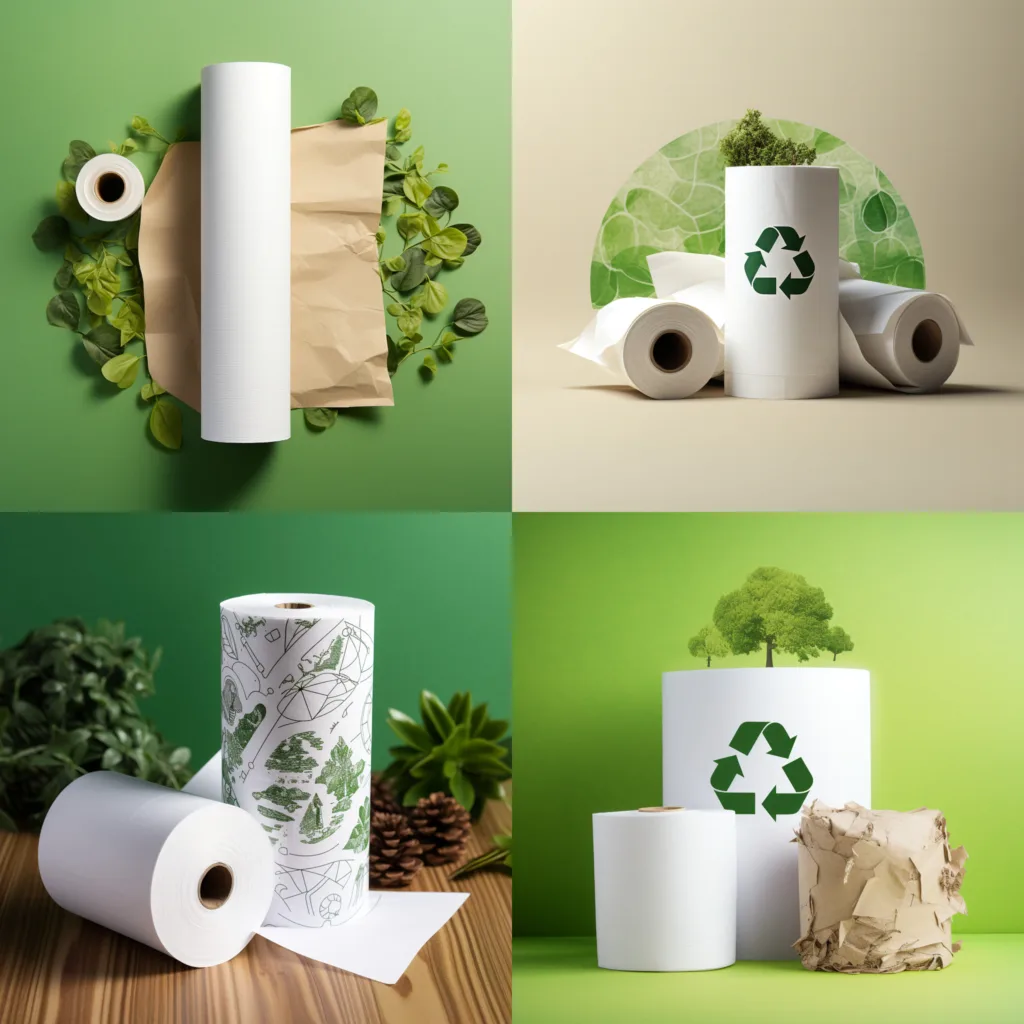
As the environmental consequences of traditional thermal paper become increasingly clear, many businesses are exploring alternative solutions. Eco-friendly thermal paper options, such as those made without BPA or BPS, offer a safer and more sustainable alternative for printing receipts, labels, and tickets. Additionally, many eco-friendly thermal papers are made from recycled materials or are biodegradable, reducing their impact on landfills and ecosystems.
By switching to sustainable thermal paper options, businesses can significantly reduce their environmental footprint. This not only benefits the planet but also helps companies align with growing consumer demand for environmentally responsible products and practices. In an era where sustainability is no longer optional, making the transition to eco-friendly thermal paper is a critical step for businesses aiming to meet their Corporate Social Responsibility (CSR) goals.
The environmental impact of traditional thermal paper is a significant concern that businesses must address as part of their commitment to sustainability. From harmful chemical exposure to waste accumulation and deforestation, the negative consequences of using non-eco-friendly thermal paper are too substantial to ignore. As alternatives become more accessible, businesses have the opportunity to adopt sustainable practices that protect the environment while still meeting the demands of modern-day operations. By making the switch to eco-friendly thermal paper, companies can contribute to a more sustainable future and enhance their CSR efforts.
Eco-Friendly Thermal Paper: A Sustainable Solution
In response to the growing demand for environmentally responsible business practices, eco-friendly thermal paper has emerged as a sustainable alternative to traditional thermal paper. With its ability to offer the same high-quality printing performance while reducing environmental harm, eco-friendly thermal paper is rapidly gaining popularity across industries. By opting for this innovative solution, businesses can minimize their environmental impact and contribute to a more sustainable future.
What Makes Eco-Friendly Thermal Paper Different
Eco-friendly thermal paper stands out in several key ways compared to traditional thermal paper. From its chemical-free coatings to its recyclability and biodegradability, these papers are designed to meet the demands of businesses while adhering to more sustainable practices. Below, we explore the distinguishing features of eco-friendly thermal paper that make it a viable solution for companies looking to enhance their environmental responsibility.
BPA-Free Coatings: Eliminating Harmful Chemicals
Traditional thermal paper is coated with Bisphenol A (BPA) or Bisphenol S (BPS), chemicals that are harmful to human health and the environment. These chemicals have been linked to a variety of health risks, including endocrine disruption, which can affect hormone regulation and development in both humans and wildlife. As awareness of these risks has grown, the demand for BPA– and BPS-free alternatives has surged.
Eco-friendly thermal paper replaces these toxic chemicals with non-toxic, safer coatings that still provide high-quality thermal printing. This shift not only ensures safer products for consumers but also helps businesses contribute to public health and environmental well-being. By choosing BPA-free thermal paper, businesses show their commitment to protecting both their customers and the planet.
Recyclability: Reducing Waste and Supporting a Circular Economy
One of the most significant environmental issues with traditional thermal paper is its inability to be recycled due to the chemical coatings used in its production. This means that much of the thermal paper used daily in receipts, tickets, and labels ends up in landfills, contributing to the global waste crisis.
In contrast, eco-friendly thermal paper is designed with recyclability in mind. Made with safer materials and coatings, this type of thermal paper can be recycled through standard paper recycling processes. As a result, it helps divert waste from landfills and supports the development of a circular economy. By recycling eco-friendly thermal paper, businesses and consumers can help reduce the need for virgin resources, lower greenhouse gas emissions, and promote sustainability in the paper industry.
Biodegradability: Reducing Environmental Impact
In addition to being recyclable, many eco-friendly thermal papers are biodegradable. This means that if the paper is not recycled, it will naturally break down over time without causing long-term harm to the environment. Biodegradable eco-friendly thermal paper is a significant improvement over traditional thermal paper, which can persist in landfills for years without decomposing.
The biodegradability of eco-friendly thermal paper is particularly important when considering the vast amounts of thermal paper generated by businesses worldwide. By opting for biodegradable thermal paper, companies can ensure that the waste they produce will not linger in the environment for decades, adding to pollution and waste management challenges. As part of a broader environmental strategy, this feature helps reduce the overall impact on ecosystems and wildlife, contributing to cleaner, healthier environments.
Why Businesses Should Adopt Eco-Friendly Thermal Paper
Adopting eco-friendly thermal paper offers a multitude of benefits, not only for the environment but also for businesses looking to enhance their Corporate Social Responsibility (CSR) efforts. By switching to sustainable thermal paper, companies can demonstrate their commitment to reducing their carbon footprint, minimizing waste, and supporting eco-friendly initiatives.
Contributing to Corporate Social Responsibility (CSR) Goals
As sustainability becomes an increasingly important factor for consumers, investors, and regulators, businesses are under pressure to demonstrate their environmental commitment. Adopting eco-friendly thermal paper is a simple yet effective way for companies to align their operations with their CSR objectives. Whether used for receipts in retail, shipping labels in logistics, or tickets in transportation, eco-friendly thermal paper allows businesses to reduce their reliance on harmful chemicals and non-recyclable materials.
Additionally, choosing eco-friendly paper products helps companies meet growing regulatory requirements related to waste reduction, chemical safety, and environmental sustainability. Governments around the world are increasingly implementing strict environmental policies, and businesses that proactively adopt sustainable solutions can avoid fines, improve their compliance standing, and position themselves as leaders in corporate responsibility.
Enhancing Brand Reputation
Consumers today are more aware than ever of the environmental impact of the products they purchase. Many are willing to support companies that prioritize sustainability in their operations. By adopting eco-friendly thermal paper, businesses can improve their brand reputation and build stronger connections with eco-conscious customers.
In addition to reducing their environmental impact, companies that use eco-friendly products can also market their commitment to sustainability. Promoting eco-friendly practices not only attracts customers who share the same values but also strengthens a company’s position in a competitive marketplace. As sustainability becomes a critical factor in consumer decision-making, switching to eco-friendly thermal paper can enhance customer loyalty and attract new business.
Cost Savings and Operational Efficiency
Although eco-friendly thermal paper might have a slightly higher upfront cost compared to traditional thermal paper, the long-term benefits often outweigh the initial investment. Over time, businesses can save money by reducing waste disposal fees, benefiting from government incentives for sustainable practices, and reducing the environmental impact of their operations.
Additionally, by transitioning to a more efficient and sustainable paper product, businesses can streamline their supply chains and reduce their dependence on non-renewable resources. This not only helps conserve natural resources but also drives operational efficiencies that can ultimately lead to cost savings across the business.
Conclusion: A Smart and Sustainable Choice
Eco-friendly thermal paper represents a sustainable solution to the environmental challenges posed by traditional thermal paper. With its BPA-free coatings, recyclability, and biodegradability, eco-friendly thermal paper provides businesses with an opportunity to enhance their sustainability efforts while maintaining the same high-quality performance that thermal printing offers. By adopting eco-friendly thermal paper, companies not only contribute to a healthier planet but also improve their CSR efforts, build stronger customer relationships, and position themselves as leaders in sustainability.
For businesses looking to make the switch to more sustainable practices, eco-friendly thermal paper is an easy and impactful step toward a greener future.
How Businesses Leverage Eco-Friendly Thermal Paper in CSR
In today’s business landscape, sustainability has become a central focus, with companies increasingly seeking ways to reduce their environmental impact. One of the most straightforward yet impactful solutions is the adoption of eco-friendly thermal paper. As businesses across various sectors strive to align with their Corporate Social Responsibility (CSR) goals, eco-friendly thermal paper provides an innovative and practical way to contribute to sustainability efforts.
From retail and banking to logistics and shipping, businesses are recognizing the benefits of switching to eco-friendly thermal paper, not only to minimize waste and chemical exposure but also to strengthen their brand reputation and foster greater customer loyalty. Below, we explore how different industries are leveraging eco-friendly thermal paper to drive their CSR initiatives.
Retailers: Supporting Sustainability with Green Receipts
In the retail sector, eco-friendly thermal paper is being used extensively for printing receipts, an area where businesses can make an immediate and noticeable impact. Retailers are turning to thermal paper that is free from harmful chemicals like BPA and BPS, ensuring that the receipts they issue are safer for both consumers and the environment.
The shift to eco-friendly thermal paper aligns with a broader trend in retail towards greener practices. By adopting recyclable and biodegradable thermal paper, retailers can significantly reduce the waste generated from receipt printing. This shift not only helps in minimizing environmental harm but also reinforces the retailer’s commitment to sustainability.
Furthermore, eco-conscious consumers are increasingly drawn to businesses that prioritize environmental responsibility. Retailers that use eco-friendly thermal paper can market their green initiatives to attract and retain customers who value sustainable practices. In an age where consumers are more aware than ever of the environmental impact of their purchasing decisions, such steps can improve customer loyalty and boost brand image.
Banks: Promoting Greener Financial Practices
The banking sector is another area where eco-friendly thermal paper is making waves. Financial institutions, which print a significant volume of transaction receipts, account statements, and other documents, are increasingly adopting greener alternatives to traditional thermal paper.
By switching to BPA-free, recyclable, and biodegradable thermal paper, banks can align their operations with their sustainability goals. In doing so, they demonstrate their commitment to reducing waste and chemical exposure, which resonates strongly with environmentally conscious customers. Additionally, by embracing eco-friendly thermal paper, banks can stay ahead of regulatory requirements related to environmental sustainability and waste management, ensuring compliance with growing environmental standards.
The transition to eco-friendly thermal paper also serves as an effective way for banks to differentiate themselves in a competitive market. Consumers are more likely to choose financial institutions that align with their own values, and by adopting green practices, banks can strengthen their reputation as forward-thinking, socially responsible organizations.
Logistics and Shipping: Reducing Carbon Footprint in E-Commerce
In the logistics and shipping industries, the adoption of eco-friendly thermal paper is helping companies reduce their carbon footprint while meeting the operational demands of their business. Companies that ship products, whether in e-commerce or traditional logistics, rely heavily on thermal paper for printing shipping labels, invoices, and delivery receipts.
By switching to eco-friendly thermal paper, logistics companies can reduce their environmental impact in several ways. The recyclability and biodegradability of eco-friendly thermal paper ensure that shipping labels and invoices do not end up in landfills, where they would take years to break down. Instead, these documents can be recycled, contributing to a circular economy and reducing overall waste.
E-commerce businesses, in particular, are under pressure to adopt more sustainable practices due to growing consumer concerns about packaging waste and carbon emissions. By embracing eco-friendly thermal paper for printing labels and invoices, logistics companies can demonstrate their commitment to sustainability, which in turn helps attract environmentally conscious consumers. Additionally, these businesses can position themselves as leaders in green logistics, building a reputation for being socially responsible and eco-friendly.
The Broader Impact: Strengthening CSR Through Sustainable Practices
The adoption of eco-friendly thermal paper is not just about reducing waste or complying with environmental regulations—it’s also about positioning a company as a leader in sustainability and aligning with broader CSR objectives. Businesses that embrace eco-friendly practices, such as using sustainable paper products, contribute to global efforts to reduce waste, conserve resources, and minimize pollution.
For many companies, adopting eco-friendly thermal paper is a natural extension of their broader CSR strategies. It supports goals related to environmental stewardship, waste reduction, and resource conservation, all of which are increasingly important to today’s stakeholders—whether they are customers, investors, or regulators. Moreover, businesses that prioritize sustainability can attract top talent, as employees are increasingly looking to work for companies that share their values and demonstrate a commitment to environmental and social issues.
By leveraging eco-friendly thermal paper as part of their CSR efforts, businesses not only contribute to a more sustainable future but also benefit from enhanced brand reputation, increased customer loyalty, and improved operational efficiency.
A Key Element of Sustainable Business Practices
The growing adoption of eco-friendly thermal paper across sectors like retail, banking, and logistics highlights the importance of sustainable practices in today’s business world. By making the switch to BPA-free, recyclable, and biodegradable thermal paper, companies can significantly reduce their environmental impact while simultaneously bolstering their CSR initiatives.
As consumers and investors alike place increasing importance on sustainability, businesses that embrace eco-friendly solutions are well-positioned to thrive in a competitive marketplace. Whether it’s through enhancing customer loyalty, complying with regulations, or simply doing the right thing for the environment, leveraging eco-friendly thermal paper is a smart and impactful way to advance corporate social responsibility efforts.
Benefits of Using Eco-Friendly Thermal Paper in CSR
As businesses continue to prioritize sustainability, the adoption of eco-friendly thermal paper plays a key role in enhancing Corporate Social Responsibility (CSR) efforts. The environmental and social benefits of switching to eco-friendly thermal paper go hand in hand with long-term economic advantages. By choosing sustainable thermal paper, businesses can improve their brand reputation, reduce costs, and build stronger customer loyalty, all while supporting global sustainability goals.
Improved Brand Reputation: Standing Out as a Responsible Business
One of the most immediate benefits of using eco-friendly thermal paper in CSR is the boost it provides to a business’s brand reputation. Consumers today are more conscious than ever about the environmental impact of the products they use and the businesses they support. By adopting eco-friendly practices, such as using BPA-free, recyclable thermal paper, companies signal their commitment to environmental stewardship.
This commitment can differentiate a business in a competitive market. Consumers are increasingly willing to support companies that align with their values, particularly when it comes to sustainability. By using eco-friendly thermal paper, businesses can position themselves as leaders in corporate responsibility, enhancing their appeal to eco-conscious customers and attracting a loyal customer base that values green initiatives.
Moreover, businesses that embrace sustainable practices are often viewed as forward-thinking, innovative, and socially responsible. This reputation not only helps with customer retention but also attracts new customers who want to support businesses that contribute to the greater good of society and the planet.
Cost Savings: Lowering Long-Term Expenses
While the initial investment in eco-friendly thermal paper may be slightly higher than traditional thermal paper, the long-term savings can be substantial. Over time, the use of recyclable and biodegradable thermal paper helps businesses cut down on waste disposal fees. This is particularly important for businesses that generate large amounts of paper waste, such as retailers, banks, and logistics companies.
Additionally, advancements in sustainable paper technology have led to a decrease in the production cost of eco-friendly thermal paper. As demand for these products grows, economies of scale and improvements in manufacturing processes contribute to lower costs for businesses. By adopting eco-friendly thermal paper, companies not only reduce their environmental footprint but can also take advantage of cost savings related to waste management and raw material sourcing.
Furthermore, many businesses that switch to eco-friendly paper products benefit from government incentives, such as tax credits or subsidies, which can offset the initial costs of adopting greener materials. These incentives help businesses further reduce their operating expenses, making eco-friendly thermal paper not only a sustainable choice but an economically viable one.
Increased Customer Loyalty: Attracting and Retaining Eco-Conscious Consumers
Consumers today are increasingly driven by their environmental values, and they expect the companies they support to reflect these values. By using eco-friendly thermal paper, businesses can attract customers who prioritize sustainability and ethical business practices. This growing segment of eco-conscious consumers is willing to pay a premium for products and services that are aligned with their environmental concerns.
The shift towards greener products also strengthens customer loyalty. When customers see that a business is making a concerted effort to reduce its environmental impact—whether it’s through the use of sustainable paper or other eco-friendly practices—they are more likely to return and recommend the business to others. Loyalty is especially strong among younger generations, who are more likely to support brands with a commitment to sustainability.
Building customer loyalty through environmental responsibility also has a ripple effect. Customers who are pleased with a business’s eco-friendly initiatives may become vocal advocates for the brand, spreading the word on social media and word-of-mouth networks. This organic form of marketing is invaluable and can lead to increased customer retention and new customer acquisition.
Economic and Practical Benefits of Eco-Friendly Thermal Paper
While the environmental advantages of eco-friendly thermal paper are well known, there are also significant economic and practical benefits that make it a smart choice for businesses. From cost savings to regulatory compliance, eco-friendly thermal paper supports a more sustainable business model while providing operational efficiencies.
Cost-Effectiveness: Achieving Long-Term Savings
Eco-friendly thermal paper is an investment that pays off over time. Businesses that switch to sustainable thermal paper often experience significant savings in the long run. One of the primary ways this happens is through the reduction in waste disposal costs. Traditional thermal paper, which is non-recyclable, adds to a business’s waste stream, resulting in higher disposal fees. By choosing eco-friendly options that are recyclable or biodegradable, businesses can lower their waste management costs.
In addition, businesses can take advantage of advancements in eco-friendly thermal paper technology, which have made these products more affordable. As more manufacturers enter the market and consumer demand increases, the cost of eco-friendly thermal paper continues to drop, making it a more accessible option for businesses of all sizes. By choosing eco-friendly thermal paper, businesses can reap the benefits of cost savings without sacrificing performance or quality.
Compliance with Regulations: Staying Ahead of Environmental Standards
With the increasing emphasis on environmental sustainability, governments around the world are enacting stricter regulations related to waste, chemicals, and emissions. These regulations often include bans on harmful chemicals such as Bisphenol A (BPA) in products like thermal paper. By transitioning to eco-friendly thermal paper, businesses can stay ahead of these regulatory changes, ensuring compliance and avoiding potential penalties.
In addition to keeping up with current regulations, businesses that adopt eco-friendly practices are often seen as proactive and socially responsible. This proactive approach not only mitigates the risk of fines or legal issues but also positions the company as a leader in sustainability, giving them a competitive edge in their industry.
Efficient Use of Resources: Supporting a Circular Economy
Another economic benefit of using eco-friendly thermal paper is the efficient use of resources. Sustainable thermal papers are often made from recycled materials or are designed to be more energy-efficient during production. This reduces the environmental impact of sourcing new raw materials and minimizes energy consumption in manufacturing processes.
Furthermore, eco-friendly thermal paper is designed with recycling in mind. Unlike traditional thermal paper, which is coated with chemicals that prevent recycling, eco-friendly thermal paper can be easily processed through conventional paper recycling channels. This contributes to a circular economy, where materials are reused and recycled rather than discarded. By supporting the circular economy, businesses help reduce the need for virgin resources and minimize their overall environmental footprint.
The Smart Choice for Sustainable Businesses
The economic and practical benefits of eco-friendly thermal paper go hand in hand with the environmental advantages it offers. By adopting eco-friendly thermal paper, businesses can improve their brand reputation, reduce costs, enhance customer loyalty, and ensure compliance with evolving environmental regulations. As part of a broader CSR strategy, eco-friendly thermal paper allows businesses to take tangible steps toward a more sustainable future while strengthening their position in the marketplace.
By leveraging the cost-effectiveness, operational efficiencies, and positive environmental impact of eco-friendly thermal paper, businesses not only contribute to global sustainability efforts but also position themselves for long-term success.
Future Trends and Innovations in Eco-Friendly Thermal Paper
The future of eco-friendly thermal paper looks promising, as advancements in both technology and manufacturing processes continue to drive innovation in this space.
Key Trends in Eco-Friendly Thermal Paper:
Blockchain Integration for Secure Transactions: Some companies are exploring the use of blockchain technology to enhance the security and traceability of eco-friendly thermal receipts. This ensures that the entire lifecycle of a product is transparent and verifiable, further supporting sustainability goals.
AI-Driven Customization: Future thermal paper solutions may include AI-driven features that offer personalized and sustainable solutions based on customer behavior, further increasing efficiency and sustainability in business operations.
Government Regulations and Industry Standards: As governments continue to impose stricter environmental regulations, the demand for eco-friendly products like thermal paper will likely increase, driving further innovations in the industry.
Conclusion: A Call to Action for Businesses
The adoption of eco-friendly thermal paper is a crucial step for businesses looking to strengthen their CSR initiatives. By choosing sustainable paper products, companies can reduce their environmental impact, improve their brand reputation, and build stronger relationships with their customers. With emerging technologies and eco-friendly innovations leading the way, now is the time for businesses to embrace sustainable thermal paper solutions and make a positive contribution to the planet.
To explore high-quality eco-friendly thermal paper options, visit our thermal paper collection. By making the switch, your business can help lead the charge towards a more sustainable future.