
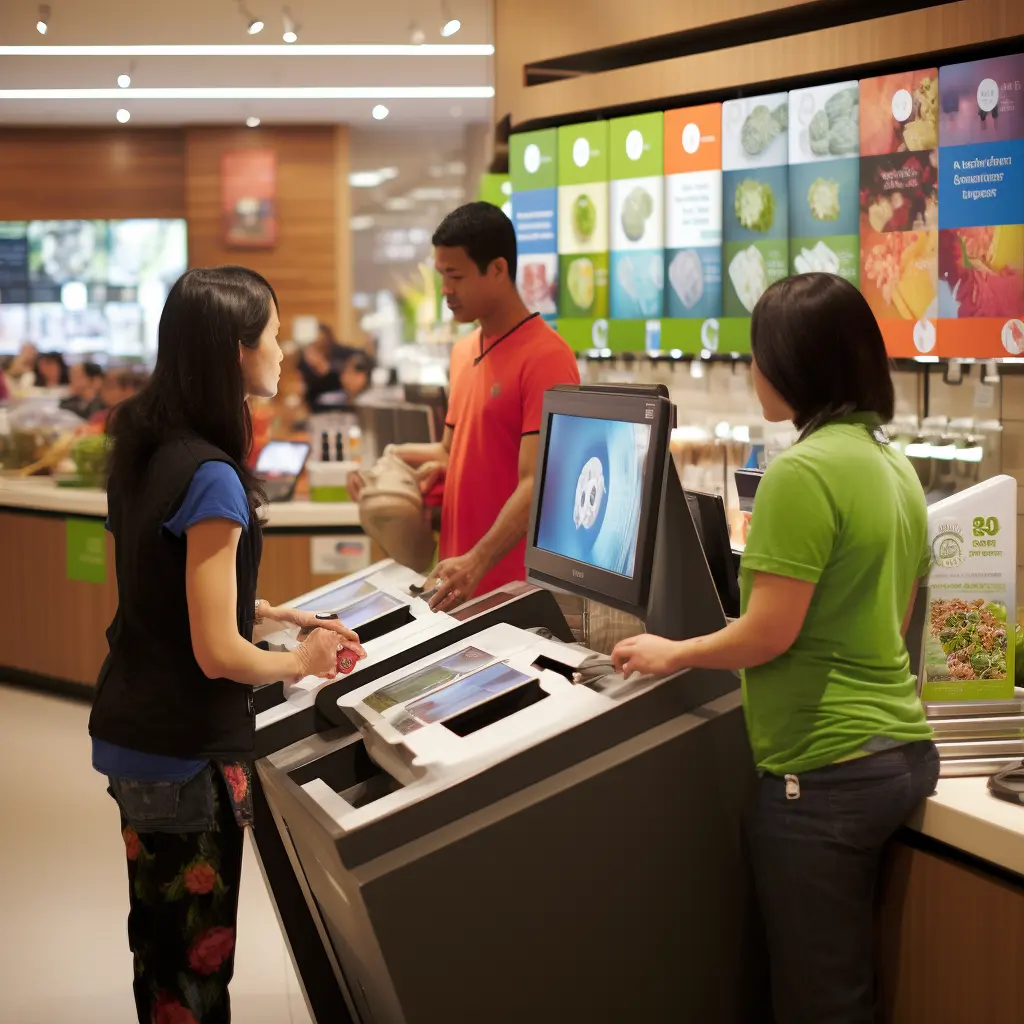
Thermal paper has revolutionized various industries with its efficiency, cost-effectiveness, and reliability. In the banking sector, this humble yet powerful material plays a pivotal role in ensuring smooth and secure operations. From ATMs to financial reporting, the innovative applications of thermal paper are transforming the way banks serve their customers while staying competitive in a digital-first world.
Enhancing Customer Experience
Thermal paper plays a crucial role in redefining the customer experience within the banking sector. Its versatile applications extend beyond mere transaction records, making it an essential tool for improving service quality and customer satisfaction.
Streamlined ATM Transactions
One of the most noticeable uses of thermal paper is in ATMs, where it serves as the primary medium for printing transaction receipts. These receipts, typically printed on durable, high-quality thermal paper, provide customers with a reliable record of their transactions. This quick and efficient printing process ensures minimal wait times, a critical factor in enhancing the overall ATM experience.
Beyond functionality, banks have started to use ATM receipts as a touchpoint for customer interaction. By incorporating QR codes on receipts, banks can guide customers to online banking platforms, mobile apps, or specific promotional offers. For instance, a receipt might include a QR code linking directly to an exclusive loan offer or savings plan, making it more than just a piece of paper—it becomes a gateway to further engagement.
Personalized Branding Through Receipts
Banks are increasingly utilizing thermal paper for branded receipts, turning a mundane document into a marketing asset. These receipts often feature the bank’s logo, slogans, or even seasonal greetings. Some banks take it a step further by customizing receipts based on the customer’s preferences or transaction history. For example, a customer withdrawing cash might receive a receipt that includes a discount offer at a partnering retailer, personalized to their shopping habits.
This personalized approach not only enhances the customer’s perception of the bank but also creates opportunities for cross-promotional partnerships. A simple transaction can transform into a moment of engagement, building stronger relationships between banks and their customers.
Seamless Integration of Physical and Digital Banking
Thermal paper also plays a role in bridging the gap between traditional banking and digital services. Receipts can include links or QR codes directing customers to digital platforms where they can access detailed transaction summaries, account information, or even financial advice. This integration ensures that customers who prefer physical records are not left behind in the digital transition, while also encouraging them to explore online services.
Eco-Friendly Options for Sustainability
To further enhance the customer experience, many banks are adopting eco-friendly thermal paper options. These papers not only align with the growing demand for sustainable practices but also resonate with environmentally conscious customers. By choosing recyclable or biodegradable thermal paper, banks demonstrate their commitment to reducing their environmental footprint, which can significantly improve their brand image and customer loyalty.
Beyond Transactions
The use of thermal paper in banking has evolved from basic functionality to a multifaceted tool for enhancing customer experience. By leveraging personalized, branded, and eco-friendly solutions, banks can turn everyday interactions into meaningful touchpoints, building stronger connections with their customers while staying ahead in a competitive market.
Security Features Embedded in Thermal Paper
In the banking sector, security is a top priority. With the increasing sophistication of fraudulent activities, ensuring the authenticity and integrity of financial documents has never been more critical. Thermal paper, with its advanced security features, plays a key role in protecting sensitive information and preventing fraud.
Advanced Anti-Fraud Technologies

Thermal paper used in banking is equipped with cutting-edge anti-fraud technologies designed to safeguard documents such as checks, receipts, and account statements. Features like watermarks, thermochromic inks, and micro-text are commonly integrated into thermal paper to add multiple layers of security.
Watermarks: These are embedded into the paper during manufacturing and are virtually impossible to replicate. They provide a visible yet discreet way to verify a document’s authenticity.
Thermochromic Inks: This innovative feature changes color when exposed to heat, making it easy to detect tampering attempts. For example, if someone tries to alter the information on a receipt or check, the heat-sensitive ink reveals evidence of interference.
Micro-Text: Tiny text that is difficult to reproduce or alter is another effective measure. Micro-text can only be read under magnification, providing an additional verification layer against counterfeiting.
These technologies make thermal paper a robust solution for combating fraud, ensuring that financial documents are both secure and reliable.
Secure Check Printing
Checks are among the most vulnerable financial instruments to counterfeiting. Banks have responded by using thermal paper specifically designed for secure check printing. This paper incorporates features like holographic seals and UV-visible elements, which make duplication or tampering nearly impossible.
For instance, a check printed on security-enhanced thermal paper might include a hidden pattern that only appears under ultraviolet light. This allows tellers and banking systems to quickly verify the authenticity of the document, significantly reducing the risk of fraudulent transactions.
Protecting Sensitive Customer Information
Account statements and transaction receipts often contain sensitive customer information, making them a potential target for fraudsters. Thermal paper with built-in security features ensures that this information is well-protected. For example, some thermal papers are designed to resist fading or smudging, preserving critical details over time and reducing the likelihood of unauthorized alterations.
Additionally, some banks use thermal paper that includes tamper-evident coatings. These coatings make any attempt to alter printed information immediately noticeable, ensuring the integrity of the document remains intact.
Building Customer Trust Through Security
The use of secure thermal paper not only protects financial institutions but also builds trust among customers. When clients know that their bank invests in advanced security measures, they feel more confident about the safety of their transactions and personal information. This trust is invaluable in fostering long-term relationships between banks and their customers.
A Sustainable Approach to Security
Beyond providing robust security, banks are increasingly adopting eco-friendly thermal paper options. These papers are manufactured using sustainable processes without compromising on security features. By choosing recyclable or biodegradable thermal paper, banks can address environmental concerns while maintaining the highest security standards.
The Essential Role of Secure Thermal Paper
Thermal paper has become an indispensable tool in the fight against fraud in the banking sector. Its advanced features not only protect financial documents but also help institutions comply with regulatory standards and build customer trust. With innovations continually enhancing its capabilities, thermal paper remains at the forefront of secure and efficient banking operations.
Efficient Financial Reporting and Operations
In the fast-paced banking environment, efficiency is key to meeting customer expectations and maintaining operational excellence. Thermal paper has emerged as an essential tool for ensuring seamless financial reporting and operational workflows. Its unique properties, including durability and reliability, make it an indispensable resource for various banking functions.
Detailed Account Summaries and Financial Statements
Banks rely on thermal paper for printing account summaries and financial statements, which are crucial for both customers and regulatory compliance. These documents often need to be stored for extended periods, requiring a medium that can withstand time without fading or deteriorating. Thermal paper meets this need, ensuring that critical financial data remains legible and intact over the years.
Moreover, the precision of thermal printing allows banks to produce detailed and professional-looking statements. Customers appreciate clear and accurate records of their financial activities, enhancing their trust in the bank’s services. For businesses, these well-documented statements are invaluable for audits, tax filings, and strategic planning, making thermal paper a vital component of effective financial management.
Streamlining Cash Deposit and Withdrawal Processes
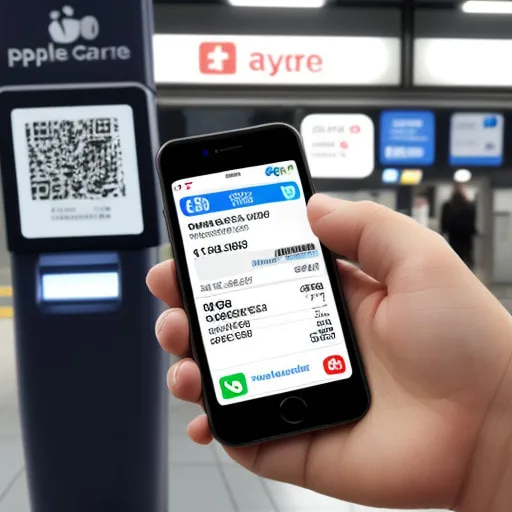
In busy bank branches, the efficiency of cash deposit and withdrawal processes is paramount. Thermal paper is widely used for printing deposit and withdrawal slips, which are essential for recording transactions. The speed and reliability of thermal printers ensure that these slips are generated quickly, reducing wait times for customers.
For example, during peak hours, branches equipped with thermal printers can handle higher transaction volumes without delays, improving overall service quality. This streamlined process benefits both customers and bank employees, who can focus on delivering personalized assistance instead of managing long queues.
Supporting Operational Efficiency
Thermal paper’s reliability extends beyond printing receipts and slips. It is also used in ticketing systems and queuing mechanisms within bank branches. These systems often rely on thermal printers to issue tickets with clear and accurate information, helping customers navigate their visits efficiently.
Additionally, thermal printing systems require minimal maintenance compared to traditional ink-based printers. This reduces downtime and operational costs, allowing banks to allocate resources more effectively. Over time, these cost savings contribute to the overall profitability and sustainability of banking operations.
Eco-Friendly Choices for Financial Institutions
As banks strive to align their operations with environmental goals, many are turning to eco-friendly thermal paper options. These papers are manufactured using sustainable processes and materials, ensuring minimal environmental impact. By adopting recyclable or biodegradable thermal paper, banks can reduce their carbon footprint while maintaining the high-quality standards expected in financial reporting.
For instance, some banks now use thermal paper certified by environmental organizations, showcasing their commitment to sustainability. This not only appeals to eco-conscious customers but also reinforces the bank’s reputation as a socially responsible institution.
Enhancing Customer Satisfaction Through Efficiency
The use of thermal paper in financial reporting and operations directly impacts customer satisfaction. From quick and accurate transaction slips to professional financial statements, thermal paper helps banks deliver a seamless and reliable experience. Customers value the efficiency and professionalism associated with thermal printing, which strengthens their loyalty and trust in the institution.
The Backbone of Banking Efficiency
Thermal paper is more than just a printing medium; it is a cornerstone of efficient financial reporting and operations in the banking sector. Its durability, reliability, and eco-friendly options make it a versatile solution for modern banks. By investing in high-quality thermal paper and leveraging its capabilities, financial institutions can enhance their operations, meet regulatory requirements, and exceed customer expectations.
Bridging the Gap Between Physical and Digital Banking
In today’s rapidly evolving financial landscape, banks are navigating the delicate balance between traditional banking practices and the demands of a digital-first world. Thermal paper plays an instrumental role in this transformation, acting as a bridge that connects the physical and digital realms. Through innovative applications, it supports hybrid solutions that cater to a diverse range of customer preferences and operational requirements.
The Importance of Hybrid Banking Solutions
While digital banking continues to grow, many customers still prefer physical records for their transactions. Whether due to personal preference, regulatory needs, or accessibility issues, these individuals rely on printed receipts and documents as tangible evidence of their financial activities. Thermal paper provides a reliable and efficient medium for these records while also facilitating a seamless transition to digital systems for those ready to embrace modern solutions.
For example, a customer making a deposit at a branch may receive a physical receipt printed on thermal paper, which also includes a QR code linking to their detailed transaction history online. This dual approach ensures that all customers, regardless of their technological preferences, have access to the information they need in a format they trust.

Thermal Paper Receipts with Digital Integration
One of the most innovative applications of thermal paper is its integration with digital banking platforms. By embedding QR codes, URLs, or NFC tags into receipts, banks can create a unified customer experience that bridges the gap between the physical and digital.
QR Codes: A thermal paper receipt might include a QR code that leads customers to their online banking portal, account statements, or even personalized financial recommendations. This not only enhances convenience but also encourages customers to explore digital banking features.
Promotional Links: Banks can use thermal paper receipts as a platform to share exclusive offers or financial products. For example, a receipt could link directly to a limited-time savings plan or a credit card application page.
Mobile App Integration: Receipts can direct customers to download the bank’s mobile app, providing a seamless pathway for customers to transition from in-branch transactions to mobile banking.
These digital integrations ensure that even customers who interact with physical banking services can benefit from the speed, accessibility, and convenience of digital tools.
Enhanced Customer Engagement Through Personalization
The ability to personalize thermal paper receipts is another significant advantage. Banks can tailor the content of these receipts based on customer preferences or transaction histories. For instance:
A frequent traveler might receive a receipt with a promotional link to a travel-friendly credit card.
A small business owner might find a link to business loan options or financial planning tools.
This level of personalization not only improves customer satisfaction but also strengthens the bank’s relationship with its clients by demonstrating an understanding of their unique needs.
Security in a Hybrid Banking Environment
As thermal paper bridges the physical and digital divide, security remains a top priority. Receipts printed on thermal paper can include security features such as watermarks and thermochromic inks to prevent fraud. Additionally, QR codes and digital links embedded in receipts are often encrypted, ensuring that customers’ sensitive information remains protected as they transition between physical and digital banking environments.
Eco-Friendly Thermal Paper for Sustainability
Banks embracing hybrid solutions are also focusing on sustainability. Eco-friendly thermal paper options, such as recyclable or BPA-free variants, allow financial institutions to reduce their environmental footprint while maintaining the quality and reliability of their services. These sustainable choices resonate with customers who value environmentally responsible practices, enhancing the bank’s image as a forward-thinking organization.
Thermal Paper as a Catalyst for Transformation
Thermal paper is no longer just a tool for printing receipts—it has become a vital component of the digital transformation journey in banking. By facilitating hybrid solutions that integrate physical and digital banking, thermal paper empowers financial institutions to meet the needs of all customers. With features that enhance convenience, security, and sustainability, thermal paper continues to play a crucial role in shaping the future of banking.
Case Studies: Banks Leveraging Thermal Paper
Thermal paper has become an integral part of modern banking operations, with leading financial institutions around the world adopting innovative approaches to maximize its potential. These case studies highlight how thermal paper is being used not only to streamline processes but also to enhance security and support sustainability goals.
Eco-Friendly Receipt Printing
Several banks have introduced eco-friendly thermal paper solutions as part of their green initiatives. By replacing traditional paper with BPA-free or recyclable thermal paper, these institutions have significantly reduced their carbon footprint. For instance, a major European bank implemented biodegradable thermal paper across all branches, showcasing its commitment to environmental responsibility. This move not only resonated with eco-conscious customers but also set a benchmark for other financial institutions aiming to adopt sustainable practices.
In another example, a prominent Asian bank combined eco-friendly thermal paper with digital integration, printing receipts that included QR codes directing customers to paperless transaction histories. This dual approach reduced paper waste while still providing a physical record for those who preferred it, striking the perfect balance between tradition and innovation.
Secure Document Handling with Advanced Thermal Printers
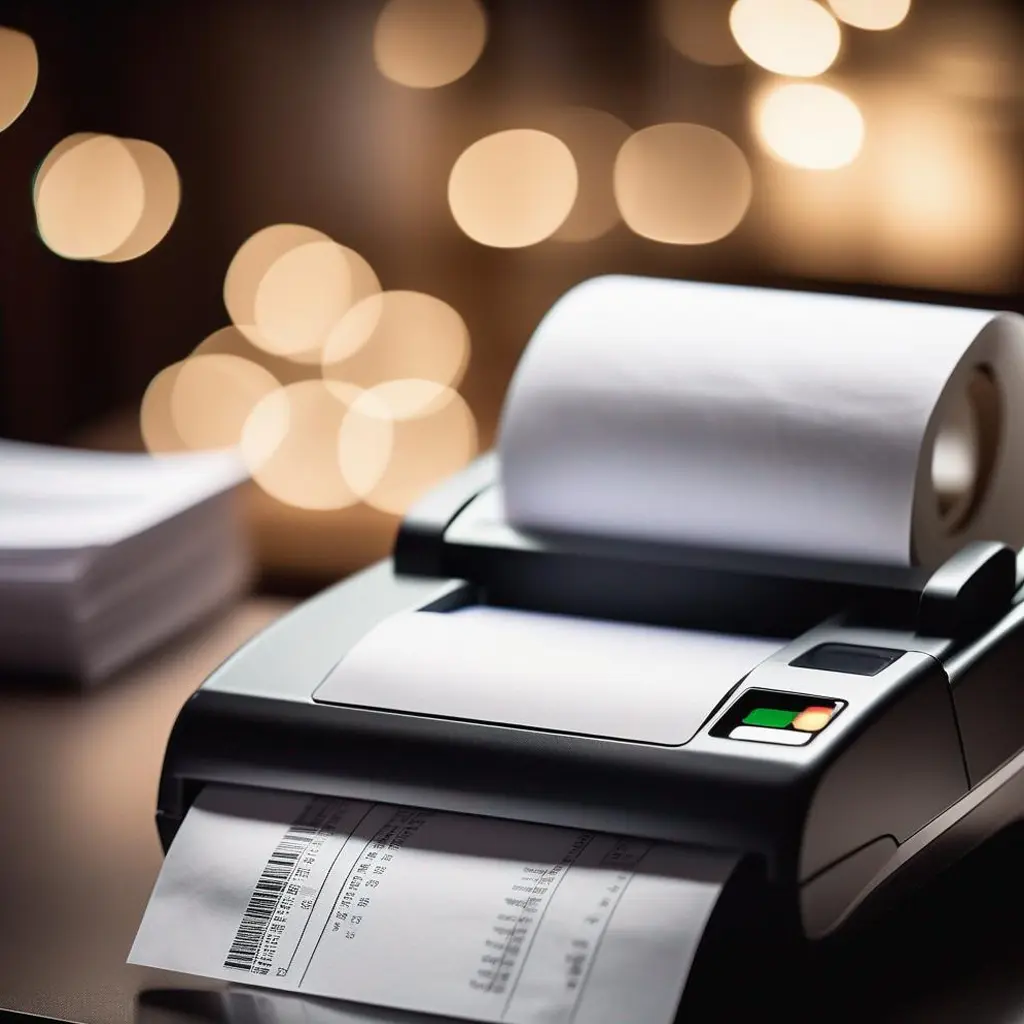
Security remains a critical concern in the banking sector, and thermal paper has proven to be an effective solution. A leading North American bank deployed advanced thermal printers equipped with anti-fraud features such as thermochromic inks, watermarks, and holographic elements. These security measures ensured that all printed materials, from checks to account statements, met stringent compliance standards and were resistant to counterfeiting.
Another global bank utilized thermal paper for high-security transaction receipts, embedding encrypted QR codes that linked to secure online portals. Customers could scan these codes to verify transactions or access detailed statements, providing an added layer of security while enhancing the user experience.
Future Trends and Eco-Friendly Innovations
The future of thermal paper in banking is being shaped by emerging technologies and growing environmental awareness. These trends are driving new applications and expanding the role of thermal paper beyond its traditional uses.
Blockchain Integration for Secure Transaction Records
One of the most exciting developments is the integration of blockchain technology with thermal paper. Banks are exploring ways to use thermal-printed QR codes or barcodes to link physical transaction records to blockchain-based systems. This approach ensures that every transaction is immutable, traceable, and secure. For example, receipts printed on thermal paper could contain a unique blockchain identifier, allowing customers and institutions to verify the transaction’s authenticity with ease.
AI-Driven Insights on Printed Receipts
Artificial intelligence is transforming how banks interact with their customers, and thermal paper is playing a role in this evolution. By leveraging AI algorithms, banks can personalize the content printed on receipts, offering tailored recommendations, financial tips, or targeted promotions. For example, a customer who frequently uses a specific service might receive a receipt with insights into better account options or exclusive offers aligned with their banking habits.
Eco-Friendly Thermal Paper Innovations
As sustainability takes center stage, banks are adopting thermal paper solutions that align with their environmental goals. New innovations include recyclable, biodegradable, and BPA-free thermal paper that meets the same high standards as traditional options.
Some banks have even partnered with manufacturers to develop custom thermal paper that includes water-based coatings instead of chemical additives, further reducing environmental impact. These innovations not only help banks achieve their sustainability targets but also appeal to customers who prioritize eco-friendly practices.
Sustainability as a Competitive Advantage
Banks that invest in eco-friendly thermal paper and other sustainable technologies gain a competitive edge in the market. Customers are increasingly choosing financial institutions that demonstrate environmental responsibility, and adopting green thermal paper solutions is a tangible way to showcase this commitment.
The Bright Future of Thermal Paper in Banking
Thermal paper continues to evolve, adapting to the changing needs of the banking sector. From secure document handling to cutting-edge technologies like blockchain and AI, its applications are expanding rapidly. Meanwhile, eco-friendly innovations ensure that thermal paper remains a sustainable choice for forward-thinking banks. As financial institutions navigate the challenges of digital transformation and sustainability, thermal paper remains an invaluable tool for delivering secure, efficient, and environmentally conscious banking services.
Conclusion
Thermal paper has become an indispensable asset in the banking sector, driving efficiency, enhancing security, and improving customer experiences. By adopting innovative applications of thermal paper, banks can stay ahead of the curve while aligning with sustainability and digital transformation goals.
For a closer look at the range of high-quality thermal paper options, explore the thermal paper collection at Stingbull Ribbon, where innovative solutions meet exceptional quality. Whether you’re in retail, logistics, or banking, Stingbull Ribbon has the perfect products to elevate your operations.