
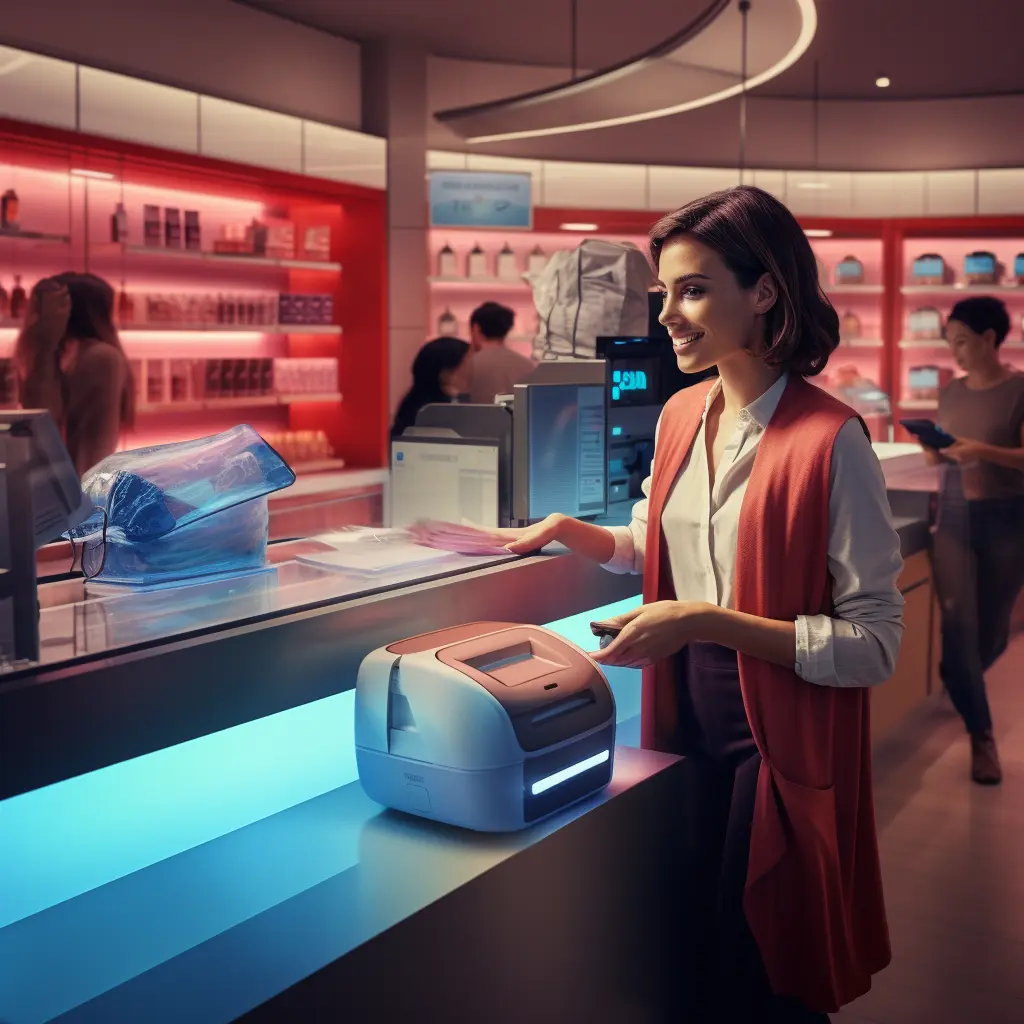
The retail industry is undergoing a massive transformation. From shifting consumer expectations to rapid technological advancements, businesses are seeking innovative solutions to enhance their operations and customer experiences. One such innovation at the forefront of this retail revolution is the combination of thermal paper and smart labels. These technologies are not just reshaping how products are labeled, tracked, and marketed, but are also enabling more personalized, efficient, and sustainable retail environments.
The Evolution of Thermal Paper in Retail
Thermal paper has been a staple in retail for years, known for its ability to print clear, sharp receipts, labels, and price tags without the need for ink. It’s efficient, cost-effective, and ideal for high-volume operations. However, as consumer demands and technological capabilities evolve, so too must thermal paper. Businesses are increasingly looking for ways to integrate smarter, more dynamic solutions that go beyond the basics.
For retailers, the next step in this evolution is the integration of smart labels. These next-generation labels combine the simplicity of thermal paper with advanced technologies like QR codes, RFID, and NFC to create a more interactive, data-driven experience.
What Are Smart Labels?
Smart labels represent a significant step forward in the world of product labeling, combining traditional labeling methods with modern technology to create a more interactive and data-rich experience. Unlike standard labels that only provide basic information like prices and product names, smart labels can carry dynamic data, offer real-time updates, and interact with customers in meaningful ways. These labels utilize various technologies, including QR codes, RFID, and NFC, that can be seamlessly integrated with thermal paper.
QR Codes: Linking to a World of Information
One of the most common and effective technologies in smart labels is the QR code. When printed on thermal paper, QR codes provide a direct link to a wealth of digital content. Customers can simply scan the code with their smartphones to access detailed product information, videos, customer reviews, or even promotional offers. This simple interaction enhances the in-store experience, allowing customers to learn more about a product before making a purchase. Additionally, QR codes can lead to personalized loyalty programs, where customers earn points or rewards just for interacting with a product label. This creates a seamless bridge between physical products and digital engagement, offering valuable insights for both businesses and customers.
RFID: Real-Time Tracking and Inventory Management
RFID (Radio Frequency Identification) is another powerful technology that transforms the way businesses manage inventory. When embedded in smart labels, RFID tags allow products to be tracked in real-time, providing valuable data on stock levels, product movement, and sales trends. For retailers, this means better inventory control, reduced loss from theft or misplacement, and more accurate forecasting. RFID also enhances the customer experience by reducing checkout times and improving stock availability. If a customer is looking for a specific item that is out of stock in one store, RFID-enabled smart labels can direct them to the nearest location where the product is available.
NFC: Interactive, Personalized Shopping
NFC (Near Field Communication) is a technology that enables communication between devices when they are in close proximity, such as a smartphone and an NFC-enabled label. By embedding NFC chips in smart labels, retailers offer customers a more personalized and interactive shopping experience. Customers can tap their smartphones on an NFC-enabled label to receive tailored content, such as product recommendations, special discounts, or even personalized shopping experiences. This technology not only enhances the customer’s in-store journey but also gathers valuable consumer behavior data that can be used to refine marketing strategies and product offerings.
Combining Smart Labels with Thermal Paper: The Perfect Solution for Retail
Integrating these advanced technologies with thermal paper combines the best of both worlds. Thermal paper is known for its efficiency, durability, and cost-effectiveness, making it an ideal material for printing smart labels. By combining the precision and simplicity of thermal paper with the power of QR codes, RFID, and NFC, businesses can deliver more value to their customers while improving operational efficiency. Smart labels printed on thermal paper allow retailers to provide a more immersive shopping experience, enhance product tracking, and ultimately, drive greater customer loyalty.
Smart labels not only improve the customer experience but also streamline business operations, reduce costs, and support sustainable practices. The flexibility of thermal paper ensures that these innovations can be implemented across a range of retail environments, from fashion stores to grocery chains. For businesses looking to stay ahead of the curve and offer smarter solutions, integrating thermal paper with smart labels is a step toward a more connected and efficient retail world.
Innovative Applications of Thermal Paper and Smart Labels in Retail
The combination of thermal paper and smart labels is rapidly transforming the retail landscape, offering innovative solutions across various functions. From customer engagement to inventory management, this technology is helping businesses stay competitive, efficient, and customer-focused. Let’s take a closer look at some of the most groundbreaking applications of thermal paper and smart labels in retail:
1. Product Information and Marketing
Smart labels are revolutionizing how retailers communicate with customers. With the help of technologies like QR codes and NFC, retailers can embed dynamic, real-time content directly onto product labels, offering personalized experiences that go beyond traditional marketing.
For example, a clothing tag made from thermal paper could display the product’s price and size, while simultaneously offering personalized discounts or promotions based on the shopper’s previous purchases or browsing history. This type of targeted marketing is more effective in capturing customer interest and boosting sales. Retailers can use these interactions to create personalized shopping experiences, leading to better customer satisfaction and higher conversion rates.
Beyond discounts, smart labels can also display additional product details, like sizing guides, fabric care instructions, or styling tips. This ensures customers are fully informed, making it easier for them to make a purchasing decision.
2. Inventory Management
Efficient inventory management is key to keeping retail operations running smoothly, and the integration of smart labels with thermal paper has proven to be an invaluable tool. By incorporating RFID (Radio Frequency Identification) and NFC (Near Field Communication) technologies into thermal labels, businesses can gain real-time visibility into their stock levels, drastically improving inventory control.
For example, RFID tags embedded in thermal labels can automatically update stock records as products are sold or restocked. This real-time data allows for precise inventory tracking, reducing the risk of stockouts and overstocking. As a result, businesses can better anticipate demand, optimize stock levels, and streamline their supply chain operations. With this level of data accuracy, retailers are also able to automate stock replenishment, ensuring products are always available when customers need them.
3. Sustainability
Sustainability has become a major concern for both businesses and consumers alike, and the retail industry is no exception. As consumers increasingly prioritize eco-friendly practices, incorporating sustainable solutions into operations is not just a trend—it’s a necessity.
Smart labels printed on eco-friendly thermal paper offer a solution that aligns with the growing demand for sustainability. Many thermal papers are now BPA-free, recyclable, and biodegradable, making them a greener alternative to traditional labels. Retailers can use these eco-friendly thermal paper options while still benefiting from the efficiency and durability of thermal printing.
The use of sustainable thermal paper, combined with smart labels, helps retailers reduce waste, minimize their environmental footprint, and demonstrate their commitment to environmental responsibility. For businesses focused on both operational efficiency and environmental impact, eco-friendly thermal paper is the perfect fit. Explore our Thermal Paper Collection for sustainable options that support both your business goals and environmental values.
4. Customer Engagement
Customer engagement is at the heart of successful retail strategies, and smart labels play a crucial role in fostering interaction and building brand loyalty. With thermal paper and smart labels, businesses can create a dynamic and personalized experience for their customers, transforming ordinary shopping into an engaging journey.
For instance, when a customer scans a QR code on a thermal label, they might instantly be directed to a webpage showcasing related products, customer reviews, or even a video tutorial. Retailers can also offer personalized discounts or special offers based on the customer’s scanning behavior. This level of interaction not only drives sales but also strengthens the relationship between the retailer and the customer.
Additionally, NFC-enabled smart labels allow customers to interact with products simply by tapping their smartphones against the label. This touchless experience enhances convenience while offering an opportunity for retailers to provide tailored content and promotions in real-time. Whether it’s a discount on their next purchase or a product recommendation based on their browsing habits, smart labels facilitate a deeper connection between the brand and the consumer.
5. Enhancing the Overall Retail Experience
The integration of thermal paper and smart labels creates a seamless, interactive, and personalized shopping experience. Customers no longer have to rely solely on store employees or static product information—they can easily access real-time data and tailor their shopping journey to suit their preferences.
From real-time inventory updates and personalized product recommendations to sustainability and customer loyalty programs, the possibilities for smart labels are limitless. Retailers who embrace this technology can not only improve operational efficiency but also create an experience that delights and engages customers.
As the retail industry continues to evolve, combining thermal paper with smart labels offers a forward-thinking solution that is efficient, sustainable, and customer-centric. For businesses looking to stay ahead of the curve, this innovative combination is the key to future-proofing operations and keeping customers coming back for more.
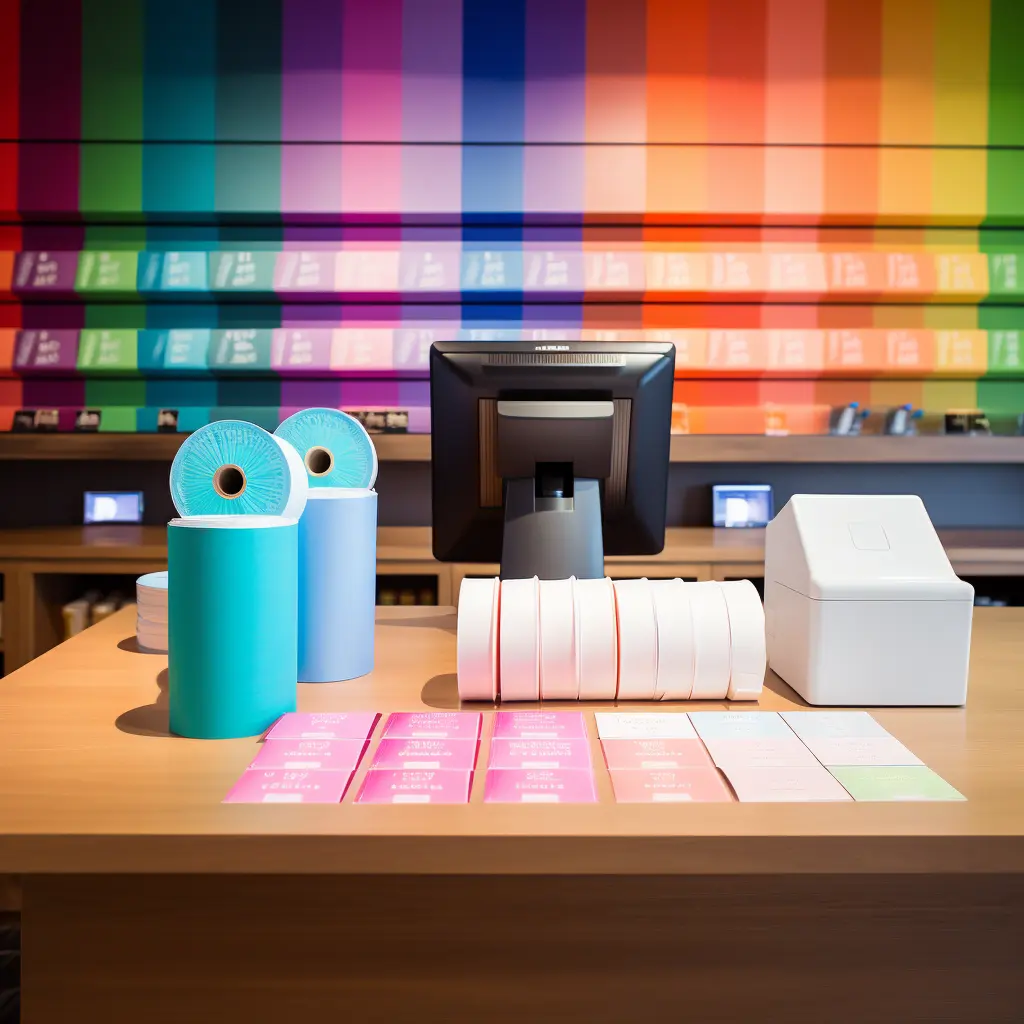
The Future of Thermal Paper and Smart Labels in Retail
The fusion of thermal paper and smart labels has already made a significant impact on the retail industry, but the potential for these technologies is far from being fully realized. As retail continues to evolve, we can expect even more innovations that will redefine how businesses engage with customers and streamline operations. Below are some exciting developments that could shape the future of thermal paper and smart labels in the retail sector:
1. AI-Powered Labeling
As artificial intelligence (AI) continues to advance, it’s set to revolutionize how smart labels function in retail environments. The integration of AI with thermal paper and smart labels can open up new possibilities for personalization and automation. Imagine a thermal receipt that not only displays the purchase details but also offers personalized product recommendations based on the customer’s past buying behavior or browsing history.
For example, an AI-driven system could analyze customer data in real-time and print tailored discounts, promotional offers, or loyalty rewards on receipts as customers make their purchases. This ability to deliver instant, personalized content directly on thermal paper enhances the customer experience, drives sales, and strengthens brand loyalty. Furthermore, AI can help retailers automatically adjust pricing and promotions based on market trends, customer demand, or inventory levels, all while using thermal labels that are capable of handling dynamic, real-time data.
2. More Durable Materials
As retail becomes increasingly data-driven, the need for durable materials that can withstand the demands of modern retail environments is growing. With the constant scanning, handling, and exposure to various elements (such as sunlight, moisture, or temperature changes), retailers need thermal paper that remains legible and reliable over time.
Future innovations in thermal paper are expected to focus on improving the resilience of the material without compromising its print quality. For instance, thermal paper could be made more resistant to wear and tear, ensuring that labels and receipts remain clear even after prolonged exposure to heat, humidity, or friction. This durability will be particularly important for high-traffic areas like busy retail stores, warehouses, and logistics operations, where quick scanning and constant handling are commonplace.
The ability to provide long-lasting, high-quality prints will also ensure that retailers get the most out of their labeling systems, reducing the need for frequent reprints or replacements. The combination of advanced materials and thermal printing technology will help brands deliver superior, reliable solutions for years to come.
3. Seamless Integration with Omnichannel Retail
Omnichannel retail is the future of shopping, where consumers expect a smooth, consistent experience regardless of whether they are shopping online, in-store, or through mobile apps. Thermal paper with smart labels will play a pivotal role in linking physical products to digital experiences, creating a seamless bridge between the two worlds.
For example, smart labels on products can connect customers to detailed product information, promotions, and interactive experiences via QR codes or NFC technology. Whether a customer is in a brick-and-mortar store or browsing from their smartphone, they will be able to access the same high-quality content. This type of integration helps ensure that customers are provided with consistent service across all touchpoints, reinforcing a brand’s commitment to a unified and personalized experience.
Moreover, with omnichannel shopping, retailers can leverage data from both physical and online interactions to provide even more personalized services. By analyzing consumer behavior across platforms, retailers can tailor marketing campaigns, recommendations, and promotions, making the shopping experience feel more cohesive and custom-fit for each individual. Thermal paper labels that integrate seamlessly with omnichannel systems will be at the heart of this future retail landscape, ensuring that all customer touchpoints are connected and optimized.
4. Enhanced Sustainability and Eco-Friendliness
Sustainability is becoming a key priority for both consumers and businesses alike. The demand for eco-friendly solutions is driving the innovation of thermal paper, with an increasing emphasis on producing recyclable, biodegradable, and BPA-free options. As these materials continue to improve, retailers will be able to offer products and services that are not only innovative but also environmentally responsible.
The future of thermal paper in retail will likely see the introduction of even more sustainable materials that combine the durability and efficiency of traditional thermal paper with the benefits of eco-conscious production. For example, thermal paper could be manufactured using plant-based materials or incorporate post-consumer recycled content, further reducing the environmental footprint of retail operations.
Incorporating eco-friendly thermal paper into retail labeling and printing systems will help brands meet sustainability goals, reduce waste, and appeal to environmentally-conscious consumers. By using smart labels on recyclable or biodegradable thermal paper, retailers can simultaneously enhance the customer experience while supporting the broader movement toward sustainability.
5. Data-Driven Insights and Predictive Analytics

The future of retail is not just about enhancing the customer experience but also about harnessing the power of data to optimize operations. Smart labels integrated with thermal paper are expected to provide deeper insights into consumer behavior, inventory management, and supply chain optimization.
In the near future, retailers will be able to track customer interactions with smart labels more accurately and in real-time. This data can then be used to predict purchasing patterns, forecast inventory needs, and improve product placement. For instance, retailers could use insights from scanning behaviors (e.g., which products are frequently scanned or viewed) to adjust marketing strategies and product availability, improving overall sales and customer satisfaction.
With predictive analytics driven by real-time data from thermal paper labels, retailers can make more informed decisions, enhance operational efficiency, and deliver a more personalized shopping experience. This data-driven approach will become essential for businesses looking to stay ahead in an increasingly competitive retail environment.
The future of thermal paper and smart labels in retail is full of exciting possibilities. As technology continues to evolve, these innovations will become even more integrated into everyday retail operations. From AI-powered personalization and durable materials to seamless omnichannel integration and enhanced sustainability, the combination of thermal paper and smart labels will play a pivotal role in shaping the next generation of retail experiences. Retailers who embrace these advancements will be well-positioned to offer more efficient, engaging, and customer-centric solutions, ensuring their success in an ever-changing market.
How Retailers Can Adapt and Benefit from These Innovations
In an ever-evolving retail landscape, staying ahead of the competition requires embracing new technologies that enhance operational efficiency and customer experience. Smart labels and thermal paper are among the most innovative tools shaping the future of retail, offering unparalleled opportunities for businesses to streamline their processes, boost customer engagement, and enhance sustainability. Here’s how retailers can adapt and benefit from these groundbreaking innovations:
1. Assess Your Current Labeling and Inventory Systems
Before diving into the adoption of smart labels and thermal paper, retailers should conduct a comprehensive assessment of their current labeling and inventory management systems. This evaluation should include the following steps:
Identify Weak Points: Review your existing systems to pinpoint inefficiencies, such as outdated or manual processes that lead to errors, delays, or stockouts. Smart labels can significantly enhance stock tracking, making it easier to monitor inventory in real time and update stock records instantly.
Evaluate Customer Interactions: Consider how your current labeling and product displays interact with customers. Are your labels providing just basic information, or could they offer more dynamic content, such as promotions, personalized offers, and product details? Smart labels integrated with thermal paper can deliver real-time data and personalized interactions, improving the overall shopping experience.
By assessing your current operations, you can identify where smart labels will add the most value and begin planning for their implementation.
2. Choose the Right Smart Labels
Once you’ve assessed your current systems, the next step is selecting the right smart labels for your needs. When integrating smart labels with thermal paper, it’s essential to ensure that the labels can support the required technologies. Some key considerations include:
RFID, NFC, or QR Code Compatibility: Smart labels can utilize different technologies such as RFID (Radio Frequency Identification), NFC (Near Field Communication), and QR codes. Depending on your goals, you may need one or more of these technologies to track inventory, engage with customers, or provide additional product information. For example, RFID tags are ideal for inventory management as they enable automatic updates and real-time tracking, while QR codes allow customers to interact with the product by scanning and accessing digital content like reviews or promotions.
Data Handling Capabilities: Make sure the thermal paper and smart labels you choose can handle the volume of data you need to collect and transmit. Look for labels that offer sufficient storage and processing capacity for your business’s needs, whether it’s tracking inventory or personalizing customer experiences.
By choosing the right smart labels, retailers can ensure they are equipped to fully utilize the advantages of thermal paper in their operations.
3. Invest in Sustainability
Sustainability is no longer just a trend; it’s a critical factor for consumers and businesses alike. As sustainability concerns grow, retailers must consider eco-friendly options when adopting new technologies like thermal paper and smart labels. Here’s why it’s important:
Reducing Environmental Footprint: Choosing eco-friendly thermal paper options, such as those from our Thermal Paper Collection, helps reduce the environmental impact of your labeling and printing systems. Look for BPA-free, recyclable, and biodegradable thermal paper that supports your commitment to sustainability without compromising print quality or durability.
Meeting Consumer Expectations: More consumers are looking for environmentally responsible brands. By adopting sustainable practices, such as using eco-friendly thermal paper, retailers can strengthen their reputation, meet consumer demand for greener options, and even benefit from certifications or labels that highlight their sustainability efforts.
Investing in sustainability not only improves your operational efficiency but also aligns your business with the growing trend toward environmental responsibility, making your brand more appealing to conscientious consumers.
4. Train Your Team
The successful integration of smart labels and thermal paper requires a knowledgeable and well-prepared team. Ensure your staff is fully trained to handle the new technologies effectively. This will help maximize the potential of these innovations and ensure smooth operations. Here’s how to approach training:
Familiarize Staff with New Systems: Provide comprehensive training on how to use the new labeling and inventory systems. This includes understanding how to manage RFID/NFC tags, use scanning devices, and interpret the data from smart labels. Familiarity with these technologies will empower your team to solve issues quickly and use the new tools to their fullest potential.
Highlight Benefits to Staff: It’s important to emphasize the benefits of these technologies to your team. For example, explain how smart labels and thermal paper will simplify inventory management, improve the shopping experience for customers, and streamline daily tasks. When staff understand the advantages, they are more likely to embrace the changes and contribute to their successful implementation.
Ongoing Support and Feedback: As new technologies are introduced, providing ongoing support and gathering feedback from your team is essential. Ensure that there’s a support system in place to address any challenges that may arise during the transition. Regularly check in with staff to ensure they are comfortable using the new systems and to identify any areas for improvement.
5. Embrace the Future of Retail
Adapting to innovations like smart labels and thermal paper allows retailers to stay competitive and provide a better experience for both customers and employees. By embracing these technologies, you can improve operational efficiency, enhance sustainability, and offer more personalized, engaging experiences to your customers.
At Stingbull Ribbon, we are committed to offering high-quality thermal paper solutions that are designed to integrate seamlessly with the latest smart labeling technologies. Whether you’re looking to enhance your inventory management system or provide dynamic, personalized customer interactions, our Thermal Paper Collection has the products you need to stay ahead of the curve.
By taking the right steps now, you can ensure that your business is ready to leverage the power of smart labels and thermal paper, paving the way for a future-focused retail operation that is efficient, customer-centric, and sustainable.
Conclusion
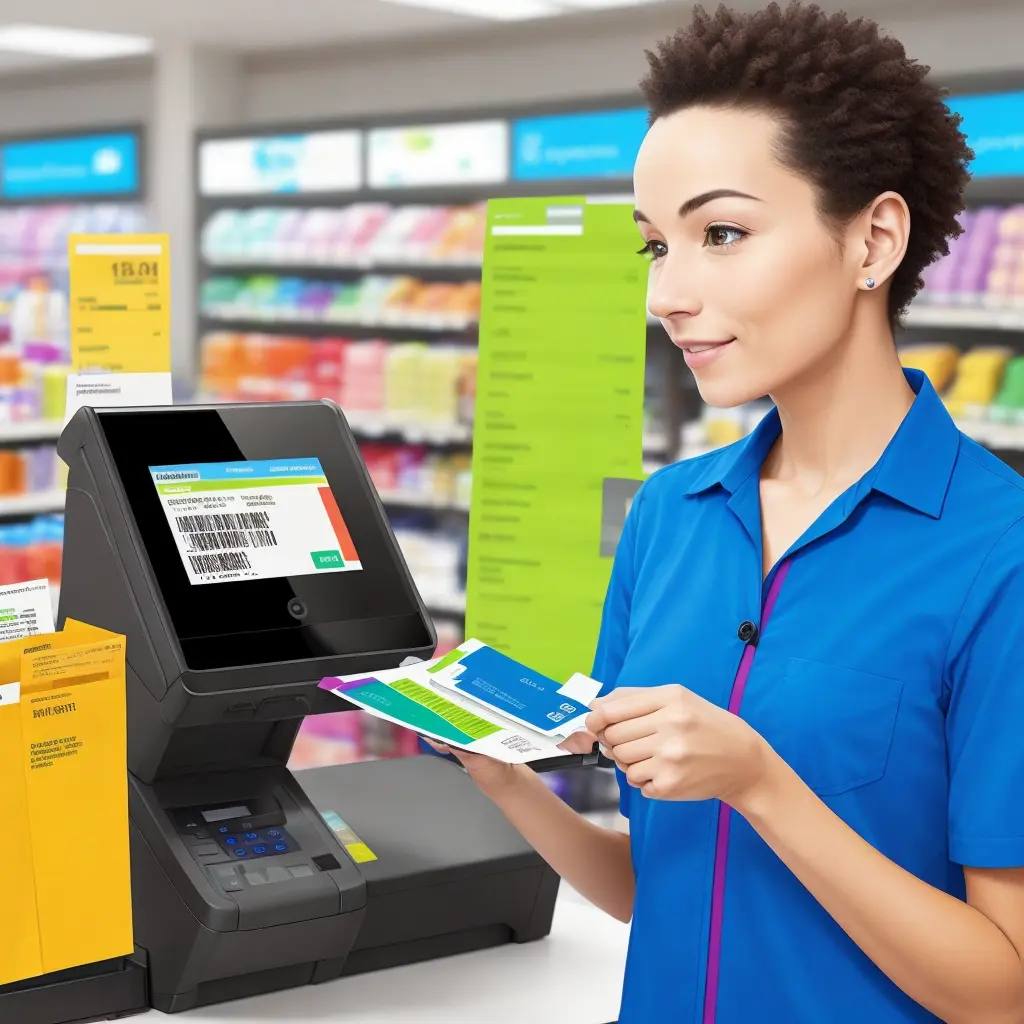
The integration of thermal paper and smart labels is transforming retail, offering new ways to engage customers, streamline operations, and promote sustainability. As technologies like RFID, NFC, and AI continue to evolve, the future of retail will become increasingly interactive, data-driven, and personalized. Retailers who embrace these innovations will not only improve efficiency but also create stronger connections with consumers.
For businesses looking to adopt these innovative solutions, our Thermal Paper Collection provides a wide range of high-quality, eco-friendly options to meet the demands of future retail. Embrace the future of retail today with thermal paper and smart labels.