
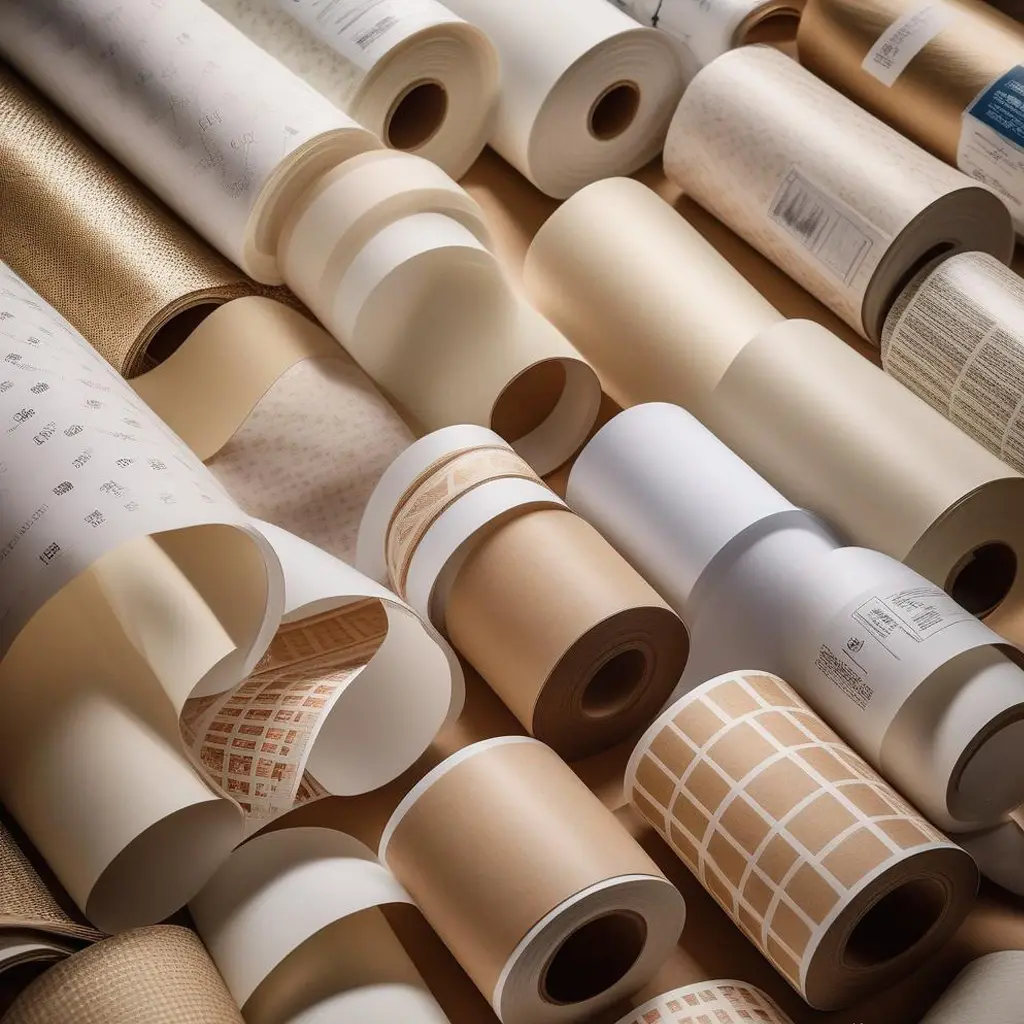
As healthcare moves further into the digital age, the importance of combining digital health records (DHRs) with traditional solutions like thermal paper is becoming increasingly clear. This integration bridges the gap between fully digital systems and the continued need for physical documentation, enhancing efficiency and convenience for healthcare providers and patients alike.
The Role of Digital Health Records in Modern Healthcare
Digital health records are the backbone of today’s healthcare systems. They centralize patient information, improve accessibility, and streamline operations, making data easily shareable across providers. However, not all facilities can adopt fully paperless systems overnight. The transitional period often demands solutions like thermal paper to support seamless operations.
The Continued Importance of Thermal Paper in Healthcare
Thermal paper remains essential for various applications in healthcare, including printing prescriptions, test results, and patient wristbands. Its speed, reliability, and affordability make it an indispensable tool, especially when integrated with digital systems. For businesses seeking high-quality options, check out our thermal paper collection to explore BPA-free and eco-friendly choices.
Benefits of Integrating Thermal Paper with Digital Systems
Enhanced Record Management
One of the primary benefits of integrating digital health records (DHRs) with thermal paper is the ability to manage both digital and physical records seamlessly. In today’s healthcare environment, patients may require different formats of their medical information. Some patients prefer or need a printed copy of their prescriptions, test results, or discharge summaries for easier reference. By integrating DHR systems with thermal paper printing solutions, healthcare providers can instantly offer both digital and hard copies of these essential records.
This flexibility helps to ensure that patient needs are met without requiring a complete shift to digital-only formats, which may not be feasible for all patients or healthcare facilities. Additionally, physical records printed on thermal paper are quick and efficient to generate, which is crucial in busy healthcare settings where time is of the essence.
Improved Efficiency
Integration of thermal paper with DHR systems can significantly improve operational efficiency. By connecting digital health record systems directly to thermal printers, healthcare providers can instantly generate physical copies of prescriptions, patient summaries, or test results at the point of care. This real-time access to printed records eliminates delays, reduces the risk of errors, and enhances patient satisfaction by providing immediate documentation.
For example, a patient leaving the hospital after a procedure may need a discharge summary with specific aftercare instructions, medication lists, and follow-up appointments. Instead of waiting for a manual process or dealing with paperwork backlogs, the healthcare provider can quickly print the required information via an integrated thermal printer, ensuring a smooth and timely discharge process. This level of efficiency is invaluable in high-paced healthcare environments.
Privacy Compliance
Another crucial advantage of integrating thermal paper with DHR systems is the ability to ensure privacy and security, particularly when electronic systems are temporarily unavailable. While digital health records offer a range of security features, there may still be occasions when electronic systems experience downtime due to power issues, system updates, or other technical difficulties.
During such times, having a backup option like thermal paper ensures that healthcare providers can still maintain the flow of patient care and keep sensitive data secure. Physical copies printed on thermal paper can be easily stored or handed directly to patients without worrying about data breaches that might occur if digital systems are compromised. This integration provides a fail-safe mechanism that ensures patient confidentiality and privacy are upheld, even in the event of technical disruptions.
In conclusion, the integration of thermal paper with digital health records offers enhanced management of both digital and physical records, streamlines workflow efficiency, and ensures privacy compliance, making it a critical solution for modern healthcare systems.
Use Cases Highlighting the Integration
The integration of thermal paper with digital health records (DHRs) offers practical solutions in real-world healthcare scenarios. By leveraging both digital and physical record-keeping, healthcare providers can meet the diverse needs of patients while improving operational efficiency. Below are some key use cases where thermal paper plays an essential role in healthcare environments.
Patient Convenience
One of the most immediate benefits of integrating thermal paper with DHRs is the convenience it offers to patients. In a busy healthcare setting, patients often need quick access to critical information, such as medical summaries, test results, prescriptions, or receipts. By having a thermal printer connected to the DHR system, healthcare providers can instantly generate these documents at the point of care.
For instance, during a doctor’s visit, a patient may request a printed summary of their consultation, including any recommended treatments, prescriptions, or referrals. Instead of waiting for days or relying on paper-based systems that may cause delays, the healthcare provider can print the necessary information on thermal paper immediately. This not only reduces wait times but also enhances patient satisfaction by offering an efficient, hassle-free experience.
Wristbands for Patient Safety

Patient safety is a top priority in healthcare, and thermal paper plays a significant role in this area. Thermal paper wristbands, which can be synced with digital health records, are a crucial tool for ensuring accurate patient identification. These wristbands are often used in hospitals or clinics to track patients throughout their visit, from admission to discharge.
When integrated with DHRs, thermal paper wristbands can automatically pull patient data, including name, medical record number, and allergies, directly from the digital system. This ensures that each patient receives the correct treatment and avoids potential errors in identification. The wristband’s barcodes can also be scanned, linking to the patient’s digital health profile in real-time, which improves workflow efficiency and reduces the risk of mix-ups.
Furthermore, thermal paper wristbands are durable and designed to withstand various conditions, such as water exposure or physical handling, ensuring they remain legible throughout the patient’s visit. The ability to print these wristbands on-demand helps healthcare facilities maintain streamlined operations and minimize errors related to patient identification.
On-Demand Documentation
In fast-paced healthcare environments, timely and accurate documentation is essential. Thermal paper makes it easier for labs and healthcare providers to print test results or other documentation directly from DHRs as soon as they are available, ensuring that patients receive their results without delay.
For example, when lab tests are completed, healthcare providers can print a copy of the results on thermal paper, which can then be given directly to the patient or attached to their medical record. This on-demand printing reduces the chances of errors, such as incorrect file handling or miscommunication between departments.
Moreover, the ability to print documents from DHRs on the spot eliminates the need for separate physical filing systems or the risk of losing test results during transport. Patients and healthcare providers benefit from a seamless process that ensures accuracy and efficiency in managing important medical information.
Explore Eco-Friendly Thermal Paper Options
As the healthcare industry moves towards more sustainable practices, integrating eco-friendly thermal paper solutions can further support long-term sustainability goals. Modern thermal paper options are available in BPA-free, recyclable, and biodegradable forms, making them a more environmentally responsible choice for healthcare applications.
By choosing eco-friendly thermal paper, healthcare providers can reduce their environmental footprint while maintaining the speed and reliability that thermal paper is known for. For more details, explore our eco-friendly thermal paper collection, designed specifically for healthcare environments seeking sustainable solutions.
In conclusion, the integration of thermal paper with digital health records offers a range of practical benefits that enhance patient convenience, safety, and the overall efficiency of healthcare systems. As the industry continues to prioritize sustainability, adopting eco-friendly thermal paper solutions provides an added layer of responsibility while improving the quality of care.
Technological Innovations Driving Integration
The integration of thermal paper with digital health records (DHRs) has been greatly enhanced by advancements in modern thermal printers and innovative software solutions. These technological innovations simplify the connection between physical and digital healthcare systems, enabling healthcare providers to streamline their operations and improve patient care.
Modern thermal printers are now equipped with advanced features that make them more versatile and user-friendly. These devices can easily connect to DHR systems via cloud-based platforms, allowing real-time syncing of patient data. This seamless integration ensures that printed records, such as prescriptions, test results, or discharge summaries, are always accurate and up-to-date.
For instance, a healthcare provider can instantly print a prescription directly from the digital system after entering the data, reducing errors caused by manual transcription. Additionally, cloud-based platforms enable remote monitoring and maintenance of thermal printers, minimizing downtime and ensuring consistent performance.
Another key innovation is the incorporation of advanced security measures in these printers. Healthcare providers must comply with strict privacy regulations, and modern thermal printers offer features such as encrypted data transfer and secure storage, ensuring that patient information remains confidential during the printing process.
Overall, the integration of cutting-edge thermal printing technology with digital systems enhances operational efficiency, reduces the risk of errors, and ensures that healthcare facilities can maintain high standards of patient care.
Sustainability in Healthcare with Thermal Paper
The healthcare industry is increasingly embracing sustainable practices, and thermal paper is no exception. Innovations in thermal paper manufacturing have led to the development of eco-friendly options, such as recyclable and biodegradable thermal paper. These advancements allow healthcare providers to reduce their environmental footprint while maintaining the reliability and performance required for critical applications.
Recyclable thermal paper, for example, can be disposed of responsibly, minimizing the amount of waste sent to landfills. Biodegradable thermal paper goes a step further by breaking down naturally in the environment, making it an excellent choice for healthcare facilities aiming to align with green initiatives.
Additionally, BPA-free thermal paper has become a preferred choice in the healthcare sector. BPA, a chemical commonly used in traditional thermal paper, has been linked to potential health risks. By choosing BPA-free alternatives, healthcare providers can ensure the safety of their staff and patients while adhering to regulatory requirements.
Sustainability does not mean compromising on quality. Eco-friendly thermal paper options are designed to meet the same high standards expected in healthcare settings, offering durability, clarity, and precision. From printing patient wristbands to generating on-demand test results, these sustainable solutions deliver the performance healthcare providers need while supporting environmental goals.
If your healthcare facility is looking to adopt greener practices, consider exploring our thermal paper collection for sustainable options tailored to your specific needs.
By combining innovative thermal printing technology with eco-conscious materials, healthcare providers can create a more efficient and environmentally friendly system. This approach not only enhances patient care but also reflects a commitment to sustainability in a rapidly evolving industry.
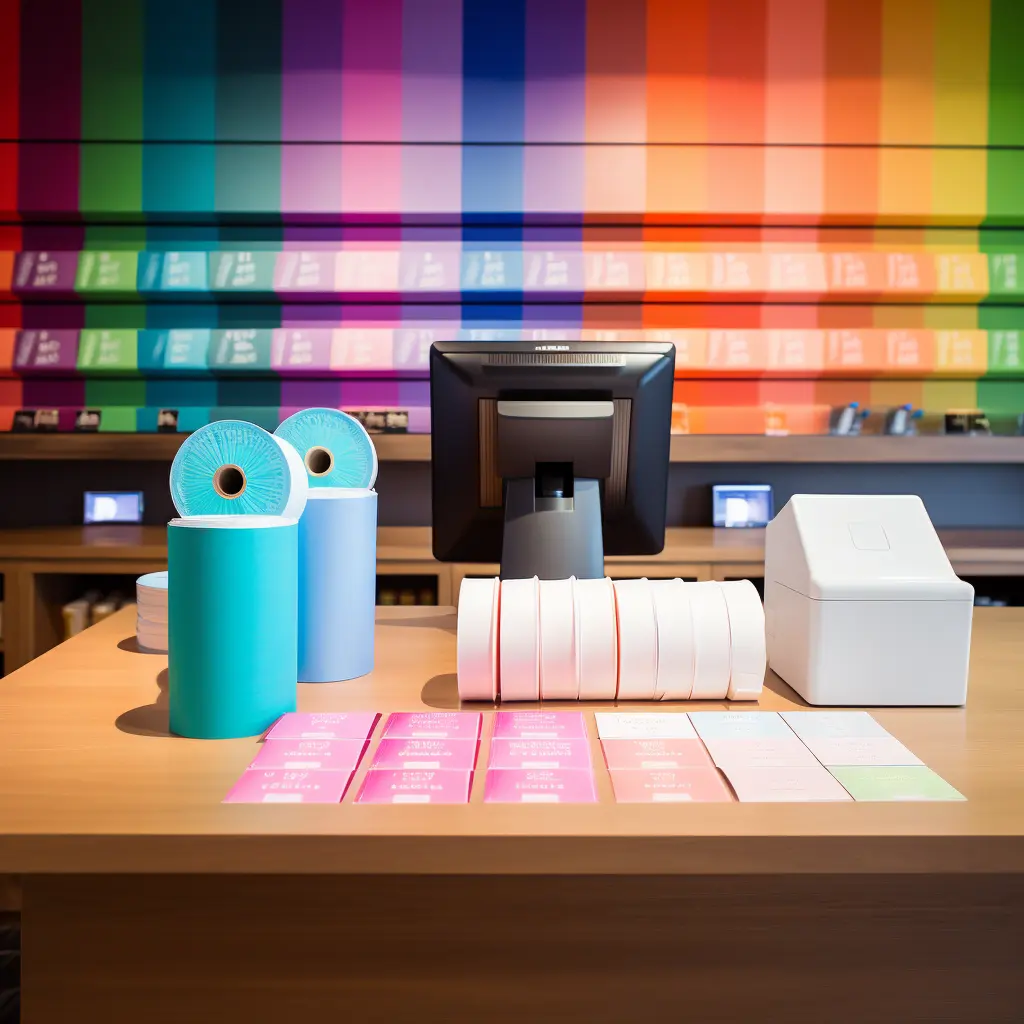
Looking Ahead: The Future of Digital Health Records and Thermal Paper Integration
The integration of digital health records (DHRs) and thermal paper represents a powerful convergence of traditional and modern technologies, reflecting the healthcare industry’s drive for innovation while respecting the need for proven, reliable solutions. As digitalization continues to reshape healthcare, the role of thermal paper is evolving to meet new demands, ensuring that healthcare providers can maintain both high efficiency and superior patient care.
Embracing the Digital Transition
While many healthcare systems have made great strides in adopting digital solutions, the transition is ongoing. The integration of thermal paper with DHRs allows healthcare providers to continue leveraging their existing infrastructure while gradually incorporating newer digital technologies. This “hybrid” approach enables healthcare systems to offer the best of both worlds: the immediacy and tactile nature of physical records, paired with the efficiency, accessibility, and security of digital records.
In the future, as digital health records become even more pervasive and widely adopted, thermal paper will continue to play a crucial role in serving as a backup or supplementary solution. Whether it’s for patient identification, prescription printing, or medical documentation, thermal paper will remain indispensable in contexts where physical copies are still required or preferred, especially in emergencies or during technological disruptions.
Innovations on the Horizon
The future holds exciting prospects for the integration of digital health records and thermal paper. One of the key developments will likely be the continued advancement of smart thermal paper and printing technologies. These innovations could include more sustainable materials, such as recyclable, biodegradable, or even compostable options, which would further reduce the environmental footprint of healthcare facilities.
Furthermore, the rise of the Internet of Things (IoT) in healthcare could bring about more sophisticated integration of thermal paper with DHR systems. IoT-enabled thermal printers may enable seamless, automated printing triggered by real-time patient data updates, streamlining workflows and improving operational efficiency. For instance, automated prescription printing or immediate generation of patient discharge papers based on digital health records could become commonplace, reducing human error and wait times.
Improving Patient Experience and Satisfaction
As patient expectations evolve, healthcare providers will continue to prioritize improving the patient experience. The integration of DHRs with thermal paper enables a faster, smoother interaction between patients and healthcare professionals. Whether it’s printing medical summaries for patients to take home after a visit or providing on-the-spot prescriptions, thermal paper ensures that patients leave with the information they need, right when they need it.
Additionally, integrating these technologies can significantly reduce the waiting times for patients, which contributes to overall patient satisfaction. By having both digital access to health records and instant physical printouts, patients experience a more seamless, efficient process from check-in to discharge.
A Sustainable Path Forward
As sustainability continues to be a core focus across industries, healthcare is no exception. The future of thermal paper in healthcare is moving toward eco-friendly alternatives, such as BPA-free, recyclable, and biodegradable thermal paper. These innovations align with the healthcare sector’s sustainability goals, helping to reduce waste and support greener practices without compromising on the quality and performance that thermal paper offers.
The growing adoption of green healthcare practices means that future innovations in thermal paper will likely focus not only on improving functionality but also on ensuring environmental responsibility. This could include more widespread use of recyclable paper, reducing plastic packaging, or developing more energy-efficient thermal printing systems.
Looking ahead, the integration of digital health records with thermal paper will remain an essential aspect of healthcare delivery, blending the best of digital and traditional solutions. As technology advances, healthcare providers can expect even more streamlined, efficient, and sustainable operations, ultimately leading to improved patient outcomes and satisfaction. By maintaining this balance of innovation and practicality, healthcare systems will be well-equipped to meet the demands of the future while still providing the high-quality care that patients expect.
For the latest in thermal paper innovations and to find the perfect solutions for your business, visit our thermal paper collection.