

Public transportation systems around the world rely heavily on efficient and reliable ticketing solutions to manage operations and improve customer experience. One standout technology that has transformed ticketing processes is thermal paper. This versatile material offers unparalleled efficiency, cost-effectiveness, and durability, making it a preferred choice for bus, train, subway, and even parking systems.
The Role of Thermal Paper in Ticketing Systems
Thermal paper operates on a simple yet ingenious principle: heat-sensitive coatings on the paper react to thermal printing heads, creating clear, high-quality prints without the need for ink or toner. This simplicity makes thermal paper ideal for public transportation applications where speed, reliability, and cost-efficiency are essential.
Whether it’s a bus ticket, subway pass, or train receipt, thermal paper ensures quick printing that allows passengers to keep moving. For businesses, this reduces operational costs and streamlines ticket management. Explore our wide range of thermal paper products designed to meet the specific needs of public transportation systems.
Advantages of Thermal Paper in Public Transit
Thermal paper has become a game-changer in public transit ticketing systems, offering a range of advantages that make it the preferred choice for transit operators worldwide. Below are the key benefits, explained in greater detail:
1. Fast and Efficient Printing
Thermal paper enables near-instantaneous printing, a critical feature for busy transit hubs where efficiency is paramount. Imagine a bustling train station during peak hours—thermal printers can produce tickets in seconds, allowing passengers to move quickly through ticketing lines. This efficiency not only reduces queues but also improves overall passenger satisfaction. Faster printing ensures that public transit services maintain their schedules without unnecessary delays caused by slower, traditional printing methods.
2. Low Maintenance Costs
Thermal printers, designed specifically for thermal paper, have fewer moving parts compared to conventional ink or toner-based printers. This simplicity translates to lower maintenance needs, reduced downtime, and significant cost savings over time. Additionally, there’s no need to purchase or stock expensive ink cartridges, further lowering operational expenses. For transportation companies managing large fleets or multiple ticketing kiosks, this durability and cost-efficiency can make a substantial difference in their bottom line.
3. Customizability for Enhanced Functionality
One of the standout features of thermal paper is its ability to accommodate various customizations. From printing logos and slogans to embedding QR codes and barcodes, thermal paper can serve multiple purposes beyond simple ticketing. For instance:
Branding: Transit agencies can include their logos or promotional messages, reinforcing their brand identity with every ticket issued.
Security Features: By adding unique QR codes or watermarks, thermal paper tickets can prevent fraud and unauthorized duplication.
Advertising: Tickets can double as mini advertising platforms, showcasing local businesses or upcoming events.
With these capabilities, thermal paper becomes a versatile medium that supports both operational needs and marketing initiatives.
4. Durability for Daily Use
Thermal tickets are designed to be robust for short-term use. Unlike ink-printed tickets, which may smudge or fade if exposed to water, sweat, or general wear, thermal paper maintains clarity. This is especially important for tickets scanned or inspected at multiple checkpoints, as legibility is crucial for smooth transit operations. Durability also ensures that tickets remain functional throughout a commuter’s journey, eliminating frustrations caused by unreadable prints.
In summary, the fast printing speeds, low upkeep requirements, customizable features, and reliable durability of thermal paper make it an indispensable asset in public transportation. Its ability to streamline operations, reduce costs, and enhance passenger experience solidifies its role as a cornerstone of modern transit systems.
Smart Transportation and Thermal Paper
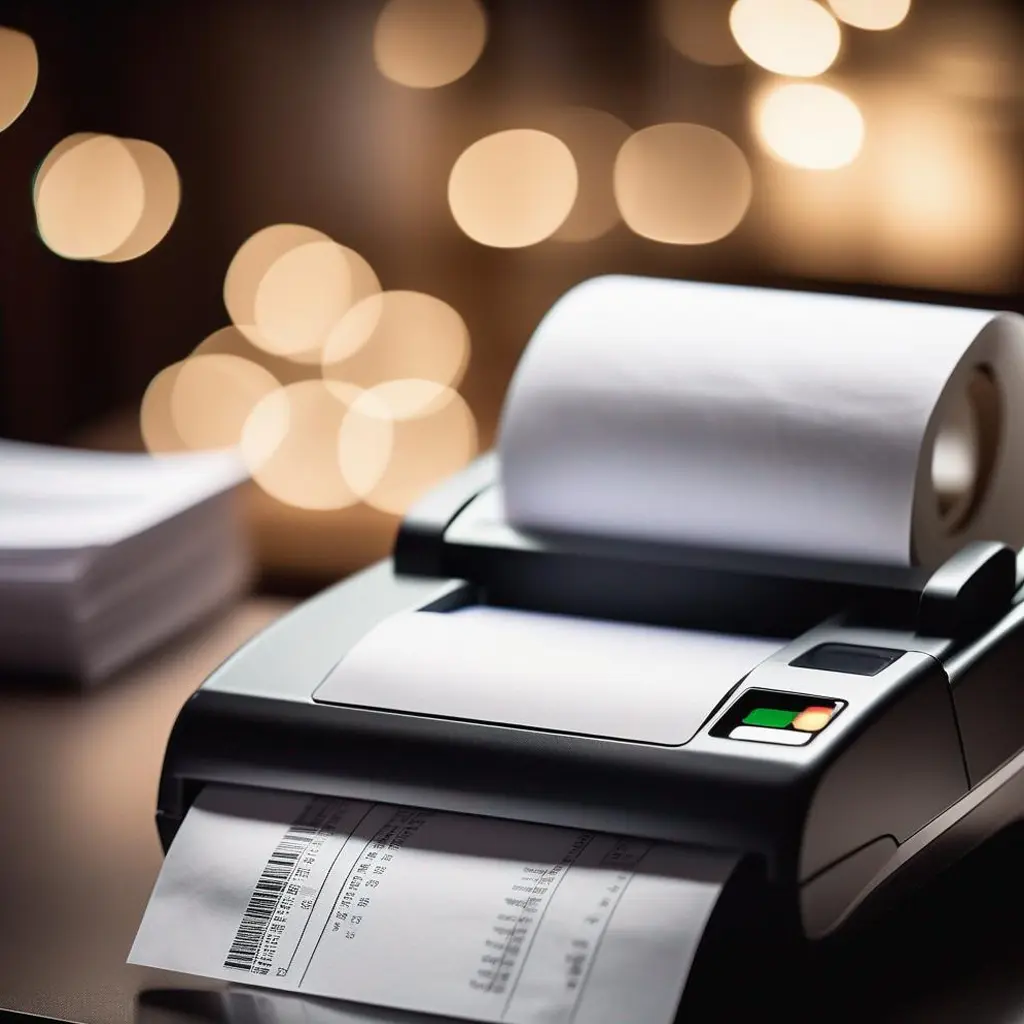
As public transportation systems evolve, the integration of smart technology has become a key focus. Features like real-time ticketing and contactless payments are now standard in many transit networks, offering unparalleled convenience for passengers and operational efficiency for service providers. Thermal paper plays a pivotal role in supporting these advanced systems by enabling seamless, reliable, and cost-effective printing solutions.
1. Real-Time Tickets for Quick Access
Modern ticketing systems equipped with thermal printers allow passengers to receive on-the-spot tickets in real time. This capability ensures smooth transit experiences, particularly in busy environments like subways, bus terminals, and train stations.
For example, when a commuter purchases a ticket at an automated kiosk, the thermal printer instantly produces a clear and durable ticket, often embedded with features like QR codes for entry gates or digital tracking. This process eliminates delays and enhances passenger flow, making it an indispensable tool for transit operators striving to meet high daily demand.
Thermal paper also supports dynamic pricing and updates in real-time ticketing systems. If a service disruption occurs or a route changes, tickets can be printed with up-to-date information, ensuring passengers have the most accurate details for their journey.
2. Receipts for Contactless Payments
As more public transportation systems adopt cashless and contactless payment methods, thermal paper has become essential for generating receipts. These receipts provide passengers with a tangible record of their transactions, fostering trust and transparency in financial dealings.
Thermal paper receipts are particularly advantageous for:
Verification and Security: Passengers can verify charges immediately after a transaction, reducing the likelihood of disputes.
Expense Tracking: For frequent travelers, printed receipts make it easier to track travel expenses for personal or business purposes.
Compliance: Many regions require transportation providers to issue receipts for tax or accounting purposes, and thermal paper offers a fast and efficient solution.
In addition to traditional ticketing, these receipts are also used in smart card reloading systems, mobile payment transactions, and even micro-transactions for short-distance fares, showcasing the versatility of thermal paper.
Advanced Thermal Receipt Paper for Smart Transit Needs
To support the growing demands of smart transportation, high-quality thermal paper designed for modern applications is critical. Our thermal receipt paper collection is tailored to meet the rigorous requirements of transit systems, ensuring flawless performance in various devices such as kiosks, handheld printers, and automated ticket machines.
3. A Future Built on Efficiency and Convenience
Thermal paper’s integration into smart transportation solutions highlights its importance in creating a seamless and efficient commuter experience. As contactless payment systems and real-time ticketing continue to expand, the reliability, speed, and adaptability of thermal paper ensure it remains a cornerstone of these innovations.
By choosing the right thermal paper for your transit system, you can elevate service quality while supporting the growing demand for smart, eco-friendly public transportation solutions.
Environmental Considerations in Public Transportation
As public transportation systems expand to accommodate growing urban populations, sustainability has become a critical focus. With millions of tickets and receipts printed daily worldwide, the environmental impact of traditional thermal paper cannot be overlooked. However, the thermal paper industry is evolving, offering innovative solutions that align with global sustainability goals without compromising efficiency or performance.
1. Addressing Chemical Concerns: BPA-Free Thermal Paper
One of the main environmental issues historically associated with thermal paper has been the use of bisphenol A (BPA) as a key component in its heat-sensitive coating. BPA, a chemical linked to potential health and environmental risks, raised concerns among regulatory bodies and consumers alike.
To address these issues, manufacturers have developed BPA-free thermal paper alternatives. These papers replace BPA with safer chemicals while maintaining the same high-quality performance. Transit systems adopting BPA-free thermal paper not only protect public health but also demonstrate a commitment to environmental stewardship.
2. Recycling and Recyclable Thermal Paper
Traditional thermal paper often posed challenges in recycling due to its chemical coatings. However, advancements in technology have led to the creation of recyclable thermal paper options, enabling these materials to be repurposed instead of sent to landfills.
By implementing recycling programs for used thermal tickets and receipts, transit agencies can significantly reduce waste. For example, collection bins at subway stations or bus terminals can encourage passengers to dispose of their tickets responsibly, supporting a circular economy.
3. Biodegradable Thermal Paper: A Game-Changer
For transit systems looking to go a step further, biodegradable thermal paper provides an innovative solution. This eco-friendly option is designed to decompose naturally over time, minimizing its impact on the environment. Such papers are especially valuable in outdoor settings, like parking systems or toll booths, where discarded tickets may end up in nature.
4. Reducing Overall Paper Usage
While eco-friendly thermal paper is a step forward, reducing paper usage altogether is another strategy for promoting sustainability. Many transit systems are adopting hybrid models that combine digital ticketing with thermal printing. This approach allows passengers to opt for electronic tickets when possible, reserving printed tickets for those who need them.
5. Sustainability as a Brand Value
Choosing eco-friendly thermal paper isn’t just an operational decision—it’s a statement of values. Transit agencies that prioritize sustainability can build stronger relationships with environmentally conscious passengers and stakeholders. By integrating green practices, these systems not only contribute to global sustainability efforts but also enhance their public image.
A Path to Greener Transit Solutions
The shift toward environmentally friendly thermal paper solutions represents a meaningful step for public transportation systems. Whether through BPA-free options, recyclable materials, or biodegradable innovations, transit agencies have the opportunity to reduce their ecological footprint while maintaining operational excellence.
By embracing these sustainable solutions, public transportation can align with broader environmental goals, setting a positive example for other industries. For transit systems seeking to make this shift, our range of eco-friendly thermal paper products provides an ideal starting point. Explore our thermal paper collection to find solutions that meet both your operational needs and sustainability objectives.
Real-World Success Stories
Thermal paper has been widely adopted by public transportation systems across the globe, becoming an integral part of daily operations. From subway networks to parking management, its reliability and efficiency have consistently delivered positive results.
1. Subway Systems: A Backbone for Daily Commuters
Cities like New York, London, and Tokyo, with millions of daily passengers, depend on thermal paper for their ticketing needs. Thermal tickets are printed in real time, enabling commuters to quickly purchase and validate tickets at automated kiosks. These tickets often include advanced features like QR codes or magnetic strips, making them compatible with turnstile scanners and ensuring seamless entry and exit processes.
The durability of thermal paper ensures tickets remain intact during the commute, even in challenging conditions like humidity or heavy handling. Its ability to support dynamic updates also makes it ideal for adapting to schedule changes, fare adjustments, or special commuter needs.
2. Parking Systems: Streamlining Urban Mobility
Thermal paper is equally indispensable in parking management systems, ranging from ticketed parking lots to high-tech toll collection. In urban centers, where space and time are at a premium, parking ticket kiosks equipped with thermal printers issue tickets almost instantaneously, reducing wait times for drivers.
Thermal parking tickets often serve multiple purposes:
Time Tracking: Clearly printed entry times help ensure accurate billing.
Payment Verification: Barcodes or QR codes on tickets allow for quick scanning at payment terminals.
Traffic Management: Efficient ticketing reduces congestion in parking lots and toll booths, improving traffic flow.
Explore our parking system thermal paper collection to find solutions tailored to these advanced systems.
Challenges and Future Innovations
Despite its widespread use, thermal paper faces certain challenges, particularly in the areas of sustainability and waste management. However, the industry is actively addressing these concerns, paving the way for a more sustainable future.
1. Environmental Impact and Solutions
One of the primary challenges with thermal paper is paper wastage, as many tickets and receipts are discarded shortly after use. This creates environmental concerns, especially with large-scale operations. To combat this, manufacturers are developing innovative solutions such as:
Biodegradable Thermal Paper: Made from eco-friendly materials, these papers break down naturally, reducing environmental impact.
BPA-Free Options: New formulations eliminate harmful chemicals, making thermal paper safer for users and the environment.
Recyclable Variants: Thermal paper designed for recycling reduces landfill waste and supports circular economy initiatives.
2. Integration with Digital Ticketing
As digital solutions continue to gain traction, thermal paper is evolving to complement rather than compete with electronic systems. For example:
Hybrid Systems: Thermal printers are used alongside mobile ticketing apps, providing paper tickets as a fallback option or for users without smartphones.
Dynamic Printing: Real-time updates printed on tickets ensure passengers always have the latest travel information.
These innovations highlight the adaptability of thermal paper in an increasingly digital world.
The Future of Thermal Paper in Public Transit
Thermal paper technology is poised to remain a cornerstone of public transit, thanks to ongoing advancements in sustainability and integration with smart systems. As cities continue to grow and transit demands increase, the role of thermal paper will only become more critical in ensuring efficient, reliable, and eco-friendly operations.
If your transit system is looking to modernize or enhance its operations, consider our comprehensive thermal paper solutions. By investing in innovative and sustainable options, you can stay ahead of the curve while meeting the needs of your passengers and the planet.
Conclusion
Thermal paper has become an integral part of public transportation, from traditional ticketing to modern smart systems. Its efficiency, cost-effectiveness, and eco-friendly potential make it indispensable for the sector. For a complete range of solutions tailored to your transportation needs, explore our thermal paper product category today.
By integrating thermal paper into public transportation systems, we can achieve a perfect balance of operational efficiency and sustainability. Whether you’re in charge of ticketing for a bus line, train network, or parking facility, thermal paper offers a proven, reliable, and versatile solution.