

As environmental policies continue to evolve and place more pressure on industries to become sustainable, the thermal paper sector is responding in kind. Thermal paper is a critical material used across various industries—from retail and logistics to healthcare and aviation. Yet, with growing concerns about its environmental impact, particularly regarding waste and chemical composition, the thermal paper industry is facing a challenge to innovate and adapt.
The Environmental Challenges for Thermal Paper
Thermal paper, despite its widespread use, has long been associated with a few environmental challenges. Perhaps the most significant of these are the chemicals used in its production, such as Bisphenol A (BPA), which is a harmful compound found in many traditional thermal papers. Additionally, the inability of standard thermal paper to decompose or recycle efficiently has raised concerns about its environmental footprint. These issues have prompted regulatory changes, forcing manufacturers and retailers to rethink their approach.
BPA and Other Harmful Chemicals
Thermal paper has traditionally relied on Bisphenol A (BPA) as a key component in its heat-sensitive coating, allowing it to produce sharp, legible prints quickly and efficiently. However, BPA is a synthetic compound with significant health and environmental concerns. Studies have linked BPA exposure to hormonal disruptions, posing risks to both human health and wildlife. This has made it a focal point for regulatory bodies worldwide.
In response, the European Union and several other regions have banned the use of BPA in thermal paper, leading manufacturers to adopt alternative chemicals like Bisphenol S (BPS). While BPS addresses some of the issues associated with BPA, it is not without its own challenges. This has driven ongoing research into safer and more sustainable chemical coatings. Manufacturers are now exploring phenol-free and completely organic options, paving the way for a new generation of thermal paper that aligns with health and environmental standards.
Recyclability and Biodegradability Issues
The recyclability of traditional thermal paper is another significant environmental concern. The chemical coatings used in standard thermal paper often interfere with recycling processes, contaminating paper waste streams and reducing the quality of recycled materials. This has led to many used thermal papers being diverted to landfills instead of being repurposed, contributing to waste accumulation.
In addition to recycling challenges, the biodegradability of conventional thermal paper is limited. The presence of synthetic chemicals and coatings slows down decomposition, leaving these materials in the environment for extended periods. The growing demand for sustainable solutions has forced the thermal paper industry to innovate, leading to the development of recyclable and biodegradable alternatives. These new options utilize eco-friendly coatings that maintain functionality while breaking down naturally or being easily processed in recycling facilities.
The Carbon Footprint of Thermal Paper Production
The production of thermal paper is energy-intensive, contributing to its overall carbon footprint. The process involves multiple stages, including pulping, chemical coating, and high-temperature drying, each consuming significant amounts of energy. Additionally, the transport of raw materials and finished products further adds to greenhouse gas emissions.
Disposal practices also play a role in the carbon footprint of thermal paper. Incineration, a common method of waste management for non-recyclable thermal paper, releases carbon dioxide and potentially harmful byproducts into the atmosphere. Meanwhile, landfilling leads to long-term environmental degradation and methane emissions from decomposing organic materials.
To address these issues, the industry is adopting more energy-efficient manufacturing techniques, such as using renewable energy sources like wind or solar power in production facilities. Innovations in logistics, such as optimizing supply chains and reducing transportation distances, are also helping to lower emissions. Furthermore, sustainable practices like utilizing recycled fibers in paper production and adopting low-impact chemical coatings are contributing to a greener approach to thermal paper manufacturing.
The Shift Toward Greener Alternatives
With these challenges mounting, policymakers have introduced stricter standards, urging industries to adopt greener alternatives. This shift is not only a response to regulatory pressures but also an acknowledgment of the growing consumer demand for environmentally responsible products. By embracing innovation and sustainability, the thermal paper industry is poised to meet these challenges head-on, creating a future where functionality and environmental responsibility coexist.
Key Environmental Policies Impacting Thermal Paper
Environmental policies designed to curb the negative impacts of industrial practices are beginning to have a tangible effect on the thermal paper market. From government bans on harmful chemicals to new sustainability targets, several key regulations are reshaping the landscape:
1. BPA Bans and Chemical Restrictions
Governments worldwide are cracking down on BPA usage due to its potential health risks. Europe’s BPA-free thermal paper legislation has sparked change, influencing other regions to follow suit. In response, manufacturers have worked diligently to develop thermal paper products that eliminate BPA and replace it with less harmful alternatives.
2. Sustainability Initiatives and Industry Standards
Governments and businesses are focusing on reducing carbon emissions and enhancing recycling efforts. By introducing environmental regulations that incentivize sustainable practices, industries like retail and logistics are pushing for greener packaging solutions. Thermal paper producers are now meeting these challenges with biodegradable, recyclable products that fit into a circular economy model.
Innovative Responses from the Thermal Paper Industry
The thermal paper industry has embraced innovation to meet the rising demand for sustainability. Manufacturers are not only finding new ways to eliminate harmful chemicals, but they are also focusing on making the entire lifecycle of thermal paper more eco-friendly.
1. Development of BPA-Free Alternatives
The demand for safer, non-toxic alternatives has never been higher. Today’s BPA-free thermal paper options are not only better for human health but also offer improved environmental performance. These alternatives, such as BPS-free paper, provide the same high-quality print while meeting regulatory standards and ensuring consumer safety.
2. Biodegradable and Recyclable Thermal Paper
Eco-conscious consumers are pushing for greener packaging solutions. Many brands are now offering recyclable thermal paper that meets both environmental and functional requirements. This type of paper can be recycled alongside regular paper waste, reducing the environmental burden associated with disposal.
3. Energy-Efficient Manufacturing Processes
In addition to creating sustainable products, manufacturers are also reducing the carbon footprint of their production processes. New, energy-efficient manufacturing technologies are reducing the amount of energy required to produce thermal paper, helping companies meet sustainability goals and reducing the impact on the environment.
Leading the Change: Companies Adopting Sustainable Thermal Paper Solutions
Several organizations are already at the forefront of this green revolution. Companies that are quick to adapt to these environmental policies not only comply with new regulations but also improve their brand image by aligning with sustainability.
Retail giants are opting for biodegradable thermal paper rolls, ensuring that their receipts are both environmentally responsible and functional.
Logistics companies are integrating eco-friendly thermal paper labels into their operations, reducing waste and aligning with sustainable shipping practices.
At Stingbull Ribbon, we understand the growing demand for eco-friendly solutions. Our product range includes a variety of sustainable thermal paper options that comply with the latest environmental standards, ensuring that your business stays ahead of the curve while maintaining high operational efficiency.
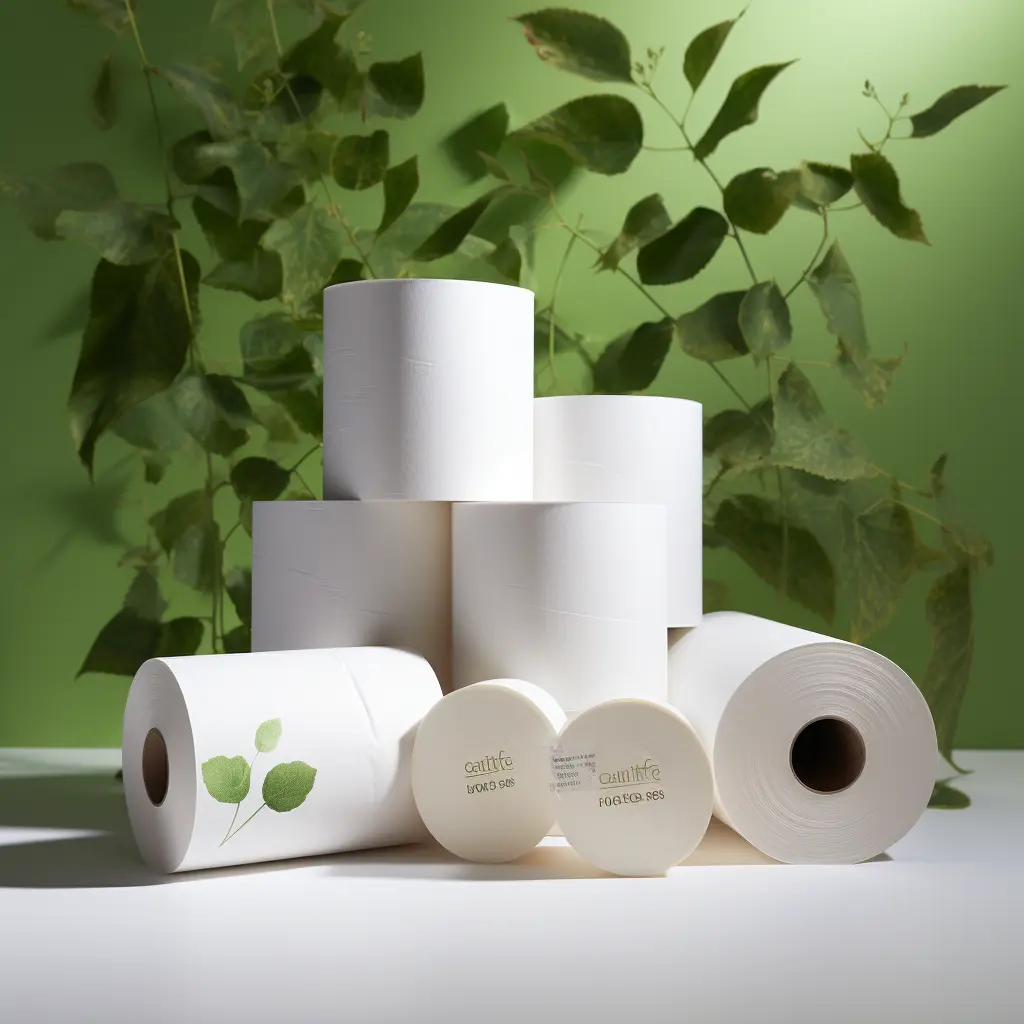
Consumer and Industry Benefits of Sustainable Thermal Paper
Adopting eco-friendly thermal paper provides several benefits for both businesses and consumers:
Improved Brand Reputation
In today’s environmentally conscious marketplace, businesses that prioritize sustainability stand out. Consumers increasingly prefer to support brands that demonstrate a commitment to protecting the environment. By adopting eco-friendly thermal paper, companies signal their dedication to responsible practices, earning trust and loyalty from their customers.
For example, a retailer that switches to biodegradable or recyclable receipts can emphasize this change in their marketing campaigns, strengthening their image as an eco-conscious brand. Over time, this reputation can translate into higher sales and a stronger customer base, as consumers are drawn to companies that align with their values. Furthermore, sustainable practices often attract positive media attention and recognition from environmental organizations, amplifying the brand’s credibility and appeal.
Compliance with Environmental Regulations
Environmental policies and regulations are becoming more stringent worldwide, requiring businesses to adopt greener materials and practices. Companies that continue to use traditional thermal paper with harmful chemicals, such as BPA, risk non-compliance, which can lead to fines, legal challenges, and damaged reputations.
Switching to BPA-free or recyclable thermal paper ensures that businesses stay ahead of regulatory changes, reducing the risk of penalties and operational disruptions. Compliance with environmental standards also positions businesses as proactive and forward-thinking, fostering better relationships with regulators, partners, and environmentally conscious customers. For companies operating internationally, adopting sustainable thermal paper simplifies the process of meeting varied regulations across different regions, ensuring smoother global operations.
Cost Savings
While the upfront cost of eco-friendly thermal paper may be slightly higher than traditional options, the long-term financial benefits are significant. The rising costs of waste management and landfill use make reducing waste more cost-effective over time. Recyclable thermal paper can be processed alongside standard paper waste, reducing disposal expenses and promoting efficient resource use.
In addition, companies that adopt sustainable materials may qualify for government incentives or tax breaks designed to encourage eco-friendly practices. Energy-efficient production techniques associated with greener thermal paper options can also lead to cost reductions for manufacturers, further driving down expenses for businesses that choose these products.
Reduced Environmental Impact
The most significant benefit of switching to eco-friendly thermal paper is its positive impact on the environment. Traditional thermal paper often ends up in landfills or incinerators, contributing to pollution and greenhouse gas emissions. By choosing biodegradable thermal paper, businesses help to reduce waste and ensure that the materials they use break down naturally without harming the ecosystem.
This reduction in environmental impact extends beyond disposal. Many eco-friendly thermal paper products are produced using sustainable materials and energy-efficient processes, minimizing the carbon footprint from production to end-of-life. Businesses that adopt such products actively contribute to a healthier planet by reducing resource consumption, preserving natural habitats, and lowering emissions.
As consumers and industries work together toward a greener future, sustainable thermal paper serves as a practical, impactful solution. By embracing these innovations, businesses not only gain operational and reputational advantages but also play a vital role in shaping a more sustainable world.
Challenges and Future Directions
Cost: Balancing Investment and Long-Term Benefits
One of the most significant challenges in adopting sustainable thermal paper is its initial cost. Eco-friendly alternatives, such as BPA-free or biodegradable thermal paper, often come at a higher price point compared to traditional products. This is primarily due to the advanced technology, research, and sustainable materials involved in their production. For small and medium-sized enterprises, the upfront investment can seem daunting.
However, the long-term savings and benefits often outweigh the initial costs. Over time, businesses can reduce expenses associated with waste management, non-compliance fines, and environmental damage. Additionally, many governments offer incentives, subsidies, or tax breaks for adopting sustainable materials, helping to offset the financial burden. Businesses that invest in greener solutions early also gain a competitive edge, appealing to environmentally conscious consumers and securing their market position as sustainability leaders.
Compatibility with Existing Equipment: A Technical Hurdle
Another common obstacle is the compatibility of new thermal paper formulations with existing printing equipment. Eco-friendly thermal paper may have slightly different chemical or physical properties, potentially requiring adjustments or upgrades to printers and other machinery. For businesses with large-scale operations or extensive infrastructure, this can result in significant transition costs and logistical challenges.
To address this, manufacturers are developing thermal paper options specifically designed to work seamlessly with standard equipment. Many providers now offer guidance, technical support, and trial runs to help businesses make the switch smoothly. By collaborating with suppliers and staying informed about the latest innovations, companies can mitigate compatibility issues and ensure a successful transition to sustainable thermal paper.
The Drive for Innovation: Next-Generation Thermal Paper

The future of thermal paper lies in ongoing research and technological advancement. Scientists and manufacturers are exploring innovative solutions to make thermal paper more sustainable without compromising on quality or performance. These efforts include developing biodegradable coatings made from plant-based or organic compounds, which reduce reliance on synthetic chemicals.
Another promising direction is the use of entirely sustainable raw materials, such as recycled fibers or agricultural byproducts, to produce thermal paper. This not only reduces the environmental impact of raw material extraction but also helps repurpose waste into valuable products. Furthermore, advancements in manufacturing processes, such as energy-efficient production lines and the use of renewable energy sources, are helping to lower the carbon footprint of thermal paper production.
A Future Aligned with Eco-Conscious Markets
As consumer demand for sustainable products grows, businesses that adapt to these changes will be better equipped to thrive in an eco-conscious market. Staying ahead of environmental trends and investing in next-generation thermal paper can help businesses build resilience, foster innovation, and strengthen customer loyalty.
The possibilities for thermal paper are endless, from integrating smart technologies that reduce waste to creating products with enhanced recyclability. Companies that embrace these advancements not only align themselves with global sustainability goals but also set the stage for long-term growth and success in a rapidly evolving industry.
Conclusion
The thermal paper industry is undergoing a transformation, driven by the need to meet stringent environmental policies and consumer demands for greener products. With innovations like BPA-free thermal paper and recyclable thermal rolls, the industry is adapting to these challenges in meaningful ways. Businesses that embrace these changes not only comply with regulations but also contribute to a sustainable future.
At Stingbull Ribbon, we are proud to offer a wide range of sustainable thermal paper options that meet the evolving needs of our customers. As environmental policies continue to shape the future of the industry, we remain committed to providing eco-friendly solutions that help reduce waste and support a greener planet.
For more information on our sustainable thermal paper products, explore our full collection at Thermal Paper Collection.