

In the world of building management, efficiency, sustainability, and effective communication are key. Thermal paper, traditionally known for its role in receipt printing, is emerging as a versatile tool in building management. From tracking energy usage to enhancing security protocols, the applications of thermal paper are expanding rapidly. In this article, we explore the innovative ways thermal paper is being integrated into building management systems and how businesses, including those in the real estate and facility management sectors, can leverage its benefits.
Thermal Paper for Energy Management
One of the most innovative uses of thermal paper in building management is in energy management. With buildings becoming smarter and more energy-efficient, it’s essential to track and monitor energy consumption in real-time. Thermal paper provides a simple yet effective solution for printing energy consumption reports, usage logs, and alerts on-site.
Using thermal labels or thermal receipts, building managers can generate and print detailed reports for energy audits, consumption breakdowns, and sustainability tracking. This ensures that data is available instantly for decision-makers, which is critical for minimizing energy waste and optimizing energy systems.
Benefits:
Real-time printing of energy consumption data.
Easier energy audits and tracking for sustainability initiatives.
Simplifies compliance with green building certifications.
If you’re looking for an easy and cost-effective way to monitor and document energy consumption, thermal paper is an ideal choice. For a wide range of energy management solutions, you can explore our thermal paper collection.
Facility Maintenance and Service Logs: Streamlining Building Management with Thermal Paper
In building management, the timely and accurate tracking of maintenance and service activities is essential. Ensuring that all aspects of the building, from HVAC systems to elevators, are regularly maintained helps prevent costly repairs, ensures safety, and extends the life of equipment. Traditional paper records can be cumbersome and prone to errors, but thermal paper offers a more efficient and reliable solution. Here’s how thermal paper can revolutionize facility maintenance and service logs:
Real-Time Maintenance Tracking
One of the most significant advantages of using thermal paper in building management is the ability to document and print maintenance records in real time. Whether you’re performing HVAC servicing, plumbing inspections, or elevator maintenance, building managers can print service records on-site, ensuring that the data is captured immediately. This eliminates the need for staff to manually enter information later, reducing the likelihood of missed details or data-entry errors.
For businesses like Stingbull Ribbon, managing multiple properties or large building inventories, being able to print maintenance logs and inspection reports directly on-site ensures that all tasks are documented accurately. The convenience of instant printing makes it easy to stay on top of maintenance schedules and meet regulatory requirements.
Enhanced Accuracy and Compliance
In industries where safety standards and regulatory compliance are critical, accurate documentation is non-negotiable. Thermal paper labels and receipts provide an efficient way to ensure that service records are captured and stored correctly. With thermal printing, maintenance logs are clear, legible, and time-stamped, which helps prove that inspections and repairs were performed within required timeframes.
By using thermal paper, building managers can improve compliance with safety regulations, ensuring that every task is completed on schedule. This level of accuracy is especially vital for meeting the stringent requirements often set by local building codes, insurance companies, or regulatory agencies.
Reducing Administrative Burden
Thermal paper simplifies record-keeping by eliminating the need for complex paperwork and manual data entry. Once a maintenance task is completed, the technician can immediately print a receipt or log on-site, reducing the risk of forgotten or delayed paperwork. This not only saves time but also minimizes the administrative burden on staff.
For large organizations or businesses managing multiple buildings, thermal paper offers a cost-effective solution to streamline the entire maintenance tracking process. The ability to print receipts and service logs on-demand minimizes delays, making it easier to manage multiple properties and stay on top of required tasks.
Benefits of Thermal Paper for Facility Maintenance:
Instant Access to Service Records: Thermal paper ensures that service records are available immediately after a task is completed, improving access to up-to-date maintenance information.
Improved Accuracy: By printing directly on-site, thermal paper eliminates the risk of missing or incorrect data that can occur with manual entry.
Reduces Administrative Burden: Eliminating the need for physical paperwork reduces administrative workload and accelerates record-keeping.
Meets Regulatory Compliance: Thermal paper provides clear, legible, and time-stamped records, helping building managers stay compliant with safety and regulatory standards.
For businesses like Stingbull Ribbon, leveraging thermal paper for facility maintenance and service logs improves operational efficiency and ensures reliability. Check out the thermal paper collection for a wide range of high-quality thermal paper products perfect for building management and maintenance tracking.

Smart Building Labels and Signage: Enhancing Efficiency with Thermal Paper
As the world moves toward smarter, more connected buildings, the role of technology in managing infrastructure has never been more critical. From improving energy efficiency to optimizing space utilization, smart building systems are revolutionizing the way we interact with our living and working environments. At the heart of these advancements are smart building labels and signage, which often rely on thermal paper for tracking, monitoring, and providing real-time updates. Here’s how thermal paper is transforming smart buildings:
Smart Tracking of Equipment and Infrastructure
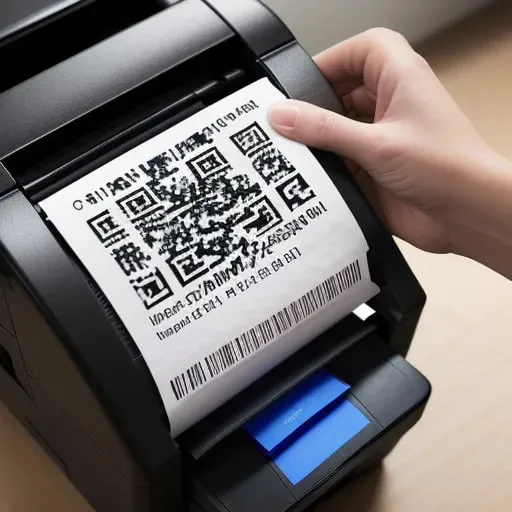
In modern smart buildings, everything from HVAC systems to elevators is increasingly integrated into centralized building management systems. Thermal paper labels play a crucial role in this integration by allowing managers to track and monitor equipment easily. Thermal labels can include barcodes or QR codes, which contain essential data about each asset, including its maintenance history, service schedules, and operational status.
By simply scanning the barcode or QR code, building managers can quickly pull up detailed information about any piece of equipment. This level of smart tracking ensures that every unit—whether it’s a fire alarm, an air conditioning unit, or a lighting system—is properly maintained, operational, and compliant with safety regulations.
For businesses like Stingbull Ribbon, which may operate across multiple buildings or large facilities, using thermal paper for asset tracking ensures that no equipment goes unnoticed, helping to maintain optimal performance and reduce costly breakdowns. With thermal labels, maintenance teams can immediately know which units require servicing, streamlining workflow and increasing operational efficiency.
Real-Time Signage for Building Occupants
Thermal paper is not only useful for tracking equipment but also for providing real-time information to building occupants. Smart buildings need dynamic signage that can adapt to changing circumstances—whether it’s a shift in room availability, updates on security protocols, or ongoing maintenance schedules. Thermal paper is an ideal solution for these needs because it is cost-effective, versatile, and can be printed on-demand.
In spaces such as office buildings, hospitals, or hotels, thermal paper signage can provide real-time updates about things like room occupancy or emergency exits. This ensures that occupants are always informed of any changes in the building, improving overall communication and safety. For instance, if a conference room becomes available, thermal paper signs can be updated instantly and placed in the corridor, allowing employees or guests to view the information without delays.
Integration with Building Management Systems
One of the most powerful aspects of using thermal paper in smart buildings is its seamless integration with building management systems (BMS). Modern BMS software can sync with thermal labels to create real-time tracking and updates for equipment and signage. For example, if a particular unit requires maintenance or repair, a thermal label can be instantly updated to reflect the change in status, allowing building managers to act promptly. This integration ensures that data accuracy is enhanced, and the building’s systems work cohesively.
Moreover, because thermal paper is easy to print and update on-demand, it provides a flexible solution for buildings with constantly changing needs. Whether it’s updating a maintenance log, marking a newly serviced elevator, or displaying a change in room availability, thermal labels make it possible to keep information accurate and up-to-date without requiring expensive or labor-intensive reprints.
Benefits of Thermal Paper for Smart Building Solutions:
Smart Equipment Tracking: Thermal paper labels with barcodes or QR codes allow for easy tracking of assets, ensuring that equipment is well-maintained and properly serviced.
Real-Time Signage: Thermal paper can be used to create dynamic, real-time signage that updates occupants on room availability, security protocols, or maintenance schedules.
Efficient Integration: Thermal labels integrate easily with building management systems, enhancing data accuracy and helping managers make informed decisions.
Cost-Effective: Thermal paper provides an affordable solution for buildings that require frequent updates to labels, signage, and tracking information.
For businesses looking to implement smart building solutions, thermal paper offers a flexible, cost-effective, and reliable option. Whether you’re tracking equipment or providing real-time updates to building occupants, thermal paper plays a pivotal role in the efficient management of modern buildings. Explore our thermal paper collection for a wide range of thermal products perfect for your smart building needs.
Sustainability and Green Practices in Building Management: The Role of Thermal Paper
As the global focus on sustainability continues to grow, building managers and owners are increasingly looking for ways to integrate green practices into their operations. One area where sustainability can have a significant impact is in the choice of materials used in building management. Thermal paper, often seen as a modern solution for quick and efficient printing, is now available in eco-friendly options that align with green building initiatives. Let’s explore how thermal paper is becoming an essential part of sustainable building management.
Eco-Friendly Thermal Paper: A Green Alternative
The traditional use of thermal paper for printing labels, receipts, and maintenance logs has long been favored for its efficiency and speed. However, as environmental concerns have risen, so too has the availability of sustainable thermal paper options. Today, many thermal paper products are made from biodegradable and recyclable materials, significantly reducing their environmental impact compared to conventional paper products.
Unlike standard paper that often requires ink or toners, thermal paper uses heat to produce prints, making it inherently less resource-intensive. Now, with advancements in eco-friendly production methods, thermal paper is being manufactured with sustainable materials that further minimize environmental harm. These products not only decompose more readily but can also be recycled in standard waste streams, helping to close the loop on paper waste in building management.
For businesses and building managers, switching to eco-friendly thermal paper helps reduce paper waste while maintaining the efficiency and convenience that thermal printing provides. This shift contributes to more sustainable operations, ensuring that the environmental footprint of building management practices is minimized.
Supporting Green Building Certifications
As sustainability becomes a more integral part of building operations, certifications like LEED (Leadership in Energy and Environmental Design) and BREEAM (Building Research Establishment Environmental Assessment Method) are increasingly important. These certifications evaluate a building’s sustainability efforts, including waste reduction, energy efficiency, and use of environmentally friendly materials.
Eco-friendly thermal paper products can play a key role in achieving green building certifications. By opting for biodegradable or recyclable thermal paper for tasks such as labeling equipment, printing service records, or creating signage, building managers can demonstrate their commitment to sustainability. The use of such materials can contribute to earning points toward certification, signaling to tenants, customers, and stakeholders that the building prioritizes eco-conscious practices.
Reducing Waste and Promoting Recycling
One of the biggest challenges in facility management is minimizing waste, especially in high-traffic areas where receipts, labels, and maintenance reports are generated regularly. Traditional paper and plastic labels often end up in landfills, contributing to the growing waste crisis. However, using thermal paper that is both recyclable and biodegradable helps reduce this burden.
Buildings that embrace eco-friendly thermal paper practices are making a conscious effort to reduce waste while promoting recycling. By switching to sustainable thermal paper, building managers can create a more efficient waste management system, ensuring that printed materials are recycled properly and don’t contribute to unnecessary landfill buildup.
Meeting Sustainability Goals in Building Management
With the growing demand for environmentally responsible operations, using eco-friendly thermal paper in building management is one way to meet sustainability goals. Whether it’s for labeling equipment, creating signage, or printing maintenance logs, using recyclable or biodegradable thermal paper helps building owners and facility managers align with green initiatives while still benefiting from the convenience and efficiency thermal printing offers.
Sustainable thermal paper aligns with broader sustainability goals, including energy efficiency and waste reduction. By incorporating this eco-friendly option into day-to-day building management operations, businesses are not only reducing their environmental footprint but also supporting the shift toward greener, more sustainable practices within the built environment.
Benefits of Eco-Friendly Thermal Paper for Building Management:
Supports Green Certifications: Eco-friendly thermal paper can help buildings achieve certifications like LEED and BREEAM by contributing to sustainability efforts.
Reduces Paper Waste: Sustainable thermal paper reduces paper waste, as it is both recyclable and biodegradable.
Promotes Recycling: By choosing eco-friendly thermal paper, building managers encourage better recycling practices within their operations.
Meets Sustainability Goals: Using sustainable thermal paper helps businesses meet their environmental goals and demonstrates a commitment to green practices.
Incorporating eco-friendly thermal paper into building management is an important step toward reducing environmental impact. From supporting green certifications to reducing waste, the use of sustainable thermal paper helps building managers create a more sustainable, responsible operational model. For businesses and building owners looking to make a positive environmental impact, eco-friendly thermal paper is a valuable tool in achieving sustainability goals. Explore our collection of sustainable thermal paper to find the perfect solution for your building management needs.
Enhancing Security and Safety with Thermal Paper in Building Management
Security and safety are top priorities in building management, especially in environments that handle sensitive information or have high foot traffic. Thermal paper has become an indispensable tool in improving both security and safety documentation, offering quick, reliable, and real-time printing for essential documents such as access logs, visitor records, and safety reports.
Thermal printing technology provides an efficient solution for generating the necessary documentation on demand, ensuring that security teams can respond swiftly to changing conditions without delays. Whether for temporary access passes, fire safety inspection logs, or emergency evacuation plans, thermal paper allows building managers to stay organized and responsive, maintaining a high level of safety at all times.
Quick and Reliable Documentation for Security Teams
For security teams, the ability to print documents quickly and on-site can make a significant difference in emergency situations. Thermal paper can be used to produce visitor logs, security badges, and access passes in real-time, improving workflow and security operations. With the ability to create records as visitors arrive or as security personnel make rounds, thermal paper ensures that all security documentation is accurate and readily available for inspection.
For example, in high-traffic or high-security buildings, generating access passes for authorized visitors is crucial. Thermal paper provides a fast, cost-effective solution to print these passes on the spot. These passes can include QR codes or barcodes, which are easily scanned for access control purposes, streamlining building security and making it easier to monitor who is on-site at any given time.
Tamper-Evident Labels for Enhanced Security

In addition to generating documentation, thermal paper can also be used for creating tamper-evident labels and security tags, which play an essential role in protecting sensitive areas or equipment. These labels can be affixed to doors, storage areas, or restricted equipment, ensuring that any unauthorized attempt to access or tamper with these areas will be easily detected.
Tamper-evident features in thermal paper labels are designed to leave visible signs of interference, such as peeling or tearing, when someone attempts to remove or alter the label. This feature is particularly important for high-security environments where equipment and sensitive materials need to be protected from unauthorized access or theft. These labels serve as a deterrent and an early warning system, helping security teams maintain a strong protective presence.
Real-Time Visitor Logs and Access Passes
In addition to access passes, thermal paper also provides an efficient way to manage visitor logs and other real-time documentation. In large buildings or facilities with many visitors each day, keeping accurate and up-to-date records is essential for safety. Thermal paper enables security staff to print visitor logs on the spot, capturing important information like the visitor’s name, time of arrival, and intended destination within the building.
This real-time approach not only ensures compliance with building security policies but also creates a detailed record of who is inside the building at any given time. In the event of an emergency or security breach, having access to these logs allows security personnel to quickly identify any potential threats and take appropriate action.
Benefits of Thermal Paper for Security and Safety:
Quick Documentation: Thermal paper enables security teams to generate access logs, visitor records, and safety reports quickly and efficiently.
Tamper-Evident Labels: Thermal paper can be used to produce tamper-evident labels, which help protect sensitive areas or equipment from unauthorized access.
Real-Time Printing: Visitor logs, access passes, and safety inspection reports can be printed on-demand, reducing delays and ensuring that documentation is accurate and timely.
Enhanced Security and Safety: The ability to print important documents instantly improves building security and safety protocols, ensuring that all necessary records are maintained and accessible.
Thermal paper plays a pivotal role in enhancing security and safety within building management. By providing quick and reliable documentation, such as access passes and visitor logs, and offering tamper-evident features for sensitive areas, thermal paper improves both the efficiency and effectiveness of security measures. For businesses looking to strengthen their safety protocols, thermal paper offers a practical and cost-effective solution. Explore our thermal paper collection for more information on products that can support your security and safety needs.
Automation and Smart Systems Integration with Thermal Paper in Building Management
As the integration of technology continues to transform building management, the role of thermal paper is evolving to meet the demands of smarter, more efficient systems. With the rise of smart buildings equipped with IoT (Internet of Things) devices, thermal paper is becoming an essential tool in generating real-time printouts and automating reporting processes. This seamless integration allows for more responsive, data-driven decision-making that enhances both building performance and management efficiency.
Seamless Integration with IoT Devices
One of the most powerful applications of thermal paper in smart buildings is its ability to work in conjunction with IoT devices. IoT sensors and devices are used throughout modern buildings to monitor everything from temperature and humidity levels to energy consumption and occupancy. These devices generate vast amounts of data that can trigger automatic actions in building management systems.
For example, imagine a smart thermostat that monitors the temperature in a building. When the thermostat detects that maintenance is required — such as a filter change or malfunction — it can automatically send a signal to the building’s system to print out a maintenance report on thermal paper. This printout could include specific details, such as the issue at hand, recommended actions, and time frames for resolution.
Similarly, IoT sensors in lighting systems can track energy consumption and identify when usage exceeds predefined thresholds. When this happens, the system can generate a thermal printout that provides detailed data on energy usage, helping building managers make quick decisions to optimize efficiency or address issues immediately.
Real-Time Printouts for System Alerts and Diagnostics
The speed and efficiency of thermal printing technology make it ideal for responding to alerts or diagnostics generated by smart building systems. Instead of waiting for data to be manually entered into a system or relying on digital reports that may not be immediately accessible, building managers can receive printouts in real-time, providing them with actionable insights at a moment’s notice.
These instant printouts ensure that alerts and diagnostic information reach the relevant personnel immediately, minimizing delays in addressing critical building issues. Whether it’s a system alert for a malfunctioning HVAC unit, a water leak detection, or a sudden spike in energy usage, thermal paper provides a fast, on-site solution for documenting the issue and initiating a response.
By combining the power of automation with the physical immediacy of thermal paper, smart building systems can achieve faster response times, better record-keeping, and more effective management.
Automating Maintenance and Reporting
Thermal paper’s role in building management is not limited to real-time alerts and diagnostics. It also plays a significant role in automating routine maintenance and reporting processes. As smart systems continue to monitor building conditions 24/7, they can generate printouts at scheduled intervals, reducing the need for manual data collection and paperwork.
For example, an automated system might generate monthly energy consumption reports or performance assessments for building equipment. These reports can be printed automatically via thermal paper, ensuring that managers have up-to-date documentation without the need for manual entry. This level of automation reduces administrative workloads and ensures that all relevant parties have access to consistent, accurate data.
Benefits of Thermal Paper in Smart System Integration:

Real-time Printouts for Alerts and Diagnostics: Instantaneous printing provides building managers with immediate access to crucial information, improving response times and decision-making.
Efficient Automation of Maintenance and Reporting: Smart systems can generate and print out maintenance logs and reports automatically, minimizing the administrative burden and ensuring accurate documentation.
Seamless Integration with IoT Devices: Thermal paper’s compatibility with IoT devices helps create a more interconnected, automated building environment that is easier to monitor and manage.
The Future of Thermal Paper in Smart Building Management
As smart buildings and automation continue to evolve, the role of thermal paper will likely grow even further. The integration of more advanced IoT devices, AI systems, and automated management tools will require versatile, reliable, and quick data documentation solutions. Thermal paper fits perfectly into this future, providing businesses with a way to merge the digital and physical worlds seamlessly.
The demand for automated, real-time reporting is only set to increase, and businesses that embrace thermal paper for building management will find themselves at the forefront of efficiency and innovation.
Thermal paper into smart building management systems offers significant advantages, particularly when combined with IoT devices and automation. Thermal paper enables quick, real-time documentation of system alerts, diagnostics, and maintenance reports, ensuring that building managers can respond swiftly and accurately. If you’re looking for thermal paper solutions that integrate seamlessly with automated systems and IoT devices, explore our thermal paper collection for more information.
Conclusion: The Future of Thermal Paper in Building Management
The future of thermal paper in building management is incredibly promising. As buildings become smarter and more connected, the need for quick, reliable, and sustainable documentation grows. Thermal paper, with its cost-effectiveness, eco-friendly options, and versatility, will continue to play a key role in shaping how buildings are managed, maintained, and operated.
For businesses like Stingbull Ribbon, adopting innovative thermal paper solutions for building management processes not only enhances operational efficiency but also contributes to sustainability goals.
If you’re ready to explore the potential of thermal paper in building management, browse our thermal paper collection today.