

In today’s global marketplace, transparency in the supply chain has become crucial. From manufacturers to end consumers, everyone benefits when logistics are efficient, traceable, and reliable. Enter smart logistics: a data-driven approach that uses IoT, AI, and real-time monitoring to streamline the flow of goods, reduce costs, and ensure products reach the right place at the right time. Among the many tools supporting this logistics revolution, thermal paper stands out as a small yet essential player in achieving reliable, transparent supply chains. Here’s how thermal paper is reshaping smart logistics and helping businesses like those at Stingbull Ribbon bring seamless, traceable solutions to their customers.
What is Smart Logistics?
Smart logistics incorporates advanced technology to bring clarity and efficiency to logistics processes. With IoT devices, artificial intelligence, and automation, smart logistics leverages data to make smarter decisions, optimize routes, and improve overall operations. Transparency is essential because it builds trust between stakeholders, from manufacturers to customers, and reduces the risks associated with delays, miscommunication, and lost goods.
Thermal paper plays a unique role here by simplifying the process of tracking shipments. Logistics teams use thermal paper for printed barcodes, QR codes, and RFID tags that give items a unique identity. These tags and labels, such as those in our thermal paper collection, make it possible to track every item’s journey from the factory to the customer’s hands.
Why Thermal Paper?
Thermal paper has become a preferred choice in logistics due to its durability, efficiency, and ease of use. Unlike regular paper, thermal paper uses heat to create clear, precise prints without ink, making it perfect for high-volume environments like warehouses and distribution centers. Our thermal paper collection offers a range of options suited for the various demands of logistics, from barcode labels to shipping receipts.
Benefits of Thermal Paper in Logistics
Thermal paper is rapidly becoming the go-to choice for logistics operations, offering distinct advantages that align well with the high-speed, high-volume demands of the industry. From cost savings to operational efficiency, thermal paper addresses some of the biggest challenges in logistics, helping companies streamline processes and improve tracking reliability. Here’s a closer look at the core benefits of thermal paper in logistics.
1. Cost-Effectiveness: Reducing Operational Expenses
Thermal paper eliminates the need for costly ink cartridges, toner, and ribbons, which can quickly add up in logistics environments where thousands of labels, receipts, and tracking tags are printed daily. By using heat-sensitive technology, thermal printers transfer clear images directly onto paper without ink, leading to significant cost savings over time. This is especially beneficial for businesses with high-volume printing needs, as it reduces maintenance costs and downtime associated with traditional printers.
For logistics companies, where every cent counts, this cost efficiency translates into better margins and a more sustainable operation. Plus, with fewer consumables like ink and toner, thermal printing also supports eco-friendly initiatives, as it generates less waste.
2. Reliability: Ensuring Accurate and Durable Prints
In logistics, the readability and durability of labels are critical. Packages travel long distances and often face extreme conditions, such as moisture, heat, or rough handling. Thermal paper produces sharp, high-contrast prints that are easy to scan and resistant to fading. Unlike traditional ink, which can smudge or blur over time, thermal prints remain crisp and legible, ensuring that barcodes, QR codes, and tracking information are accessible from start to finish.
This reliability minimizes the chances of lost or misidentified packages, leading to fewer delays and improved accuracy in order fulfillment. Clear, long-lasting labels enhance the efficiency of the supply chain, allowing logistics teams to quickly scan and sort packages without worrying about damaged or illegible labels.
3. Speed: Enhancing Operational Efficiency
Thermal printing is known for its speed, making it ideal for high-demand environments like warehouses and distribution centers. With thermal printers, there’s no need to wait for ink to dry or deal with paper jams caused by ink cartridges. Thermal printers are designed for high-speed operations, allowing logistics teams to print labels, receipts, and tracking tags quickly and seamlessly.
In fast-paced logistics settings, this speed advantage is invaluable. Teams can print labels in seconds and immediately apply them to packages, helping streamline workflows and maintain smooth operations even during peak demand periods. Faster printing means less downtime and more time spent on core logistics activities, improving productivity across the board.
4. Versatility: Adapting to Various Applications
Thermal paper isn’t limited to just one type of printing. From barcodes and QR codes to RFID tags and shipping receipts, thermal paper offers versatility that caters to the diverse needs of logistics operations. Companies can choose from different grades and sizes of thermal paper, depending on the specific application, ensuring that each print meets the requirements of its intended use.
This adaptability means that logistics providers can standardize their operations using a single type of printing system, simplifying processes and ensuring consistency across various tasks. For example, one type of thermal paper may be perfect for barcode labels, while another could be optimized for high-durability tags used in cold storage or outdoor environments.
5. Eco-Friendliness: Supporting Sustainable Logistics
As sustainability becomes increasingly important, thermal paper manufacturers are developing eco-friendly options that align with green logistics goals. Biodegradable and recyclable thermal paper options are now available, allowing companies to reduce their environmental impact. By choosing thermal paper that meets eco-standards, logistics companies can lower their carbon footprint, minimize waste, and demonstrate a commitment to sustainable practices.
Thermal paper is more than just a printing medium; it’s a versatile tool that meets the logistics industry’s need for cost-effective, reliable, and efficient printing solutions. For logistics providers aiming to optimize performance and enhance customer satisfaction, thermal paper offers a robust solution that meets the demands of modern supply chains.
Enhancing Supply Chain Transparency with Thermal Paper
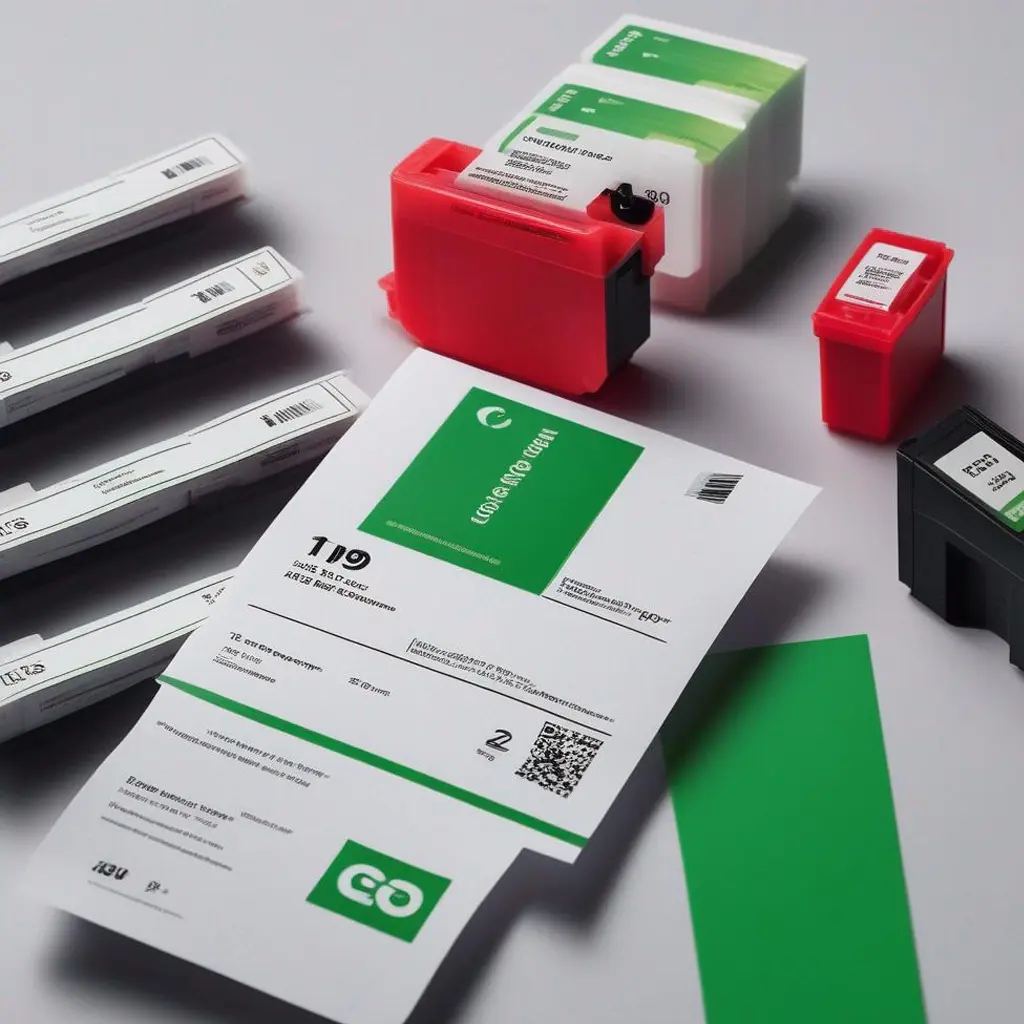
In today’s logistics landscape, transparency is crucial. As the global supply chain grows more complex, companies need reliable solutions that ensure real-time visibility, accuracy, and efficiency. One of the biggest advantages of integrating smart logistics with thermal paper labels is the ability to track items in real time. These labels serve as essential touchpoints in the supply chain, storing key information about every package and making it accessible at a moment’s notice. Here’s how thermal paper is driving transparency and efficiency in modern logistics.
Real-Time Tracking: Know the Status and Location of Every Package
With smart logistics, real-time tracking has become a game-changer. Thermal paper labels can be printed with barcodes, QR codes, or even RFID tags, which store all necessary data about each package—from its origin and destination to its current location and estimated delivery time. By simply scanning these labels, logistics teams gain instant access to comprehensive information, enabling them to track items accurately as they move through each step of the supply chain.
This real-time data not only helps logistics managers keep an eye on shipments but also allows them to address any issues, such as delays or reroutes, the moment they arise. Real-time tracking reduces the chances of lost items and enables companies to provide customers with reliable updates on their orders. For companies aiming to maintain visibility and control over their shipments, thermal paper labels are a simple yet powerful tool.
Minimizing Risks of Lost or Delayed Shipments
The ability to track packages throughout their journey greatly reduces the risk of items going missing or being delayed. When every package has a scannable thermal paper label, any party in the supply chain can check its status and verify its location. If there’s a potential issue, like a shipment delay or unexpected reroute, the logistics team can quickly respond, updating the package’s destination or taking steps to ensure it remains on schedule.
This transparency is especially beneficial for high-volume retailers managing complex logistics demands. For instance, Stingbull Ribbon, a retailer that stocks a range of brands, can use thermal labels to monitor inventory levels and shipments in real time. By doing so, they reduce the risk of lost items, improve inventory accuracy, and ultimately ensure their customers receive products on time.
Streamlining Inventory Management for Multibrand Retailers
For multibrand retailers, managing inventory can be challenging. Different brands often have distinct logistics requirements, timelines, and storage needs, making inventory tracking more complex. With thermal paper labels, retailers can streamline this process by labeling each product with unique barcodes or QR codes. These labels allow retailers to monitor and update their inventory in real-time, ensuring that each item is accounted for and correctly categorized.
Retailers like Stingbull Ribbon benefit from this capability as it provides a single, unified view of their entire inventory, regardless of brand. As products are checked in or out, the barcode or QR code can be scanned to instantly update inventory counts, making it easier to avoid stockouts or overstock situations. In this way, thermal paper labels help retailers meet the specific needs of each brand while ensuring smooth operations across the entire inventory.
Boosting Efficiency Throughout the Supply Chain
Thermal paper labels do more than improve tracking—they also make the entire supply chain more efficient. Real-time tracking data allows every part of the supply chain, from warehouses to last-mile delivery, to operate in sync. When each package is labeled with a thermal paper barcode or QR code, warehouse teams, transportation providers, and retailers can quickly access accurate information. This reduces delays caused by mislabeling, misplaced packages, or outdated data.
Efficient supply chain operations benefit both businesses and customers. For businesses, it means fewer bottlenecks and a more responsive logistics network. For customers, it means reliable, timely deliveries and fewer service disruptions. With streamlined workflows and enhanced visibility, thermal paper labels support a more productive and efficient logistics ecosystem.
Building Customer Trust with Transparent Operations
In the age of e-commerce, customers increasingly expect to know the exact status of their orders from the moment they click “buy.” By enabling real-time tracking and transparency, thermal paper labels help companies meet these expectations. As customers receive precise, up-to-date information about their orders, their trust in the brand strengthens, leading to higher customer satisfaction and loyalty.
Thermal paper labels play an important role in this transparency. By providing a clear tracking journey, from the warehouse to the customer’s doorstep, they ensure that companies can offer accurate delivery estimates and updates. This level of transparency builds confidence, reassuring customers that their orders are in good hands and will arrive as expected.
Supporting Scalability for Growing Businesses
As businesses grow and logistics needs become more complex, scalable tracking solutions are essential. Thermal paper labels offer the flexibility to scale as businesses expand, making them an ideal solution for both startups and established companies. Whether a company is managing a small warehouse or an expansive network of distribution centers, thermal paper labels provide consistent, reliable tracking capabilities that support growth without adding complexity.
For companies like Stingbull Ribbon, scaling operations with thermal labels is simple. The labels can be customized to meet the specific requirements of each product, whether that’s basic tracking information or advanced details like special handling instructions. This flexibility allows businesses to handle increased order volumes and more complex logistics without sacrificing visibility or control.
Conclusion: A Transparent, Efficient, and Scalable Solution
Thermal paper labels are more than just a way to identify packages—they are a critical tool in achieving transparency, efficiency, and accuracy across the supply chain. From reducing the risk of lost items to meeting customer expectations with real-time tracking, thermal paper supports modern logistics in meaningful ways. As companies like Stingbull Ribbon embrace these technologies, they not only improve operational efficiency but also strengthen customer relationships by providing a reliable, transparent shopping experience.
Real-World Applications of Thermal Paper in Logistics
The impact of thermal paper on logistics is far-reaching and practical. Beyond just theory, thermal paper is actively used across various industries to enhance tracking, streamline operations, and improve the accuracy and efficiency of supply chain management. Here’s a closer look at how thermal paper is applied in real-world logistics settings.
Barcodes and QR Codes: Streamlining Product Tracking
Thermal labels are ideal for printing barcodes and QR codes, both of which are essential for tracking each product’s journey from origin to final destination. Barcodes and QR codes offer a unique, scannable identifier for each package, allowing logistics teams to monitor its location at every stage. These codes, easily printed on thermal paper, enable workers to quickly scan and update tracking information as the product moves through different checkpoints in the supply chain.
For logistics and warehouse teams, this simplifies inventory management and minimizes errors, as packages can be scanned in bulk or individually for instant updates. The ability to create high-contrast, smudge-resistant codes on thermal labels ensures that these identifiers remain legible even in demanding conditions, like high humidity or exposure to sunlight, which can occur during transit.
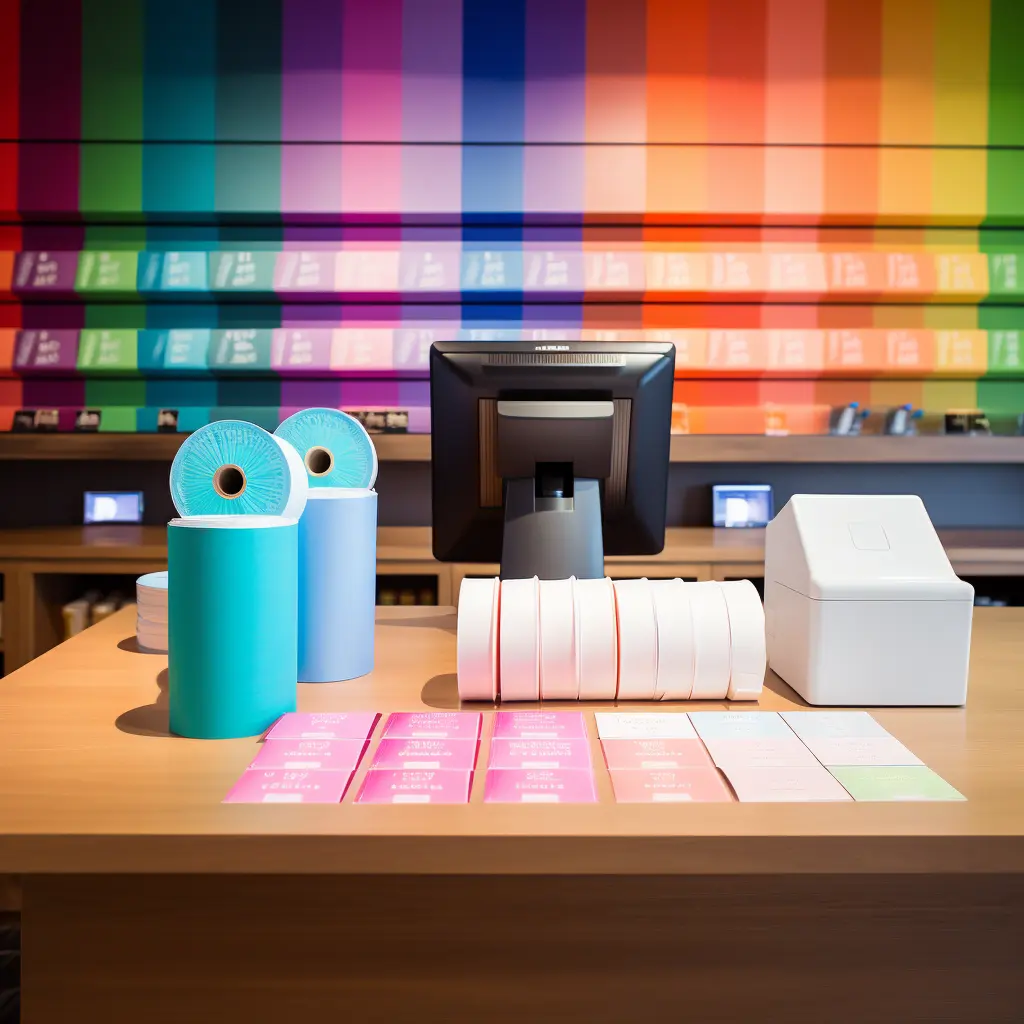
Shipping Receipts: Enhancing Documentation Accuracy
Shipping receipts play a critical role in logistics, providing documentation for every item that moves through the supply chain. Thermal paper’s ability to print sharp, detailed receipts makes it an ideal choice for creating accurate records quickly and efficiently. Unlike traditional ink-based printers, which can experience delays due to drying times or ink smudging, thermal printers produce clear, dry receipts instantly.
This speed and accuracy are particularly beneficial in high-volume logistics environments, where every second counts. By using thermal paper for shipping receipts, companies can reduce wait times, prevent potential documentation errors, and improve the overall efficiency of their operations. Furthermore, these receipts often include important details like tracking numbers, package weight, and delivery addresses, which are essential for record-keeping and customer service inquiries.
RFID Tags: Real-Time Inventory Monitoring
Thermal paper can also be used in conjunction with RFID technology to enable real-time inventory monitoring, which is especially useful for large warehouses and distribution centers. RFID tags, which use radio frequencies to communicate with nearby devices, are printed on thermal labels and affixed to products or pallets. These tags enable companies to track inventory levels without the need for manual scans, providing an automated, accurate view of stock in real-time.
In environments where inventory moves rapidly, RFID-equipped thermal labels reduce the need for time-consuming physical counts, helping logistics teams maintain an up-to-date view of product availability. The data collected by RFID tags can also provide valuable insights into product movement patterns, helping companies optimize storage, reduce shrinkage, and improve demand forecasting. This streamlined inventory management approach is particularly beneficial for retailers and manufacturers who need accurate stock levels to meet customer demand without overstocking.
Inventory Labeling: Simplifying Stock Management
Thermal paper is also used to print clear and durable inventory labels for storage and warehouse management. These labels are typically affixed to storage shelves, bins, or pallets, helping warehouse staff quickly identify stock locations and maintain organized storage areas. By labeling each section with thermal paper-printed codes or descriptions, companies reduce the time required for picking and packing items, leading to faster order fulfillment and less strain on logistics teams.
For companies dealing with high inventory turnover, thermal labels support smooth, accurate stock management. With thermal printers, logistics teams can update labels frequently and on-demand, which is essential when dealing with changing product assortments or short product cycles.
Customizable Labels for Specialized Needs
One of the greatest advantages of thermal paper is its versatility. Logistics operations often have unique needs depending on the type of products being shipped, the environment they are stored in, and the specific requirements of the industry. Thermal labels can be tailored to fit these specialized requirements. For instance, cold storage facilities often use moisture-resistant thermal paper labels that can withstand freezing temperatures, ensuring that labels stay intact and readable. Similarly, logistics providers handling hazardous materials may require labels with additional safety information, which thermal paper can easily accommodate.
This customization allows companies to optimize their labeling and tracking systems for different types of products, providing an adaptable solution that supports diverse logistics needs.
Supporting Transparent and Efficient Supply Chains
All of these real-world applications of thermal paper contribute to a more transparent, efficient supply chain. By enabling quick, accurate tracking and documentation, thermal paper aligns with the goals of modern logistics operations that prioritize visibility, efficiency, and accountability. This transparency not only helps logistics teams manage their operations with greater precision but also builds trust with customers, who can receive accurate updates and documentation regarding their orders.
The versatility of Stingbull Ribbon’s thermal paper collection means that companies can tailor their logistics solutions to fit their unique needs, whether that’s through reliable barcodes, durable RFID tags, or accurate shipping receipts. By incorporating thermal paper into their supply chain processes, businesses can ensure that every item in transit is accounted for, reinforcing a robust, responsive logistics operation that meets today’s high standards.
Sustainability and Eco-Friendly Innovations in Thermal Paper
As awareness around environmental issues grows, the logistics industry faces mounting pressure to adopt sustainable practices. Thermal paper, widely used in logistics for labeling and tracking, is evolving with eco-friendly innovations that support greener supply chains. These advancements in biodegradable and recyclable thermal paper offer businesses an opportunity to reduce waste, minimize their environmental footprint, and align with today’s sustainability goals.
Biodegradable Thermal Paper: Reducing Waste in Landfills
Biodegradable thermal paper is a significant innovation aimed at reducing waste. Unlike traditional thermal paper, which may contain chemicals and plastics that hinder decomposition, biodegradable options break down naturally over time. This feature helps decrease the amount of waste ending up in landfills, supporting waste management goals.
For logistics companies that use high volumes of thermal labels, biodegradable paper provides a sustainable alternative that does not compromise functionality. The paper remains durable and efficient during use but decomposes much more quickly after disposal, contributing to a cleaner, less wasteful supply chain.
Recyclable Thermal Paper: Encouraging Circular Economies
Another eco-friendly innovation in thermal paper is the development of fully recyclable options. Traditional thermal paper often contains bisphenol compounds and other chemicals that complicate the recycling process. However, new recyclable thermal papers are manufactured without these harmful additives, making it easier to recycle them without introducing toxins into the environment.
Incorporating recyclable thermal paper aligns with circular economy principles, allowing companies to reintroduce used materials back into production cycles rather than sending them to landfills. This approach not only reduces environmental impact but also conserves resources, as less raw material is needed for paper production.
Reduced Chemical Usage: Healthier and Safer Thermal Paper
Thermal paper innovations are also focused on reducing or eliminating potentially harmful chemicals, such as Bisphenol A (BPA) and Bisphenol S (BPS), which are sometimes found in conventional thermal paper and may raise health concerns. Eco-friendly thermal paper uses alternative, safe compounds, ensuring that the paper is not only better for the environment but also safer for employees who handle it daily.
By investing in BPA- and BPS-free thermal paper, companies can create healthier working environments for their staff while also reducing the potential for chemical pollution. This commitment to safety and sustainability aligns with broader corporate responsibility goals and contributes to a positive brand image.
Aligning with Consumer Expectations for Eco-Conscious Brands
Consumers today are more conscious of environmental issues and prefer brands that actively demonstrate a commitment to sustainability. Retailers like Stingbull Ribbon, which offer products across multiple brands, can enhance their appeal by adopting eco-friendly thermal paper options. By using biodegradable or recyclable thermal labels, retailers can signal their dedication to environmental responsibility, which resonates with eco-conscious customers.
These green alternatives provide consumers with confidence that their purchases support environmentally friendly practices. As customers become more selective in choosing brands that align with their values, companies adopting sustainable thermal paper gain a competitive edge by appealing to this growing market segment.
Building Greener Supply Chains with Eco-Friendly Thermal Paper
The logistics industry plays a pivotal role in global environmental impact, from carbon emissions to waste generation. By integrating eco-friendly thermal paper into their supply chain practices, companies can make meaningful strides toward building greener, more responsible operations. From biodegradable materials that reduce landfill waste to recyclable options that support circular economies, these innovations make it easier for businesses to align with sustainability goals without sacrificing efficiency.
For companies like Stingbull Ribbon, investing in eco-friendly thermal paper supports their broader commitment to environmental responsibility. As logistics operations adopt these sustainable practices, they contribute to a more resilient and eco-conscious supply chain that aligns with today’s sustainability standards.
Conclusion: A Sustainable Future for Thermal Paper in Logistics
Thermal paper is no longer just a tool for efficient logistics—it is evolving into an asset for sustainability. As businesses increasingly prioritize eco-friendly practices, biodegradable and recyclable thermal papers offer a viable path toward reducing environmental impact and enhancing corporate responsibility. By embracing these innovations, companies can take a proactive approach to sustainability, creating a positive environmental impact while appealing to consumers who value green practices.
For retailers and logistics providers, eco-friendly thermal paper represents a simple yet powerful shift toward a sustainable future. Whether through reducing landfill waste, encouraging recycling, or removing harmful chemicals, these innovations make a difference that benefits both the planet and the business.
Challenges and Considerations
While thermal paper offers numerous benefits to the logistics industry, businesses must carefully evaluate several factors before incorporating it into their systems. These considerations ensure that the use of thermal paper meets the specific demands of logistics operations and maintains its performance under different conditions. Some common challenges include selecting the right type of thermal paper for various applications, ensuring durability in different environments, and considering print longevity. Let’s explore these challenges in more detail.

Selecting the Right Thermal Paper for Specific Applications
Not all thermal paper is created equal, and choosing the right type for each logistics application is crucial for optimal performance. Different thermal papers are designed for varying needs, whether it’s high-volume shipping labels, product packaging, or inventory tracking. Factors like the type of printer used, required print resolution, and the durability of the label are essential to consider.
For instance, some thermal papers are designed specifically for short-term use, like receipt printing, where print longevity isn’t a significant concern. However, for labels that need to remain readable over time—such as those used for warehouse inventory management or long-haul shipments—higher-quality thermal paper with extended print durability is required.
By choosing the correct thermal paper for each application, companies ensure that the printed labels remain effective throughout the product’s journey, reducing the chances of errors or lost information. Businesses like Stingbull Ribbon, which deal with multiple brands and a variety of logistics demands, can benefit from understanding these differences and selecting thermal papers accordingly.
Environmental Conditions: Temperature and Humidity Considerations
One of the most important challenges when using thermal paper in logistics is ensuring that it performs well under diverse environmental conditions. Extreme temperatures, whether hot or cold, can significantly impact the quality of thermal prints. For example, in cold storage environments, thermal paper labels may become brittle or fade, rendering the information unreadable. Similarly, excessive humidity can cause thermal prints to smudge or degrade over time.
To address these issues, companies must choose thermal paper designed to withstand specific environmental conditions. For example, moisture-resistant thermal paper can be used in high-humidity environments, and temperature-resistant paper can handle freezing or heat-sensitive areas, such as cold storage or transport in extreme climates.
Fortunately, innovations in thermal paper technology have led to the development of specialized papers that offer greater durability and resistance to temperature and humidity fluctuations. By selecting these high-performance thermal papers, logistics companies can ensure that their labels remain intact and legible throughout the entire supply chain, regardless of external conditions.
Print Longevity and Label Adhesive Strength
Another key consideration when using thermal paper in logistics is print longevity. Thermal printing relies on heat to create images and text, which means the printed image can fade over time, especially if exposed to light, heat, or friction. In logistics, this can pose a challenge for long-duration shipments or goods that will be stored for extended periods before being shipped.
To address this, businesses should select thermal papers with improved print durability. These papers offer longer-lasting prints that resist fading, ensuring that tracking information remains visible for as long as necessary. Additionally, the adhesive strength of thermal paper labels is critical. Poor adhesive strength can lead to labels peeling off during transit, which compromises tracking and increases the risk of errors.
Thermal paper designed with stronger adhesives ensures that labels stay securely affixed to packages, even under rough handling or extreme conditions. By choosing thermal paper with both enhanced print longevity and strong adhesive properties, businesses can ensure a more reliable logistics process from start to finish.
Future of Thermal Paper in Smart Logistics
Looking to the future, thermal paper is expected to play an even more significant role in the logistics industry, especially as technologies like automation, artificial intelligence (AI), and the Internet of Things (IoT) continue to transform supply chains. As logistics systems become smarter and more automated, the need for high-quality, versatile labeling solutions will grow.
Integration with Smart Logistics Systems
The future of thermal paper lies in its integration with advanced technologies. Automated warehouses and self-tracking packages, for example, rely on precise labeling and tracking information to function efficiently. Thermal paper labels that can seamlessly integrate with these systems will be essential for maintaining operational efficiency.
As logistics companies adopt more sophisticated technologies, such as robotics, AI-powered inventory management, and autonomous delivery systems, the demand for durable, high-performance thermal paper will increase. The ability to print high-resolution barcodes, QR codes, and RFID tags directly onto thermal labels will ensure that these systems function without hiccups, creating a smoother and more accurate flow of information from warehouse to customer.
Advancements in Durability and Anti-Tampering Features
Another exciting development in thermal paper technology is the focus on enhanced durability, particularly for extreme environments. Future thermal paper products will be designed to endure even harsher conditions, including exposure to extreme heat, cold, and moisture. In addition, the integration of anti-tampering features into thermal paper will become more prevalent. These features ensure that labels remain intact and tamper-proof, which is particularly important in industries like pharmaceuticals and high-value goods transportation, where security and accuracy are paramount.
As logistics companies look for ways to reduce losses, improve security, and enhance traceability, these innovations in thermal paper will play a key role. By adopting new thermal paper technologies, companies like Stingbull Ribbon can provide smarter, more transparent solutions for their customers.
Evolving with Smart Logistics
Thermal paper’s role in logistics is constantly evolving to meet the needs of an increasingly advanced industry. Despite some challenges, the benefits of thermal paper—such as cost-effectiveness, real-time tracking, and sustainability—make it a vital tool for modern supply chains. With the continued development of more durable, environmentally friendly, and high-performance thermal paper options, businesses can enhance the efficiency, security, and transparency of their logistics operations.
As technologies like automation, AI, and IoT redefine the logistics landscape, thermal paper will remain a foundational element for smart logistics systems, offering businesses the tools they need to stay competitive in a rapidly changing environment.
Conclusion
Smart logistics is revolutionizing the way businesses handle their supply chains, bringing much-needed transparency, efficiency, and sustainability to the logistics sector. As a crucial component of this transformation, thermal paper provides a reliable, cost-effective, and eco-friendly solution for tracking goods and improving visibility. For retailers and logistics teams alike, embracing these innovations is more than just an upgrade; it’s a step toward a future where every item’s journey is as clear as the label it carries.