

In an increasingly connected world, 5G technology is reshaping how we communicate, enabling high-speed data transmission with remarkable efficiency. As businesses and industries embrace this technological advancement, the integration of thermal paper—a staple in sectors like retail, logistics, and healthcare—presents both exciting opportunities and unique challenges. At Stingbull Ribbon, we recognize the potential of combining thermal paper with the capabilities of 5G, while also understanding the hurdles that need to be addressed.
Understanding 5G Technology
5G technology represents the fifth generation of wireless communication, offering unprecedented speed and bandwidth compared to its predecessors. With download speeds that can reach up to 10 Gbps and latency reduced to milliseconds, 5G opens the door to real-time data sharing and communication. This is particularly beneficial for industries that rely on quick decision-making and instantaneous updates, such as emergency services, public safety, and retail operations.
The Role of Thermal Paper in Data Transmission
Thermal paper is widely utilized across various sectors, serving essential functions in applications such as receipts, tickets, labels, and more. Its significance extends beyond simple printing; it is a vital tool for businesses that rely on quick and accurate data transmission. As we look towards the future, the integration of 5G technology stands to significantly enhance the capabilities of thermal paper, creating exciting possibilities for industries that depend on real-time information.
Enhancing Retail Operations
Imagine a bustling retail environment where every transaction is processed in seconds. With 5G technology, retailers can achieve just that. By linking thermal paper systems to high-speed networks, businesses can instantly print and process high-volume transactions with minimal delays. This capability not only enhances customer satisfaction but also streamlines operations.
For example, during peak shopping hours, cash registers equipped with 5G-enabled thermal printers can communicate with inventory systems in real-time, ensuring that stock levels are updated instantly. This helps retailers avoid overselling items and enables them to manage their inventory more efficiently, ultimately improving their bottom line.
Real-Time Communication for Emergency Services
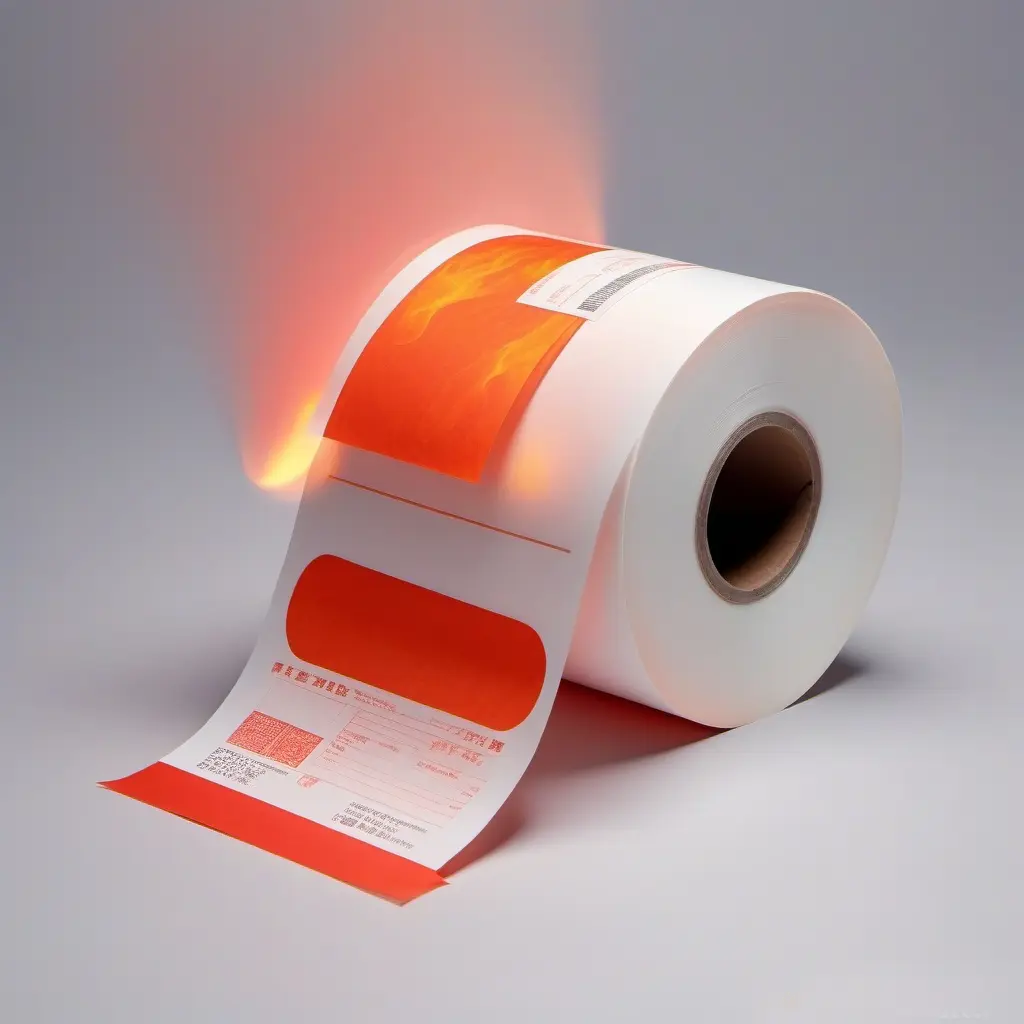
In critical situations, emergency responders rely on accurate and timely information. The integration of thermal paper with 5G technology allows for the real-time printing of crucial information on the move. For instance, ambulance teams can print out patient data, treatment protocols, or even directions to the nearest hospital while en route. This capability can significantly enhance patient care by ensuring that medical professionals have the necessary information at their fingertips.
Furthermore, fire and rescue teams can use 5G-enabled thermal printers to produce evacuation maps or resource tracking sheets directly at the scene. This ensures that all team members are updated with the latest information, which is essential for effective communication and coordination during emergencies.
Improved Data Collection and Inventory Management
Linking thermal paper systems to 5G networks opens new avenues for data collection and management. Businesses can improve their data collection processes, allowing for more accurate tracking of goods and faster customer service.
For example, logistics companies can utilize thermal printers to print labels with QR codes or barcodes directly from their mobile devices. As packages are scanned throughout the shipping process, real-time updates can be sent back to the central database, allowing companies to monitor inventory levels and shipment statuses more effectively.
This integration also facilitates quicker response times. If a customer inquires about their order, customer service representatives can access real-time data instantly, enhancing the overall customer experience.
The Future of Thermal Paper in Data Transmission
As we look to the future, the combination of thermal paper and 5G technology promises to reshape how industries approach data transmission and management. Businesses that leverage this technology will have the opportunity to enhance operational efficiency, improve accuracy, and elevate customer service.
In conclusion, the role of thermal paper in data transmission is set to evolve significantly with the advent of 5G technology. By embracing this integration, businesses across various sectors can unlock new levels of efficiency and effectiveness, paving the way for a more connected and responsive future.
Challenges of Integrating Thermal Paper with 5G Technology
While the integration of thermal paper with 5G technology presents exciting opportunities for enhanced efficiency and data management, several challenges must be addressed to ensure successful implementation. These challenges encompass infrastructure limitations, data security concerns, and cost implications, each of which can significantly impact businesses looking to leverage these technologies.
A. Infrastructure Limitations
One of the primary hurdles in integrating thermal paper with 5G technology is the availability and deployment of 5G infrastructure. Urban areas are often at the forefront of 5G deployment, enjoying robust networks that facilitate high-speed data transmission. However, rural and remote regions frequently lag behind, lacking adequate coverage. This disparity creates a significant barrier for businesses operating in less populated areas, as they may struggle to fully capitalize on the advantages of 5G connectivity for their thermal paper solutions.
Moreover, existing thermal printers may not be compatible with new 5G networks. Many businesses still rely on older thermal printing technologies that were not designed with high-speed data transmission in mind. To ensure seamless integration, organizations may need to invest in updated equipment, which can be a significant financial consideration. The necessity for hardware upgrades may pose a challenge, especially for small and medium-sized enterprises (SMEs) that operate on tight budgets.
B. Data Security Concerns
As organizations increasingly depend on digital systems and real-time data sharing, data security becomes a paramount concern. The fast-paced nature of 5G technology increases the risk of data security breaches, making it crucial for businesses to implement robust cybersecurity measures.
Sensitive information printed on thermal paper—such as customer data, financial transactions, or confidential operational details—must be protected from unauthorized access and cyber threats. Organizations should invest in advanced security protocols, including encryption and secure data transmission methods, to safeguard information against potential breaches. This is especially critical for sectors such as healthcare and finance, where the consequences of data leaks can be severe.
Furthermore, businesses need to educate their employees about data security best practices, ensuring that everyone understands the importance of safeguarding sensitive information in the context of high-speed data transmission. Without proper training and awareness, organizations may remain vulnerable to security threats, undermining the advantages offered by integrating thermal paper with 5G technology.
C. Cost Implications
The financial investment required to upgrade to 5G-compatible systems can be a substantial barrier for many businesses. While the benefits of enhanced connectivity and operational efficiency are clear, the initial costs associated with infrastructure upgrades and new thermal printing equipment may deter some organizations from pursuing integration.
Companies must carefully assess the return on investment (ROI) and weigh the potential long-term benefits against the upfront costs. This involves not only evaluating the expenses associated with hardware and software upgrades but also considering the ongoing costs of maintaining a 5G network.
For some organizations, the transition to 5G may require a phased approach, allowing them to spread costs over time. By gradually implementing 5G solutions and thermal paper integration, businesses can better manage their financial resources while still reaping the rewards of improved connectivity.
Integrating thermal paper with 5G technology presents several challenges that businesses must navigate. From infrastructure limitations and data security concerns to cost implications, each of these factors plays a crucial role in determining the feasibility of successful integration.
Despite these challenges, the potential benefits of enhanced efficiency, real-time data access, and improved customer service make it worthwhile for businesses to explore solutions that address these obstacles. By investing in the right infrastructure, prioritizing data security, and evaluating cost implications strategically, organizations can pave the way for a successful integration of thermal paper with 5G technology, ultimately unlocking new opportunities for growth and innovation.

Future Trends in Thermal Paper and 5G Integration
Despite the challenges associated with integrating thermal paper with 5G technology, the future looks promising. As businesses adapt to the rapidly evolving technological landscape, several key advancements are on the horizon. These trends are set to revolutionize industries by enhancing efficiency, improving customer experiences, and providing innovative solutions for data management and tracking.
Smart Labels and QR Codes
One of the most exciting advancements in thermal paper technology is the increased use of smart labels and QR codes. With the integration of 5G, thermal paper can support real-time tracking of goods throughout the supply chain. This enhanced capability allows businesses to monitor inventory levels, track shipments, and manage resources more effectively.
Smart labels printed on thermal paper can contain embedded QR codes that, when scanned, provide instant access to product information, including origin, specifications, and current stock levels. For instance, logistics companies can utilize these smart labels to ensure that items are accurately logged in and out of warehouses, reducing the chances of misplacement or inventory discrepancies. This real-time visibility enhances overall supply chain efficiency, leading to quicker response times and improved operational effectiveness.
Improved Customer Experience
As customer expectations evolve, businesses are finding new ways to engage with consumers effectively. Retailers can leverage thermal paper in conjunction with 5G technology to print promotions, discounts, and personalized offers on the spot. By accessing customer data in real time, retailers can tailor their marketing strategies to meet the specific needs and preferences of shoppers.
Imagine a scenario where a customer scans their loyalty card at checkout, and the retailer’s system immediately recognizes their purchase history. The cashier can then print an exclusive discount or promotional offer directly on the thermal receipt, enhancing customer satisfaction and encouraging repeat business. This level of personalization not only improves the shopping experience but also fosters brand loyalty, as customers feel valued and understood.
Case Studies and Best Practices
As more organizations successfully integrate 5G technology with thermal paper, they will serve as invaluable role models for others looking to adopt similar solutions. These case studies will showcase innovative applications and best practices that demonstrate the effectiveness of this integration in various industries.
For example, a retail chain that adopts 5G-enabled thermal paper might report significant improvements in customer engagement and sales conversion rates. Their success story could serve as a blueprint for other retailers, highlighting the steps taken to implement this technology, the challenges faced, and the strategies employed to overcome them.
Additionally, companies in logistics and healthcare can share insights on how 5G integration with thermal paper has streamlined operations, improved data accuracy, and enhanced service delivery. By learning from these examples, other organizations can make informed decisions about their own technological investments and strategies.
The future of thermal paper integration with 5G technology is rife with opportunities for innovation and improvement. As industries continue to adapt and evolve, advancements such as smart labels, enhanced customer experiences, and valuable case studies will pave the way for a new era of efficiency and effectiveness. By embracing these trends, businesses can position themselves at the forefront of technological progress, ensuring they meet the demands of an increasingly connected world while maximizing their operational potential.
Conclusion
The integration of thermal paper with 5G technology presents both challenges and opportunities. While infrastructure limitations, data security concerns, and cost implications must be addressed, the potential benefits are too significant to ignore. By embracing these advancements, businesses can streamline operations, enhance customer experiences, and improve data management.
At Stingbull Ribbon, we are committed to providing high-quality thermal paper solutions that meet the evolving needs of our customers. As we navigate the future of technology, we invite you to explore our range of products, including our selection of thermal paper designed for various applications. Together, let’s leverage the power of 5G technology to unlock the full potential of thermal paper solutions and create a more efficient, connected world.