

In a world where sustainability is no longer an option but a necessity, industries are evolving rapidly to reduce their environmental impact. One such area of innovation is thermal paper, which has long been used for printing receipts, labels, and tickets across retail, logistics, and various other sectors. But with growing concerns about environmental sustainability, it’s time to explore how green technology is reshaping the future of thermal paper.
The Environmental Impact of Traditional Thermal Paper
Conventional thermal paper production involves the use of Bisphenol A (BPA) and other harmful chemicals, which are detrimental to both human health and the environment. These chemicals, alongside the non-recyclable nature of traditional thermal paper, lead to significant environmental challenges. The waste produced by discarded receipts alone adds up to an alarming amount each year. This is why consumers and businesses alike are looking towards greener alternatives.
By exploring the offerings from brands like those in our Thermal Paper Collection, you’ll see how innovative companies are working to provide more sustainable products. With the elimination of BPA and the introduction of BPA-free and recyclable materials, the future of thermal paper looks brighter and greener.
Green Technologies in Thermal Paper Production
The drive for more sustainable thermal paper production has led to the adoption of various green technologies. The use of eco-friendly chemicals and organic coatings ensures that thermal paper no longer has to rely on harmful substances. Additionally, innovations in biodegradable thermal paper are making headlines, with products designed to break down naturally without leaving a negative footprint.
These advancements are being embraced by leading brands available on Stingbull Ribbon. Check out our wide range of eco-friendly thermal paper products to see how green technology is influencing the market. More businesses are also opting for these sustainable alternatives as they align with global efforts to reduce environmental impact.
Sustainable Materials for Thermal Paper: The Future is Biodegradable
The future of the thermal paper industry is being shaped by one of its most innovative and promising trends: the shift towards biodegradable materials. As global environmental concerns continue to rise, this transition is not only necessary but inevitable. Traditional thermal paper has long relied on fossil fuel-based resources and harmful chemicals, creating a significant burden on the environment. However, with the advent of plant-based and recyclable alternatives, the industry is experiencing a major transformation. These sustainable materials are not only reducing waste but are also essential in promoting a circular economy that supports long-term environmental health.
Moving Away from Fossil Fuel-Based Resources
For years, the production of thermal paper has relied heavily on fossil fuel-derived components. These materials, while efficient in terms of production and performance, come with a host of environmental drawbacks, including high carbon emissions and non-biodegradability. However, with sustainability becoming a critical business focus, manufacturers are moving away from these environmentally damaging resources.
The introduction of biodegradable thermal paper represents a major step forward. This new type of paper can be broken down naturally, leaving behind no harmful residue. In contrast to traditional thermal paper, which can take years to decompose, biodegradable alternatives decompose in months or even weeks, depending on the material. These innovative products significantly reduce the negative environmental impact and represent a future where thermal paper is aligned with environmental sustainability goals.
The Role of Plant-Based and Recyclable Materials

At the forefront of these advancements are plant-based materials. These resources are derived from renewable sources like agricultural waste, corn starch, or other organic matter. Unlike fossil fuels, plant-based materials are not only abundant but also have a minimal carbon footprint, making them an ideal solution for the thermal paper industry.
Recyclable materials are another key aspect of this sustainability trend. Thermal paper that can be recycled easily allows for a closed-loop system where used paper can be repurposed, reducing overall waste and conserving resources. By adopting these recyclable options, manufacturers are contributing to the development of a circular economy, where products are continually reused rather than discarded after a single use.
In addition, the removal of BPA (Bisphenol A) and similar chemicals from thermal paper further boosts its eco-friendliness. BPA is a known environmental toxin that contributes to pollution and poses health risks. As biodegradable and recyclable materials take center stage, the industry is seeing the elimination of these harmful substances in favor of more eco-friendly chemicals.
Benefits for Businesses and the Environment
Switching to biodegradable thermal paper is not just about compliance with new regulations or satisfying customer preferences—it’s a proactive step towards creating a sustainable business model. By choosing eco-friendly brands, companies can actively reduce their carbon footprint. This not only demonstrates a commitment to environmental stewardship but also positions the business as a leader in corporate responsibility.
Businesses that adopt biodegradable thermal paper are setting themselves up for long-term success. Consumers today are more aware of the environmental impact of the products they use, and they increasingly prefer companies that prioritize sustainability. As demand for sustainable products grows, businesses that integrate biodegradable materials into their operations are likely to see a boost in customer loyalty and overall brand reputation.
Furthermore, by reducing the amount of waste sent to landfills, biodegradable thermal paper helps mitigate the environmental strain associated with disposal. Traditional thermal paper, with its harmful chemicals and synthetic coatings, can linger in landfills for decades. In contrast, biodegradable thermal paper breaks down much faster, leaving behind no harmful residues that can leach into soil and water systems. This means a significant reduction in environmental pollution, benefiting not just businesses but also the planet.
Shaping a Greener Future with Thermal Paper
As more emphasis is placed on biodegradable materials, thermal paper is no longer viewed as a single-use product. Instead, it is becoming part of a sustainable solution that aligns with broader environmental goals. The transition to biodegradable and recyclable thermal paper represents an exciting opportunity for businesses to make a positive environmental impact while still meeting their operational needs.
By integrating these sustainable practices, the thermal paper industry is leading the way toward a greener future. As a business owner, this is your chance to actively participate in shaping that future. Explore eco-friendly brands that offer biodegradable thermal paper and contribute to the global shift towards sustainability. Whether for packaging, receipts, or logistics, these innovations provide a way to reduce waste, enhance corporate sustainability, and foster a healthier planet for generations to come.
The Role of Thermal Paper in Green Packaging and Logistics
In today’s fast-paced world, e-commerce and logistics industries are experiencing rapid growth, with more consumers turning to online shopping and delivery services than ever before. This surge in demand has brought about new challenges, especially concerning sustainability. Packaging waste and carbon emissions from shipping have become significant environmental concerns, leading businesses to seek eco-friendly solutions. Thermal paper, a staple in shipping labels, receipts, and packaging, plays a crucial role in this shift towards greener logistics and packaging systems.
Meeting the Growing Demand for Green Packaging
With growing consumer awareness about the environmental impact of packaging, companies are under increasing pressure to adopt sustainable packaging materials. Traditional packaging solutions often involve the use of plastics or non-recyclable materials, contributing to landfill waste and pollution. However, thermal paper offers an excellent alternative as it can be both recyclable and BPA-free, significantly reducing its environmental footprint.
By using recyclable thermal paper, businesses can drastically reduce the waste generated from packaging labels, receipts, and other printed materials. This not only helps companies align with sustainability goals but also appeals to eco-conscious consumers who prefer brands committed to reducing environmental impact. Thermal paper is particularly beneficial for industries that require frequent printing of shipping labels, barcode labels, and receipts, such as logistics, retail, and e-commerce.
The shift to green packaging materials made from recyclable and biodegradable sources ensures that businesses can continue to meet consumer demands while reducing their reliance on harmful, non-degradable materials.
The Advantages of Recyclable Thermal Paper in Logistics
In logistics, where efficiency and sustainability are key, the use of thermal paper is invaluable. Traditional methods of printing, especially those that use ink cartridges or toners, tend to consume more resources, create more waste, and leave a larger carbon footprint. In contrast, thermal printing eliminates the need for ink and toners, making it a more efficient and environmentally friendly choice.
By integrating recyclable thermal paper into their logistics operations, businesses can:
Reduce Environmental Impact: Thermal paper is made with fewer chemicals, especially with BPA-free options now widely available. When used in labels and packaging, it minimizes the release of toxins into the environment during disposal.
Enhance Operational Efficiency: Thermal printers are known for their high speed and reliability, which is crucial in industries like logistics where quick turnarounds are essential. By using high-quality thermal paper, companies can reduce delays, improve productivity, and maintain smooth operations.
Lower Carbon Footprint: With thermal paper being recyclable and often sourced from more sustainable materials, businesses can lower their overall carbon footprint. Additionally, many recyclable thermal paper options can be produced using renewable resources, further cutting down the environmental cost of production.
Support a Circular Economy: Incorporating recyclable thermal paper supports the development of a circular economy. Instead of thermal paper products being discarded after one use, they can be recycled and reintroduced into the production cycle, reducing waste and conserving resources.

Why Sustainable Solutions Matter in E-commerce
As e-commerce continues to boom, the amount of packaging waste has skyrocketed. Consumers are becoming more mindful of their environmental impact and are increasingly choosing brands that prioritize sustainability in their packaging choices. Thermal paper, when used for shipping labels and packaging receipts, is a practical and eco-friendly solution that helps reduce this waste.
In the past, packaging was often designed with little thought for its end-of-life impact. However, with the rise of sustainable practices, businesses can now adopt green packaging that not only fulfills its purpose but also contributes to environmental well-being. By switching to recyclable thermal paper, companies can reduce their reliance on plastics and other non-biodegradable materials while providing packaging that’s easy for consumers to recycle.
Our range of thermal paper products, designed specifically for sustainability-conscious businesses, offers a variety of options that reduce waste without compromising performance. Whether you need labels for packaging, shipping labels, or receipts, our thermal paper collection provides versatile, eco-friendly solutions. This is especially important for companies looking to balance operational efficiency with environmental responsibility.
Consumer Expectations and Corporate Responsibility
In today’s market, corporate responsibility is no longer just a nice-to-have; it’s an expectation. Consumers are actively choosing brands that align with their values, and sustainability is at the top of that list. Whether it’s packaging, shipping methods, or the materials used, consumers are demanding eco-friendly practices from the businesses they support. By incorporating recyclable thermal paper into packaging and logistics, companies can meet these consumer demands while enhancing their green credentials.
Making the switch to green solutions in packaging and logistics not only benefits the environment but also offers businesses a competitive edge. Eco-conscious consumers are more likely to remain loyal to brands that demonstrate a commitment to sustainability. Moreover, adopting sustainable materials like thermal paper can help businesses stay compliant with increasingly strict environmental regulations around waste reduction and resource conservation.
A Future of Sustainable Logistics and Packaging
Looking ahead, the role of thermal paper in logistics and packaging will only continue to grow as businesses strive to reduce their environmental impact. Thermal paper, with its versatility, recyclability, and low resource requirements, is perfectly positioned to help companies navigate the growing demand for green logistics solutions.
By opting for eco-friendly thermal paper, businesses can take concrete steps towards sustainable operations. Whether you’re managing large-scale logistics for an e-commerce platform or running a retail store, our thermal paper products offer a seamless way to contribute to a more sustainable future.
Explore our full range of sustainable thermal paper products and take your business’s sustainability efforts to the next level. Together, we can reduce waste, improve operational efficiency, and create a greener future for the packaging and logistics industries.
Reducing Microplastic Pollution with Green Thermal Paper
Microplastic pollution has emerged as one of the most pressing environmental issues of our time. These tiny plastic particles are increasingly found in oceans, rivers, soil, and even the air we breathe. Unfortunately, traditional paper products, including thermal paper, have contributed to this growing problem. Conventional thermal paper often contains microplastics in the form of additives, coatings, or even as part of the ink used in the printing process. Over time, these microplastics break down into smaller particles that enter ecosystems and wreak havoc on marine life and the broader environment.
The Dangers of Microplastic Pollution
Microplastics are typically less than 5 millimeters in size and are derived from larger plastic debris that degrades over time. Once in the environment, these particles are almost impossible to remove, accumulating in waterways and soil. They are often ingested by marine animals, leading to health problems, and even entering the food chain, potentially impacting human health as well. Studies have shown that microplastics can disrupt ecosystems, poison wildlife, and pose serious risks to biodiversity.
Thermal paper, widely used in everyday transactions like receipts, shipping labels, and logistics, has often been a hidden contributor to this problem. When thermal paper products are discarded and exposed to the elements, they can shed microplastic particles into the environment. This makes finding sustainable alternatives for thermal paper not only an environmental priority but also a global necessity.
Biodegradable Thermal Paper: A Solution to Microplastic Pollution
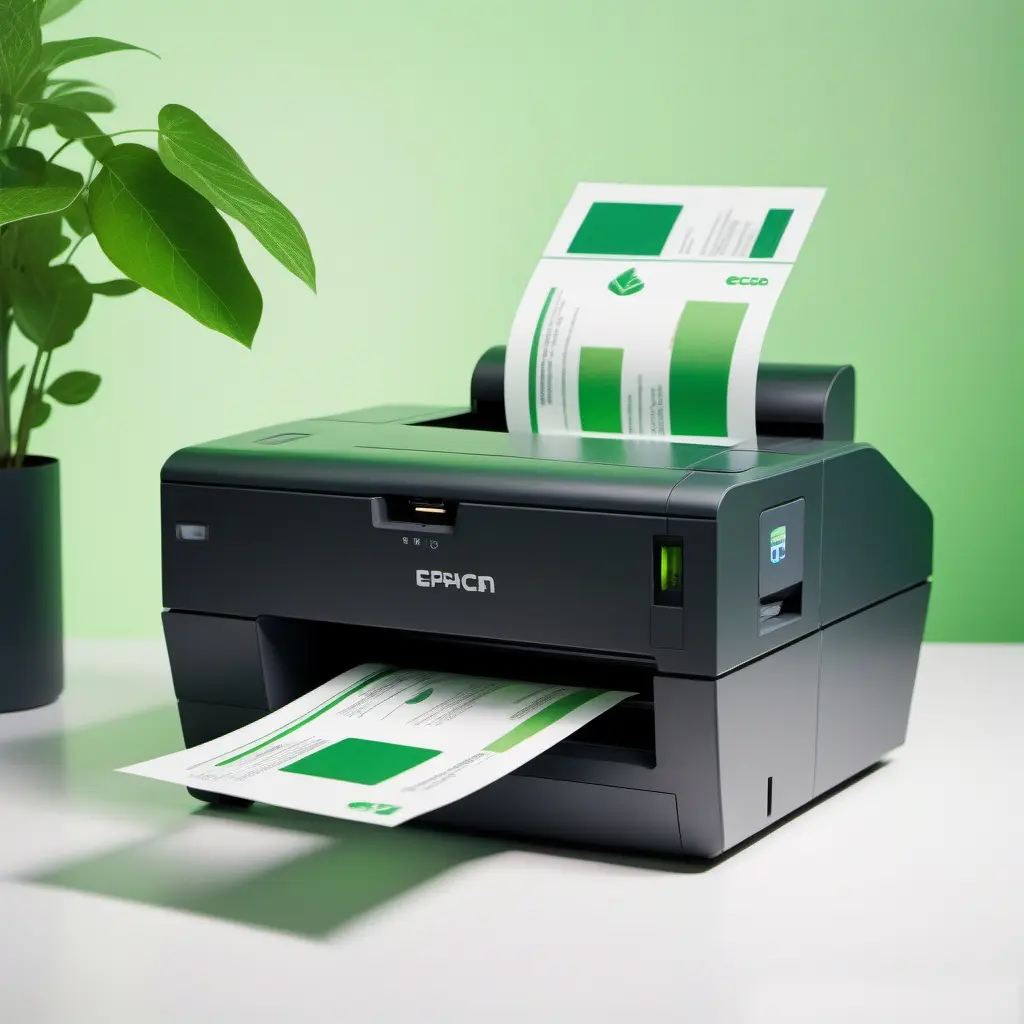
One of the most significant advances in the fight against microplastic pollution is the development of biodegradable thermal paper. This new generation of thermal paper eliminates the need for harmful plastic-based coatings and uses natural, eco-friendly materials that break down safely without leaving behind microplastic residue.
Instead of relying on synthetic materials, biodegradable thermal paper uses plant-based ingredients and organic compounds to create a product that is just as effective as traditional thermal paper, but much safer for the environment. These materials can decompose naturally, significantly reducing the risk of microplastic pollution.
By choosing biodegradable thermal paper, businesses can actively reduce their contribution to this growing environmental hazard. Not only does this help reduce the accumulation of microplastics in ecosystems, but it also signals a commitment to sustainable practices that resonate with today’s environmentally conscious consumers.
The Role of Green Thermal Paper in Reducing Plastic Waste
Green thermal paper products are part of a broader movement to reduce plastic waste in the environment. Traditional thermal paper contains not only microplastics but also chemicals like BPA (Bisphenol A), which can leach into the environment and cause additional harm. As these materials degrade, they further pollute natural ecosystems and contribute to the overwhelming amount of plastic waste that already exists in landfills and oceans.
In response to this issue, the development of microplastic-free thermal paper is gaining momentum. This paper is produced without harmful plastic additives, ensuring that when it is discarded or recycled, it does not contribute to the plastic waste crisis. Businesses that switch to these eco-friendly alternatives are taking an active role in protecting the environment while still meeting their operational needs for thermal printing.
Supporting Global Environmental Goals
Reducing microplastic pollution is a global environmental goal that requires collective action across industries. Businesses, especially those that rely heavily on printed materials like receipts and labels, have an opportunity to make a meaningful impact by choosing sustainable, microplastic-free thermal paper. Governments and organizations worldwide are setting new environmental standards aimed at reducing plastic pollution, and aligning with these regulations is increasingly important for companies.
The shift to green thermal paper not only supports these global goals but also helps businesses maintain their eco-friendly reputation. As consumers become more aware of the environmental impact of their purchases, they are gravitating towards companies that prioritize sustainability. By using biodegradable thermal paper, companies demonstrate a commitment to reducing plastic pollution and protecting the planet for future generations.
The Long-Term Benefits of Switching to Microplastic-Free Thermal Paper
Incorporating microplastic-free thermal paper into business operations offers numerous long-term benefits. These include:
Environmental Impact: By reducing the amount of microplastics released into the environment, businesses contribute to cleaner oceans, rivers, and ecosystems. This is a crucial step in mitigating the widespread damage caused by plastic pollution.
Compliance with Environmental Regulations: As governments around the world tighten regulations on plastic waste and microplastic emissions, using sustainable thermal paper helps businesses stay ahead of these changes. This ensures compliance with new laws and avoids potential fines or penalties.
Enhanced Brand Reputation: Consumers are more likely to support businesses that align with their values. Companies that switch to biodegradable and microplastic-free products position themselves as environmental leaders, building brand loyalty among eco-conscious customers.
Cost-Effective in the Long Run: Although sustainable thermal paper options may have a slightly higher upfront cost, the long-term savings are evident. With increased recycling capabilities and reduced environmental damage, businesses can benefit from lower waste management costs and avoid potential regulatory fees related to plastic pollution.
Corporate Social Responsibility (CSR): Implementing sustainable practices such as using microplastic-free thermal paper contributes to a company’s CSR initiatives. By promoting eco-friendly products, businesses can strengthen their CSR programs and communicate their environmental stewardship to stakeholders.
Join the Movement Towards a Microplastic-Free Future
As the world continues to battle the devastating effects of microplastic pollution, businesses have a responsibility to embrace sustainable solutions. By selecting thermal paper products from our sustainable collections, companies can actively reduce their contribution to plastic pollution. These products are carefully designed to maintain high performance while being safe for the environment, offering the perfect balance between functionality and sustainability.
Switching to microplastic-free thermal paper is more than just a responsible business choice—it’s a crucial step in safeguarding the future of our planet. Explore our range of eco-friendly thermal paper products today and join the movement towards a cleaner, greener world where businesses can thrive without compromising the environment.
Government Regulations and Standards Driving Sustainability
In response to the growing environmental crisis, governments around the world are implementing stricter environmental regulations aimed at reducing pollution, promoting recycling, and encouraging the use of sustainable materials. These regulations are transforming the way businesses operate, pushing them to adopt greener practices across all aspects of their supply chains. The thermal paper industry, traditionally reliant on chemicals like BPA (Bisphenol A) and non-recyclable materials, is no exception.
The Impact of Government Regulations on the Thermal Paper Industry
Governments are increasingly focusing on industries that produce significant amounts of waste or use harmful substances in their products. Thermal paper, which is widely used in retail, logistics, and e-commerce, often falls under the scrutiny of environmental regulations due to the chemicals and materials involved in its production. In particular, the use of BPA, a known endocrine disruptor, has been a major concern.
Several countries have introduced bans or restrictions on BPA in thermal paper, urging manufacturers to find safer alternatives. For example, the European Union has implemented strict rules that limit the amount of BPA in thermal paper, and many countries, including the United States, are following suit. As a result, thermal paper producers have had to innovate, developing BPA-free and more eco-friendly options to comply with these new regulations.
These government policies are not just limited to the elimination of harmful chemicals. Regulations increasingly emphasize the need for recyclable and biodegradable products that minimize the environmental impact of waste. By prioritizing sustainability, businesses that rely on thermal paper can not only avoid regulatory penalties but also align themselves with the growing global movement towards environmental responsibility.

Incentives for Businesses to Adopt Green Practices
In addition to imposing regulations, many governments are offering incentives for businesses that adopt sustainable practices. These incentives can come in the form of tax breaks, grants, or subsidies, encouraging companies to invest in eco-friendly technologies and materials. For businesses that heavily depend on thermal paper, this creates a significant opportunity to reduce costs while enhancing their environmental performance.
For example, some countries offer tax incentives for businesses that implement waste-reduction programs, use recyclable materials, or switch to biodegradable products. In this context, using sustainable thermal paper becomes not only an ethical choice but also a financially savvy one. By transitioning to BPA-free and recyclable thermal paper, businesses can meet regulatory requirements while taking advantage of these government-backed incentives.
Moreover, companies that lead the way in adopting green practices often receive positive attention from both regulators and consumers. This can improve a company’s public image and lead to enhanced brand loyalty from environmentally conscious customers. Governments often highlight businesses that set an example in sustainability, further solidifying their reputation as leaders in the green movement.
How Thermal Paper Manufacturers Are Adapting
Leading thermal paper manufacturers are responding to these government regulations by innovating and adjusting their production processes. To comply with new environmental standards, many manufacturers are now offering BPA-free thermal paper that is safe for both consumers and the environment. In addition, producers are increasingly turning to biodegradable materials and recyclable components to ensure that their products meet sustainability benchmarks.
For instance, some thermal paper products now use plant-based coatings instead of traditional plastic or chemical coatings. These biodegradable alternatives break down more easily after use, preventing harmful chemicals from leaching into the environment. Other manufacturers are developing thermal paper made from sustainably sourced fibers, ensuring that the raw materials used in production come from environmentally responsible sources.
By adopting these innovations, businesses can ensure that they are using eco-friendly thermal paper that complies with government regulations. This is particularly important for industries like retail and logistics, where thermal paper is used in large quantities for receipts, labels, and shipping documents.
Staying Ahead of the Regulatory Curve
For businesses that rely heavily on thermal paper, staying ahead of environmental regulations is crucial. Regulatory landscapes are constantly evolving, and companies that fail to comply with new standards risk facing penalties, fines, or even legal action. Additionally, non-compliant businesses may suffer reputational damage, as consumers and stakeholders increasingly prioritize environmental responsibility.
By choosing sustainable thermal paper products from manufacturers that are already meeting or exceeding government standards, businesses can proactively position themselves for long-term success. These companies not only comply with current regulations but are also prepared for future changes, ensuring that they can continue to operate without disruption.
For example, by selecting BPA-free and recyclable thermal paper from eco-conscious brands, businesses can demonstrate their commitment to corporate social responsibility (CSR) and sustainability. This proactive approach not only helps businesses avoid regulatory issues but also provides them with a competitive advantage in an increasingly eco-conscious marketplace.
Benefits of Choosing Eco-Friendly Thermal Paper
Transitioning to sustainable thermal paper offers numerous benefits beyond just regulatory compliance. These include:
Reducing Environmental Impact: By using biodegradable and recyclable thermal paper, businesses can significantly reduce the amount of waste they generate. This helps to mitigate the environmental damage caused by traditional thermal paper products, which often end up in landfills and contribute to pollution.
Enhancing Brand Reputation: Consumers are more likely to support businesses that prioritize sustainability. By offering environmentally friendly solutions like BPA-free and biodegradable thermal paper, businesses can strengthen their brand image and attract eco-conscious customers.
Financial Savings: Many governments offer financial incentives for businesses that adopt sustainable practices. By switching to eco-friendly thermal paper, companies may qualify for tax breaks or subsidies, reducing their operational costs.
Future-Proofing Operations: As environmental regulations become stricter, businesses that are already using sustainable materials will be better equipped to adapt to new laws. This forward-thinking approach ensures that companies can continue operating without disruption as new regulations come into effect.
Supporting a Circular Economy: By using recyclable thermal paper, businesses contribute to the development of a circular economy, where materials are reused and repurposed rather than being discarded after one use. This helps to conserve resources and reduce the overall environmental impact of production.
Taking the Next Step Towards Sustainability
At a time when governments are tightening environmental regulations and consumers are demanding more sustainable products, businesses must take proactive steps to reduce their environmental impact. Switching to green thermal paper is a practical and effective way to align with these new standards while also contributing to a healthier planet.
Explore our collection of eco-friendly thermal paper products to discover how your business can comply with government regulations, reduce microplastic pollution, and enhance your sustainability efforts. By choosing products from our BPA-free and biodegradable collections, you’ll not only meet regulatory requirements but also demonstrate your commitment to environmental responsibility and sustainable business practices.
Challenges and Opportunities for Green Thermal Paper Adoption
The transition to green thermal paper is a significant step towards sustainability, but like any major shift, it comes with its own set of challenges and opportunities. Businesses looking to adopt eco-friendly thermal paper solutions must navigate factors such as cost, scalability, and market readiness. However, the long-term benefits of making this transition far outweigh the initial obstacles, particularly as consumer demand for sustainable products continues to grow.
Challenges of Green Thermal Paper Adoption
Higher Initial Costs: One of the primary challenges associated with adopting green thermal paper is the higher upfront cost compared to traditional options. Eco-friendly materials, such as biodegradable fibers and BPA-free coatings, tend to be more expensive to produce, particularly as the market is still in a transitional phase. For businesses that rely heavily on thermal paper, this can lead to increased operational expenses, at least in the short term.
However, it is essential to view this cost in the context of long-term sustainability and future savings. As the demand for green products increases, and as more manufacturers develop cost-effective production methods, the price gap between traditional and sustainable thermal paper is expected to narrow.
Scalability Concerns: Another challenge is the issue of scalability. While eco-friendly thermal paper solutions are available, they may not yet be produced at the same scale as conventional thermal paper. This can pose a problem for large businesses with high-volume needs, particularly in sectors like retail, logistics, and e-commerce where thermal paper is used in bulk for printing receipts, labels, and shipping documentation.
That said, advancements in green technology are rapidly improving the scalability of sustainable materials. As more businesses adopt these alternatives, manufacturers are likely to increase their production capacities, ensuring that large-scale demand can be met without compromising quality or supply.
Limited Awareness and Education: A lack of awareness or education about the benefits of green thermal paper also presents a barrier to widespread adoption. Many businesses may not fully understand the environmental impact of their current thermal paper usage, or they may be unaware of the sustainable alternatives available on the market. Overcoming this hurdle requires greater efforts to educate companies about the long-term advantages of switching to eco-friendly options, including reducing waste, lowering carbon footprints, and meeting regulatory requirements.

Opportunities for Green Thermal Paper Adoption
Despite these challenges, the opportunities for businesses that adopt green thermal paper are immense. As sustainability becomes an integral part of business strategy across industries, those that make the switch early are poised to benefit from several key advantages.
Long-Term Cost Savings: Although the upfront costs of green thermal paper may be higher, businesses that invest in sustainable materials are likely to experience long-term savings. For instance, many governments and regulatory bodies offer financial incentives, such as tax breaks or grants, to companies that adopt eco-friendly practices. Additionally, as recycling and waste reduction efforts increase, businesses may save on waste disposal costs and avoid potential fines related to non-compliance with environmental regulations.
Furthermore, as the technology behind green thermal paper continues to advance, production costs are expected to decrease, leading to more competitive pricing. This means that early adopters can not only recoup their initial investment over time but may also benefit from lower operational costs in the future.
Increased Consumer Demand for Sustainability: Today’s consumers are more environmentally conscious than ever before. Many actively seek out businesses that prioritize sustainability, and they are willing to pay a premium for products and services that align with their values. By switching to green thermal paper, businesses can tap into this growing market and build stronger brand loyalty among eco-conscious customers.
Businesses that invest in sustainable solutions demonstrate their commitment to the environment, which resonates with modern consumers who are increasingly mindful of their purchasing decisions. Offering eco-friendly thermal paper can set businesses apart from their competitors, positioning them as leaders in sustainability and reinforcing their reputation as socially responsible brands.
Compliance with Environmental Regulations: Governments around the world are tightening environmental regulations, particularly around the use of non-recyclable or hazardous materials. Thermal paper, which often contains harmful chemicals like BPA, has been the focus of many regulatory efforts aimed at reducing its environmental impact. By transitioning to green thermal paper, businesses can stay ahead of these regulations, ensuring compliance and avoiding potential penalties.
In regions where governments are offering incentives for businesses that adopt sustainable practices, switching to recyclable and BPA-free thermal paper can also result in financial benefits. These incentives can help offset the initial costs of adopting green thermal paper while positioning businesses to be compliant with future regulations that may become even stricter as global environmental standards evolve.
Innovation in Product Quality and Performance: The evolution of green technology has allowed manufacturers to develop high-quality thermal paper products that are both sustainable and reliable. Businesses no longer have to compromise on performance when choosing eco-friendly options. Today’s biodegradable and recyclable thermal papers are designed to perform just as effectively as their traditional counterparts, ensuring that businesses can continue their operations without disruption.
Our range of eco-friendly thermal paper products offers the perfect balance between sustainability and performance. These products are ideal for a wide variety of applications, including receipts, shipping labels, and logistics documentation, ensuring that businesses can reduce their environmental footprint without sacrificing quality.
Supporting a Circular Economy: By embracing green thermal paper, businesses contribute to the development of a circular economy, where materials are designed to be reused and recycled, minimizing waste. This is a significant departure from the traditional “take-make-dispose” model of consumption that has led to vast amounts of waste ending up in landfills. With green thermal paper, businesses can help close the loop by using materials that can be recycled or composted after use, creating a more sustainable and responsible product lifecycle.
Why Now Is the Time to Switch
As the demand for sustainable materials grows and government regulations become more stringent, now is the perfect time for businesses to make the switch to green thermal paper. By adopting these eco-friendly alternatives, companies not only mitigate environmental harm but also position themselves as leaders in the global sustainability movement.
Whether you are looking to reduce waste, comply with new regulations, or attract environmentally-conscious customers, our range of green thermal paper products offers a solution that aligns with your business goals. By choosing recyclable, BPA-free, and biodegradable thermal paper, you can be confident that you are making a positive impact on both the environment and your bottom line.
Explore our collection of eco-friendly thermal paper products and discover how you can take the next step towards a more sustainable and successful future for your business.
Future Trends: What’s Next for Green Thermal Paper?
Looking ahead, we can expect even more exciting advancements in green technology for thermal paper. From plant-based innovations to closed-loop recycling systems, the industry is on a path towards zero-waste solutions. With increasing consumer demand for eco-friendly products, businesses that prioritize sustainability will be better positioned for future success.
Explore our full selection of thermal paper products here and stay ahead of the curve in your efforts to go green.
Conclusion
The future of thermal paper is undoubtedly sustainable. As green technologies continue to evolve, businesses must take proactive steps to reduce their environmental impact by choosing eco-friendly thermal paper options. With innovative solutions available today, making the switch is easier than ever.
Be part of the change by exploring the diverse range of sustainable thermal paper products at Stingbull Ribbon. The environment—and your customers—will thank you.