

In today’s fast-paced world, the convergence of thermal paper technology and the Internet of Things (IoT) is revolutionizing data management across various industries. This synergy not only enhances efficiency but also ensures that businesses can effectively track and manage their operations in real-time. As we explore this exciting intersection, it becomes clear how thermal paper can play a pivotal role in achieving smart data management solutions.
Understanding Thermal Paper Technology
Thermal paper has long been a staple in the printing industry, known for its ability to produce high-quality prints quickly and efficiently. This technology works by applying heat to special chemical coatings on the paper, resulting in clear and durable printouts. Thermal paper is widely used in various applications, including receipts, labels, and medical records, making it an essential component of modern business operations. For more on our selection, check out our range of thermal paper.
The Rise of the Internet of Things (IoT)
The Internet of Things (IoT) has emerged as a groundbreaking force, fundamentally reshaping how industries operate by fostering a network of interconnected devices that communicate seamlessly over the internet. This technological evolution is driving a paradigm shift, transforming traditional processes into smart, data-driven operations.
Real-Time Data Collection and Analysis
At the core of the IoT revolution is the ability to collect and analyze data in real-time. Smart sensors embedded in various devices gather vital information about their surroundings, including temperature, humidity, and user interactions. For instance, in a smart retail environment, shelves equipped with weight sensors can track product levels, triggering automatic reordering processes when stock runs low. This capability not only enhances inventory management but also ensures that customers have access to the products they need, minimizing lost sales opportunities.
Enhanced Decision-Making and Automation
With real-time data at their fingertips, businesses can make informed decisions swiftly and efficiently. The IoT allows for the integration of advanced analytics, enabling companies to identify trends and patterns that would have otherwise gone unnoticed. For example, in the logistics sector, connected vehicles equipped with GPS and sensor technology can monitor traffic conditions, adjust delivery routes on-the-fly, and optimize fuel consumption. This automation reduces operational costs and improves service delivery, ultimately benefiting both businesses and consumers.
Applications Across Industries
The impact of IoT technology is felt across various sectors. In healthcare, connected medical devices monitor patient vitals and send alerts to healthcare providers in case of abnormalities, allowing for prompt interventions. In agriculture, IoT-enabled devices can monitor soil conditions and crop health, helping farmers optimize their yield while conserving resources. Each of these applications illustrates how IoT solutions are revolutionizing traditional practices, creating efficiencies, and enhancing the quality of services offered.
The Future of Connected Systems
As more businesses embrace IoT solutions, the demand for efficient data management becomes paramount. Organizations are investing in robust data infrastructure that can handle the massive influx of information generated by interconnected devices. Moreover, the convergence of IoT with emerging technologies such as artificial intelligence (AI) and machine learning is set to propel industries into an era of hyper-connectivity. This integration will enhance predictive analytics capabilities, allowing businesses to anticipate customer needs and market trends with unprecedented accuracy.
A Connected and Efficient Future
The rise of the Internet of Things is paving the way for a more connected and efficient future. As industries continue to adopt IoT technologies, the potential for innovation is limitless. By leveraging real-time data, businesses can streamline operations, enhance customer experiences, and stay competitive in an increasingly digital landscape. The IoT is not just a technological advancement; it is a transformative force reshaping the fabric of our daily lives, from how we shop to how we manage our health and resources. The journey has just begun, and the possibilities are endless.
Integration of Thermal Paper with IoT
The integration of thermal paper with IoT devices is revolutionizing smart data management across various sectors. By connecting thermal printers to a network of intelligent devices, businesses can achieve unprecedented levels of efficiency, accuracy, and convenience.
Transforming Retail Environments
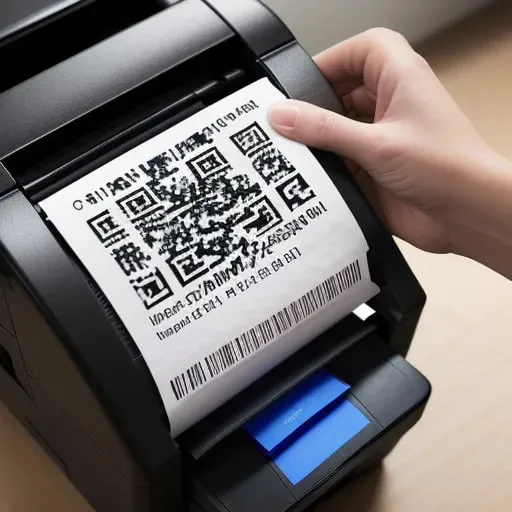
Imagine stepping into a modern retail store where every transaction is seamlessly captured and recorded in real-time. As customers make their purchases, IoT-enabled systems automatically send transaction details to thermal printers, which instantly produce receipts. This not only enhances the customer experience by providing immediate proof of purchase but also updates inventory levels automatically. Retailers can track product availability in real-time, minimizing the risk of stockouts and ensuring that popular items are always on hand.
The integration of thermal paper with IoT in retail systems enables businesses to analyze sales data immediately. By linking receipt information to data analytics platforms, retailers can identify buying patterns, optimize pricing strategies, and improve promotional efforts. This data-driven approach allows businesses to respond swiftly to changing market demands and consumer preferences.
Streamlining Logistics Operations
In the logistics sector, the benefits of integrating thermal paper with IoT devices are particularly significant. Consider a scenario where an IoT-enabled inventory management system automatically generates shipping labels for outgoing packages. As items are scanned into the system, thermal printers produce high-quality, accurate labels that include tracking information, delivery addresses, and barcodes. This process minimizes human error and ensures that packages are dispatched correctly and efficiently.
Furthermore, the real-time connection between thermal printers and logistics systems enables companies to monitor the status of their shipments throughout the supply chain. As packages are loaded onto trucks and shipped to various locations, updates are sent to the central system, allowing for immediate adjustments in case of delays or rerouting needs. This level of transparency enhances customer satisfaction by providing accurate delivery estimates and reducing the likelihood of lost packages.
Enhancing Inventory Management
The integration of thermal paper with IoT technology also plays a crucial role in inventory management. Retailers and warehouses can employ smart labels that not only display product information but also communicate with inventory systems. For example, as items are scanned at checkout or during restocking, the information is transmitted to the inventory management system, updating stock levels in real-time. This instant feedback loop helps businesses maintain optimal inventory levels, reducing holding costs and preventing overstock situations.
Additionally, thermal printers can be used to generate inventory reports on demand. For example, a warehouse manager can request a report on stock levels for specific items, and a thermal printer can produce a concise, easy-to-read document in seconds. This feature enhances decision-making and allows for quick adjustments in procurement and stocking strategies.
Improving Operational Efficiency
By automating data collection and printing processes, the integration of thermal paper with IoT devices reduces the administrative burden on employees. Staff can focus more on value-added tasks, such as customer service and operational improvements, rather than spending time on manual data entry and printing. This shift not only enhances overall productivity but also fosters a more agile working environment where businesses can adapt to changing demands swiftly.
The Future of Smart Data Management
The integration of thermal paper with IoT devices represents a significant advancement in smart data management. By streamlining operations, enhancing accuracy, and improving customer experiences, businesses can unlock new levels of efficiency and responsiveness. As technology continues to evolve, the potential applications for thermal paper in conjunction with IoT are boundless, paving the way for a future where data management is not only smarter but also more connected than ever before.
Enhancing Data Management with Smart Thermal Printing
Smart thermal printing is transforming the landscape of data management by enabling real-time tracking and efficient data retrieval. As businesses increasingly rely on technology to streamline operations, the integration of thermal printing with Internet of Things (IoT) systems emerges as a crucial component for enhancing productivity and accuracy.
Real-Time Data Tracking
One of the most significant advantages of smart thermal printing is the ability to print labels and reports on-demand, which dramatically reduces delays in information dissemination. For instance, in a fast-paced logistics environment, when a package is ready for shipment, an IoT-enabled system can trigger the automatic printing of shipping labels, packing slips, and tracking documents. This immediate access to printed materials ensures that all relevant information is available without unnecessary waiting periods, enhancing service delivery and customer satisfaction.
Moreover, real-time data tracking facilitates better inventory management. When items are scanned at various points in the supply chain, corresponding thermal labels can be generated instantly, keeping an accurate account of stock levels. This capability empowers businesses to make informed decisions regarding inventory replenishment, preventing stockouts and reducing excess inventory.
Enhanced Accuracy
Accuracy is paramount in any business operation, especially in sectors like healthcare and logistics where mistakes can have severe consequences. Automated printing processes linked to IoT systems minimize the risk of human error, ensuring that printed materials reflect the most current information. For example, in healthcare, when patient data is updated in an electronic health record (EHR) system, the relevant prescription labels and reports can be printed immediately. This seamless integration ensures that healthcare professionals always have access to accurate and up-to-date information, ultimately leading to better patient outcomes.
Additionally, in retail environments, smart thermal printing ensures that pricing and product information on labels is consistent with the data stored in inventory management systems. This accuracy not only enhances customer trust but also helps businesses comply with regulatory requirements regarding product labeling.
Increased Productivity
The automation of printing processes allows staff to focus on core tasks rather than being bogged down by manual printing. For example, in a busy restaurant, when an order is placed, the kitchen can automatically receive printed tickets without any manual intervention. This streamlining enhances overall workplace efficiency, as employees can devote their time and energy to providing excellent service rather than performing repetitive tasks.
Furthermore, smart thermal printing solutions can be programmed to prioritize print jobs based on urgency or specific criteria, allowing businesses to manage workflow more effectively. In a manufacturing environment, for instance, important production reports can be printed in real-time, enabling managers to make immediate decisions based on the latest data.
Case Studies: Real-World Applications
Numerous businesses have already begun to realize the benefits of integrating smart thermal printing with IoT technology. For example, a leading logistics company implemented smart thermal printing solutions to enhance their shipping processes. By connecting thermal printers to their inventory management systems, they were able to reduce shipping errors by 40% and significantly decrease the time taken to process orders.
Similarly, in the retail sector, a chain of grocery stores adopted IoT-enabled thermal printing to automate pricing updates on shelves. This innovation allowed them to reflect promotions and price changes in real-time, resulting in a noticeable increase in sales and customer satisfaction.
A Game-Changer for Business Operations
For companies looking to optimize their operations, integrating thermal printing with IoT technology is indeed a game-changer. The benefits of real-time data tracking, enhanced accuracy, and increased productivity create a compelling case for businesses to adopt smart thermal printing solutions. As the demand for efficiency and accuracy continues to grow across industries, smart thermal printing stands out as a pivotal tool in achieving effective data management, paving the way for a more connected and efficient future.
Sustainability and Eco-Friendly Solutions
In today’s eco-conscious landscape, sustainability is a paramount consideration for businesses across all industries. As companies integrate thermal paper with IoT technology, it is crucial to evaluate the environmental impact of their printing solutions. Traditional thermal paper, often coated with harmful chemicals, poses challenges for recycling and can contribute to environmental pollution. However, recent advancements in sustainable thermal paper are paving the way for more responsible practices.
The Environmental Impact of Traditional Thermal Paper
Traditional thermal paper typically contains bisphenol A (BPA) or bisphenol S (BPS), chemicals used in the coating process to create the print. While these chemicals enhance the printing quality, they complicate the recycling process and raise health concerns. When disposed of improperly, thermal paper can release these harmful substances into the environment, contributing to soil and water contamination.
Moreover, the production of traditional thermal paper involves processes that consume significant natural resources and generate waste. As businesses seek to reduce their carbon footprints, the environmental ramifications of conventional thermal paper become increasingly apparent.

Innovations in Sustainable Thermal Paper
Recognizing the urgency of addressing these environmental challenges, manufacturers are now developing innovative sustainable thermal paper options. These eco-friendly alternatives are designed to be recyclable and biodegradable, ensuring minimal environmental impact without sacrificing performance.
For instance, some sustainable thermal papers utilize natural, non-toxic coatings that eliminate the need for harmful chemicals like BPA and BPS. These papers maintain the same high-quality printing standards while being safe for both users and the environment. Additionally, advancements in production processes have led to the creation of thermal paper made from recycled materials, further enhancing sustainability.
Benefits of Eco-Friendly Thermal Paper Solutions
The transition to sustainable thermal paper offers numerous benefits for businesses committed to eco-friendly practices:
Enhanced Brand Image: Adopting sustainable thermal paper solutions allows businesses to showcase their commitment to environmental responsibility. This not only appeals to environmentally conscious consumers but also strengthens brand loyalty.
Compliance with Regulations: As governments around the world implement stricter environmental regulations, using eco-friendly thermal paper can help businesses stay compliant while avoiding potential fines and penalties.
Cost-Effectiveness: While some may assume that sustainable materials are more expensive, advancements in technology have made eco-friendly thermal paper more cost-effective. Over time, businesses can save money by reducing waste and improving efficiency in their printing processes.
Positive Environmental Impact: By choosing sustainable thermal paper, businesses contribute to reducing the overall environmental footprint associated with paper production and disposal. This is particularly important in industries with high paper usage, such as retail and logistics.
Stingbull Ribbon’s Commitment to Sustainability
At Stingbull Ribbon, we recognize the importance of sustainability and are committed to providing eco-friendly thermal paper solutions that align with your operational needs while minimizing environmental harm. Our collection includes various sustainable options that meet the highest quality standards without compromising your commitment to the planet.
By exploring our sustainable thermal paper offerings, you can find the perfect fit for your business, ensuring that you not only enhance your operational efficiency but also contribute to a healthier environment. Together, we can make a positive impact and pave the way for a more sustainable future in the printing industry.
Challenges and Limitations
While the integration of thermal paper and the Internet of Things (IoT) offers significant advantages, it is crucial to recognize the challenges and limitations that come with this technology. Understanding these obstacles can help businesses develop strategies to mitigate risks and optimize their operations.
Data Security Concerns
One of the foremost challenges in integrating thermal paper with IoT systems is data security. In industries such as healthcare and finance, where sensitive information is frequently printed and handled, ensuring the confidentiality and integrity of data is paramount. Printed materials generated from thermal printers can be vulnerable to unauthorized access if not managed properly.
To address these concerns, businesses must implement stringent protocols for the handling and storage of printed documents. This includes restricting access to sensitive materials, using secure storage solutions, and ensuring that printed data is disposed of in compliance with privacy regulations. Organizations can also invest in encrypted thermal printers that safeguard data during transmission and storage.
Moreover, as cyber threats evolve, it’s essential for businesses to stay informed about the latest security practices. Regular training for staff on data handling procedures and the importance of maintaining data security can further reduce risks.

Durability and Environmental Factors
Another notable limitation of thermal paper is its durability. While thermal printing is known for its speed and efficiency, the longevity of printed materials can be compromised by environmental factors. Exposure to heat, sunlight, and humidity can lead to fading or deterioration of the prints over time.
For businesses that rely on thermal paper for critical documentation—such as invoices, shipping labels, and medical records—this can pose significant challenges. Compromised prints can lead to confusion, miscommunication, and potential errors in operations.
To mitigate these durability issues, businesses should implement effective storage solutions. This can include using protective covers or storing printed materials in controlled environments away from direct sunlight and excessive heat. Additionally, companies can explore advancements in thermal paper technology that offer improved resistance to fading and environmental damage.
Cost Implications of Switching to IoT Solutions
Transitioning to IoT-enabled thermal printing solutions can also come with initial cost implications. While the long-term benefits often outweigh the upfront investment, businesses must consider the financial commitment associated with upgrading their technology infrastructure. This includes the costs of acquiring new thermal printers, integrating IoT systems, and training staff to use these advanced technologies effectively.
It is essential for organizations to conduct a thorough cost-benefit analysis before making significant changes to their printing processes. By understanding the potential return on investment, businesses can make informed decisions that align with their operational goals and budgets.
Balancing Innovation with Practicality
In conclusion, while the integration of thermal paper and IoT presents exciting opportunities for smart data management, it is essential to approach these advancements with a balanced perspective. By acknowledging the challenges of data security, durability, and cost implications, businesses can develop effective strategies to overcome these hurdles.
At Stingbull Ribbon, we are committed to supporting our customers in navigating these challenges. By providing access to high-quality thermal paper solutions and offering guidance on best practices, we aim to empower businesses to harness the full potential of thermal printing in the era of IoT. Together, we can navigate the complexities of this technology while maximizing operational efficiency and ensuring data security.
Future Trends in Thermal Paper and IoT
The landscape of thermal paper technology is rapidly evolving, particularly with the integration of the Internet of Things (IoT). As industries increasingly embrace digital transformation, the future of thermal paper in conjunction with IoT technology is filled with exciting possibilities and innovations that promise to reshape operational efficiency and sustainability.
Emerging Innovations in Biodegradable Thermal Paper
One of the most significant trends on the horizon is the development of biodegradable thermal papers. As businesses become more aware of their environmental impact, there is a growing demand for eco-friendly alternatives that do not compromise on quality. Manufacturers are actively researching and developing new formulations that allow thermal paper to decompose naturally, reducing waste and enhancing sustainability.
These biodegradable options are expected to maintain the same printing performance while offering a more responsible solution for businesses aiming to align with environmentally conscious practices. By adopting these innovations, companies can contribute to reducing their carbon footprint while still benefiting from the efficiency and reliability of thermal printing.
AI and Machine Learning Integration
As artificial intelligence (AI) and machine learning technologies continue to evolve, their integration with smart thermal printing will become increasingly sophisticated. Businesses will have access to advanced data analytics tools that enhance their ability to manage resources effectively and streamline operations.
For example, predictive analytics can analyze historical data to forecast inventory needs, allowing businesses to automate the printing of shipping labels or restocking notices precisely when required. This proactive approach can minimize overstock situations, reduce waste, and ensure that resources are allocated more efficiently.
Moreover, AI-powered systems can improve customer service by enabling personalized communication through automated receipts or labels tailored to individual consumer preferences. This level of customization enhances the overall customer experience, making businesses more competitive in the marketplace.
Enhanced Connectivity and Real-Time Data Processing
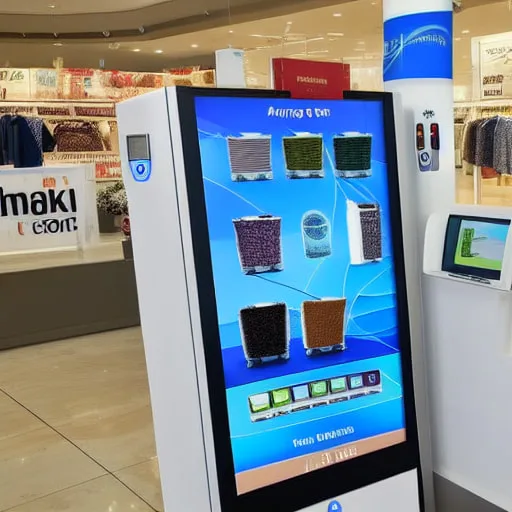
The future of thermal paper and IoT will also see enhanced connectivity, allowing for real-time data processing and printing. As IoT devices proliferate in retail, logistics, and healthcare, the ability to seamlessly connect thermal printers with these devices will facilitate immediate data transfer and printing capabilities.
Imagine a retail scenario where a customer makes a purchase, and the thermal printer automatically generates a receipt that reflects the most current promotions and loyalty points. In logistics, shipping labels could be printed on-demand based on real-time inventory levels and order statuses, ensuring that packages are labeled correctly without delay.
This level of responsiveness not only improves operational efficiency but also fosters a more agile business model capable of adapting to changing consumer demands and market conditions.
A Sustainable and Efficient Future
In conclusion, the future trends in thermal paper and IoT are geared towards creating a more sustainable and efficient operational framework. With innovations in biodegradable materials, AI integration, and enhanced connectivity, businesses can expect to streamline their processes while minimizing their environmental impact.
At Stingbull Ribbon, we are dedicated to staying at the forefront of these advancements. By providing access to high-quality thermal paper solutions that align with these emerging trends, we empower businesses to navigate the future of printing technology with confidence. Together, we can embrace these innovations to enhance operational efficiency, foster sustainability, and deliver exceptional value to customers.
Conclusion
The intersection of thermal paper and the Internet of Things represents a significant advancement in achieving smart data management solutions. By embracing this integration, businesses can enhance operational efficiency, improve data accuracy, and support sustainability initiatives. As the demand for smarter and more efficient systems grows, so does the potential for thermal paper to play a crucial role in the future of data management.
At Stingbull Ribbon, we provide a wide range of high-quality thermal paper products tailored to meet the needs of modern businesses. Explore our collection of thermal paper to discover how we can help you achieve smart data management today!