

In the battle against climate change, the spotlight often falls on energy consumption, transportation, and waste management. Yet, one often overlooked player in this environmental crisis is something as simple as paper. Specifically, traditional thermal paper, widely used in receipts, labels, and packaging, has become a contributor to pollution and environmental degradation. But the good news is that eco-friendly thermal paper is emerging as a sustainable alternative that could help in the fight against climate change.
The Rise of Eco-Friendly Thermal Paper
Eco-friendly thermal paper is not just another product on the market; it’s a significant step forward in sustainable practices. Unlike traditional thermal paper, which often contains harmful chemicals like BPA or BPS, eco-friendly versions are designed to be free from these toxic substances. This innovation drastically reduces the environmental impact of paper production and disposal, making it an ideal solution for businesses looking to reduce their carbon footprint.
For instance, at Stingbull Ribbon, we offer a wide range of eco-friendly thermal paper options that not only meet modern environmental standards but also perform excellently in everyday business operations. Whether you are in retail, logistics, or the e-commerce industry, integrating eco-friendly thermal paper into your practices can make a tangible difference.
The Environmental Impact of Traditional Thermal Paper
While thermal paper has long been recognized for its convenience in printing receipts, labels, and barcodes, the environmental cost of traditional thermal paper is becoming increasingly evident. Beneath the surface, this widely-used material poses significant challenges to the environment, both during its production and disposal. Understanding these impacts is essential for businesses and consumers alike as the world pushes towards more sustainable solutions.
Chemical Concerns in Production and Disposal
Traditional thermal paper is typically coated with bisphenol A (BPA) or bisphenol S (BPS), chemicals that serve as developers in the heat-sensitive printing process. However, these chemicals are not without risk. BPA, in particular, has been linked to various environmental and health concerns. During the production of traditional thermal paper, these chemicals can seep into water sources, contaminating ecosystems and affecting wildlife. The problem does not end at production. Once thermal paper is disposed of, BPA can leach into the soil and waterways, disrupting endocrine systems in animals and potentially entering the human food chain.
When thermal paper is incinerated, the situation worsens. Burning traditional thermal paper can release toxic fumes into the atmosphere, contributing to air pollution and exacerbating issues such as smog and respiratory problems in humans. The long-term degradation of traditional thermal paper in landfills also releases harmful byproducts that can contaminate surrounding environments, making the disposal of these materials a significant environmental hazard.
Resource-Intensive Manufacturing
Beyond the chemical concerns, the production of traditional thermal paper is a resource-intensive process. It requires vast amounts of water and energy to manufacture, alongside the need for virgin raw materials like wood pulp. This not only contributes to deforestation but also puts significant pressure on already scarce water resources. The energy consumption associated with traditional thermal paper production also adds to the carbon footprint of the product, contributing to greenhouse gas emissions and global warming.
In a world where climate change is an ever-pressing issue, continuing to rely on such resource-heavy materials becomes unsustainable. As businesses strive to reduce their carbon footprints and operate more responsibly, the environmental toll of traditional thermal paper can no longer be ignored.
Pollution and Ecosystem Disruption
The environmental impact extends beyond the immediate area of production and disposal. When traditional thermal paper degrades, whether in landfills or through natural wear, the chemicals and byproducts released can find their way into local ecosystems. Over time, this leads to the contamination of soil, water, and even the atmosphere, causing widespread disruption to local wildlife. Animals, especially those in aquatic environments, are vulnerable to the toxic effects of these chemicals, which can accumulate in their systems and cause long-term damage.
As these pollutants spread through ecosystems, they not only affect wildlife but can also reach human populations, particularly through contaminated water sources. The far-reaching consequences of this pollution make it clear that the continued use of traditional thermal paper carries significant ecological risks.
The Eco-Friendly Alternative
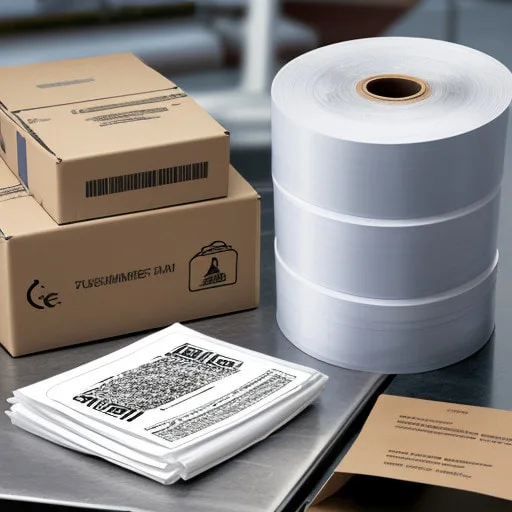
Switching to eco-friendly thermal paper is one of the most straightforward ways businesses can reduce their environmental impact. Many companies are now opting for thermal paper made from recycled or renewable resources, which drastically cuts down on the use of virgin materials. These eco-friendly alternatives are designed to be free from harmful chemicals like BPA and BPS, offering a safer option for both consumers and the environment.
Eco-friendly thermal paper not only reduces the reliance on harmful chemicals but also promotes better recycling practices. By choosing paper that is fully recyclable and biodegradable, businesses can ensure that the end-of-life impact of their products is minimized. This shift towards sustainability is more than just a trend; it is a necessary step towards reducing pollution, conserving resources, and protecting ecosystems.
For businesses looking to align with their sustainability goals, eco-friendly thermal paper offers a responsible and effective solution. Our thermal paper collection features a range of products that are recyclable, made from renewable resources, and free from harmful chemicals, providing an ideal choice for those seeking to minimize their environmental footprint.
A Call for Change
The environmental consequences of traditional thermal paper are clear and alarming. From its resource-intensive production to the pollution caused by its disposal, continuing to rely on traditional thermal paper is no longer a viable option for a planet facing climate change and resource depletion. By making the switch to eco-friendly alternatives, businesses can play a crucial role in reducing their environmental impact, contributing to a cleaner, healthier world for future generations.
As more companies adopt sustainable practices, the demand for eco-friendly thermal paper will continue to grow, driving innovation in the industry and encouraging further progress toward a greener future.
How Eco-Friendly Thermal Paper Helps Combat Climate Change
Eco-friendly thermal paper goes beyond being a green alternative; it represents a forward-thinking, practical solution to some of the most pressing environmental challenges of our time. From reducing harmful chemicals to contributing to a more sustainable production cycle, eco-friendly thermal paper plays a significant role in combating climate change. Let’s dive into the specific ways this innovative material helps in the fight against global warming.
Reduction in Harmful Chemicals
One of the most critical benefits of eco-friendly thermal paper is its elimination of harmful chemicals like BPA (bisphenol A) and BPS (bisphenol S). These chemicals, used in traditional thermal paper, are endocrine disruptors that have been linked to numerous health and environmental problems. They pose risks not only to human health but also to ecosystems as they leach into soil and waterways during disposal.
By replacing BPA and BPS with safer alternatives, eco-friendly thermal paper significantly reduces the release of toxic substances into the environment. This shift has a direct impact on the health of our ecosystems. It prevents contamination of water sources and agricultural land, reducing the overall pollution load on the environment. Additionally, safer disposal methods mean less air pollution from burning waste and fewer hazardous chemicals making their way into the atmosphere. This reduction in toxic byproducts is a critical step toward cleaner air and water, which are essential in combating climate change.
Lower Carbon Footprint
The production of eco-friendly thermal paper is designed to be more sustainable than that of traditional thermal paper, which is often resource-intensive and heavily reliant on non-renewable energy sources. Many manufacturers of eco-friendly thermal paper have embraced the use of renewable energy in their production processes, such as wind, solar, or hydroelectric power. This transition to greener energy sources helps to lower the overall carbon footprint of thermal paper production, reducing greenhouse gas emissions.
Moreover, the raw materials used in eco-friendly thermal paper are typically sourced from sustainable forestry practices or recycled content, further lowering the environmental impact. This reduces the need for virgin materials, which not only helps to preserve natural resources like forests but also cuts down on the energy required to process these materials. By prioritizing sustainable sourcing and production methods, eco-friendly thermal paper aligns with global efforts to reduce industrial carbon emissions and slow the progression of climate change.
Recycling Benefits
Another critical advantage of eco-friendly thermal paper is its recyclability. Traditional thermal paper is often difficult to recycle due to its chemical coatings, which contaminate the recycling stream. As a result, much of it ends up in landfills, where it can take years to degrade, all while releasing harmful substances into the environment. In contrast, eco-friendly thermal paper is designed with recycling in mind. It is typically free from the problematic coatings that make traditional thermal paper non-recyclable.
This improved recyclability has several benefits. First, it helps to reduce the amount of waste that ends up in landfills, which are significant sources of methane emissions, a potent greenhouse gas. Second, it promotes a more circular economy by allowing materials to be reused and repurposed, minimizing the need for new raw materials and the energy required to produce them. By encouraging recycling, eco-friendly thermal paper helps to reduce the environmental burden associated with paper production and waste management, making it a key component in the fight against climate change.
Supporting Corporate Sustainability Goals
In addition to its direct environmental benefits, eco-friendly thermal paper also supports corporate sustainability efforts. As more businesses prioritize environmental responsibility and seek to reduce their carbon footprints, switching to eco-friendly thermal paper is an actionable step that can contribute to broader sustainability goals. By choosing products that are made from renewable materials, produced using clean energy, and designed for recyclability, businesses can align their operations with environmentally conscious practices.
Eco-friendly thermal paper not only helps companies reduce their environmental impact but also demonstrates a commitment to corporate social responsibility. Customers and stakeholders are increasingly demanding that businesses take action on climate change, and the use of sustainable materials like eco-friendly thermal paper is one way to meet those expectations. At Stingbull Ribbon, we are proud to offer a variety of thermal paper products that support sustainability and help businesses lead the way in corporate responsibility. Our range of eco-friendly options makes it easy for companies to make a positive impact while maintaining high-quality performance in their printing needs.
A Small Change with Big Impact
The transition from traditional to eco-friendly thermal paper may seem like a small change, but its environmental impact is profound. By reducing harmful chemicals, lowering carbon emissions, and promoting recycling, eco-friendly thermal paper offers a tangible solution to the challenges of climate change. As businesses and individuals continue to look for ways to reduce their environmental footprint, switching to eco-friendly thermal paper represents a significant step forward in the fight against global warming.
At Stingbull Ribbon, we believe that every small action counts when it comes to protecting the planet. Explore our range of eco-friendly thermal paper options and join the growing movement towards sustainability and climate-conscious practices.

Applications of Eco-Friendly Thermal Paper in Different Industries
Eco-friendly thermal paper is gaining traction across a variety of industries thanks to its blend of sustainability, performance, and versatility. As businesses seek to adopt greener practices, eco-friendly thermal paper offers a practical solution that doesn’t compromise on quality. Whether it’s for printing receipts, labels, or shipping documents, this innovative material meets the demands of multiple sectors while supporting environmental responsibility. Let’s explore how different industries are leveraging eco-friendly thermal paper and the benefits they’re reaping in the process.
Retail Industry: A Shift Toward Sustainable Receipts
The retail industry is one of the largest users of thermal paper, with billions of receipts printed annually. This presents a unique opportunity to make a significant environmental impact by transitioning to eco-friendly thermal paper. Many retailers are increasingly recognizing the importance of sustainability, not just as a trend, but as a core value that resonates with today’s eco-conscious consumers.
Eco-friendly thermal paper provides the same reliability and print quality as traditional options, ensuring that receipts are legible, durable, and smudge-resistant. However, what sets it apart is the reduced environmental impact. By using thermal paper made from renewable resources and free of harmful chemicals like BPA and BPS, retailers can lower their carbon footprint while enhancing their brand’s reputation as environmentally responsible. Customers today are more likely to support businesses that prioritize sustainable practices, and by offering eco-friendly receipts, retailers can demonstrate their commitment to protecting the planet.
In addition to traditional point-of-sale receipts, eco-friendly thermal paper can also be used for printing labels, price tags, and promotional materials, all of which play a crucial role in retail operations. Switching to eco-friendly thermal paper across these applications allows retailers to make a positive environmental impact at every touchpoint of the customer journey.
Logistics and E-Commerce: Greening the Supply Chain
In the fast-moving worlds of logistics and e-commerce, efficiency is paramount, and so is the need for reliable thermal paper. Every package shipped requires printed labels, tracking information, and other documentation, making thermal paper a critical component of daily operations. The logistics sector, however, is also under increasing pressure to reduce its carbon emissions and adopt more sustainable practices throughout the supply chain.
Eco-friendly thermal paper offers a solution that meets the rigorous demands of logistics and e-commerce while helping companies lower their environmental impact. With the same high-quality printing performance as traditional thermal paper, eco-friendly options ensure that shipping labels are clear, durable, and capable of withstanding various handling conditions. This is especially important for ensuring that packages are delivered on time and without complications.
Moreover, as e-commerce continues to grow, companies are increasingly aware of the environmental toll of their operations. By choosing eco-friendly thermal paper for shipping labels, tracking stickers, and documentation, businesses can align their logistics with greener practices. Not only does this contribute to reducing greenhouse gas emissions, but it also sends a positive message to consumers who value sustainability in their purchasing decisions.
Eco-friendly thermal paper also offers the advantage of being more easily recyclable than its traditional counterparts, which helps to minimize waste in an industry where single-use products are ubiquitous. By implementing sustainable alternatives like eco-friendly thermal paper, logistics and e-commerce companies can play a key role in driving broader environmental change.
Food and Beverage Industry: Enhancing Health and Sustainability
In the food and beverage industry, the importance of eco-friendly practices extends beyond environmental protection—it also impacts public health. Thermal paper is used extensively in grocery stores, restaurants, and food production facilities for tasks such as printing labels, packaging, and receipts. Traditionally, these paper products have contained chemicals like BPA, which have raised health concerns, particularly when used in food-related environments.
Switching to eco-friendly thermal paper is an important step toward improving both sustainability and safety in the food and beverage sector. Free from harmful chemicals, eco-friendly thermal paper provides a safer alternative for use in environments where direct contact with food is common. This is especially critical for labeling fresh produce, meats, and other perishable items in grocery stores, where thermal labels are often applied directly to packaging.
Restaurants, cafes, and food delivery services can also benefit from adopting eco-friendly thermal paper for their point-of-sale systems and order tickets. Not only does it align with the growing consumer demand for eco-friendly packaging and practices, but it also ensures that the business is contributing to a healthier environment by reducing the presence of potentially harmful chemicals.
For larger-scale food production operations, eco-friendly thermal paper can be used in labeling and tracking processes that are vital for ensuring food safety and compliance. By integrating these sustainable solutions into their supply chains, companies in the food and beverage industry can improve their environmental performance while protecting the well-being of their customers.
Healthcare Industry: Supporting Safety and Sustainability
The healthcare industry is another area where eco-friendly thermal paper is making a difference. Thermal paper is used in hospitals, clinics, and pharmacies for printing prescriptions, patient records, labels for medications, and other important documents. In these settings, reliability and safety are non-negotiable, which is why eco-friendly thermal paper is becoming the preferred choice.
Traditional thermal paper, often containing chemicals like BPA, presents potential health risks, especially when used in environments where people are already vulnerable. By transitioning to BPA-free, eco-friendly thermal paper, healthcare providers can ensure that their operations are safer for both patients and staff. This shift also aligns with the healthcare sector’s growing focus on sustainability, as eco-friendly paper reduces environmental impact and waste.
Eco-friendly thermal paper is also compatible with the strict hygiene standards required in healthcare settings. It can be used in various applications, from labeling medical supplies and prescriptions to printing patient discharge papers and appointment reminders. With the same high-quality printing and durability as traditional thermal paper, eco-friendly alternatives meet the demanding needs of healthcare providers while contributing to a more sustainable and safe industry.
Versatility Meets Sustainability
Eco-friendly thermal paper has become a vital tool for industries seeking to reduce their environmental impact while maintaining high standards of performance. From retail and logistics to food and beverage, and even healthcare, its versatility allows businesses across a wide range of sectors to adopt sustainable practices without sacrificing quality or efficiency.
At Stingbull Ribbon, we offer a diverse selection of eco-friendly thermal paper products that cater to these industries and more. By making the switch to sustainable options, businesses can take an active role in combating climate change while enhancing their operations with reliable, high-quality thermal paper. Explore our collection today and discover how eco-friendly thermal paper can benefit your industry.
Real-World Case Studies: Businesses Embracing Sustainability
Around the world, businesses are taking meaningful steps toward sustainability by embracing eco-friendly thermal paper. From local shops to global corporations, companies are recognizing the environmental and operational benefits of switching to greener options.
One such business, a major retail chain, recently made the transition to using only eco-friendly thermal paper products for its receipts and shipping labels. Not only did this change lead to a significant reduction in waste, but it also resonated positively with their environmentally conscious customer base.
Challenges and Future Trends in Eco-Friendly Thermal Paper
The shift toward eco-friendly thermal paper is a critical step in reducing environmental impact, but this transition is not without its challenges. While the benefits of eco-friendly thermal paper are clear—lower toxicity, reduced carbon footprint, and improved recyclability—there are several obstacles that industries must overcome to fully adopt this sustainable solution. At the same time, future trends indicate that eco-friendly thermal paper will continue to evolve, becoming even more accessible and innovative as environmental awareness and regulatory pressure grow.
Cost Barriers: A Significant Challenge for Small Businesses
One of the primary challenges facing the adoption of eco-friendly thermal paper is its cost. Currently, eco-friendly thermal paper options tend to be more expensive than their traditional counterparts. This price difference stems from several factors, including the use of renewable materials, more complex manufacturing processes, and the relatively lower production volumes of sustainable alternatives. For large corporations with extensive sustainability initiatives, absorbing this additional cost may not be as burdensome. However, for smaller businesses operating on tighter margins, the higher price tag can be a deterrent to making the switch.
Small retailers, logistics companies, and foodservice operations often rely on high volumes of thermal paper for printing receipts, labels, and packaging materials. While eco-friendly thermal paper provides environmental benefits, the immediate financial implications may lead some businesses to stick with traditional paper products. This creates a dilemma for small businesses that want to be environmentally conscious but also need to manage their operational costs effectively.
Despite these cost barriers, the market for eco-friendly thermal paper is expected to grow as demand increases. As more businesses make sustainability a priority, economies of scale will begin to drive down production costs, making eco-friendly options more affordable for companies of all sizes. Furthermore, as consumer demand for greener products continues to rise, smaller businesses may find that investing in eco-friendly thermal paper can enhance their brand image and attract environmentally conscious customers, providing a long-term return on investment.

Technological Advancements: A Path Toward Greater Sustainability
While cost is currently a challenge, technological advancements are paving the way for the development of more cost-effective and sustainable thermal paper products. Research and innovation in materials science are leading to new formulations of thermal paper that are even more eco-friendly. In the near future, we can expect to see thermal paper made from entirely biodegradable materials, such as plant-based fibers or recycled content, that decompose naturally without leaving harmful residues in the environment.
Another exciting trend is the development of thermal paper that is easier to recycle. Traditional thermal paper often contains chemicals that make recycling difficult or impossible, contributing to landfill waste. However, eco-friendly versions are now being designed with recyclability in mind, utilizing non-toxic coatings and inks that allow for easier processing in recycling facilities. As these innovations continue to emerge, businesses will have access to thermal paper options that not only reduce environmental impact during production but also help close the loop by being fully recyclable or compostable.
In addition to material improvements, advancements in printing technology are enhancing the performance of eco-friendly thermal paper. New printing techniques allow for sharper, more durable images on eco-friendly paper, ensuring that businesses don’t have to sacrifice quality for sustainability. These advancements also reduce the amount of energy and resources needed during the printing process, further decreasing the environmental footprint of thermal paper use.
Government Regulations and Corporate Responsibility
As governments around the world introduce stricter environmental regulations, businesses are being encouraged—if not required—to adopt more sustainable practices. Regulations aimed at reducing single-use plastics, toxic chemicals, and carbon emissions are increasingly targeting industries that rely heavily on consumable materials, such as thermal paper. Companies that proactively invest in eco-friendly alternatives will be better positioned to comply with these regulations and avoid potential fines or disruptions to their operations.
Beyond regulatory compliance, corporate responsibility is becoming a driving force behind the adoption of eco-friendly thermal paper. Many companies are committing to sustainability goals as part of their broader corporate social responsibility (CSR) strategies. By switching to eco-friendly thermal paper, businesses can demonstrate their dedication to reducing their environmental impact, which is becoming an important consideration for customers, investors, and stakeholders.
This trend is particularly evident in industries like retail, where customers are increasingly looking for brands that align with their values. Offering eco-friendly receipts and packaging can serve as a powerful marketing tool, helping businesses differentiate themselves in a crowded market. As the trend toward sustainability continues, companies that embrace eco-friendly thermal paper will not only reduce their carbon footprint but also enhance their reputation as leaders in corporate responsibility.
The Future of Eco-Friendly Thermal Paper: Innovation and Expansion
Looking to the future, the potential for eco-friendly thermal paper is vast. As technological innovations continue to improve the materials and production processes used in thermal paper manufacturing, we can expect even greater sustainability benefits. For example, future developments may include thermal paper made from entirely plant-based or bioengineered materials that require minimal energy to produce and degrade completely after use.
Another area of expansion is the use of eco-friendly thermal paper in new industries and applications. While thermal paper is currently used primarily in retail, logistics, foodservice, and healthcare, future innovations could see its adoption in sectors like education, hospitality, and entertainment. As more industries recognize the importance of sustainability, the demand for eco-friendly paper products will continue to rise.
Furthermore, as climate change accelerates and environmental concerns become more pressing, businesses will increasingly be expected to play a role in mitigating their impact. Eco-friendly thermal paper offers a tangible way for companies to contribute to climate change efforts, reducing their use of harmful chemicals, minimizing waste, and lowering their overall carbon emissions.
While the road to widespread adoption of eco-friendly thermal paper presents challenges, the future is bright. With ongoing technological advancements, increasing demand, and growing regulatory pressure, eco-friendly thermal paper is poised to become the standard across industries. As businesses and governments alike prioritize sustainability, eco-friendly thermal paper will play a crucial role in combating climate change and shaping a greener future.
How Consumers Can Make a Difference
It’s not just businesses that can make a positive impact—consumers can play a crucial role in promoting sustainability as well. By supporting companies that prioritize eco-friendly practices, individuals can help drive demand for greener products like the ones in our eco-friendly thermal paper collection. Small choices add up, and every purchase of eco-friendly thermal paper contributes to the fight against climate change.
Conclusion
Eco-friendly thermal paper is more than just a new trend; it’s a necessary step in addressing the environmental challenges of today. With applications spanning across multiple industries, from retail to logistics, it is becoming clear that sustainable thermal paper is the future. At Stingbull Ribbon, we are committed to providing businesses with the eco-friendly solutions they need to make a difference.
By choosing eco-friendly thermal paper, businesses and consumers alike can contribute to a greener, more sustainable future. Together, we can make strides in the battle against climate change, one roll of paper at a time.