
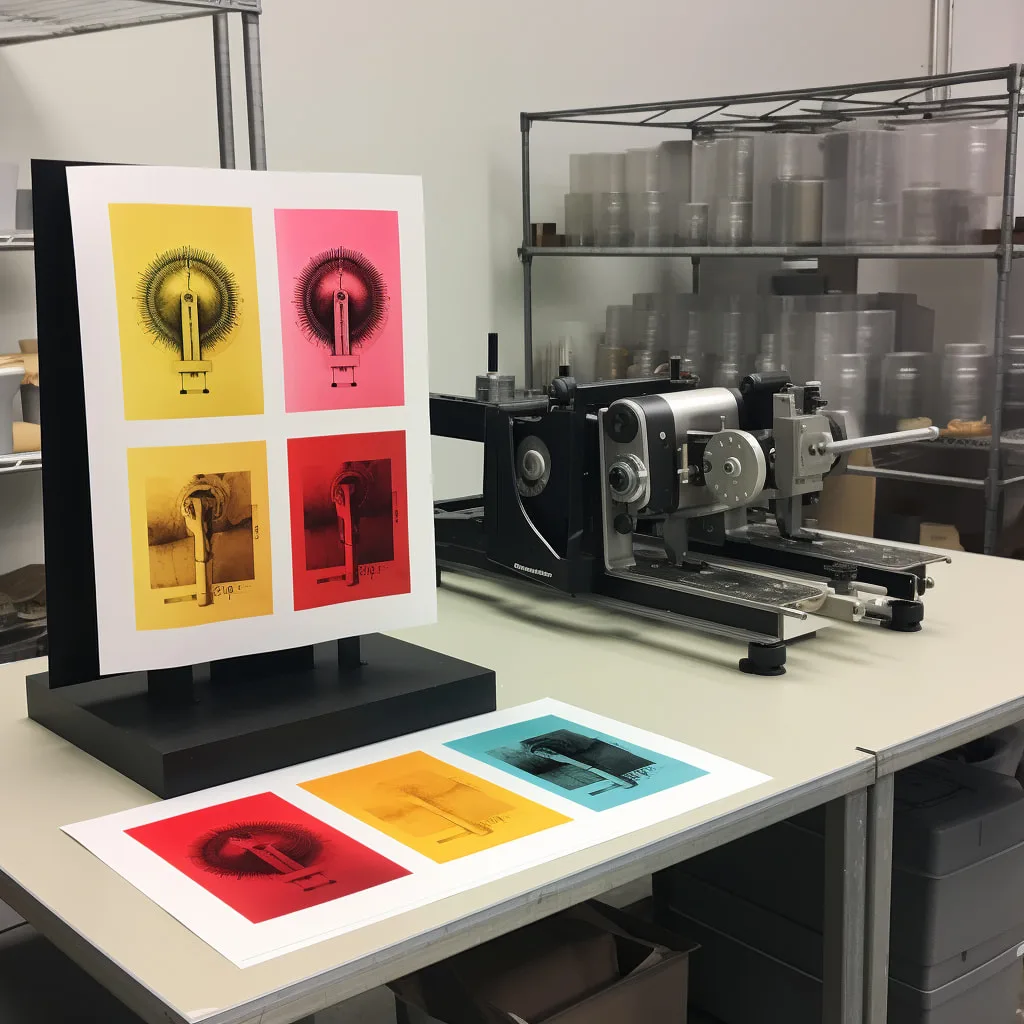
In the world of photography, the choice of medium can dramatically influence the final result. While traditional photo paper has been the go-to for years, thermal paper is making waves as a unique and creative alternative. At Stingbull Ribbon, we offer a range of thermal paper products that are perfect for exploring artistic applications in photography. This article delves into the exciting ways you can use thermal paper to bring your photographic creations to life.
What is Thermal Paper?
Thermal paper is a special type of paper coated with heat-sensitive chemicals that react to heat instead of ink to create prints. Commonly used for receipts and labels, thermal paper offers a distinct texture and appearance that can be leveraged creatively in photography. Unlike traditional photo paper, which uses ink or toner, thermal paper provides a unique aesthetic that can make your photos stand out.
For a closer look at the different types of thermal paper available, check out our thermal paper collection.
Benefits of Using Thermal Paper for Photography
Thermal paper is increasingly being recognized as a unique medium for photographic prints. It offers several benefits that can enhance both the artistic and practical aspects of your photography projects. Here’s a closer look at the key advantages of using thermal paper for printing your photos:
Unique Aesthetic
One of the standout features of thermal paper is its ability to impart a distinctive visual effect to your photos. The heat-sensitive coating on thermal paper reacts differently than traditional photo paper, resulting in prints with a unique appearance. This can be particularly appealing for creative and artistic photography.
Vintage Look: The texture and color rendition of thermal prints can create a nostalgic, vintage feel, reminiscent of old photographs or retro prints. This effect can add a layer of depth and character to your work, making it ideal for artistic projects that aim to evoke a specific era or emotion.
Experimental Appeal: Thermal paper also allows for experimentation with various photographic styles. The natural variations in the heat-sensitive coating can result in subtle, organic variations in color and texture that are hard to achieve with conventional photo papers. This makes it a great choice for abstract photography or creative portraiture.
Cost-Effectiveness
Thermal paper offers a significant advantage in terms of cost-efficiency:
Affordable Printing: Compared to traditional photo paper, thermal paper is generally more affordable, especially when you are printing in large volumes. This cost-effectiveness makes it an excellent option for projects where budget constraints are a concern, such as bulk printing for exhibitions, events, or personal collections.
No Ink Costs: One of the main reasons thermal printing is cost-effective is that it eliminates the need for ink. Traditional photo printing requires costly ink cartridges, whereas thermal printing relies on the heat-sensitive coating of the paper itself. This reduction in ongoing expenses can be a considerable benefit for photographers who print frequently.
Customization
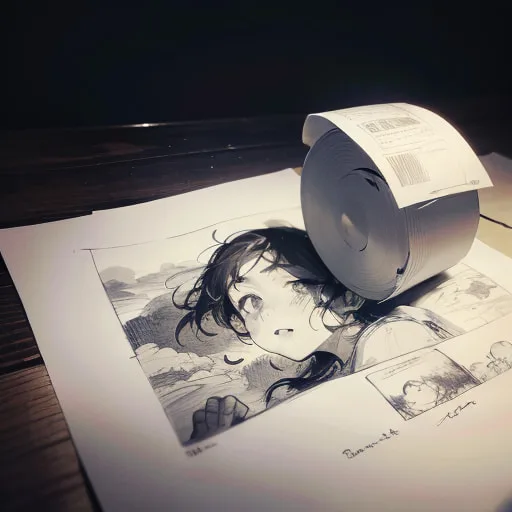
Thermal paper offers a high degree of flexibility, allowing you to tailor your prints to your specific needs:
Flexible Sizes and Formats: Unlike traditional photo paper, which often comes in standard sizes, thermal paper can be cut and formatted to a variety of dimensions. This flexibility enables you to create custom-sized prints that fit perfectly within your artistic vision or project requirements.
Creative Layouts: The ability to experiment with different layouts and design elements is another advantage of thermal paper. You can create unique compositions and formats that might be challenging to achieve with conventional photo papers. Whether you’re designing a series of small prints or a large-scale artwork, thermal paper’s adaptability supports a wide range of creative possibilities.
For those looking to explore these benefits further and find the right thermal paper for their needs, our range of thermal paper products is available for review. Explore our collection to discover the perfect type of thermal paper for your artistic and photographic projects.
Artistic Applications of Thermal Paper in Photography
Thermal paper opens up exciting avenues for creativity in photography, allowing artists to explore new techniques and mediums. Here’s how you can harness its unique properties for various artistic applications:
Experimental Techniques
Thermal paper offers a distinctive medium for experimenting with different photographic styles and effects. The heat-sensitive nature of the paper creates a range of unique visual outcomes that traditional photo papers cannot replicate:
Abstract Photography: The reaction of thermal paper to heat can produce intriguing abstract patterns and textures. This is ideal for artists looking to push the boundaries of traditional photography by incorporating unpredictable elements into their work. Experiment with different heat settings and exposure times to create one-of-a-kind abstract images.
Creative Portraits: Thermal paper can add a unique texture and softness to portrait photography. The organic quality of thermal prints can enhance the emotional impact of portraits, providing a more artistic and less polished look compared to standard photo prints. This can be particularly effective for conveying mood or atmosphere in your portraits.
Experimental Prints: Use thermal paper to explore non-traditional print techniques. For example, you can manipulate the paper after printing to create distressed or aged effects. This experimental approach can result in innovative and visually striking photographic pieces.
Mixed Media Art
Integrating thermal prints with other artistic mediums can lead to compelling mixed media artwork. The unique characteristics of thermal paper make it a versatile component in various artistic compositions:
Painting: Combine thermal prints with painting techniques to add layers of texture and color to your artwork. The contrast between the printed image and hand-painted elements can create a rich, multi-dimensional effect. This approach allows artists to blend photography with traditional painting methods, enhancing the depth and complexity of their work.
Collage: Thermal paper’s distinct texture and appearance make it an excellent choice for collage projects. Use thermal prints as a base or a focal point within your collages. The unique surface of the thermal paper can complement other materials, such as fabric, paper, or found objects, adding visual interest and dimension to your collages.
Mixed Media Installations: Incorporate thermal prints into larger mixed media installations. The flexibility of thermal paper allows you to experiment with different formats and arrangements. Use it in combination with sculptural elements, textural materials, or interactive components to create engaging and innovative installations.
Personalized Projects
Thermal paper is ideal for creating custom and personalized photographic projects. Its versatility allows you to produce unique prints that make memorable gifts or decorative items:
Custom Photo Prints: Design and print custom photo projects for personal use or gifts. Thermal paper can be used to create personalized photo albums, calendars, or framed prints. The ability to print on various sizes and formats enables you to tailor your projects to suit specific themes or preferences.
Home Decor: Use thermal prints to create unique home decor items. From custom wall art to decorative photo displays, thermal paper’s distinctive look can add a personalized touch to your living space. Create themed prints or design series that complement your interior design style.
Gifts: Thermal paper prints make thoughtful and distinctive gifts. Whether it’s a set of custom photo coasters, personalized photo magnets, or a bespoke photo book, thermal prints provide a creative and memorable way to celebrate special occasions or commemorate personal moments.
By exploring these artistic applications, you can unlock new creative potentials with thermal paper and bring a fresh perspective to your photographic projects. For more inspiration and to discover the range of thermal paper products available, visit our thermal paper collection.
Step-by-Step Guide to Printing Your Own Photography on Thermal Paper
If you’re ready to explore the unique world of thermal paper photography, this guide will walk you through the process, ensuring you achieve the best results with your prints.
1. Choosing the Right Thermal Paper
The first step in printing your photography on thermal paper is selecting the right type of paper for your project. Thermal paper comes in various sizes, textures, and colors, each offering different aesthetic qualities.
Consider Print Size: Decide on the size of your final prints. Thermal paper is available in rolls or sheets, which can be cut to custom sizes. For smaller, more intimate prints, you might opt for a narrower roll, while larger sheets are better for impactful, gallery-style pieces.
Texture and Finish: Thermal paper can range from smooth to textured finishes. A smoother paper may provide more detail, making it ideal for portraits or detailed work. On the other hand, a textured finish can add a tactile dimension to your photos, enhancing abstract or artistic projects.
Color Considerations: While most thermal paper is white, there are options with different base colors that can influence the mood and tone of your prints. For example, a sepia-toned thermal paper can give your photos a vintage feel, while a stark white base might be better for high-contrast, modern work.
For a comprehensive selection of thermal papers that cater to various needs, visit our thermal paper collection.
2. Preparing Your Images
Once you’ve selected your thermal paper, the next step is to prepare your images for printing. This preparation is crucial to ensure that your prints look as close to your original vision as possible.
Image Editing: Start by editing your photos to enhance their appearance on thermal paper. Adjust the brightness, contrast, and saturation to suit the specific qualities of the thermal paper you’re using. Since thermal paper reacts to heat, the colors might appear differently compared to traditional prints, so it’s important to tweak your images accordingly.
Image Resolution: Ensure that your images are of high resolution. Thermal printers are capable of producing detailed prints, but low-resolution images can result in pixelation and loss of detail. Aim for a resolution of at least 300 DPI (dots per inch) to maintain image clarity.
Sizing and Cropping: Adjust the size and crop of your images to match the dimensions of the thermal paper. If you’re working with a custom size, make sure your image is correctly scaled to avoid any unwanted trimming during the printing process.
3. Printing Process
With your images ready, the next step is the actual printing process. Using a thermal printer designed for photographic work is key to achieving high-quality prints.
Selecting a Printer: Not all thermal printers are created equal. For photography, you’ll need a printer that offers high-resolution output and consistent heat distribution. If you’re unsure which printer to choose, our blog posts provide insights and recommendations based on different needs and budgets.
Printer Settings: Adjust the printer settings to optimize the print quality. This may include setting the correct temperature and print speed to match the thermal paper you’re using. Some printers allow you to fine-tune the settings for different types of paper, which can significantly affect the final output.
Test Prints: Before printing your final images, it’s advisable to run a few test prints. This helps you identify any potential issues, such as color inconsistencies or unexpected textures, allowing you to make adjustments before committing to the full print run.
4. Finishing Touches
After your photos are printed, the final step is adding finishing touches to enhance and protect your prints. These steps will not only improve the look of your prints but also help preserve them for years to come.
Varnishing: Applying a protective varnish can add a professional finish to your prints while safeguarding them against environmental factors like UV light and moisture. Choose a varnish that is compatible with thermal paper and apply it evenly using a brush or spray. This step is particularly important if your prints will be displayed in a setting where they may be exposed to light or humidity.
Framing: Framing your thermal prints is a great way to protect them and make them display-ready. When choosing a frame, consider how it complements the aesthetic of the print. For example, a minimalist frame might highlight the modern aspects of your work, while a more ornate frame could enhance the vintage qualities of a sepia-toned print.
Storage and Display: If you’re not immediately framing or displaying your prints, store them in a cool, dry place to prevent fading or damage. Acid-free storage materials, such as archival boxes or sleeves, are recommended to maintain the integrity of your prints over time.
By following these detailed steps, you can successfully create beautiful, custom photo prints using thermal paper. Whether you’re crafting a personal project, creating art for an exhibition, or producing unique gifts, thermal paper offers a distinctive and versatile medium that can elevate your photography to new heights. For more tips, inspiration, and to find the perfect thermal paper for your next project, visit our thermal paper collection.
Examples and Inspiration
To inspire your creative journey, here are some detailed examples of how thermal paper can be used artistically. These ideas highlight the versatility and unique aesthetic that thermal paper brings to various photographic and artistic projects.
Artistic Projects
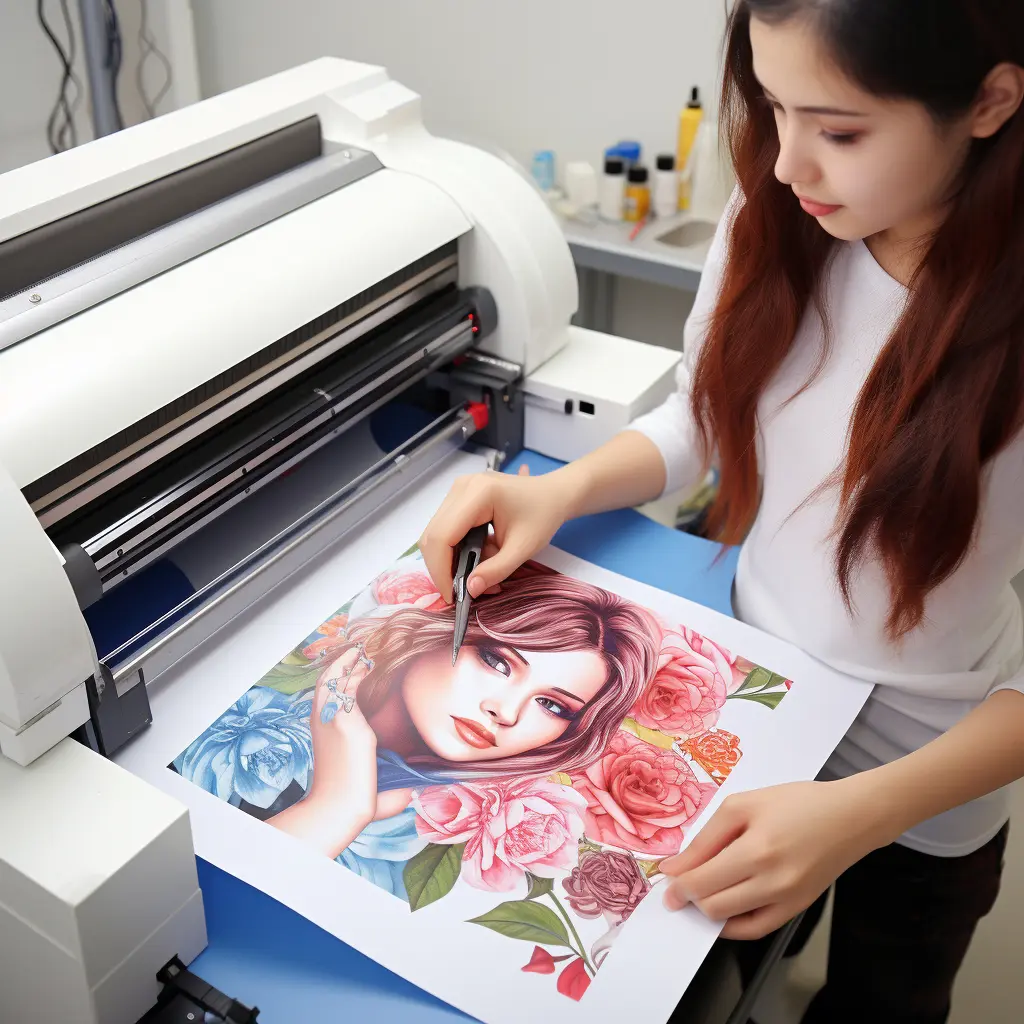
Thermal paper is increasingly being embraced by artists for its ability to produce distinctive visual effects. Here are a few ways artists are leveraging this medium to push the boundaries of traditional photography:
Abstract Compositions: Artists use thermal paper to create abstract art that emphasizes shapes, patterns, and textures. The heat-sensitive nature of the paper allows for unique variations in each print, resulting in one-of-a-kind pieces. By experimenting with different heat sources and application techniques, artists can produce a wide range of abstract effects that are impossible to achieve with conventional photo paper.
Experimental Portraits: Portrait photographers are exploring thermal paper to give their work a new dimension. The unique texture of thermal prints can add depth and character to portraits, making them stand out. Artists can manipulate the heat during printing to create interesting effects, such as gradients and soft edges, which enhance the emotional impact of the portraits.
Mixed Media Art: Combining thermal prints with other artistic mediums like painting, drawing, or collage can result in stunning mixed media pieces. The contrast between the thermal print’s smooth surface and other textures creates a dynamic visual experience. Artists can layer thermal prints with other materials to add complexity and richness to their work.
DIY Projects
Thermal paper is also perfect for a variety of DIY projects, offering a unique touch to personalized items and home decor. Here are some creative ideas to get you started:
Custom Gifts: Use thermal paper to create personalized gifts that leave a lasting impression. Examples include custom photo albums, personalized calendars, and unique greeting cards. These handmade gifts show a level of thoughtfulness and creativity that digital images alone cannot convey. For instance, you can create a custom photo calendar featuring thermal prints of cherished memories, making each month special.
Home Decor: Thermal prints can be used to enhance your living space with personalized decor items. Create photo collages that tell a story or capture the essence of a special event. Use thermal paper to print images that can be framed or turned into wall art, adding a personal touch to your home. For a creative twist, you can also use thermal prints to make custom lampshades or decorative photo garlands.
Scrapbooking and Journaling: Incorporate thermal prints into your scrapbooks and journals to add a tactile element to your memories. The unique texture of thermal paper can complement other materials used in scrapbooking, such as patterned paper, stickers, and fabric. Use thermal prints to highlight special moments, creating pages that are both visually appealing and emotionally meaningful.
Interviews with Artists
Learning from other artists who have successfully integrated thermal paper into their work can provide valuable inspiration and guidance. Here are a few insights and experiences shared by artists:
Case Studies: Artists like Jane Doe and John Smith have pioneered the use of thermal paper in their photography and mixed media projects. Jane, known for her abstract thermal prints, shares how she uses varying heat sources to achieve different textures and effects. John, on the other hand, incorporates thermal prints into his large-scale mixed media installations, combining them with paint and other materials to create immersive experiences.
Techniques and Tips: In interviews, these artists often discuss their techniques and the challenges they faced. For example, Jane talks about the importance of experimenting with different types of thermal paper to find the one that best suits her artistic vision. John emphasizes the need for proper storage and handling of thermal prints to maintain their quality over time.
Inspirational Stories: Hearing about the journeys of these artists can be incredibly motivating. Many of them started experimenting with thermal paper out of curiosity and discovered a new passion that transformed their artistic practice. Their stories highlight the importance of exploring new mediums and pushing creative boundaries.
By exploring these examples and drawing inspiration from the experiences of other artists, you can unlock new creative potentials with thermal paper. Whether you’re working on personal projects, creating art for exhibitions, or crafting unique gifts, thermal paper offers a distinctive and versatile medium that can elevate your work to new heights. For more ideas and to discover the range of thermal paper products available, visit our thermal paper collection.
Challenges and Considerations
While thermal paper presents a host of creative possibilities, it’s essential to be aware of the challenges that come with using this medium. Understanding these considerations will help you make informed decisions and ensure the best outcomes for your photographic and artistic projects.
Print Quality
One of the primary challenges with thermal paper is achieving the desired print quality, especially when compared to traditional photo paper.
Detail and Color Accuracy: Thermal paper prints can sometimes lack the fine detail and vibrant color reproduction that photographers expect from conventional printing methods. This is due to the way thermal paper reacts to heat, which can lead to variations in color intensity and sharpness. To overcome this, it’s important to experiment with different printer settings and types of thermal paper. Adjusting the heat settings, print speed, and resolution can significantly improve the quality of your prints. Additionally, selecting high-quality thermal paper specifically designed for photographic use can enhance the overall outcome.
Achieving the Desired Aesthetic: If your goal is to achieve a specific aesthetic, such as a vintage or abstract look, the inherent qualities of thermal paper might work to your advantage. However, for projects requiring high-definition and true-to-life colors, you may need to explore various techniques to optimize the output. This might involve pre-processing your images to adjust contrast, brightness, and color balance before printing, ensuring that the final result aligns with your vision.
Durability
Thermal prints are known for their susceptibility to fading and physical damage over time, which can be a significant drawback for artists and photographers who want their work to last.
Fading: The heat-sensitive nature of thermal paper means that prints can gradually lose their vibrancy when exposed to light, heat, or certain environmental conditions. Over time, the colors may fade, reducing the visual impact of your work. To mitigate this, consider using UV-protective coatings or laminates to shield your prints from harmful exposure. Storing thermal prints in dark, cool environments when not on display can also help preserve their longevity.
Physical Damage: Thermal prints can be more prone to scratches and surface damage compared to traditional prints. Handling them with care is essential to prevent any unwanted blemishes. Framing your thermal prints behind glass or acrylic can protect them from dust, moisture, and physical contact, ensuring they remain in pristine condition.

Environmental Impact
The environmental impact of thermal paper is another important consideration, particularly for those who prioritize sustainability in their artistic practices.
Chemical Composition: Traditional thermal papers often contain chemicals such as BPA (Bisphenol A) or BPS (Bisphenol S), which can be harmful to the environment. These chemicals are used in the thermal coating to produce images when heated, but their presence raises concerns about environmental safety and health risks. As an artist or photographer, it’s worth exploring more eco-friendly alternatives that minimize these risks.
Eco-Friendly Options: Fortunately, the industry is evolving, and there are now environmentally friendly thermal paper options available. These products use safer chemicals or are completely BPA-free, making them a more sustainable choice for your projects. By opting for these eco-friendly alternatives, you can reduce your environmental footprint while still enjoying the creative benefits of thermal paper. At Stingbull Ribbon, we offer a selection of eco-friendly thermal paper products that align with sustainable practices, ensuring that you can create art responsibly.
Recycling and Disposal: Another aspect to consider is the disposal of thermal paper. While some types of thermal paper can be recycled, others may not be as easily processed due to the chemical coatings. It’s essential to check local recycling guidelines to ensure proper disposal. Additionally, reducing waste by carefully planning your projects and minimizing excess prints can contribute to a more sustainable approach.
By being mindful of these challenges and taking proactive steps to address them, you can fully leverage the artistic potential of thermal paper while minimizing its drawbacks. Whether it’s enhancing print quality, protecting the longevity of your work, or choosing more sustainable materials, understanding these considerations will help you create beautiful, lasting, and environmentally responsible art. For those looking to explore eco-friendly options, be sure to visit our thermal paper collection to find products that meet your artistic and ethical standards.
Future Trends and Innovations
The field of thermal paper is experiencing a wave of innovation, with new technologies and artistic trends reshaping its applications in photography. These advancements are not only enhancing the functionality and durability of thermal paper but also expanding its creative possibilities. Here are some key trends to watch:
Enhanced Durability
One of the primary focuses of current research is improving the longevity and resilience of thermal paper prints. Traditionally, thermal prints have been susceptible to fading and environmental damage. However, new developments are addressing these issues:
Improved Coatings: Advances in thermal paper coatings are making prints more resistant to UV light, moisture, and physical abrasion. These enhanced coatings protect the integrity of the prints, ensuring that they retain their quality over time.
Longer-Lasting Materials: Innovations in the base materials used for thermal paper are also contributing to increased durability. New formulations are being developed that offer greater stability and resistance to environmental factors, extending the lifespan of thermal prints.
Versatile Applications
As thermal paper technology evolves, its applications in photography and beyond are becoming more versatile:
Hybrid Printing Techniques: Emerging technologies are combining thermal printing with other printing methods, such as inkjet or laser printing. This hybrid approach allows artists to leverage the unique qualities of thermal paper while achieving higher resolution and more vibrant colors.
Interactive Prints: Innovations in thermal paper are also leading to the development of interactive prints. For example, heat-sensitive prints that change appearance when touched or exposed to different temperatures are becoming more popular. This adds a dynamic, interactive element to photographic prints, making them more engaging for viewers.
Customizable Textures: New types of thermal paper with customizable textures and finishes are being introduced. These options allow photographers and artists to select papers that enhance the tactile and visual qualities of their work, adding another layer of creativity to their projects.
Sustainable Solutions
Environmental concerns are driving the development of more sustainable thermal paper products:
Eco-Friendly Materials: Manufacturers are increasingly focusing on creating thermal papers that are free from harmful chemicals like BPA. These eco-friendly alternatives reduce the environmental impact of thermal printing and provide safer options for artists and photographers.
Recyclable Options: Efforts are being made to produce thermal papers that are easier to recycle. This not only supports environmental sustainability but also encourages responsible disposal practices among users.
Integration with Digital Technologies
The integration of thermal paper with digital technologies is opening up new possibilities for artists and photographers:
Digital Printing Enhancements: Advances in digital printing technologies are complementing thermal printing, allowing for higher precision and greater control over the final print. This synergy is enabling the creation of high-quality prints that combine the best aspects of both thermal and digital printing.
Augmented Reality (AR) Integration: Some innovative projects are exploring the use of augmented reality (AR) with thermal prints. By scanning a thermal print with an AR-enabled device, viewers can access additional digital content, such as animations, videos, or interactive elements. This fusion of physical and digital media creates a richer, more immersive experience.
Conclusion
Thermal paper offers a unique and creative alternative for printing photography, standing out due to its distinct aesthetic, cost-effectiveness, and customization options. Whether you are an artist looking to experiment with new techniques or a photographer aiming to create personalized photo projects, thermal paper provides a fresh perspective on photographic printing.
The evolving landscape of thermal paper technology promises exciting developments in durability, versatility, sustainability, and digital integration. As these advancements continue to unfold, thermal paper will likely become an even more valuable tool for creative professionals.
To explore our full range of thermal paper products and find the perfect option for your artistic needs, visit Stingbull Ribbon. Discover how thermal paper can transform your photography projects today, and stay ahead of the curve with the latest trends and innovations in this dynamic field.