

In the bustling world of shipping, efficiency and accuracy are paramount. One technology that has revolutionized the shipping industry is thermal paper. From labels to manifests and critical documentation, thermal paper plays a crucial role in streamlining operations and ensuring that everything runs smoothly. In this article, we’ll delve into the various applications of thermal paper in shipping, explore eco-friendly innovations, and look at the future trends that could shape the industry.
The Role of Thermal Paper in Shipping
Thermal paper technology has become a cornerstone in the shipping industry due to its numerous advantages. As the logistics and shipping sectors continue to grow, the need for efficient, reliable, and cost-effective solutions has never been more critical. Thermal paper meets these needs by providing a versatile and durable medium for various shipping-related tasks. Unlike traditional ink-based printing, thermal printing uses heat to create images on the paper, resulting in faster printing speeds and reduced maintenance costs.
Advantages of Using Thermal Paper
Cost-Effectiveness
Thermal paper eliminates the need for ink or toner, significantly reducing ongoing operational costs. This cost-saving benefit is particularly important in high-volume environments where every penny counts. Shipping companies can invest in thermal printers knowing that they won’t face the recurring expenses associated with purchasing ink or toner cartridges. Additionally, the reduced need for maintenance and fewer moving parts in thermal printers contribute to lower overall costs.
Durability
One of the standout features of thermal prints is their resistance to smudging and fading. This durability ensures that labels and documents remain legible throughout the entire shipping process, from initial printing to final delivery. Whether subjected to varying temperatures, humidity levels, or rough handling, thermal paper maintains its integrity. This is crucial for shipping labels, as illegible or damaged labels can lead to misrouted packages, delays, and increased operational headaches.
Speed
Thermal printers are renowned for their high-speed printing capabilities. They can produce high-quality prints rapidly, which is crucial for keeping up with the fast-paced demands of shipping. In busy shipping hubs, where every second counts, the ability to quickly print labels, receipts, and other documents can significantly improve workflow efficiency. Faster printing means quicker processing times, enabling companies to handle larger volumes of shipments without compromising on accuracy or service quality.
Additional Benefits of Thermal Paper
Environmental Impact
As sustainability becomes a focal point in business operations, the shipping industry is also turning towards eco-friendly solutions. Thermal paper manufacturers are now offering environmentally friendly options made from recycled materials and biodegradable components. This shift not only helps companies reduce their ecological footprint but also aligns them with global environmental standards and consumer expectations for sustainable practices.
Reliability
The reliability of thermal paper ensures that it performs consistently under various conditions. This reliability is especially important in shipping, where any disruption can lead to significant operational challenges. Thermal printers are less likely to jam or malfunction compared to traditional printers, leading to fewer interruptions and smoother operations. This reliability translates to more dependable service for customers and partners.
Versatility
Thermal paper’s versatility allows it to be used for a wide range of applications beyond just shipping labels. It can be used for printing receipts, invoices, customs forms, and other essential documents required in the shipping process. This multifunctionality makes thermal paper a valuable asset in streamlining operations and maintaining organized records.
Thermal paper has proven to be an indispensable tool in the shipping industry, offering a blend of cost-effectiveness, durability, speed, environmental benefits, reliability, and versatility. As shipping demands continue to rise, the adoption of thermal paper solutions can help companies maintain efficient and reliable operations. By investing in thermal paper and thermal printing technology, shipping businesses can achieve significant improvements in their workflow, cost management, and overall service quality. For more information on our thermal paper products and how they can enhance your shipping operations, visit our thermal paper collection.
Applications of Thermal Paper in Shipping
Labels
Labels are perhaps the most common use of thermal paper in the shipping industry. They are essential for identifying packages and ensuring they reach their intended destinations. Thermal paper labels provide a versatile and reliable solution for various shipping needs.
Types of Shipping Labels
Thermal paper can handle a variety of label types, making it an invaluable tool in the shipping industry. Labels can include barcodes and QR codes, which are crucial for tracking packages throughout the shipping process. These codes can be scanned quickly and accurately, allowing for real-time updates on a package’s location. Detailed shipping information, such as addresses, handling instructions, and delivery notes, can also be printed on thermal paper labels. This comprehensive labeling system ensures that each package has all the necessary information to reach its destination efficiently.
Benefits of Using Thermal Paper for Labels

The clarity and durability of thermal labels make them ideal for withstanding the rigors of shipping and handling. Thermal labels produce high-resolution prints that remain legible despite exposure to various environmental factors such as heat, moisture, and abrasion. This durability ensures that the essential information on the labels remains intact from the point of dispatch to the final delivery, minimizing the risk of misdelivery due to illegible labels. Additionally, the quick printing capabilities of thermal printers allow for faster labeling processes, improving overall operational efficiency.
Manifests
Manifests are detailed lists of the cargo carried on a ship or transport vehicle. They play a crucial role in inventory management and regulatory compliance, providing a comprehensive overview of the cargo.
Importance of Manifests in Shipping
Manifests ensure accurate tracking and accountability of all shipped items. They include vital information such as the quantity and description of goods, the consignor and consignee details, and any special handling instructions. This detailed documentation helps in preventing errors, ensuring that all items are accounted for during transit. Manifests also facilitate smooth customs clearance by providing authorities with a clear overview of the cargo, thus reducing the likelihood of delays and fines.
Enhancing Efficiency with Thermal Paper
Thermal paper manifests are easy to print and can be quickly updated, making them indispensable for modern shipping operations. The speed and efficiency of thermal printing enable companies to produce manifests on-demand, reducing wait times and enhancing workflow. Additionally, thermal paper’s durability ensures that manifests remain legible and intact, even under challenging conditions, thereby supporting efficient and error-free cargo management.
Documentation
Shipping involves a plethora of documents, from invoices and receipts to customs forms and shipping manifests. Proper documentation is critical for legal and logistical purposes, ensuring that shipments are processed smoothly and compliantly.
Essential Shipping Documents
Essential documents in shipping include invoices, which detail the transaction between the buyer and seller; receipts, which confirm payment and delivery; customs forms, which provide necessary information for international shipping; and shipping manifests, which list all items being transported. These documents are integral to the shipping process, facilitating communication between all parties involved and ensuring that all legal and regulatory requirements are met.
Thermal Paper’s Role
Thermal paper ensures that all documents are printed clearly and legibly, reducing the risk of errors and miscommunications. The high-quality print output of thermal printers produces sharp and precise text and images, making it easy to read and verify information. This clarity is particularly important for legal documents and customs forms, where any errors or misinterpretations can lead to significant delays or penalties. Furthermore, the durability of thermal paper means that documents remain intact and readable throughout the shipping process, providing a reliable record of transactions and shipments.
In conclusion, thermal paper plays a vital role in the shipping industry, offering versatile and reliable solutions for labels, manifests, and documentation. Its cost-effectiveness, durability, and speed make it an essential component of efficient and accurate shipping operations. As the industry continues to evolve, the adoption of thermal paper solutions will undoubtedly enhance overall efficiency and reliability in shipping processes. For more information on our thermal paper products and how they can benefit your shipping operations, visit our Thermal Paper collection.

Eco-Friendly Innovations in Thermal Paper
With growing concerns about environmental sustainability, the shipping industry is increasingly looking for eco-friendly solutions. Eco-friendly thermal paper options have emerged as a viable alternative to traditional thermal paper, offering several benefits that align with both environmental goals and business objectives.
Reduced Environmental Impact
Eco-friendly thermal paper is often made from recycled materials and is biodegradable, significantly minimizing its environmental footprint. Traditional thermal paper production can be resource-intensive, relying on virgin pulp and chemical coatings that are not environmentally friendly. In contrast, eco-friendly thermal paper utilizes recycled fibers and water-based coatings, which are less harmful to the environment.
By opting for these sustainable alternatives, companies can significantly reduce their reliance on non-renewable resources and decrease their overall carbon footprint. This not only helps in preserving natural resources but also contributes to the reduction of waste in landfills, as biodegradable thermal paper breaks down more easily than its traditional counterparts.
Compliance with Regulations
Using sustainable thermal paper can help companies meet stringent environmental regulations and standards. Many countries are implementing stricter regulations regarding waste management and the use of sustainable materials in packaging and documentation. By adopting eco-friendly thermal paper, companies can ensure compliance with these regulations, avoiding potential fines and legal issues.
Moreover, adhering to environmental regulations enhances a company’s reputation and builds trust with consumers who are increasingly aware of and concerned about environmental issues. Customers are more likely to support businesses that demonstrate a commitment to sustainability, which can lead to increased brand loyalty and a competitive advantage in the market.
Economic Benefits
Switching to eco-friendly thermal paper can also lead to economic benefits. While the initial cost of sustainable paper might be higher, the long-term savings from reduced waste disposal fees and potential tax incentives for using green materials can offset these expenses. Additionally, companies that prioritize sustainability often find that they attract more customers, driving sales and profitability.
Technological Advancements
Recent technological advancements have made eco-friendly thermal paper more effective and accessible. Innovations in coating technology, for example, have led to the development of thermal paper that requires less energy to produce and offers the same, if not better, performance characteristics as traditional thermal paper. These advancements ensure that businesses do not have to compromise on quality or efficiency when choosing sustainable options.
Partnerships and Certification
Many manufacturers of eco-friendly thermal paper are now partnering with environmental organizations to certify their products. Certifications such as FSC (Forest Stewardship Council) and PEFC (Programme for the Endorsement of Forest Certification) provide assurance that the paper products come from responsibly managed forests. These certifications can be prominently displayed on shipping labels and documentation, further enhancing a company’s environmental credentials.
Consumer Demand and Market Trends
The push towards sustainability is not just driven by regulatory compliance but also by consumer demand. Consumers today are more informed and concerned about the environmental impact of their purchases. They prefer to engage with brands that are transparent about their sustainability practices. By incorporating eco-friendly thermal paper into their operations, companies can meet this demand and align with market trends that favor sustainable business practices.
Eco-friendly innovations in thermal paper are paving the way for a more sustainable future in the shipping industry. By reducing environmental impact, ensuring regulatory compliance, and meeting consumer demand for sustainable products, eco-friendly thermal paper offers a holistic solution that benefits both businesses and the planet. As technology continues to advance, the availability and efficiency of these sustainable options will only improve, making it easier for companies to adopt greener practices. For more information on our range of eco-friendly thermal paper products and how they can enhance your shipping operations, visit our Thermal Paper collection.
Advances in Thermal Printing Technology
Recent technological advancements have significantly boosted the efficiency and effectiveness of thermal printing in the shipping industry. These innovations address various challenges, improve overall operations, and provide superior performance in diverse shipping environments.
Improved Print Quality
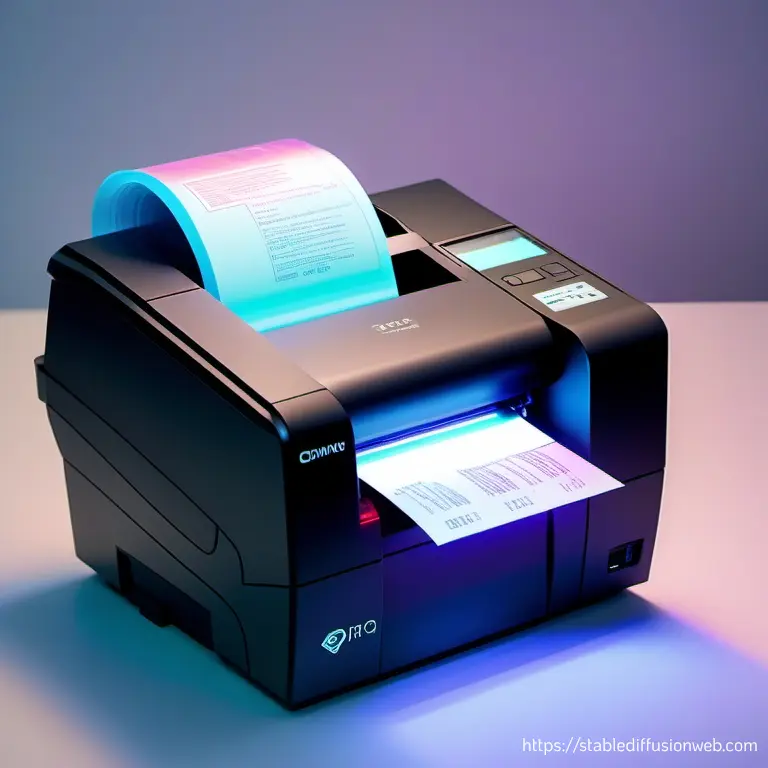
Modern thermal printers are capable of producing sharper, more detailed prints, ensuring that labels and documents are easily readable. This advancement is crucial for maintaining clarity and precision in shipping documentation. Enhanced print quality ensures that barcodes and QR codes, which are vital for tracking and identification, are scanned accurately without errors. The high-resolution printing capabilities also facilitate the clear presentation of detailed shipping information, reducing the risk of miscommunication and improving the accuracy of deliveries.
These printers employ advanced thermal print heads and high-definition printing technology, which produce crisp and clear images and text. This is particularly important in environments where documentation must remain legible under various conditions, such as warehouses and distribution centers. The improved print quality also means that logos and branding on labels are more visually appealing, which can enhance brand recognition and professionalism.
Enhanced Durability
New formulations of thermal paper are designed to be more resistant to environmental factors such as heat, moisture, and abrasion. This enhanced durability ensures that labels and documents remain intact and legible throughout the shipping process, regardless of the conditions they encounter. In shipping, packages often go through various stages of handling, exposure to different climates, and potential rough handling. Durable thermal paper can withstand these challenges, maintaining the integrity of critical information.
These advancements in thermal paper formulations include special coatings that protect the printed material from smudging, fading, and tearing. This is particularly beneficial for labels and documentation that need to endure long transit times and varying environmental conditions. Enhanced durability also reduces the need for reprinting and reapplication of labels, saving time and resources.
Integration with Digital Systems
Advanced thermal printers are now capable of seamless integration with digital tracking and inventory management systems, streamlining the entire shipping process. This integration allows for real-time updates and tracking, improving efficiency and accuracy in managing shipments. Thermal printers can be connected to central databases and inventory systems, enabling automated label printing with accurate and up-to-date information.
For instance, when a package is scanned at various checkpoints, the information is instantly updated in the system, providing real-time visibility into the package’s status and location. This integration also allows for automated printing of shipping labels based on the data from the inventory management system, reducing manual entry errors and speeding up the labeling process. Additionally, this connectivity facilitates better inventory control, as shipments can be tracked more accurately from dispatch to delivery.
User-Friendly Features
Modern thermal printers come equipped with user-friendly features that simplify operation and maintenance. These features include touch-screen interfaces, wireless connectivity, and automated maintenance alerts. The ease of use ensures that employees can quickly learn to operate the printers, reducing training time and enhancing productivity. Wireless connectivity also allows for flexible printer placement, which can optimize workspace layout and workflow.
Eco-Friendly Innovations
Technological advancements have also led to the development of eco-friendly thermal printers that consume less energy and produce less waste. These printers are designed to be more energy-efficient, reducing the overall environmental impact of printing operations. Additionally, some modern thermal printers use recyclable or biodegradable materials for their components, further contributing to sustainability efforts.
Cost Efficiency
The latest thermal printing technologies offer cost efficiencies by reducing the need for maintenance and consumables. Advanced printers are designed to be more reliable, with longer-lasting print heads and components. This reduces downtime and maintenance costs, ensuring continuous and efficient operation. Additionally, the high-speed printing capabilities of modern thermal printers mean that large volumes of labels and documents can be produced quickly, meeting the high demands of shipping operations.
Future Trends
Looking ahead, the future of thermal printing technology in shipping includes smart labels and RFID integration. These innovations will enable more advanced tracking and monitoring of shipments, providing detailed insights into the shipping process. Smart labels with embedded RFID chips can store more information and allow for more sophisticated tracking capabilities, improving the overall efficiency and security of shipping operations.
The advances in thermal printing technology have transformed the shipping industry, making operations more efficient, accurate, and sustainable. Improved print quality, enhanced durability, seamless integration with digital systems, and user-friendly features all contribute to the effectiveness of thermal printing in shipping. As technology continues to evolve, the adoption of these innovations will further enhance shipping processes, ensuring businesses remain competitive in a rapidly changing market. For more information on the latest thermal paper products and technologies, visit our Thermal Paper collection.
Advances in Thermal Printing Technology
Recent technological advancements have significantly boosted the efficiency and effectiveness of thermal printing in the shipping industry. These innovations address various challenges, improve overall operations, and provide superior performance in diverse shipping environments.
Improved Print Quality
Modern thermal printers are capable of producing sharper, more detailed prints, ensuring that labels and documents are easily readable. This advancement is crucial for maintaining clarity and precision in shipping documentation. Enhanced print quality ensures that barcodes and QR codes, which are vital for tracking and identification, are scanned accurately without errors. The high-resolution printing capabilities also facilitate the clear presentation of detailed shipping information, reducing the risk of miscommunication and improving the accuracy of deliveries.
These printers employ advanced thermal print heads and high-definition printing technology, which produce crisp and clear images and text. This is particularly important in environments where documentation must remain legible under various conditions, such as warehouses and distribution centers. The improved print quality also means that logos and branding on labels are more visually appealing, which can enhance brand recognition and professionalism.
Enhanced Durability
New formulations of thermal paper are designed to be more resistant to environmental factors such as heat, moisture, and abrasion. This enhanced durability ensures that labels and documents remain intact and legible throughout the shipping process, regardless of the conditions they encounter. In shipping, packages often go through various stages of handling, exposure to different climates, and potential rough handling. Durable thermal paper can withstand these challenges, maintaining the integrity of critical information.
These advancements in thermal paper formulations include special coatings that protect the printed material from smudging, fading, and tearing. This is particularly beneficial for labels and documentation that need to endure long transit times and varying environmental conditions. Enhanced durability also reduces the need for reprinting and reapplication of labels, saving time and resources.

Integration with Digital Systems
Advanced thermal printers are now capable of seamless integration with digital tracking and inventory management systems, streamlining the entire shipping process. This integration allows for real-time updates and tracking, improving efficiency and accuracy in managing shipments. Thermal printers can be connected to central databases and inventory systems, enabling automated label printing with accurate and up-to-date information.
For instance, when a package is scanned at various checkpoints, the information is instantly updated in the system, providing real-time visibility into the package’s status and location. This integration also allows for automated printing of shipping labels based on the data from the inventory management system, reducing manual entry errors and speeding up the labeling process. Additionally, this connectivity facilitates better inventory control, as shipments can be tracked more accurately from dispatch to delivery.
User-Friendly Features
Modern thermal printers come equipped with user-friendly features that simplify operation and maintenance. These features include touch-screen interfaces, wireless connectivity, and automated maintenance alerts. The ease of use ensures that employees can quickly learn to operate the printers, reducing training time and enhancing productivity. Wireless connectivity also allows for flexible printer placement, which can optimize workspace layout and workflow.
Eco-Friendly Innovations
Technological advancements have also led to the development of eco-friendly thermal printers that consume less energy and produce less waste. These printers are designed to be more energy-efficient, reducing the overall environmental impact of printing operations. Additionally, some modern thermal printers use recyclable or biodegradable materials for their components, further contributing to sustainability efforts.
Cost Efficiency
The latest thermal printing technologies offer cost efficiencies by reducing the need for maintenance and consumables. Advanced printers are designed to be more reliable, with longer-lasting print heads and components. This reduces downtime and maintenance costs, ensuring continuous and efficient operation. Additionally, the high-speed printing capabilities of modern thermal printers mean that large volumes of labels and documents can be produced quickly, meeting the high demands of shipping operations.
Future Trends
Looking ahead, the future of thermal printing technology in shipping includes smart labels and RFID integration. These innovations will enable more advanced tracking and monitoring of shipments, providing detailed insights into the shipping process. Smart labels with embedded RFID chips can store more information and allow for more sophisticated tracking capabilities, improving the overall efficiency and security of shipping operations.
The advances in thermal printing technology have transformed the shipping industry, making operations more efficient, accurate, and sustainable. Improved print quality, enhanced durability, seamless integration with digital systems, and user-friendly features all contribute to the effectiveness of thermal printing in shipping. As technology continues to evolve, the adoption of these innovations will further enhance shipping processes, ensuring businesses remain competitive in a rapidly changing market. For more information on the latest thermal paper products and technologies, visit our Thermal Paper collection.
Conclusion
Thermal paper has undoubtedly transformed the shipping industry, offering numerous advantages in terms of cost, efficiency, and reliability. As we look to the future, eco-friendly innovations and technological advancements promise to further enhance the role of thermal paper in shipping. Businesses that adopt these modern solutions can expect to see significant improvements in their shipping operations, ensuring they stay ahead in a competitive market.
For more information on thermal paper products, visit our Thermal Paper collection.
Whether you are looking to streamline your shipping process or explore sustainable options, thermal paper provides a forward-looking solution that can help your business thrive.